
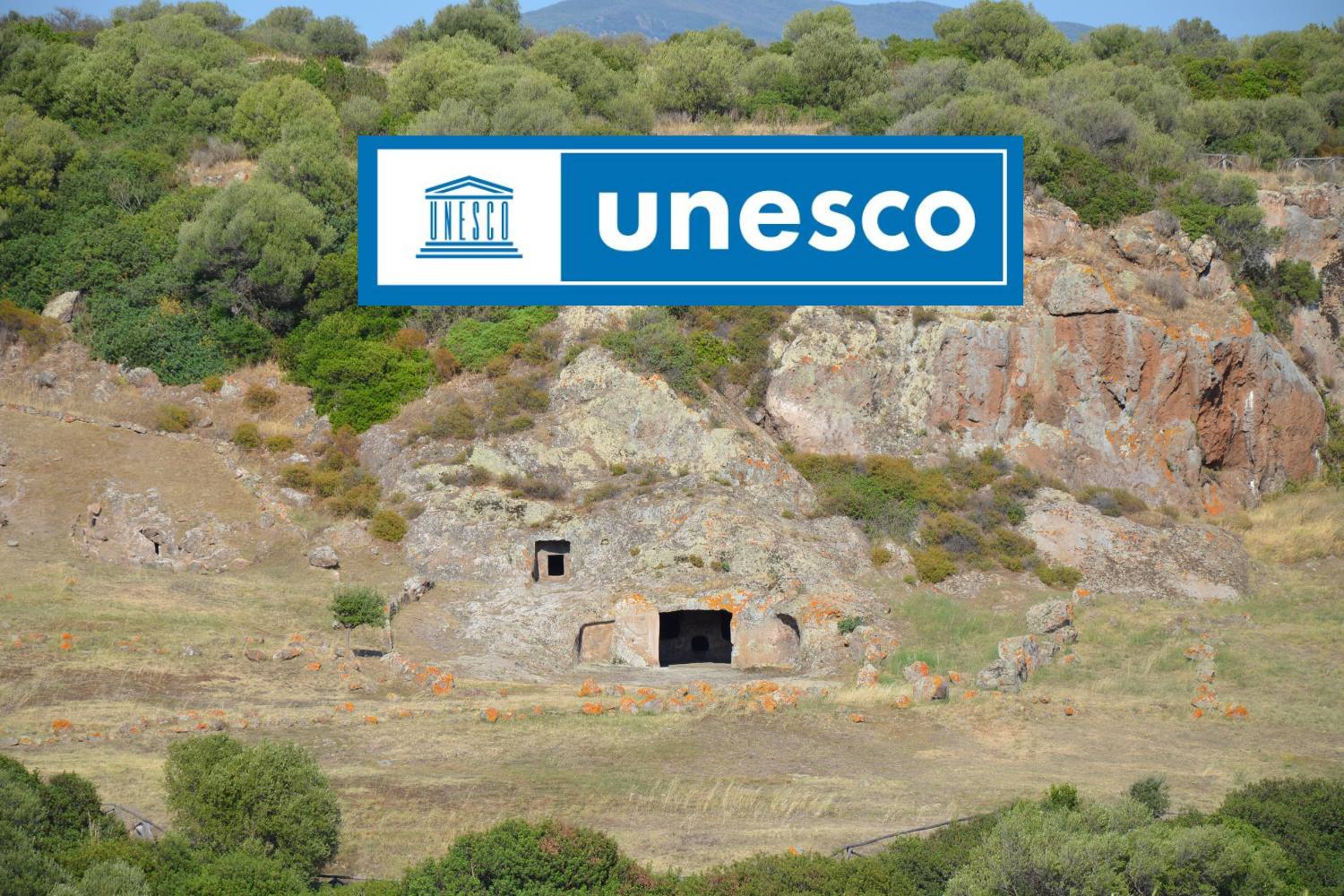
The news is official: the Domus de Janas of Sardinia They joined the UNESCO World Heritage Site. And it is not just a formal recognition. It is the seal that certifies the universal value of a treasure that has its roots in the prehistoric era. The Domus de Janas represent the 61st site included in the world heritage list found in our country, which counts the greatest number of registrations.
Their candidacy was launched by the Cesim Sardegna and Network of the Municipalities of the Domus de Janas, with the Municipality of Alghero as the leader, to return centrality and protections to such a precious heritage linked to the cult of the dead and the beliefs about the afterlife from the communities before Christ.
𝐋𝐞 𝐝𝐨𝐦𝐮𝐬 𝐝𝐞 𝐣𝐚𝐧𝐚𝐬 𝐝𝐢𝐯𝐞𝐧𝐭𝐚𝐧𝐨 𝐩𝐚𝐭𝐫𝐢𝐦𝐨𝐧𝐢𝐨 𝐝𝐞𝐥𝐥 𝐝𝐞𝐥𝐥’𝐮𝐦𝐚𝐧𝐢𝐭𝐚t 𝐫𝐢𝐜𝐨𝐧𝐨𝐬𝐜𝐢𝐮𝐭𝐞 𝐝𝐚𝐥𝐥’𝐔𝐍𝐄𝐒𝐂𝐎. 𝐋𝐚 𝐩𝐫𝐞𝐬𝐢𝐝𝐞𝐧𝐭𝐞 𝐓𝐨𝐝𝐝𝐞 𝐓𝐨𝐝𝐝𝐞: “𝐔𝐧 …
Posted by Ras – Autonomous Region of Sardinia on Saturday, July 12, 2025
The fascinating story of the “Fairy Houses”
Those who grew up in Sardinia or went from tourist to have at least heard these “fairies’ houses”. In reality it is prehistoric tombs per room, which date back to the middle Neolithic i (V Millennium BC). A series of recent studies has shown their use and continuous excavation during the following periods, until the dawn of the Nuragic civilization. They are real rock sepulchres, often organized in necropolis, where every single tomb could also contain multiple environments, decorations, sculpted symbols.
Some seem miniature copies of the houses of the time: pitched ceilings, fake doors, carved pillars, geometric motifs. A way to recreate the house even after death.
A heritage from (re) discover
In Sardinia there are about 3000 Domus de Janas, scattered throughout the island: an impressive number. But the truth is that many of these sites are still little known and, in some cases, even not very valued.
Among the most important and accessible we remember:
Now, thanks to UNESCO’s recognition, these ancient treasures will be able to obtain the attention and protection they deserve.
Sources: MIC/UNESCO/Sardinia Region
