
Is taking shape under the Baltic Sea one of the most ambitious modern engineering companies: the Fehmarnbelt tunnelwhich will connect Germany to Denmark with a world record structure. Long 18.2 kilometers and deep 40 metersthis tunnel It will be the longest in the world built under the seareducing about 160 kilometers The current connection via Ponte between the two countries.
With an estimated investment of 10 billion eurosthe tunnel will be part of the network Ten-t of the European Union, improving connections between North and Southern Europe. Inside, the gallery will host Two motorway lanes per direction of travel And Two electrified railway trackswith a fifth central rod dedicated to services and safety. Vehicles will travel the tunnel at 110 km/h, while trains can reach 200 km/h, allowing The crossing in 10 minutes by car and 7 minutes by train.
Construction: between engineering and millimeter precision
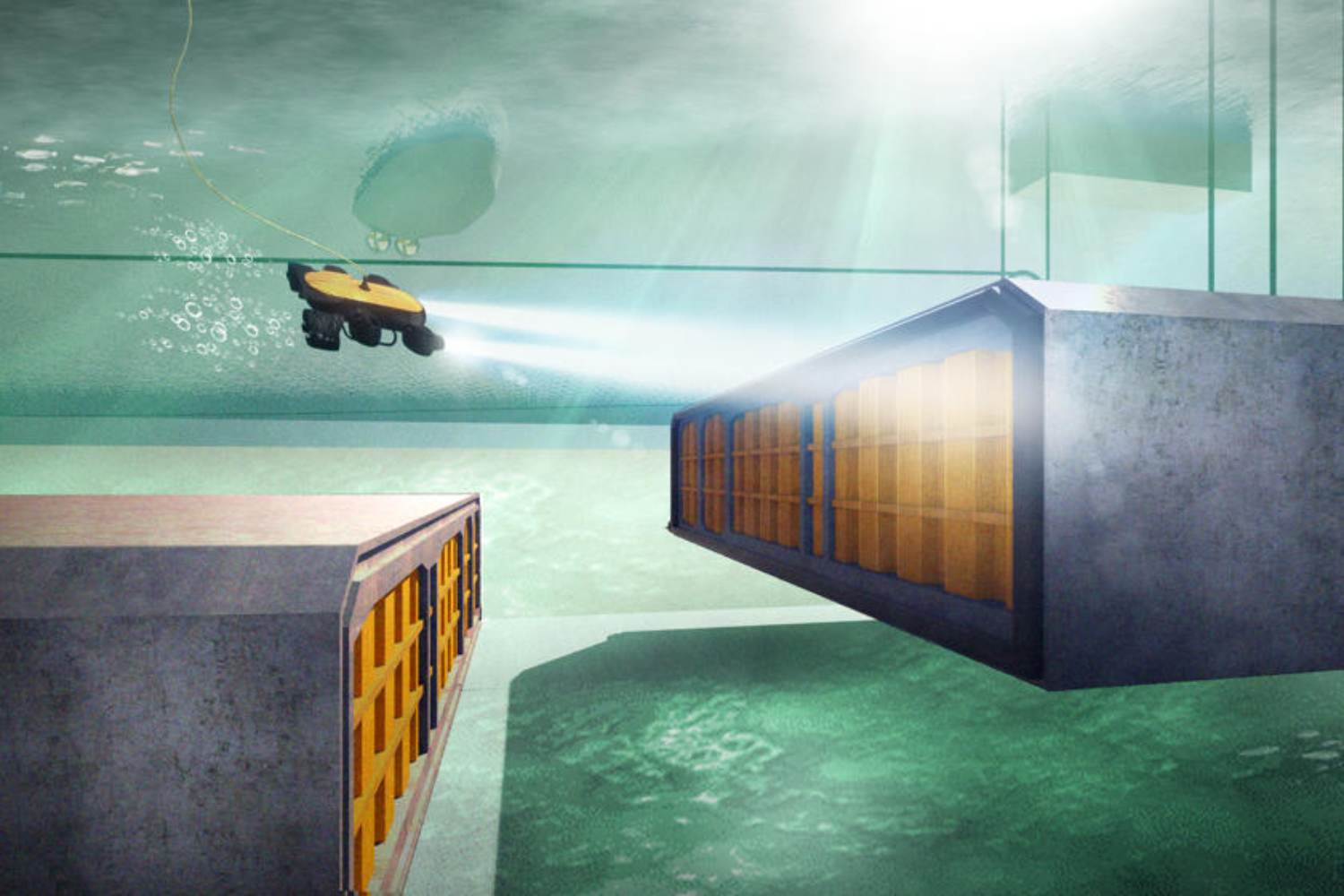
Unlike other submarine tunnels dug in the rock, the Fehmarnbelt will be made assembling 89 huge prefabricated councils in reinforced concrete217 meters long, 42 wide and weight of 73,500 tons each. Will be laid at 40 meters deep in one submarine trench specifically dug, with a precision of 15 millimeters, thanks to Underwater cameras and tools led by GPS.
The heart of the construction site is located in Rødbyhavn, on the island of Lolland. Here a real one arose Factory of the Councilswhich occupies an area of 1.5 million square meters. The Councils will be lowered to the sea one at a time, connected to each other like LEGO bricks (not surprisingly, a Danish invention), sealed with rubber gaskets and reinforced with further concrete jets to counter the floating push.
The structure it will be equipped with emergency exits per 100 meterswell beyond European standards. The rods will be separated by type and direction of traffic, a further protection element. The entire tunnel will be monitored 24 hours a day from a control center in Denmark and from Copenhagen railway, while all internal surfaces will be covered with fire resistant materials up to 1,350 ° C. The completion of the work is expected by 2029.
