
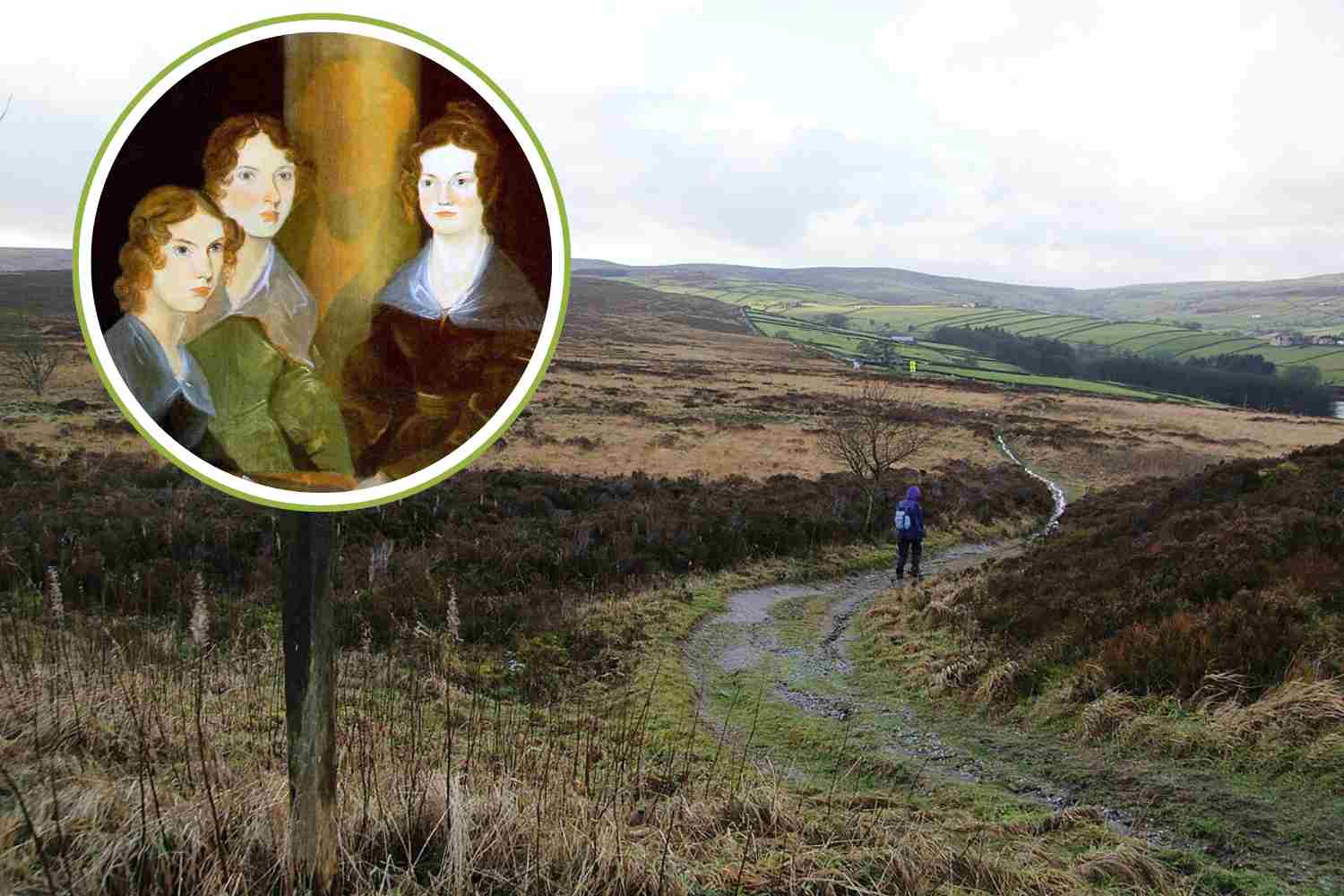
Among the hacksaws who inspired “Stormy peaks“And hilly paths ideally crossed by Jane Eyreone of the largest and most significant natural reserves of theEngland. The British government has in fact announced the creation of the Bradford Pennine Gatewaya new national natural reserve that extends for 1,274 hectares in the heart of West Yorkshire.
An imposing project that connects, like an ecological corridor, eight green areasamong which the landscapes of Penistone Hill stand out, just outside Haworth, the village where the Brontë family lived. But it is not just a tribute to literary memory: the true heart of the initiative is the protection of biodiversity and the promotion of collective well -being through responsible access to nature.
The decision, announced on May 13 by the British government, responds to a precise objective: to increase access to green spaces for urban populations, protect vulnerable habitats and contribute to the ecological restoration on a national scale.
The area is located in the Bradford district, one of the most densely populated cities and at the same time less equipped with Great Britain natural spaces.
An interconnected ecological network
According to Natural England, about 90% of the territory included in the reserve consists of priority habitats defined by the British government: Wooden, peat bogs and wetlands. These are essential ecosystems not only for biodiversity, but also for climate regulation, since they play a relevant role in carbon storage and water management.
The area houses different rare or decline species in the United Kingdom, including the common viper (Vipera Berus), The curlew (Numenius Arquata), recognized as a vulnerable species at European level, and the golden piviere (Pluvialis apricaria). These environments offer favorable conditions for the reproduction and nutrition of these animals, increasingly threatened by fragmentation of habitats and anthropic pressures.
Objective: urban accessibility and environmental protection
“To reverse the decline of nature, larger areas are needed, better connected and well managed,” he said Tony Juniperpresident of Natural England. Bradford Pennine Gateway is part of a national strategy that aims to create a network of interconnected natural spaces, capable of promoting ecological restoration and at the same time public access to nature, also in urban contexts.
The choice to intervene in Bradford is not accidental: about two thirds of the district are rural, but effective access to the green spaces by the population is limited, especially in the most densely inhabited areas. “This reserve will guarantee that natural landscapes are both protected and really usable,” he said Alex Ross-Shawresponsible for planning and transport of the City Council.
Contrasts with the urban planning policies under discussion
The creation of the reserve takes place in a delicate political context. The British government has recently been criticized for a bill regarding planning and infrastructures that would allow construction on green areas without the obligation to environmental compensation in the same geographical area. This would entail the concrete risk of net loss of green spaces in urban centerswith the possibility of creating “replacement natural areas” even in different counties.
In this scenario, Bradford Pennine Gateway places itself in clear contrast: not a compensation, but a concrete and protected extension of the national natural heritage, accessible to citizenship and based on scientific conservation criteria.
Next steps: education, management and monitoring
The project provides for a strong component of local involvement. Visits, educational activities and environmental awareness campaigns will be organized in collaboration with bodies, schools and civic groups. Natural England will work closely with the municipal council and other local realities to ensure that the management of the reserve responds to high environmental standards and that the benefits are distributed fairly.
The new reserve therefore represents a test bench for British environmental strategies: Scientific monitoring, urban accessibility and habitat protection They will be key elements to evaluate its effectiveness in the coming years.
