
If you think that paying taxes is already a weight in itself, wait to find out which incredible Balzelli are hiding among the folds of our tax system. Italy boasts an unprocesable record: that of having invented some of the most extravagant taxes in the world, many of which still survive today as wrecks of past eras. And the most incredible thing? You are probably paying you too without even knowing it.
The tax on the shade: when the air also costs
Does it seem absurd to you? Yet it really exists. If you have a shop with a awning that projects shadow on the public sidewalk, prepare to pay. It is called Tosap, a tax for the occupation of public land, and is applied even when your curtain is suspended in the air. The paradox is evident: paid for the shadow that falls to the ground, even if physically they are not occupying anything. The merchants know it well and every year they find themselves paying this tribute that seems to have come out of a Kafkian novel. The bureaucratic logic claims that the shadow prevents others from using that space, but try to explain it to the bartender who has to pay hundreds of euros a year for the privilege of offering a little shelter from the sun to its customers.
The tax on reclaimed swamps (which no longer exist)

This is a real gem of our tax system. He dates back to a Royal Decree of 1904, when Italy was still a monarchy and the swamps were a serious problem. More than 120 years later, citizens of some neighborhoods of Naples such as Poggioreale and Ponticelli continue to pay 17 euros per year for the reclamation of marshes which are now only a historical memory.
The height comes from San Giovanni Valdarno, a Tuscan municipality in the province of Arezzo where the reclamation committee still sends postal bulletins to the owners of properties. If you don’t pay? The tax collection folder arrives on time. It is like continuing to pay the fee for a fixed phone that you have thrown away twenty years ago.
The tax on the steps: the tribute to enter your own home
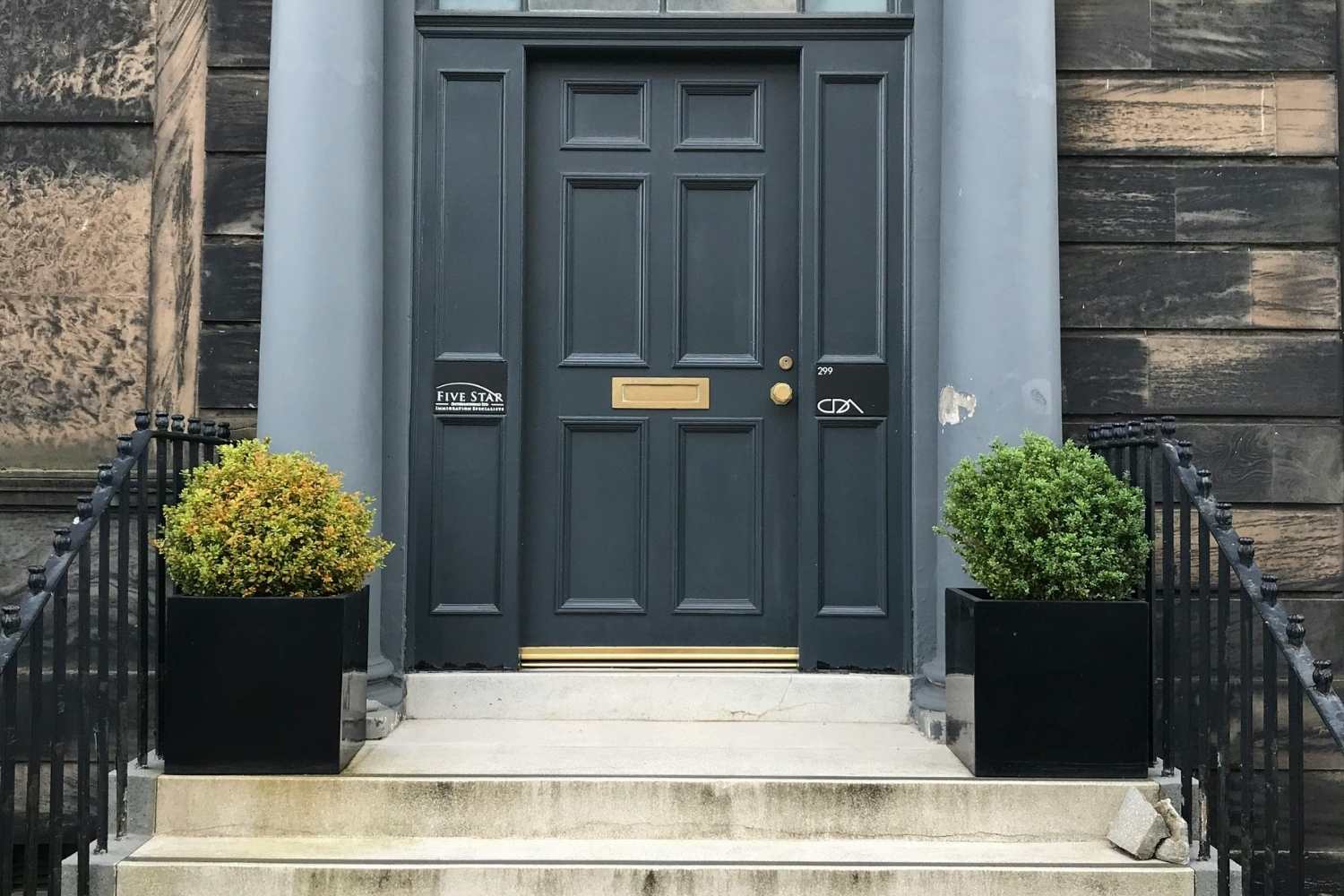
Do you have steps that lead from the road to your door? Congratulations, you are subject to taxation. The dear Tosap is always striking, this time, taxing the external stairs of private homes. It doesn’t matter that those steps have been there for decades or that they are indispensable to enter the house: they occupy public land and therefore you pay.
Fortunately, not all municipalities apply this gabelle, even if in the places where it is still collected, inevitably ends up generating a sea of controversy and misunderstandings. Imagine having to explain to a foreign tourist who pays a tax in Italy to have the stairs in front of the house.
The Rai fee: the tax hidden in the bill
Calling it canon is almost an understatement: it is a real tax on the possession of television and radio devices that has been taken directly from the electric bill since 2016. Tax genius is to transform the electrical companies into involuntary debt collectors. The result? It has become practically impossible to escape it, unless you declare that you don’t own any TV (and good luck to prove it).
At the price of 90 euros per year, the Rai fee remains one of the most discussed and poorly digested taxes by the Italians, which are automatically charged the tribute even if they may only look at Netflix.
The excise duties on fuels: a museum of Italian history
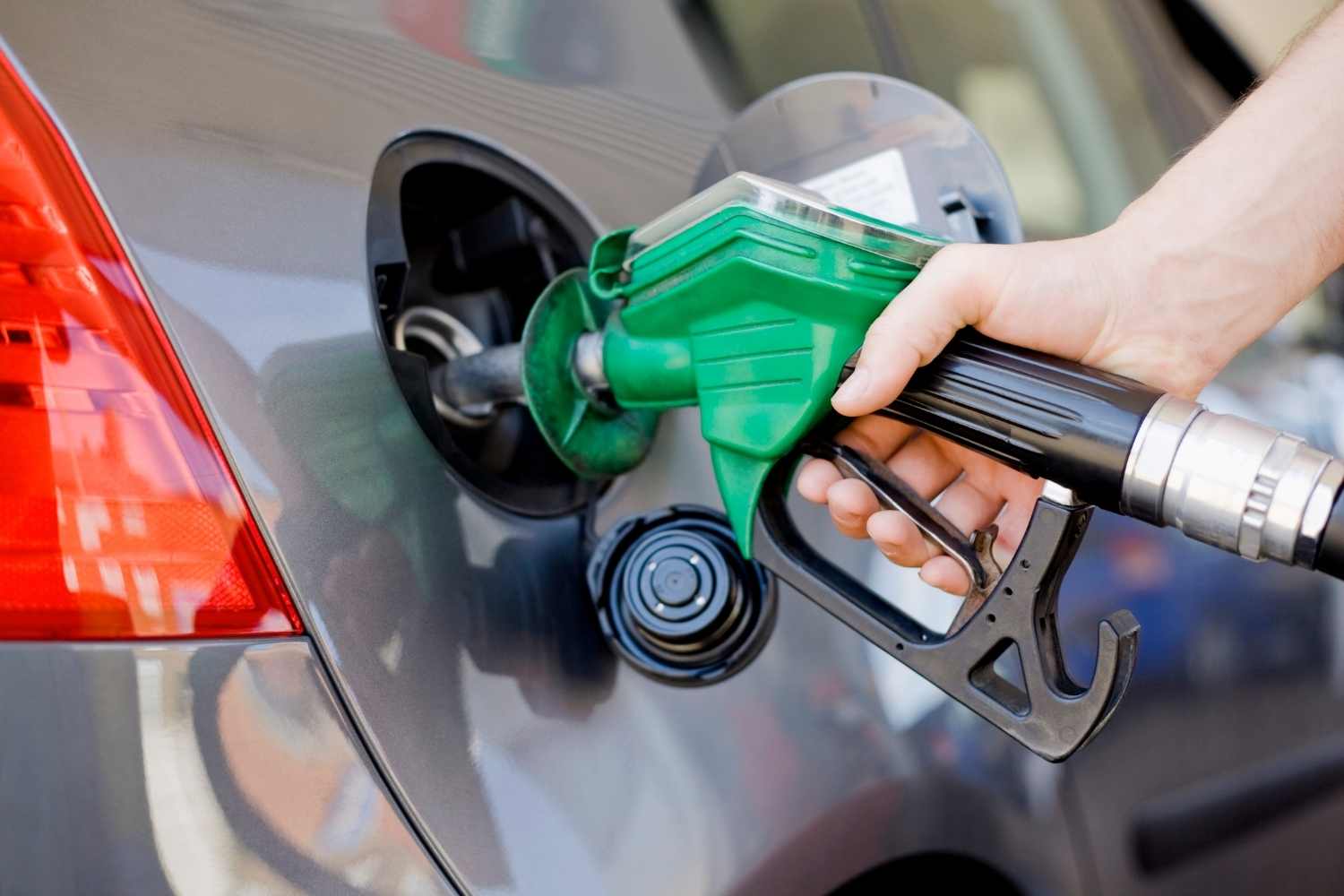
Here we enter the reign of absolute absurd. Since 1995 the excise duty on fuel has in fact defined unitaryly and the revenue that derives from it does not finance the state budget in specific activities, but as a whole. Yet, in the collective imagination, we continue to pay for emergencies of the last century. The total of the aforementioned increases in the excise duty, established first by the Kingdom of Italy and then by the Italian Republic, amounts to about 0.41 euros (0.50 euros including VAT).
Every time you make petrol, you are paying a tribute that includes increases introduced to finance wars, earthquakes and floods of decades ago, all merged into a single voice that today weighs for about 60% on the final price of petrol.
Extra: the car stamp and the feared superbollo
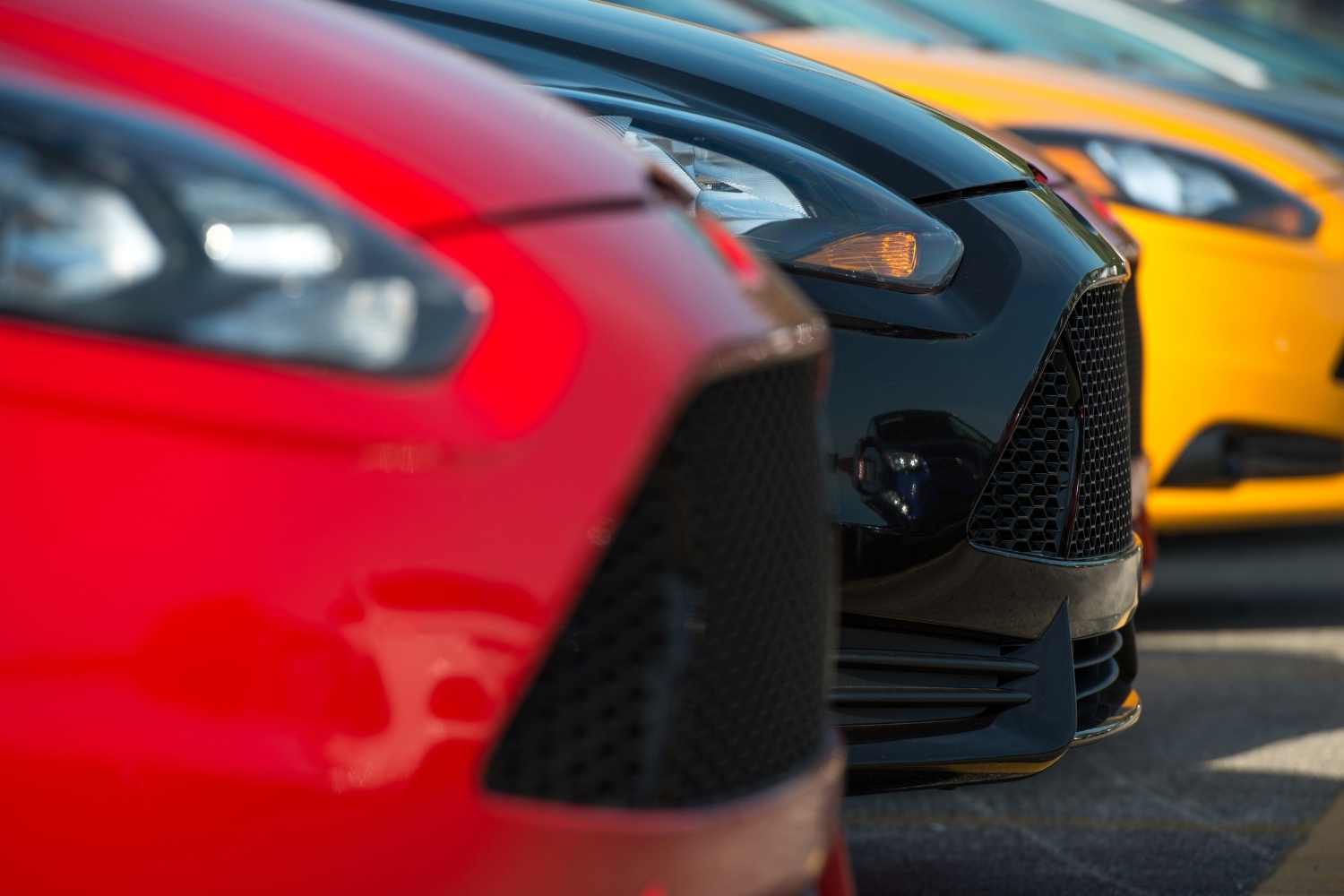
As if that were not enough, those who own a car in Italy must deal with the stamp duty, a tax on possession of the vehicle you pay even if the car remains stopped in the garage all year round. Although the real coup de grace remains the superbollo: for the 2012 “superbollo”, and subsequent years, the payment must be made within the same terms provided for the payment of the automotive tax (car tax). The amount to be paid is equal to 20 euros for each kW of power that exceeds 185 kW. A sting that affects those who own luxury or sporty cars, as if having a nice car was in itself a sin to be expanded fiscally.
The next time you fill out the tax return or pay one of these taxes, remember that you are helping to keep a tax system alive that has transformed the art of taxation into a form of surreal creativity. And while the rest of Europe looks for us perplexed – net of the problem of tax evasion, present but often tackled in an ambiguous way – we stood stoically to pay for shadows, non -existent swamps and steps of the house. Because basically, this is Italy: a country where the absurdity also becomes a tax normal.
Don’t you want to lose our news?
