
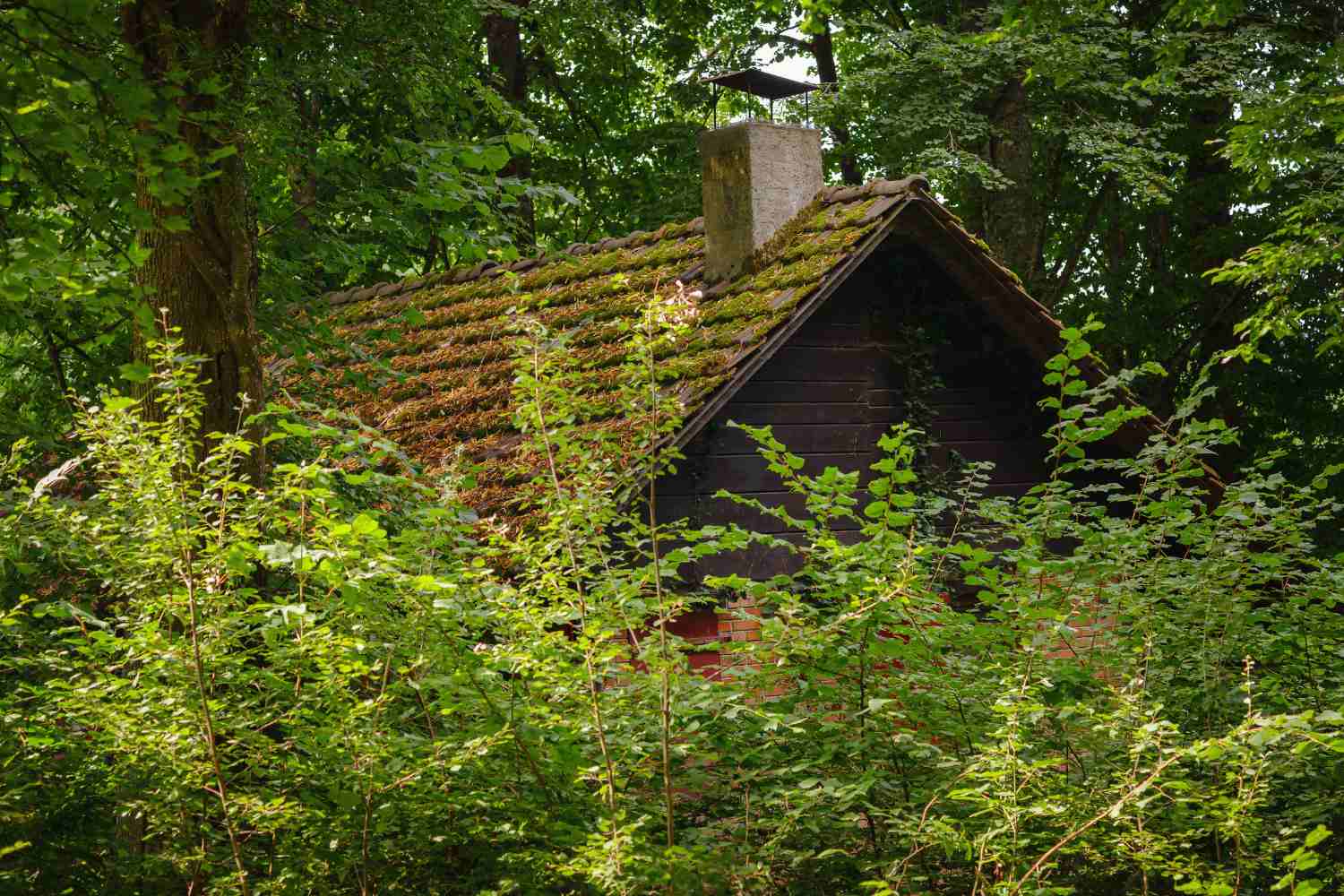
They define themselves as neo-rural and live in the woods. It is not just the Trevallion-Birminghams, whose way of life – and the judges’ decision – has caused so much outcry in recent days, but many other families, all united by the sole purpose of reconnecting with nature and not making compromises dictated by society.
In fact, not everyone has realized it, but many internal Italian areas have experienced and are experiencing a real transformation, crossed by phenomena of agricultural reconversion, rural activities and sustainable environmental projects which, at least potentially, are a way to remain in an (otherwise abandoned) territory.
A real phenomenon, the subject of numerous studies, which acquires particular relevance especially when the settlements are led by young people who want to enhance the natural heritage, in a context historically marked by young people who – rather – choose to leave.
They are the neo-rurals, therefore, but what does this mean specifically? And why did the case of the little family in Abruzzo hit the headlines?
The Trevallion-Birmingham case
Catherine Birmingham And Nathan Trevallionan Anglo-Australian couple with three children, had chosen to live in the woods of Abruzzo, far from modernity. Their “off-grid” life included a house in the woods, without electricity and with natural resources such as water from a well, in contrast to urban life and consumption. Their choice, fueled by environmentalist and anti-consumerist ideals, however put them at the center of a controversy when, after mushroom poisoning, the authorities took their children into their care.
In recent days, the Juvenile Court of L’Aquila decided to remove the children from the family, suspending the parental responsibility of the two parents and placing them in a family home (the children are with the mother who can see them for a few minutes a day).
The decision was made after social services had documented serious deficiencies, such as the lack of indoor sanitation in the home, the absence of a fixed income of the parents, the social isolation of the children and the refusal to subject them to mandatory medical examinations.
Despite the support of the Municipality, which had offered a safer home, the family refused to move, motivating their choice with a lack of interest in electricity and chemically treated water. Nathan and Catherine have defended their lifestyle as a return to nature, rejecting traditional schooling in favor of parental education and so-calledunschooling“, an alternative educational philosophy. For them, raising children in nature, far from traditional social and scholastic structures, is the path to a healthier and freer life.
The Court, however, considered that the rights of minors prevailed over the parents’ desire to experience a radically alternative existence, considering that social isolation and the absence of formal education put the children’s well-being at risk. Now, Nathan promises to make changes to the house to make it safer and up to standards, but the family’s future remains uncertain.
The neo-rurals, the radical choice to live outside of modernity
As we said, Catherine Birmingham and Nathan Trevallion are not the only ones. Here, in the heart of southern Abruzzo, there is a small community of neo-rural people who have chosen to abandon the circuits of modernity and live self-sufficiently. About thirty families who have embraced the Trevallion life philosophy, according to a choice dictated by a profound belief that self-sufficiency in all its forms – energetic, agricultural, educational and even spiritual – represents the only way to live in harmony with nature and without depending on the structures of the consumerist society.
The neo-rurals consider themselves companions in a project that requires dedication and continuous commitment. Life far from the comforts of modernity is anything but simple: every aspect of their existence is taken care of with attention and competence. To survive in this context, you need to acquire a wide range of knowledge and skills, from permaculture to organic farming, from gardening to animal husbandry, from beekeeping to harvesting wild plants, to food preservation and water management. The maintenance of natural style homes, the construction of raw earth houses and the autonomous management of daily needs without the help of external technicians are part of the daily life of this community.
The case of the Trevallion-Birmingham family has led this community to expose itself publicly, like never before. The neo-rural people who gravitate around the family have rallied around it, demonstrating solidarity and support. They don’t try to escape the outside world, but they do it discreetly and silently, living in their own little parallel world. Now, however, with the media case that has put the spotlight on their existence, they find themselves having to defend the right to live as they have chosen.
For many it is not just a battle for the family, but for an alternative vision of life, where self-sufficiency, connection with nature and freedom from social conventions represent the central values. A vision that not everyone can share, since – it is inevitable – it can raise questions about the sustainability and long-term well-being of children themselves. While on the one hand it may seem like an act of freedom, on the other many fear the absence of formal education could compromise the social and psychological development of children. Furthermore, living without basic services and a support network can be difficult and risky, testing a family’s adaptive skills and security, especially in a rapidly evolving world.
What do you think?
