
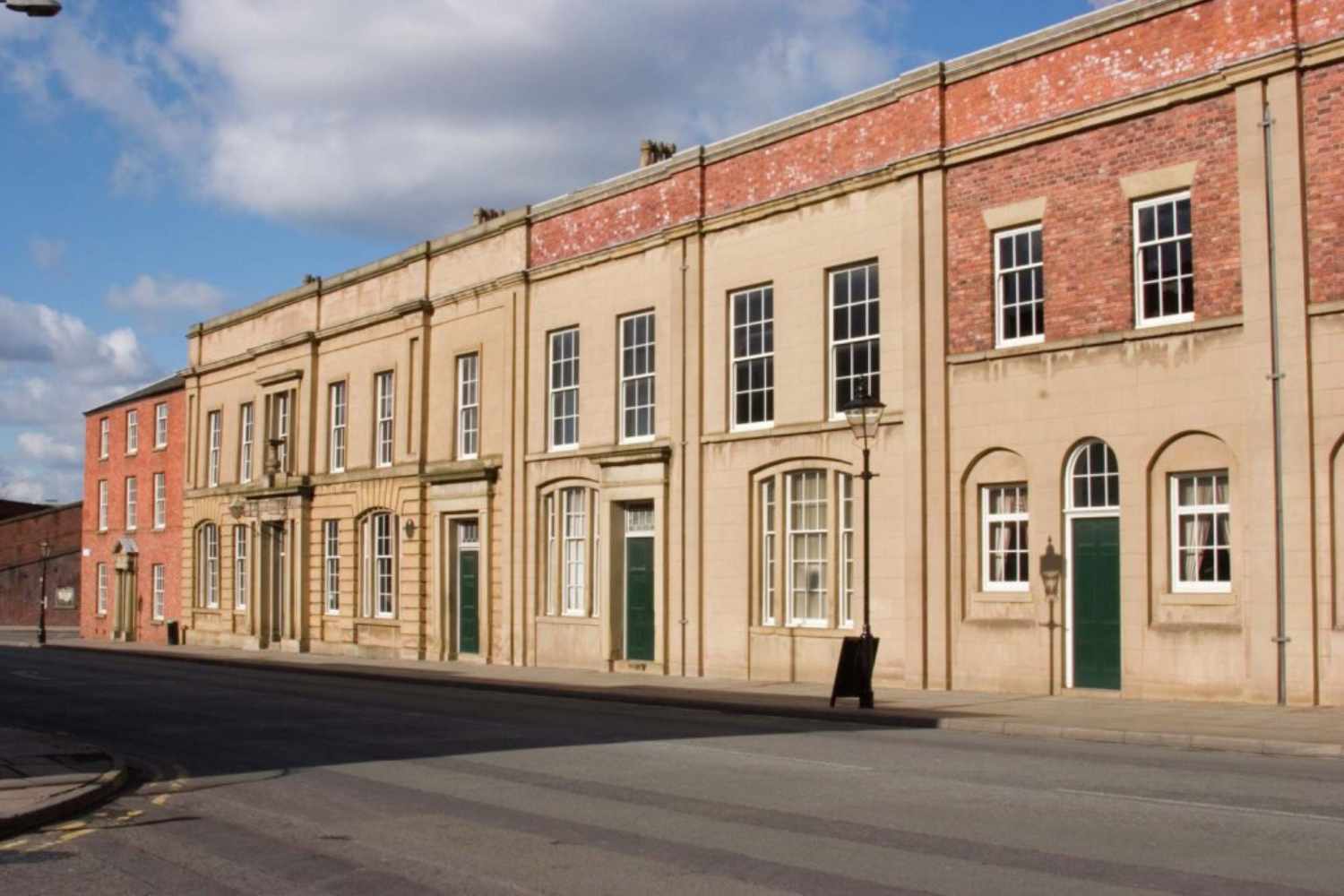
Great Britain boasts a consolidated relationship with the railways that has its roots in centuries of history, therefore it is not at all surprising that the oldest railway station in the world is still standing and is located right on British soil.
Liverpool Road: pioneer of rail transport
Located in the city of Manchester, Liverpool Road station was built almost two centuries ago, precisely in 1830. An integral part of the historic Liverpool-Manchester railway line, as mentioned the first railway line in the world, Liverpool Road Station took on an incredibly central role, so much so that it represented a real revolution for travel and mobility in the area. It was the first interurban steam railway line on the planet, created to connect Liverpool with Manchester during the period of the industrial revolution.
A completely new pace of life
Built in 1830, the structure constitutes, we reiterate for the umpteenth time, the oldest existing passenger station in the world. The opening ushered in an era characterized by much faster pace, and the station immediately experienced truly incessant activity, with around 2,500 travelers passing through the entrances every day. The railway allowed people, mail and goods to move between Manchester and Liverpool with unprecedented speed: just 1 hour and 46 minutes, compared to 3 hours by stagecoach and 12 hours by river navigation.
From closure to transformation
In truth the station operated as a passenger stop for only 14 years before ceasing service in 1844, following the opening of nearby Manchester Victoria station. The structure then continued its activity as a goods warehouse until 1975, the year in which it closed definitively before being subsequently restored.
From the monument to the museum
Now recognized as a Grade I monument, the station has become part of the Science and Industry Museum.
View this post on Instagram
The complex included a brick viaduct, canal-style warehouses and one of the first modern girder bridges, which allowed trains to pass over Water Street in the heart of Manchester. Any curiosities? Travelers reached the station in horse-drawn carriages, while first and second class passengers had to buy tickets in separate halls. The luggage was then hoisted onto the roof of the carriage, before the passengers could take their seats, at the call of a bell, still visible in the station building (and in the photo below).
The era of freight and beyond
As previously mentioned, passenger service at the station ended with the opening of nearby Victoria in 1844 and subsequently, from 1923 to 1948, the facility operated as a goods yard. After the nationalization of British Railways in 1948, British Railways took control until the plant closed almost thirty years later.
