
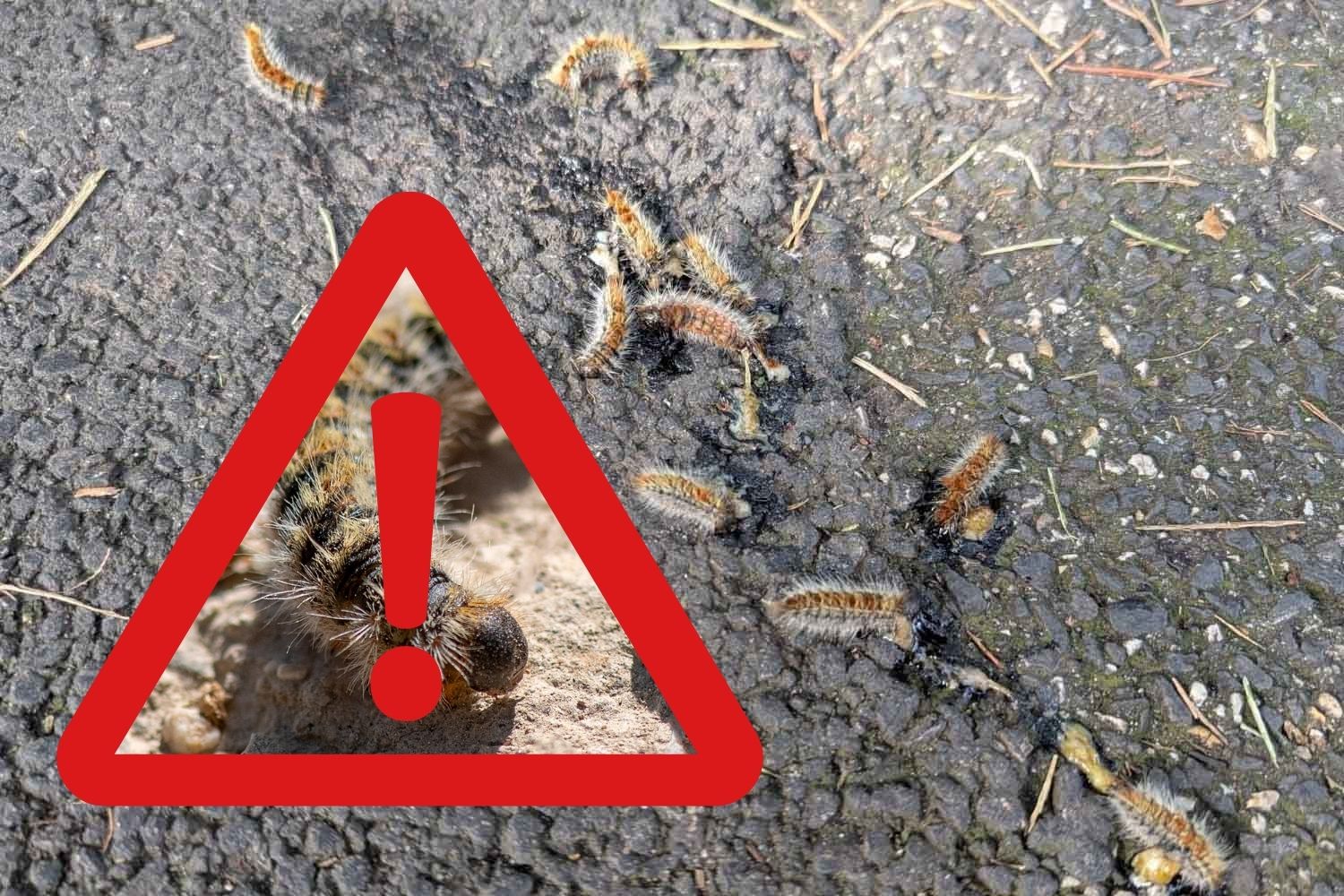
Spring hasn’t even arrived, yet a particularly annoying “inconvenience” has already started to appear: the larvae of Thaumetopoea pityocampathe dreaded pine processionary chenillas are descending from their nests much earlier than usual. Generally, their movement towards the ground – in an orderly row, hence the name “processionaries” – began between the end of February and March, but for a few years now, with the increase in temperatures, these stinging caterpillars have already abandoned their nests in January, especially in the case of mild winters.
Traumatocampa pityocampa can prove fatal especially for our pets, a danger that can lurk anywhere and hide in gardens, woods, schoolyards and along walking paths, often closer to us than we might imagine.
Winter now marks the beginning of risk
The descent of the processionaries does not coincide with the arrival of the summer, because it is triggered at the end of larval development, typically between January and March. The caterpillars leave their nests to burrow into the soil, advancing in single file with millimeter precision.
January represents the critical moment because no one expects their presence: dogs left free, curious children, unaware gardeners unknowingly expose themselves to the stinging hairs of these insects.
The role of climate
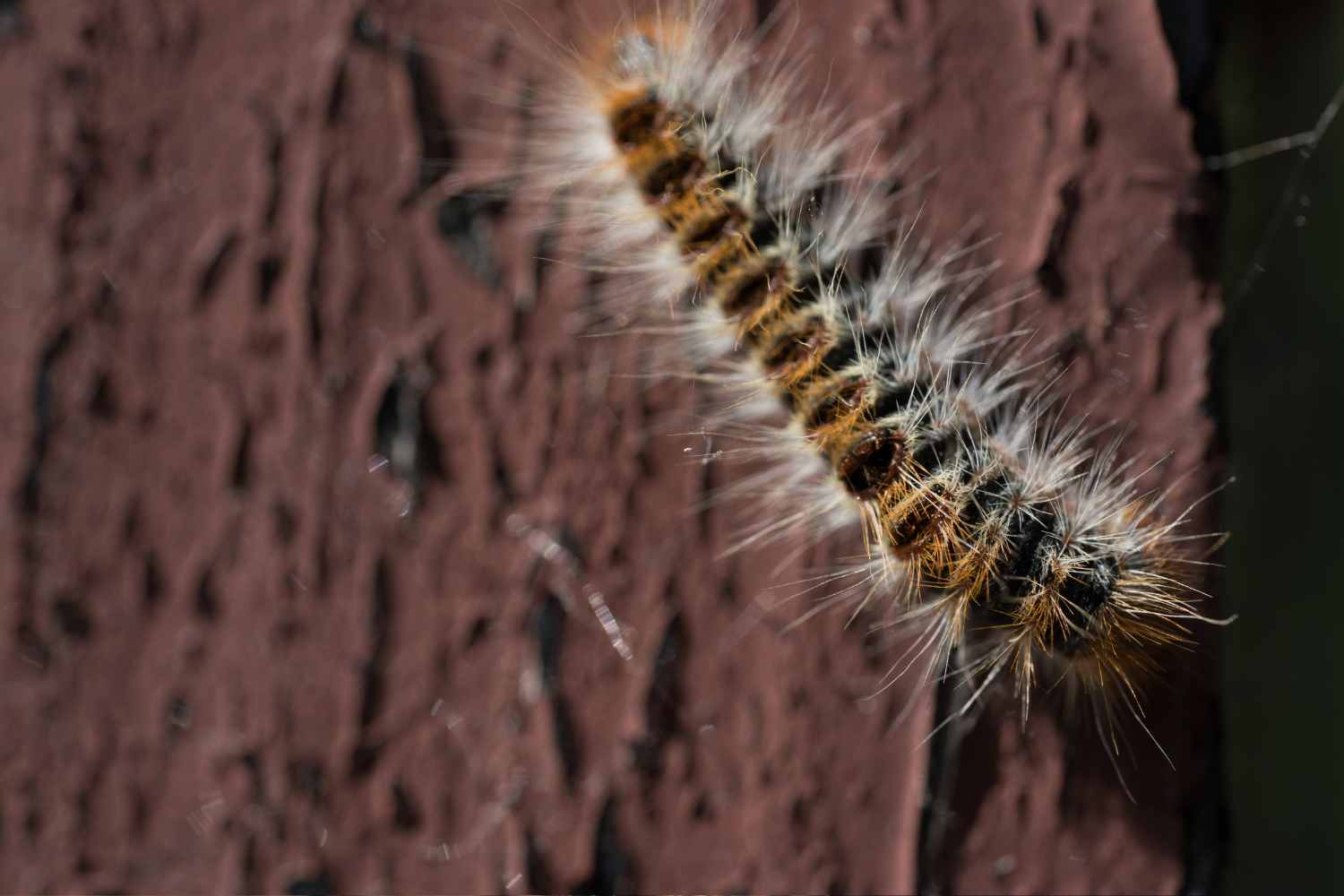
The main cause of this advance? It now seems clear that rising temperatures, especially in winter, are changing the biology of these insects. Chenillae develop larvae in their nests even during the cold months, and higher temperatures accelerate their development and survival — allowing them to move earlier and expand further north than in the past.
It’s not theory: in recent decades these processionaries have gone beyond their traditional Mediterranean area, reaching areas previously considered “too cold”. On a practical level, what until a few years ago was a problem especially for Mediterranean forest areas is now becoming a risk for walks, gardens, tree-lined urban areas and domestic animals even further north. By anticipating their activity, the possibilities of accidental contact also increase, precisely in the months in which we are generally not yet ready to recognize them or take precautions.
The first rule is to avoid direct contact: even a simple brush of wind can disperse irritating hairs into the air.
A real threat to health and animals
The pine processionary moth poses a real danger to humans and animals. All it takes is passing near a nest to come into contact with the microscopic hairs, carried by the wind and containing a powerful toxin, thaumetopoein, a substance that causes skin irritation, respiratory problems and eye damage.
In dogs it can cause very serious, potentially lethal injuries. The risk does not only derive from direct contact with the caterpillars: the stinging hairs are deposited on the lawn, on the laundry hung outdoors and on garden tools, therefore, in the event of a possible infestation, great attention must be paid.
The Italian legislation for control
The Ministerial Decree of 17 April 1998 establishes precise provisions for the mandatory fight against the pine processionary moth throughout the national territory. Italian legislation identifies the Traumatocampa pityocampa as a harmful organism and provides for specific intervention obligations.
For example, owners of public and private areas where host plants grow must compulsorily combat the problem, and the competent authorities can order eradication interventions and apply sanctions in case of non-compliance. The decree also establishes the most effective periods and methods of intervention to limit the spread of the infestation.
The essential rules of prevention
Some simple rules of behavior help to avoid serious consequences:
Effective traps against the processionary moth
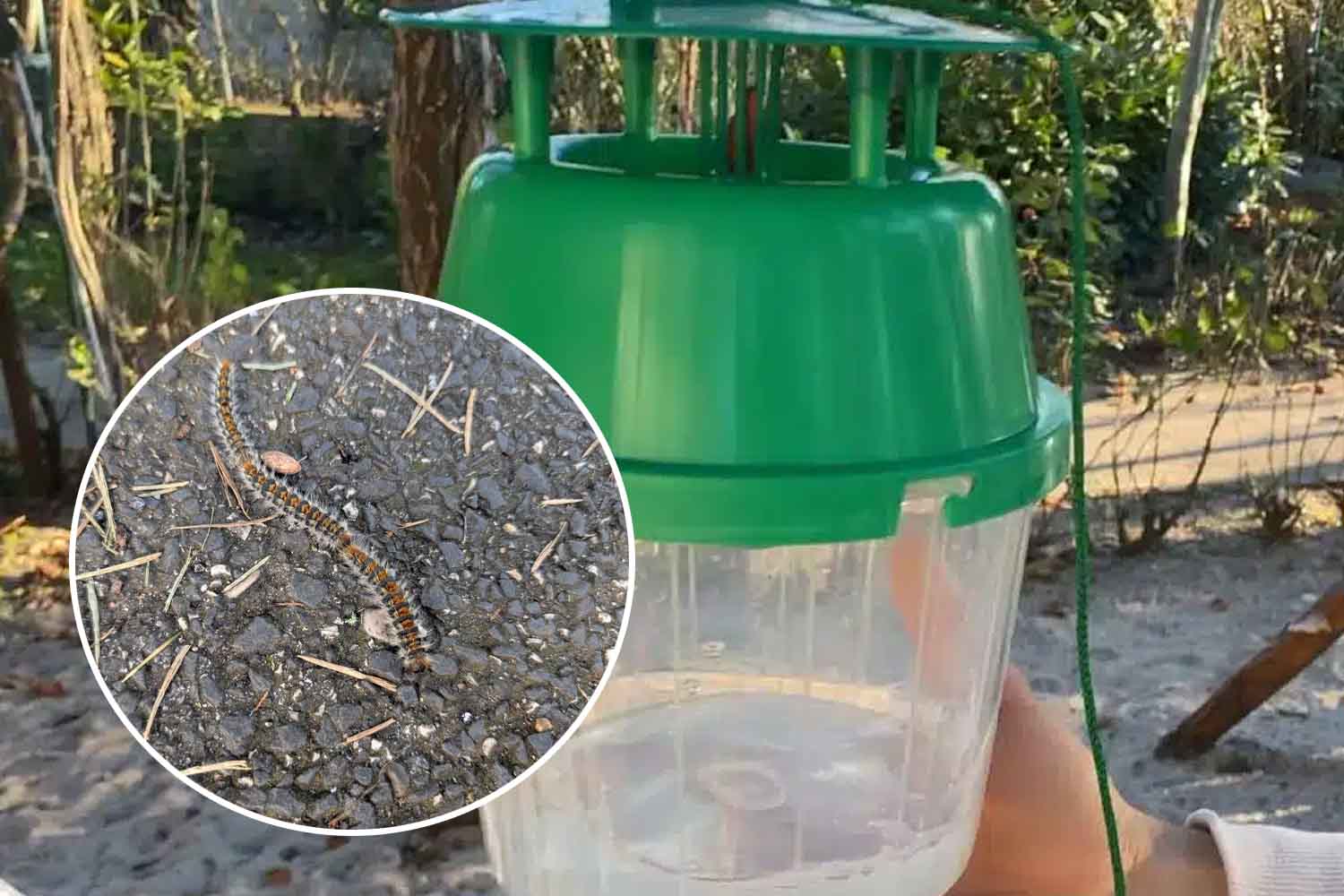
There are concrete solutions to limit the proliferation of these insects. The traps placed around the trunks before the caterpillars descend prove to be particularly effective and the method is also accessible to those who manage their garden independently. Prevention represents the best defense, especially considering that January marks the beginning of the processions: on the market you will find different types of specific traps, the important thing is to act before the caterpillars come down from the trees.
If you spot a nest in a public space, report it immediately to the municipality, because the administrations have the obligation to proceed with its removal as established by national legislation.
