
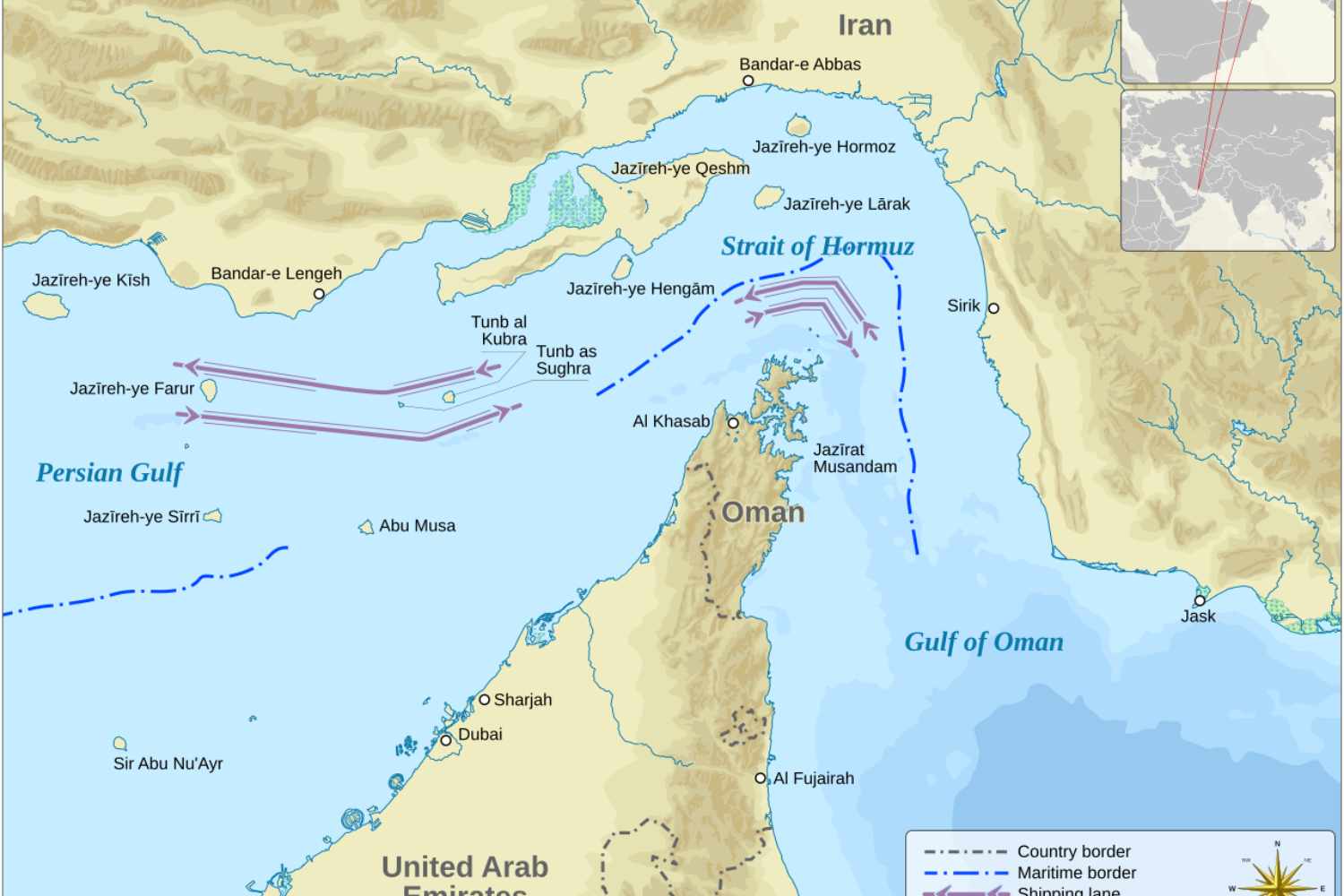
Since February 28 – the day of the US-Israeli attacks on Iran – the Strait of Hormuz has been effectively paralysed. Traffic fell by 81% compared to levels at the beginning of the year: from 10.3 million gross tons per day to around one million. On March 2, the Pasdaran officially confirmed the closure, threatening to strike any ship in transit.
On March 6, Tehran announced a partial reopening. The conditions, however, make the announcement almost devoid of practical effects, given that ships linked to the United States and Israel remain excluded, while the markets have not moved. Insurance companies maintain a block on “war risk” coverage, and without insurance no shipowner ventures into the corridor. Real traffic remains at 1% of normal.
View this post on Instagram
The Iranian logic is political before being military: Tehran claims strategic control of the strait, distinguishes between “enemy” countries and others, and tries to ease international diplomatic pressure. On the field, however, it is worth little. Hapag-Lloyd has suspended all transits indefinitely since March 1. Qatar has halted all LNG production and declared force majeure on contracts — a move that affects about 20% of the world’s liquefied gas supply.
The countries most exposed to the blockade are those that depend on Gulf supplies without land-based alternatives: Japan and South Korea import around 70-95% of their crude oil through Hormuz. Europe is especially affected by the blockade on Qatari LNG. China, which buys more than 50% of its oil from the Gulf area, is among the most vulnerable — even if its cargoes appear to pass through without being attacked, at least for now.
The latest updates
The most recent update arrives this morning, March 9: according to Bloomberg, the Shenlong oil tanker, managed by the Greek company Dynacom Tankers Management, crossed the strait with a load of around one million barrels of Saudi crude oil, among the very first large tankers to do so since traffic in the Strait of Hormuz effectively stopped.
The vessel had turned off its AIS transponder on March 4 in the Persian Gulf and reappeared off India on Monday morning. A minimal sign, but the first concrete one for several days.
