

When we think of the monuments of prehistory we cannot help but travel with the mind towards the green English landscapes, places where we place those extraordinary megalithic constructions that are i Dolmenand in particular the Stonehenge site. From here, from the prehistoric site par excellence, our story begins: we will talk about the megalites, the Dolmen and a place, in Pugliawhich will project us directly into the Bronze Age.
Notes on Stonehenge
Stonehenge is found in Wiltshire county8 km from the town of Salisbury, England, and it is certainly the most famous prehistoric site in the world – UNESCO heritage since 1986 – wrapped in a halo of mystery that still continues to fascinate scholars, researchers and tourists today.
Composed of huge blocks of stone, the megalites, arranged in concentric circles – which give life to the so -called Cromlechliterally “stone circle” – and surmounted by huge horizontal arches (Stonehenge is one of the oldest Trillic systems of the world, precisely a structure made up of two vertical blocks, called pdaders, and a third arranged above horizontally, called architrave).
The site dates back to about 5000 years ago – built between 3100 and 1600 BC – and it is believed to be used as place of worship, astronomical observatory and ceremonial center. The position and alignment with the solstices fueled numerous theories on the astronomical knowledge of the Neolithic populations that built it, which owned a profound connection with the cycles of nature and the cosmos.
What are the dolmen?
THE Dolmen (from the Breton “Pietra”) are some Prehistoric megalithic tombs used for the burial of the privileged members of the company, whose construction is included Between the end of the fifth millennium and the end of the second millennium BC
The structure of the Dolmen is unmistakable and is made up of two or more vertical peddors that support one or more horizontal slabs. In ancient times they were covered, supported and protected by a mound, that is, a hill formed by stones and earth.
Dolmen often have access corridors, dromos, consisting of stone or dry masonry slabs, and an entrance to one or more vertical slabs.
Megalites in Italy
As mentioned at the opening, the megalithic finds are so connected to the history of Great Britain that they seem to us something far and unattainable. In reality it is possible to find equally suggestive places in Mediterranean Europe, including Italy!
Megalithic culture has in fact spread from Atlantic Europe to the banks of the Mediterranean. Among the most interesting finds we remember those of the Region Pugliaparticularly in the‘Murge area between Bisceglie and Coratowhich can be discovered thanks to a fascinating path in the midst of campaigns and olive groves that lie down aside by drawing ordered lines and geometries.
The Apulian dolmen
And here we are finally telling about the megalithic structures of Puglia, a place of extraordinary beauty that once again underlines the variety and richness of the historical cultural heritage of the Bel Paese.
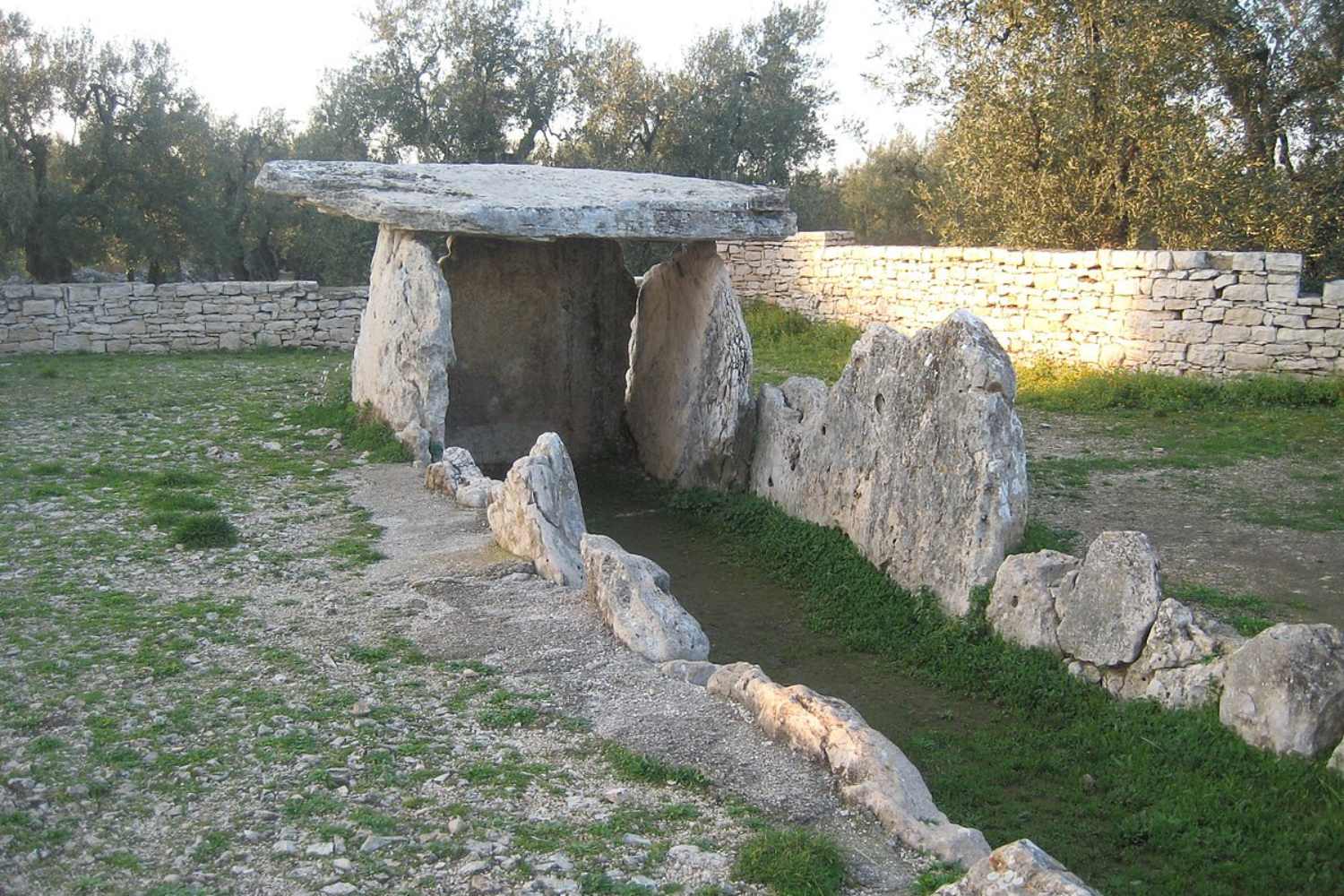
Crossing the dirt roads among the cultivated fields of the Bisceglie area, you meet the most important Dolmen: we are talking about the imposing Dolmen of Chiancawhich is considered one of the largest ancient monuments in Italy and inside which finds have been found dating back to 1200-1000 BC
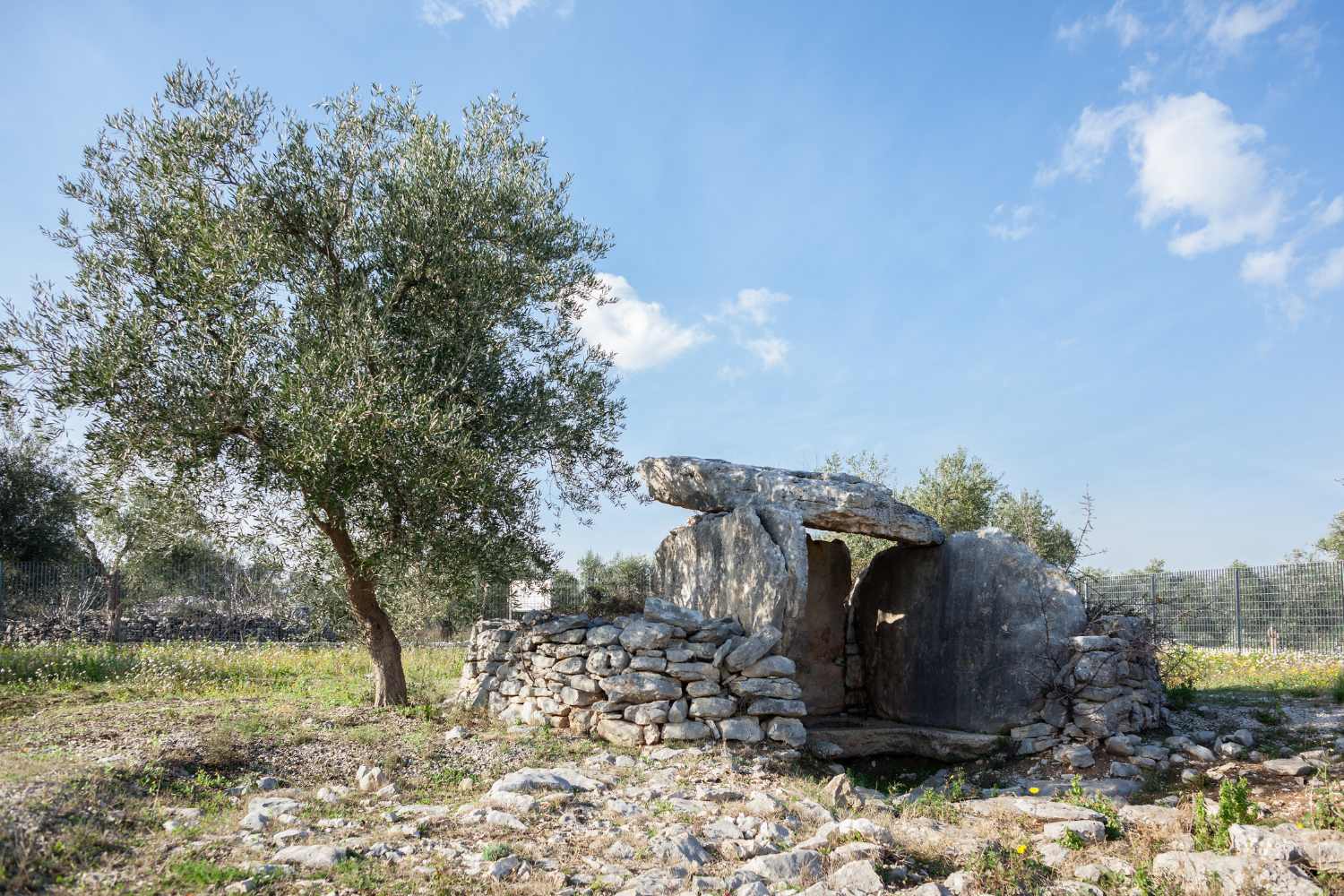
Another noteworthy site, reachable through roads from which you can admire the traditional Apulian trulli, is the Dolmen of the paladins. A monument that dates back to the second half of the second millennium BC and was used by clans that then dominated the center-south of Puglia.
The sepulchral chamber is aimed at east, where the sun rises, as a symbol of rebirth. Originally cell and corridor were covered by a mound. The Dolmen was called “of the paladins” because it was believed that it had been erected by the giants, the paladins precisely.
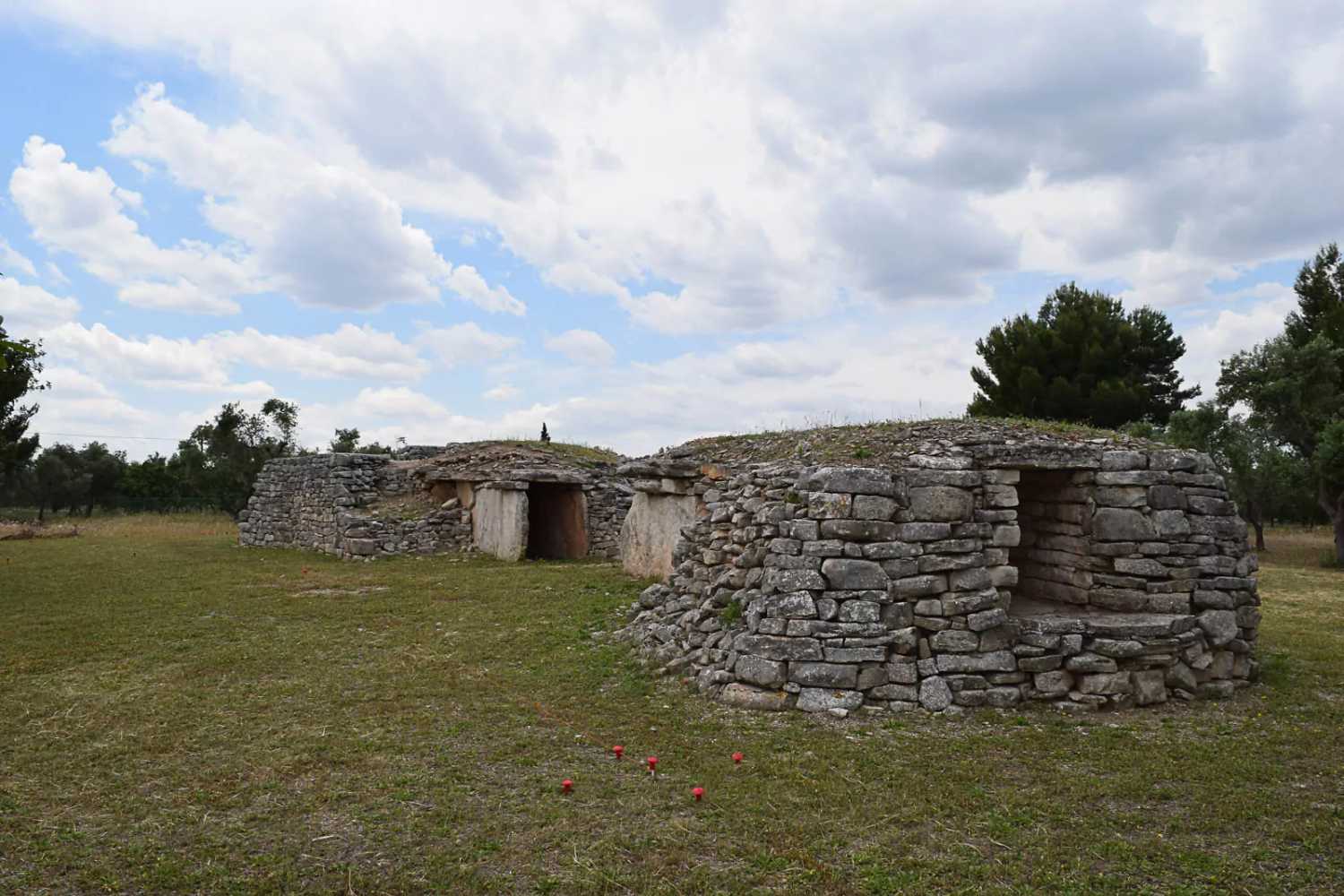
Last and extraordinary stage of the Apulian Stonehenge is the Dolmen of San Silvestro. Construction is a funeral monument dating back to the Bronze Age about 3500 years ago. It stands on one of the flat terraces of the Bari coastal Murgia, diguinted towards the coast, immersed in a forest of olive trees and carobins in a green area of 9,000 square meters.
For the dimensions and as it is particularly well preserved in its overall architecture, the tomb still retains the long gallery that leads to the various rooms, is the most representative of the genre of the tomb in Gallery, well attested by other examples in the Bari area.
Happy holidays!
