
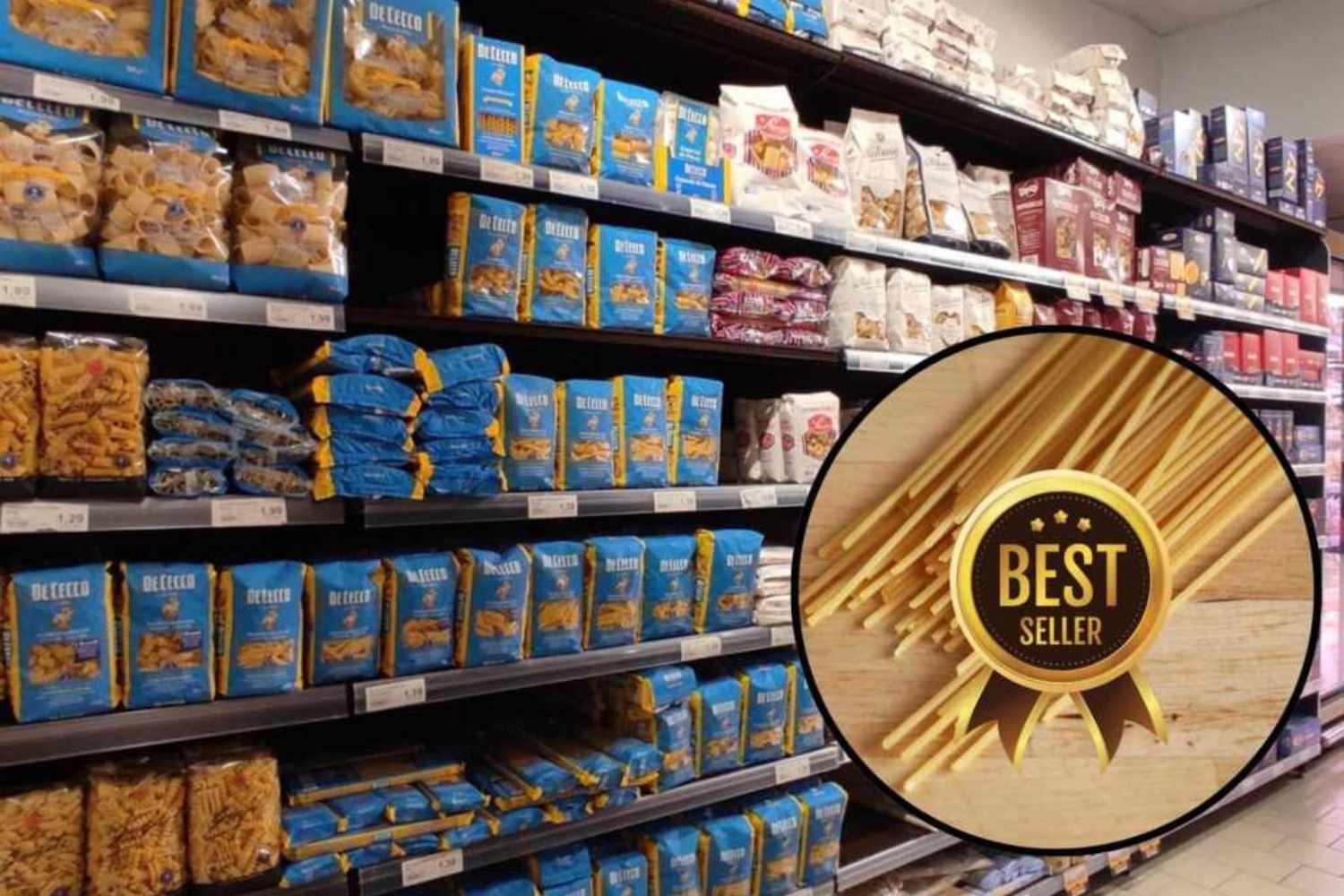
Pasta is a heritage of Italian gastronomic culture, a food that we put on our tables every day and which deserves the utmost attention in terms of quality and safety. To help consumers orient themselves among the numerous offers on the market, Altroconsumo conducted an analysis on 20 brands of spaghetti available in the main large-scale retail channels (supermarkets but also discount stores), evaluating not only their organoleptic characteristics but also their food safety.
The investigation examined exclusively spaghetti obtained from durum wheat semolina, subjecting them to rigorous laboratory checks and approval tests by consumers.
The results of the spaghetti test
One of the most encouraging aspects that emerged from the analysis concerns the presence of mycotoxins, toxic substances naturally produced by some molds that can develop during the cultivation, harvesting or conservation of grain.
In particular, the levels of DON (deoxynivalenol), the most common mycotoxin in cereal products, were drastically reduced compared to previous findings on similar pasta shapes. The average concentration went from 59 to 32 µg/kg, a halving that represents significant progress for health protection, especially for the little ones who are more vulnerable to cumulative exposure of this substance through different foods.
Only three products among those analyzed showed DON values which, while largely respecting the limits set by current legislation, were considered penalizing according to the particularly severe criteria adopted in the test, which take into account the consumer’s overall exposure to these substances through the entire diet.
The laboratory analyzes returned an overall positive picture also in terms of chemical contaminants. All the samples respected the weight indications declared on the label and were found to be free of soft wheat flour, the use of which is prohibited by Italian legislation in the production of dry pasta made from durum wheat semolina. The protein content was between 13% and 15%, a range that favors the formation of the protein network during cooking, ensuring better stability and overall quality of the product.
As regards pesticide residues, the majority of the samples were completely free of them. Glyphosate has been identified in only one product in extremely low quantities and without risk to human health. In three samples the presence of piperonyl butoxide, an adjuvant used in some phytosanitary treatments, was detected in negligible concentrations.
Even the filth test, which checks for the presence of impurities attributable to contamination by rodents, insects or other animals, gave favorable results, reporting only minimal traces of foreign materials.
In addition to the technical checks, the spaghetti was subjected to a sensorial evaluation by a jury of ordinary consumers, who expressed their satisfaction on various parameters: visual appearance of the raw and cooked pasta, aroma, chewing consistency and flavour. The results were encouraging: half of the products obtained very positive ratings, while the remaining part still remained at acceptable levels. The differences between the various samples emerged on all aspects analyzed, demonstrating how the organoleptic quality can vary significantly even within an apparently standardized format.
The ranking of spaghetti
All we have to do is reveal the complete ranking of spaghetti tested by Altroconsumo.
Excellent quality (score 82-77):
Good quality (score 73-68):
Average quality (score 61-56):
How the test was conducted
The 20 spaghetti samples were purchased from supermarkets, hypermarkets and discount stores in September 2025 and subsequently subjected to laboratory analysis in October. The brands were selected based on their presence and relevance in the Italian market, through a survey conducted in 1,200 large-scale retail outlets in 67 cities.
The laboratory checks covered multiple aspects: conformity of the declared net weight, absence of soft wheat flours (prohibited by law in dry pasta), protein content, presence of solid impurities, search for mycotoxins (aflatoxins, DON and ochratoxin A) and analysis of over 500 substances including pesticides and plant protection residues, with particular attention to glyphosate.
For mycotoxins, particularly rigorous evaluation criteria have been adopted, stricter than the legal limits, considering the accumulation effect and the overall exposure of the consumer through the entire diet, with particular attention to children who represent the most vulnerable group.
The taste test was carried out in a professional kitchen with the collaboration of a chef, who prepared the spaghetti following the cooking times indicated on the packages and seasoning them with tomato sauce. A consumer jury then anonymously evaluated (without knowing the brands) the visual appearance, scent, chewing consistency and flavor of each sample.
The overall rating was determined by attributing a weight of 10% to the evaluation of the labels and packaging, 40% to the laboratory analyzes and 40% to the taste test. Products that presented significant levels of ochratoxin A or DON were automatically penalized in the final score, even if they were excellent in the other parameters evaluated.
