
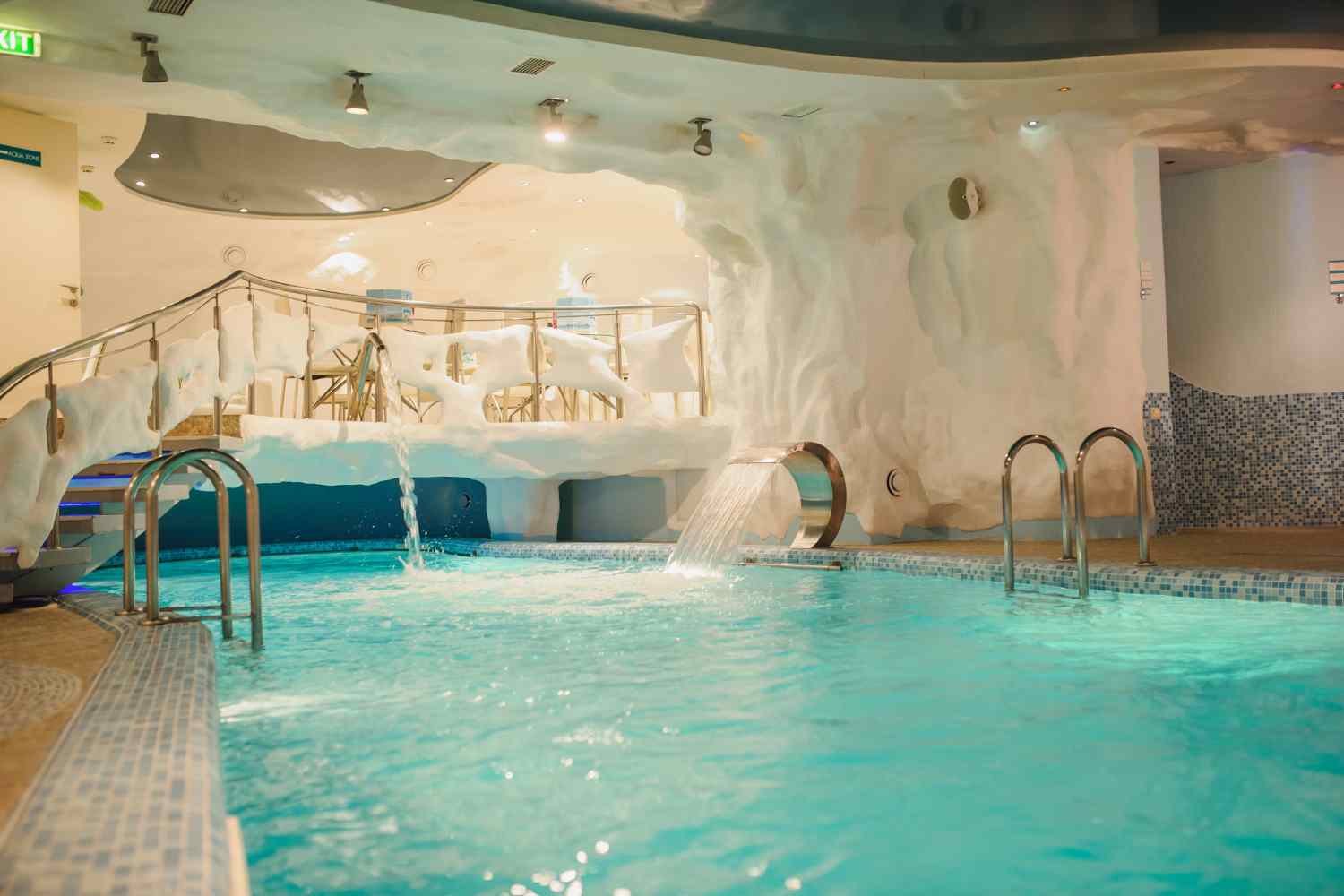
In recent years, spa tourism has experienced a new spring. More and more travelers are choosing destinations not only for the artistic or landscape heritage, but for the possibility of taking care of themselves, slowing down and dedicating time to their well-being. Spas, thermal pools, sensory journeys and regenerating treatments have become central elements of the travel experience.
However, there is a cliché that dies hard: that according to which a day at the spa is necessarily expensive. In reality, in various areas of Europe it is possible to immerse yourself in natural warm waters, take advantage of historic structures and indulge in relaxing treatments for surprisingly little money. From the capitals of the East to the Alpine valleys, well-being can be democratic, accessible and even sustainable.
The spas of Eastern Europe
Many of the continent’s cheapest spas are found in central-eastern Europe, where the spa tradition is not a modern luxury but a tradition rooted for centuries. Here well-being is part of daily life and prices remain accessible even for visitors.
An emblematic example is Karlovy Vary, an elegant spa city in the Czech Republic included among the UNESCO heritage sites. Its mineral waters have been used for over two centuries and daily entry to the establishments can cost less than 30 euros. Added to this is the retro atmosphere made up of colonnades, Art Nouveau buildings and walks along the river.
Sarajevo also houses a little-known pearl: the Ilidža spa. Already frequented in Roman times, today they offer thermal pools and treatments at prices starting from a few euros. A rare opportunity to combine history, Balkan culture and relaxation without impacting your travel budget.
Budapest and Hungary: European capital of thermal waters
Talking about cheap spas in Europe inevitably means stopping in Hungary. Budapest is often called the “city of spas” thanks to the dozens of natural thermal springs present in the urban subsoil.
Among the most evocative destinations, the thermal lake of Hévíz stands out, not far from the capital. It is the largest natural bathing thermal lake in the world, surrounded by a green park and enveloped in warm vapors even in winter. Entrance prices remain low compared to the quality of the experience.
No less iconic are the Széchenyi and Gellért spas, true monuments of well-being. Monumental swimming pools, neo-baroque architecture and historic saunas allow you to experience a day like an Austro-Hungarian emperor at an affordable expense compared to Western European standards.
Slovenia
Slovenia is one of the most surprising destinations for those looking for cheap spas surrounded by nature. The country has invested heavily in sustainable tourism and spa treatments, while maintaining competitive prices.
Resorts such as Terme Olimia, Terme Čatež and Rogaška Slatina offer indoor and outdoor swimming pools, medical centers and wellness hotels surrounded by forests and hills. Day packages often cost less than an urban spa in many European capitals, with the benefit of an untouched natural setting.
Here the concept of well-being is intertwined with that of slow travel: walking, healthy local cuisine and attention to the environment complete the spa experience.
Romania and Bulgaria: thousand-year tradition and minimum prices
Further east, Romania and Bulgaria hold some of the cheapest spas in Europe, often frequented predominantly by the local population.
Places such as Băile Felix in Romania or Velingrad in Bulgaria offer mineral waters rich in therapeutic properties, modern swimming pools and medical treatments at extremely low costs. In many cases the daily entrance remains under 15 euros, making these destinations ideal for a low-cost wellness trip.
The charm here is not that of luxury, but of authenticity: historic establishments, socialist architecture and mountain landscapes tell of a different way of experiencing the spa, more popular but no less effective.
Cheap spa Italy
Even in Italy there are accessible spa solutions, especially far from the more glamorous destinations. If some historic locations have high prices, others maintain low costs while offering extraordinary landscapes.
The free spas in Tuscany, such as Saturnia or Bagni San Filippo, allow you to immerse yourself for free in natural hot waters surrounded by hills and woods. In Emilia-Romagna and Veneto, several historic establishments offer daily admissions under 30-40 euros, especially on weekdays or out of season.
The Italian advantage is the union between well-being, cultural heritage and gastronomy: a day at the spa can transform into a complete travel experience.
The Swiss spas
Switzerland is certainly not famous for low prices, yet some spa facilities represent interesting exceptions. Les Bains de Lavey, in the canton of Valais, offers outdoor swimming pools with one of the warmest waters in the country and entrance fees for a few hours under 30 euros.
The contrast between Alpine mountains, crystal clear air and steaming pools creates an experience of great emotional impact. Here well-being takes on an almost contemplative dimension, far from mass tourism.
Choosing evening hours or midweek days allows you to further reduce costs, making even a traditionally exclusive destination accessible.
Germany, Austria and Poland: historic spas at moderate prices
In the heart of Central Europe, spa towns such as Baden-Baden, Bad Ischl or Krynica-Zdrój offer elegant establishments but with different economic entry options, especially for limited access in time.
In Poland, many modern spas are very competitively priced compared to Western Europe, while offering top-notch rooftop pools, saunas and relaxation areas. It is an ideal choice for those who want comfort without overspending.
When to go to spend less
The cost of a day at the spa depends greatly on the period chosen. Low season, weekdays and evening time slots often allow you to save up to 30-50%. Many establishments also offer short passes or two-hour tickets, perfect for those traveling on a limited budget.
Another trick is to choose lesser-known destinations: often the quality of the water is identical to that of famous locations, but the prices are much lower.
Europe’s cheap spas prove that wellness doesn’t have to be elitist. From the imperial cities of the East to the Alpine valleys, there are places to regenerate without spending prohibitive sums.
More than the price, the experience counts: the silence of the hot water, the suspended time, the sensation of slowing down. In an era dominated by speed, treating yourself to a truly relaxing break is perhaps the true contemporary luxury — and, surprisingly, it can be within everyone’s reach.
