
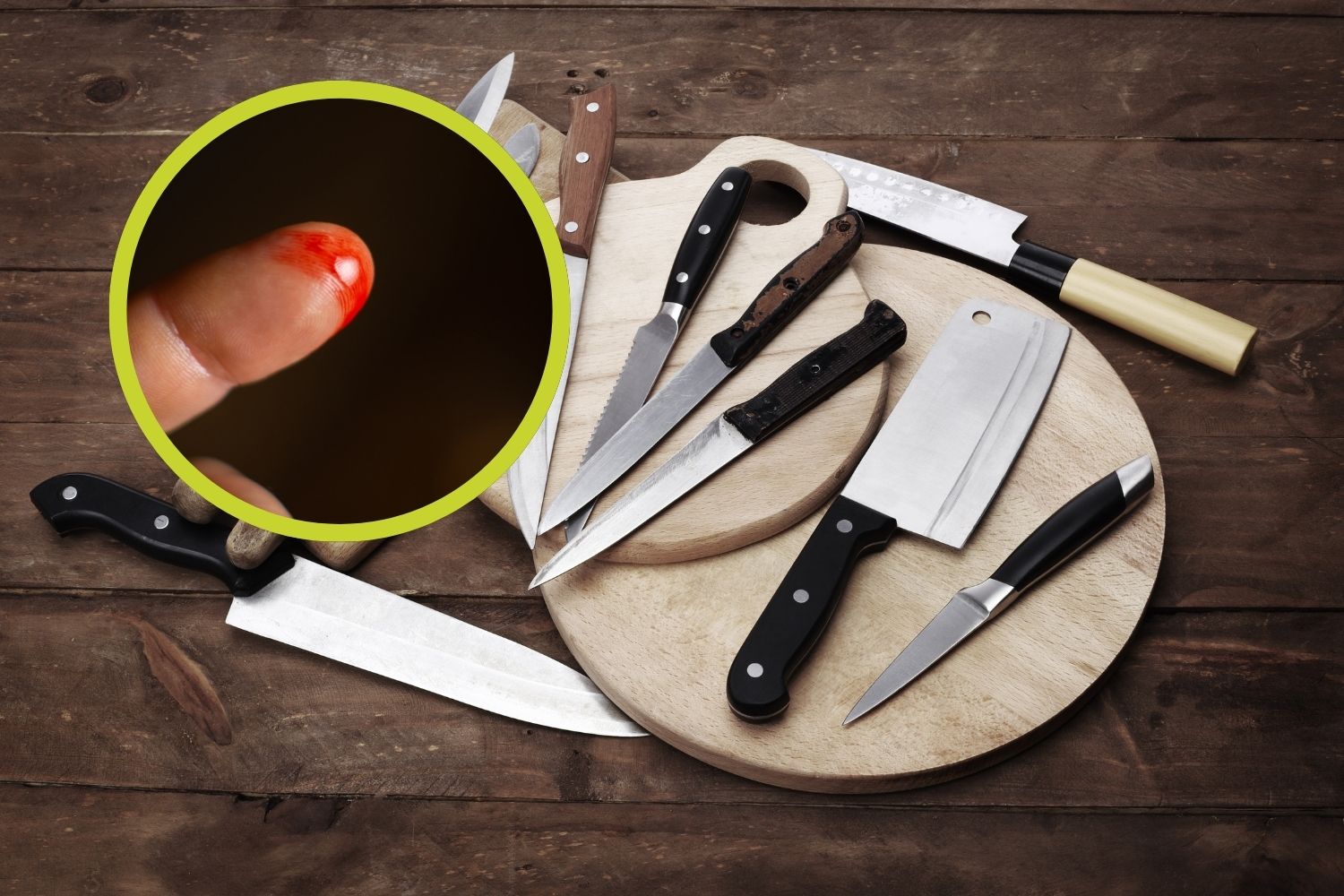
Every year thousands of people end up in the emergency room for domestic knife wounds. Most of these accidents could be avoided. The problem? Wrong habits that we have been carrying for years, convinced that they are normal.
The paradox of the blunt knife
It looks like a contradiction, but a little sharp knife will have more possibilities to accidentally cut a finger than a well -sharpened one. This is because a blended blade requires more pressure to cut, and when we force we force, the control could decrease and the blade slip suddenly. Result: the tomato remains whole, the finger does not.
A sharp knife, however, penetrates food with ease. We need less strength, we have more control, the risk of accidents drops drastically. Professional chefs sharpen their knives every day for this reason. A simple test: if the knife does not cut a sheet of paper kept vertically, it’s time to sharpen it.
The error of the unstable cutting board
How many times do we cut using a cutting board that slides on the work surface? Just a more decisive movement and the cutting board moves, the blade goes where it should not. The solution is very simple: just put a wet cloth under the cutting board and the friction will block it completely.
The cutting cutting material is of great importance. The glass is the worst, since it ruins the blades and slides them, and hard plastic creates the same problem. Wood and soft plastic offer the right socket. Do not forget the adequate size: a too small cutting board forces inaccurate gestures, therefore it is better to invest in a large and stable one than to risk a deep cut.
The wrong socket
Look while cut: where do you put the index? The majority supports him on the back of the blade, thinking he has more control. Mistake. This position reduces the grip on the handle and tires your hand.
The correct grip envelops all the fingers around the handle, thumb and index plug the blade near the handle. It seems strange at the beginning, but guarantees total control and reduces the effort of 40%. The chefs call it “Pinch grip” and teach it on the first day of school.
The other hand is equally important: the fingers must bend in the shape of the claw, with the knuckles forward with respect to the tips. The blade flows against the knuckles, the fingers remain safe. It takes practice, but it becomes automatic.
Wash the knives in the worst way
The sink full of dishes hides mortal pitfalls. Immersing the knives in the soapy water creates an invisible trap: we are looking for a fork and we end up finding a blade. Suture points in the emergency room tell this story every day.
The dishwasher seems safe but hides other problems. The heat and aggressive detergents ruin the thread of the blade and loosen the handles. The knives feed against other tools, chip, lose sharpening. Remember that a quality knife, if always washed in the dishwasher, lasts half of the time.
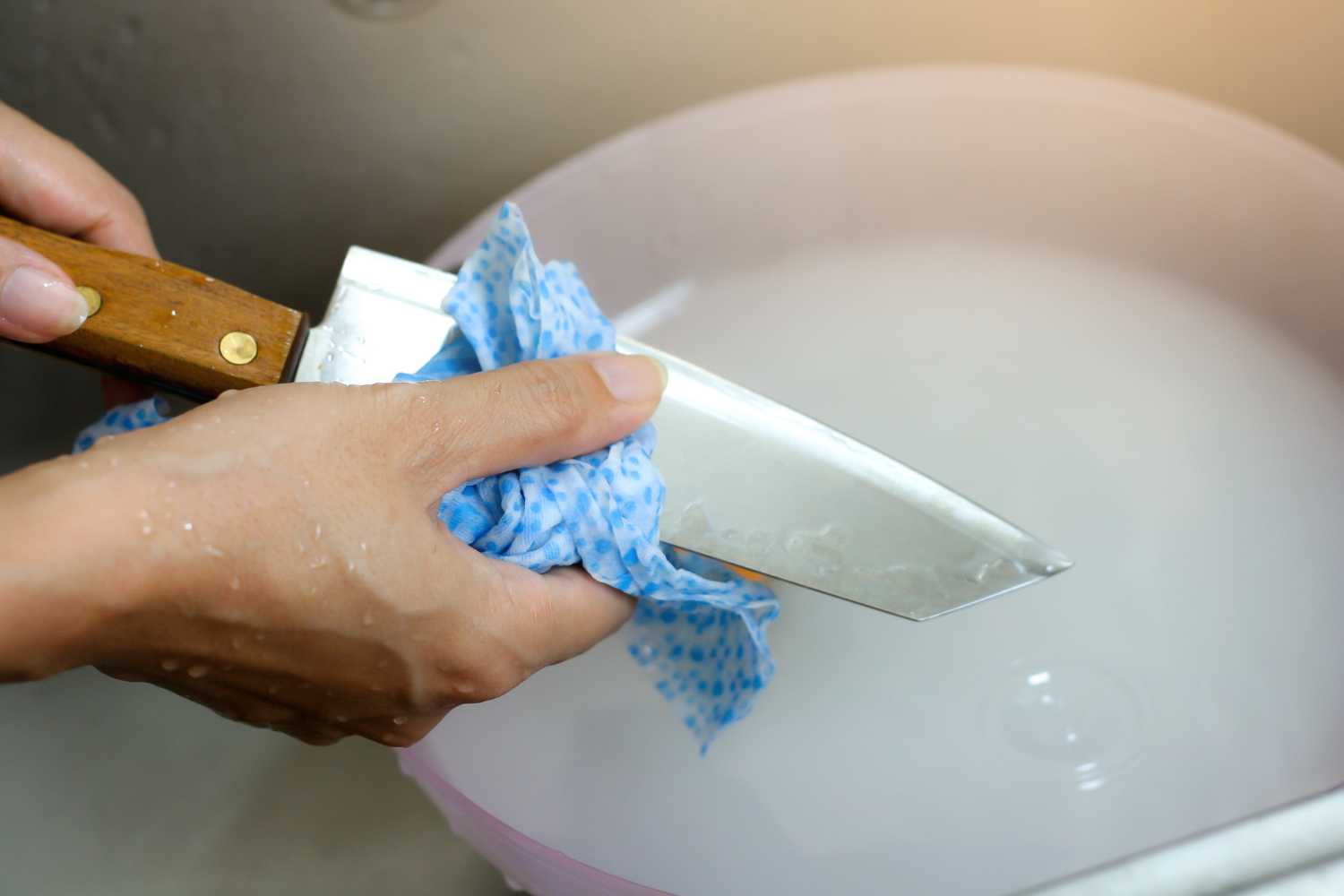
Behave in this way: wash the knives immediately after use, one at a time, with hot water and little soap, and remember to dry them immediately to avoid rust. Five seconds more that save blood and money.
Incorrect conservation
The drawer full of utensils is the knife cemetery. The blades disappoint each other, they ruin, become dangerous and looking for a knife in the drawer means risking getting hurt every time.
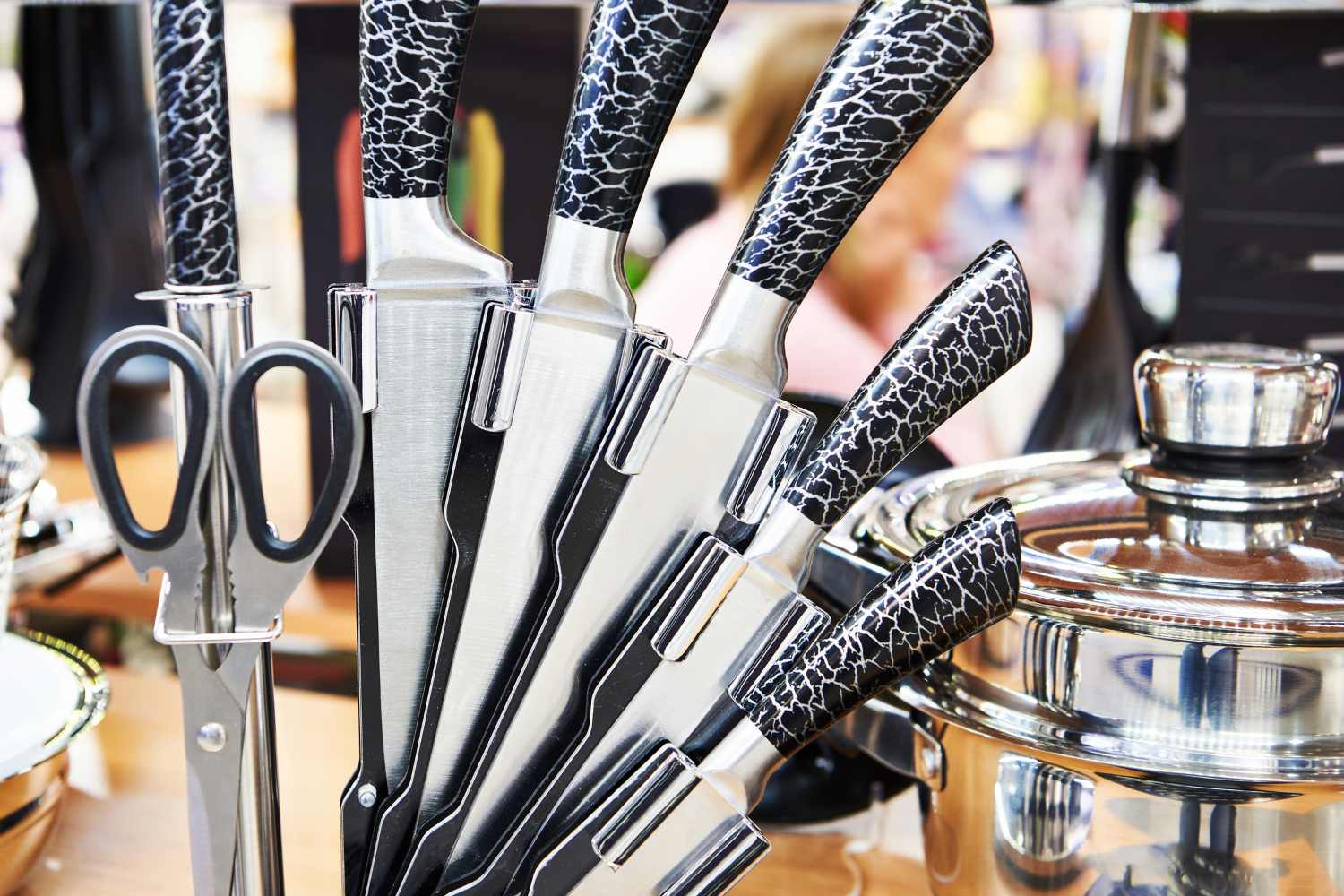
The magnetic strain and the bearer block protect the blades and keep them visible, they cost little and last a lifetime. If you really have to use the drawer, there are plastic protections for the blades. Two euros prevent cuts and keep the knives sharp. Remember two fundamental rules: the first is never leave the knives on the work surface (someone could move them without looking at, make them fall and hurt), the second that a knife that falls never grabbed on the fly, because it is better a wounded foot than a mutilated hand.
Cut slipping foods without precautions
Onions, tomatoes, avocado: smooth surfaces that slide the blade. The classic error is holding the food in hand while cutting. Avocado is the champion of accidents: the core blocks the blade, forz, the blade crosses the pulp and ends up in the palm.
First rule: always on the cutting board, never in hand. For round foods, cut a slice first to create a stable base. The onion is cut leaving it attached to the root until the last. Tomato requires a serrated or well -sharpened knife, never force with a blunt one.
The errors that cost dearly
Use the knife as a screwdriver, peaks or leverages damages the tip and makes it dangerous. A chipy tip can detach itself and end up in food or create irregular cuts that are difficult to cure.
Leaving children without supervision with “butter” knives thinking are safe is an illusion. Better to teach respect for sharp tools soon, with knives suitable for age and constant supervision.
Don’t you want to lose our news?
