
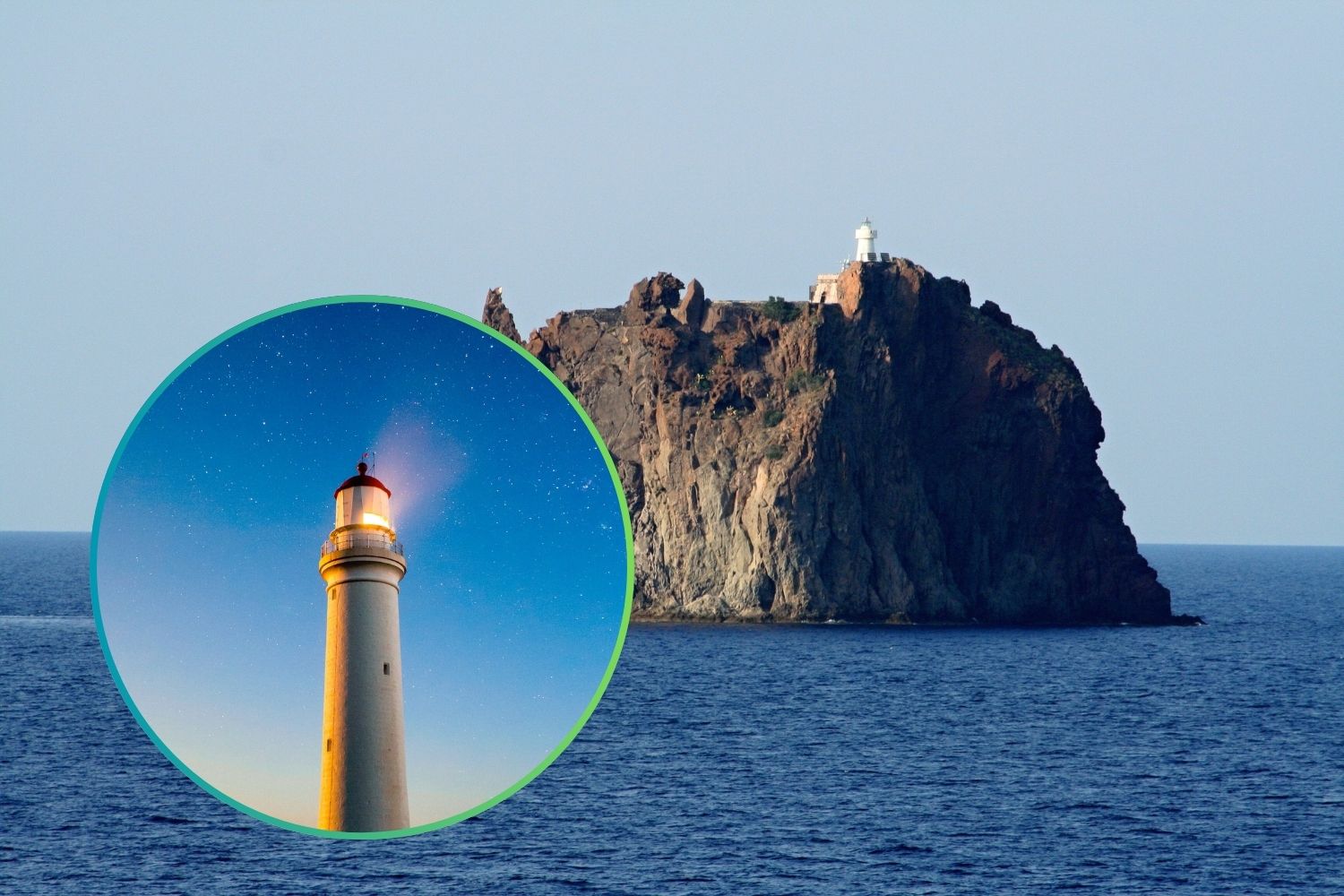
The headlights are not simple reporting tools, but places that tell the story of the millennial relationship between man and the sea. Each of them holds events related to navigation, war, trade or island life. They are constructions that arise from practical needs but end up becoming identity symbols, points of reference not only for those who furrow the waves but also for those who live along the coasts. In Italy, with its almost eight thousand kilometers of coasts, the headlights are an integral part of the maritime landscape and represent an architectural and cultural heritage that deserves to be told.
This is a selection of the most beautiful headlights in Italy
Faro della Vittoria, Trieste
The Faro della Vittoria, built between 1923 and 1927, dominates the Gulf of Trieste by the Colle di Gretta. It is 67 meters high and rests on a hill that amplifies its visibility, becoming a constant point of reference for those who enter the city from the sea. However, it is not just a lighthouse: it was also erected as a monument celebrating the Italian victory in the First World War. Two sculptures enrich it, the unknown marble sailor and the bronze winged victory, works by the sculptor Giovanni Mayer. Today it continues to perform its reporting function, but above all it remains a historical and symbolic testimony for the city.
Lantern of Genoa
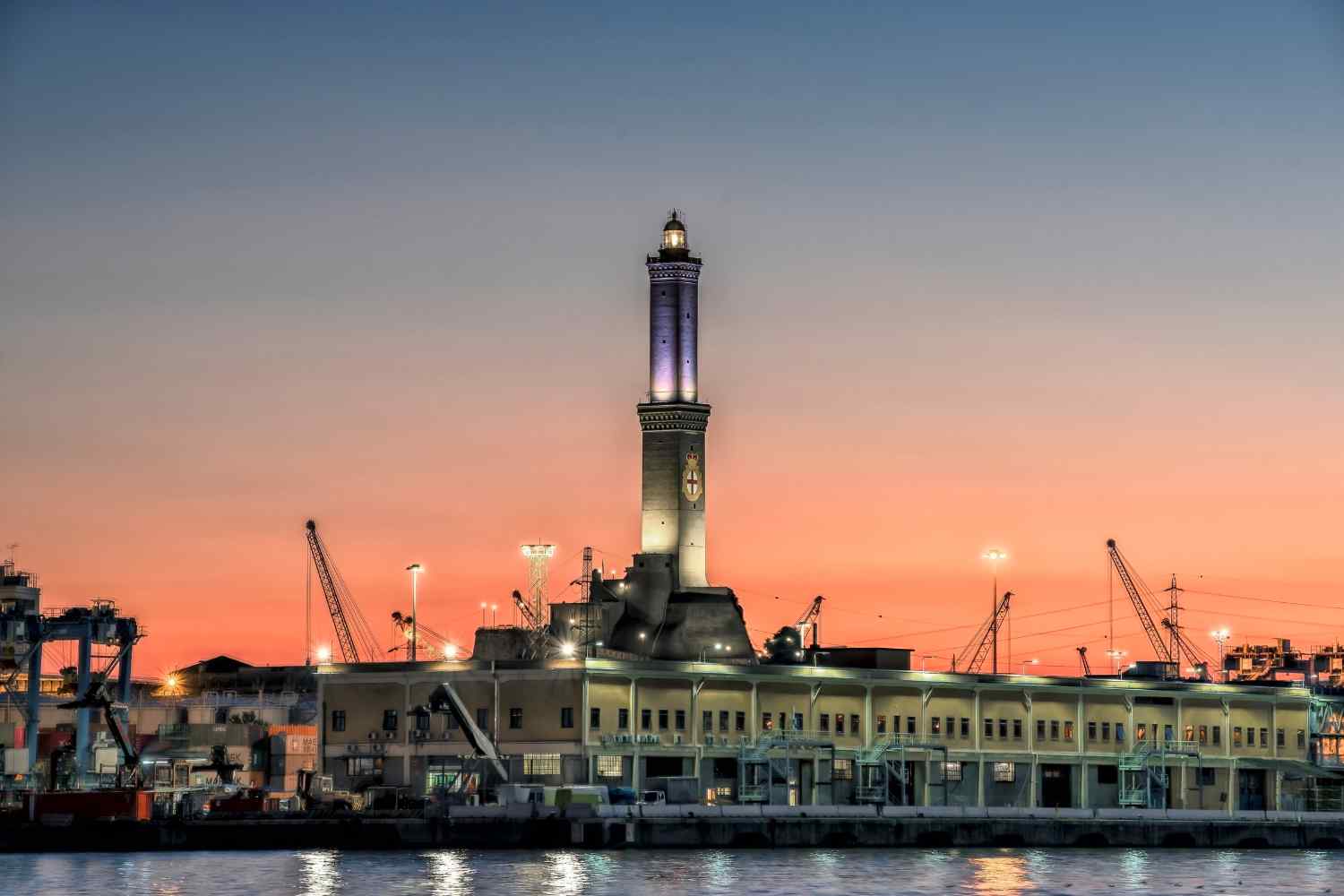
The Genoa lantern is much more than a lighthouse: it is the very emblem of the Ligurian city. It dates back to the fourteenth century and, with its 117 meters in height, is the highest lighthouse in the Mediterranean and among the oldest still in operation in the world. Over the centuries, the port and the city has seen, always remaining the staple for sailors. Inside it houses a museum dedicated to maritime history and can be visited thanks to a path that leads to the panoramic terrace. For the Genoese, the lantern is an identity element that combines the maritime tradition with the daily life of the city.
Red Capel Lighthouse, Isola del Giglio
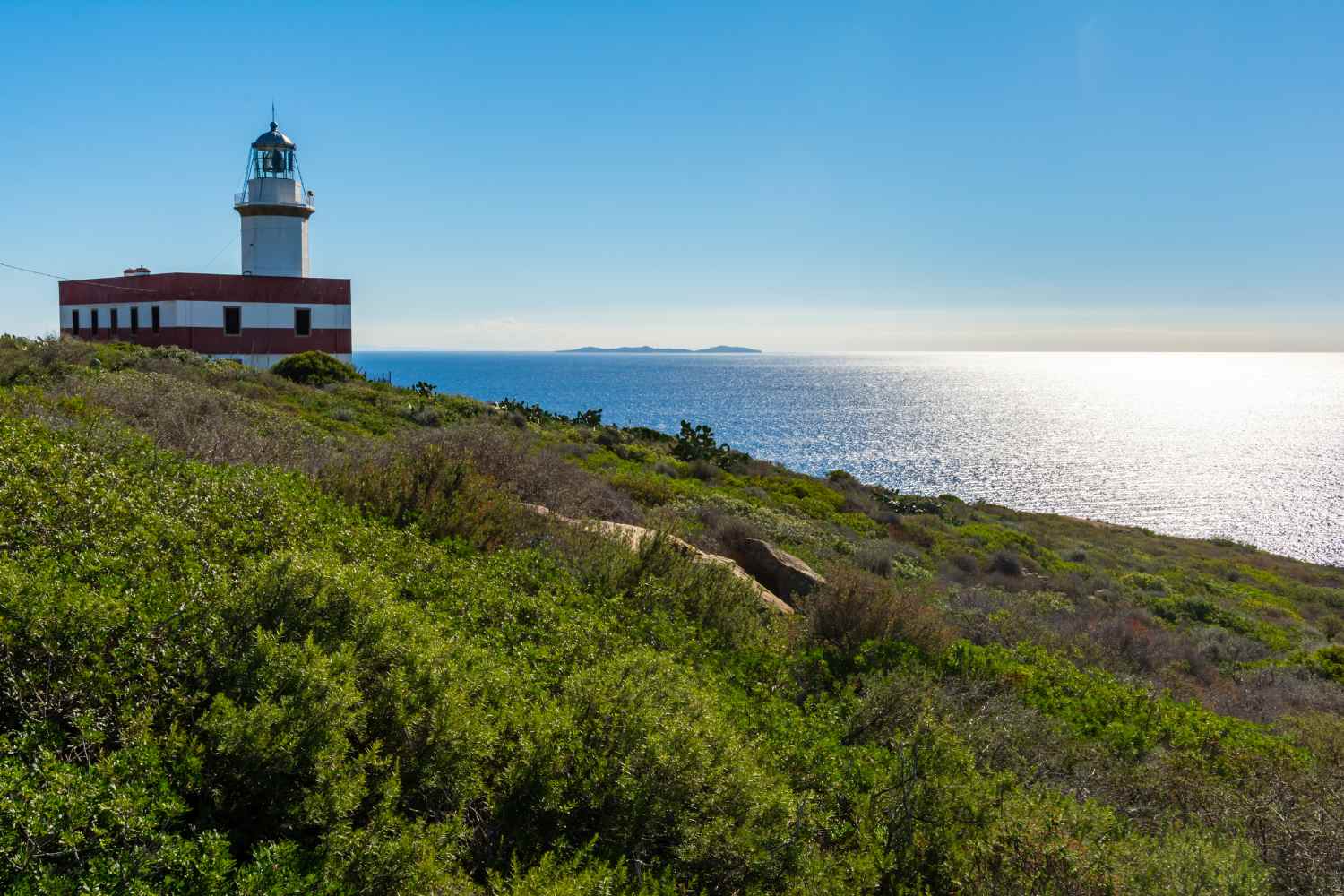
The Red Capel lighthouse is located in the southernmost part of the island of Giglio. Inaugurated in 1883, it has a white structure with red details that make it unmistakable in the island landscape. His position makes him particularly exposed to the winds and currents of the Tyrrhenian Sea, which is why he played a fundamental role for the safety of navigation. In recent years he has been recovered and today hosts cultural initiatives and meetings dedicated to the sea. It also appeared in the cinema: Paolo Sorrentino included him in some scenes de The great beautyhelping to make it known to a wider audience.
The light, Livorno
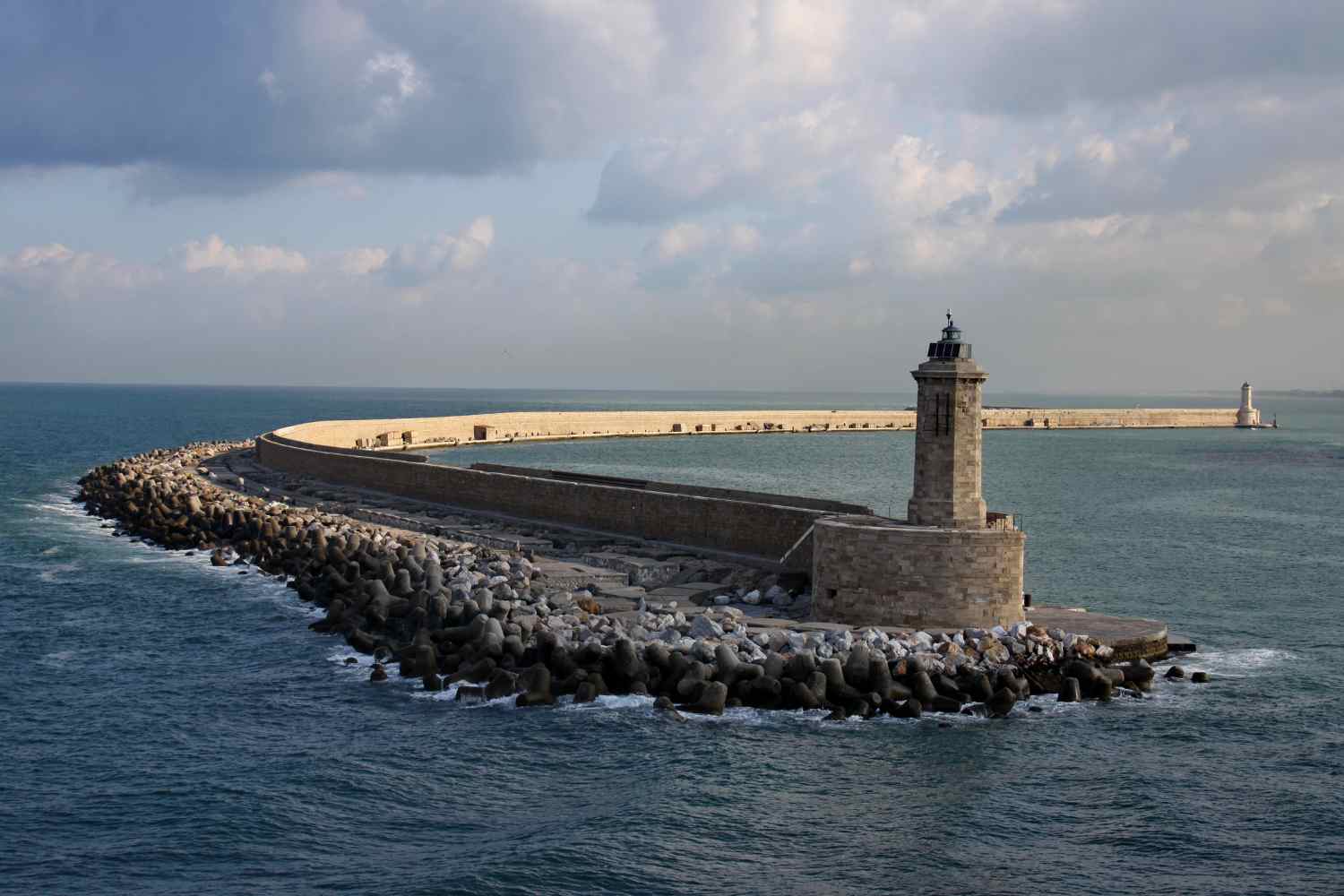
The Livorno’s light is a construction that binds the city to its long maritime history. He dates back to the medieval time and was one of the symbols of the Republic of Pisa, who dominated the maritime traffic in the area. During the Second World War it was destroyed by the bombings and reconstructed later, trying to keep the original shapes. Its light comes to cover 36 marine miles, a radius of action that confirms its strategic importance. For those arriving from the sea, still today, it represents entry to one of the most active ports of the Mediterranean.
Ponza lighthouse
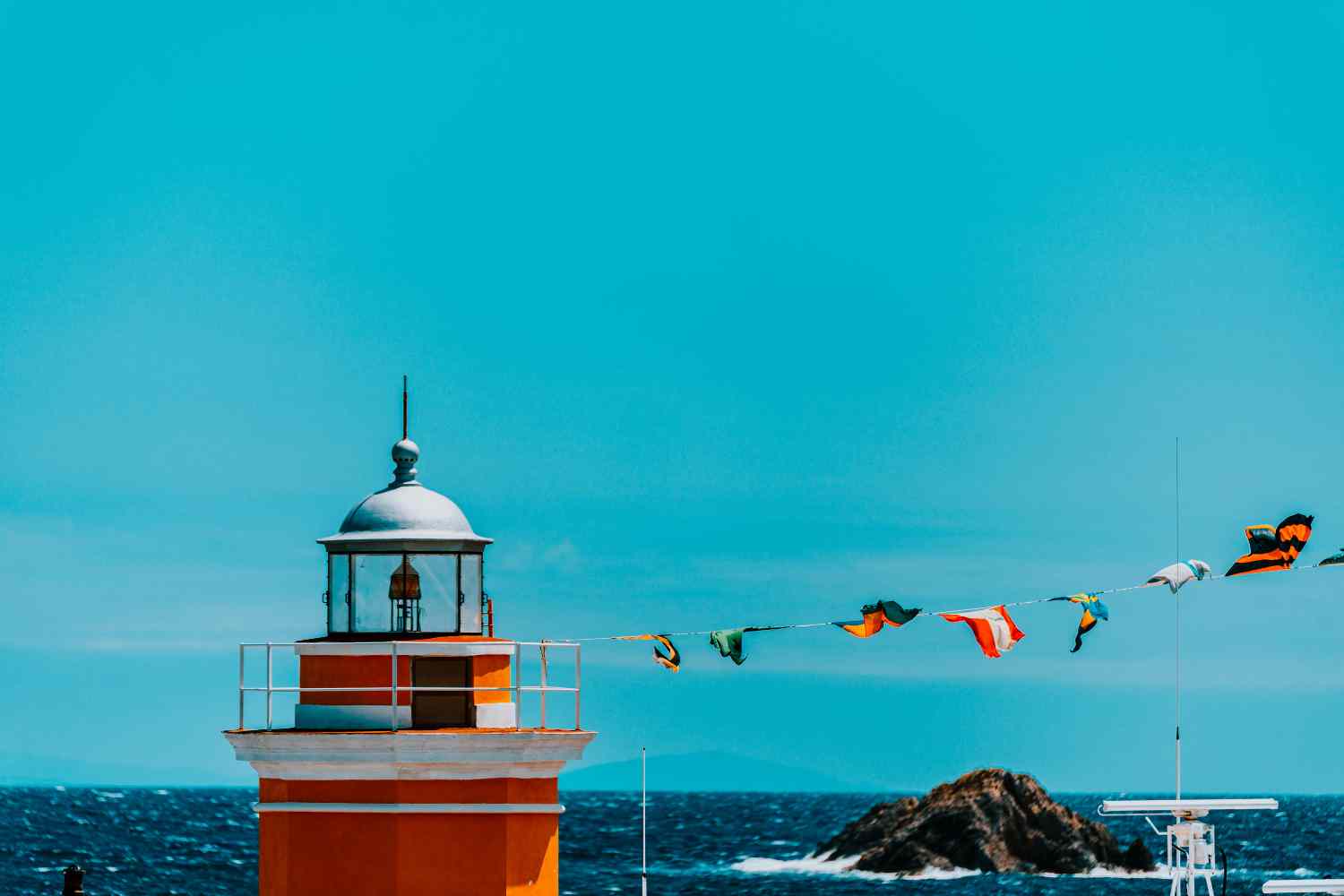
Also called the guard lighthouse, it is located on the southern end of the island of Ponza, in a position that combines isolation and grandeur. Built in the mid -nineteenth century, it has been renovated over the years and partly converted: today inside it hosts an exclusive hotel, with suite and a restaurant overlooking the sea. This transformation made it possible to give life to a building that risked abandonment, while maintaining active its original function of reporting. He is one of the best known headlights in Lazio, precisely for his role in the landscape and in the contemporary life of the island.
Faro di Punta Carena, Capri
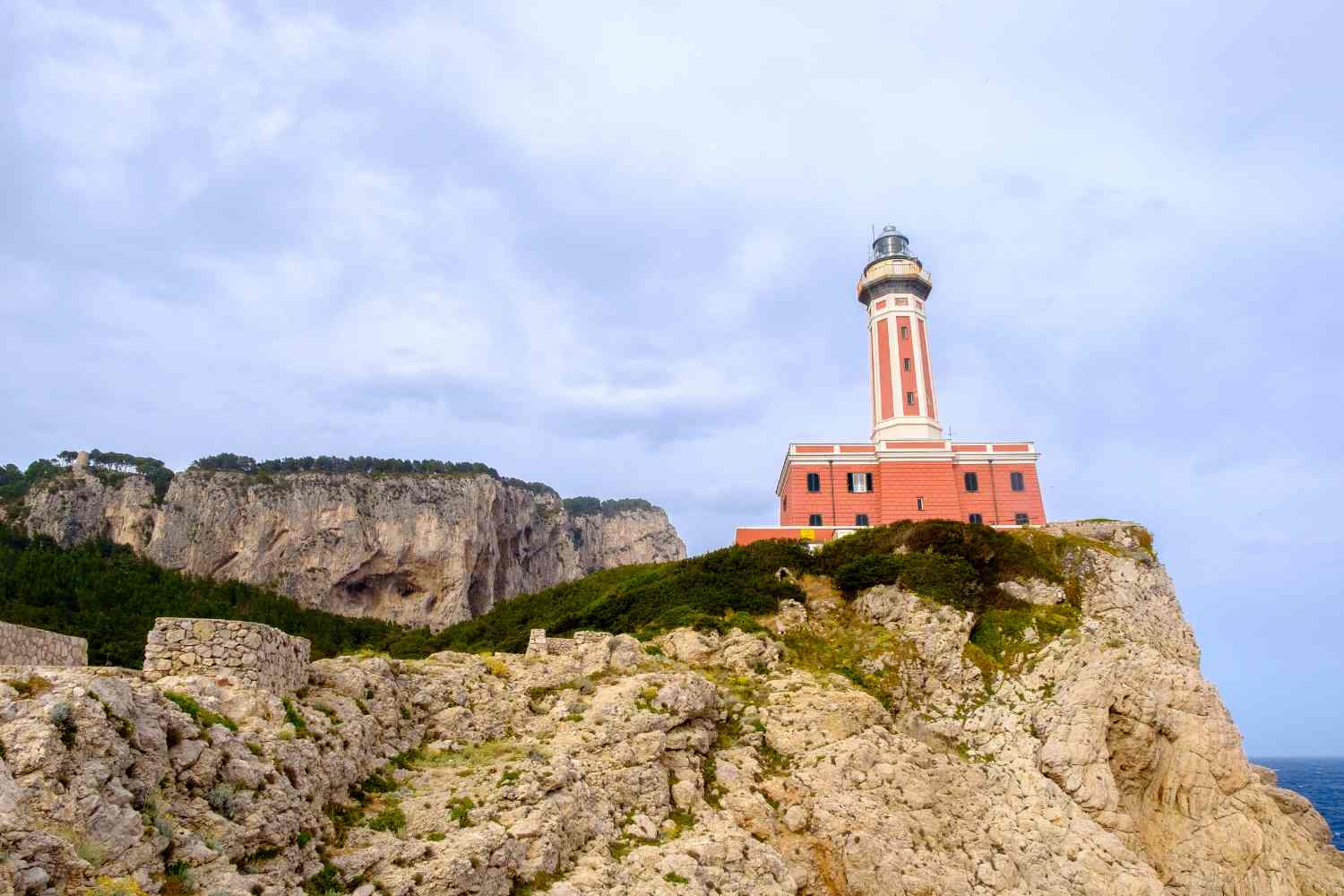
The Punta Carena lighthouse, built in 1866, is located on the southwestern tip of Capri. Its octagonal masonry structure and the brick red color make it immediately recognizable. It is the second most powerful lighthouse in Italy, immediately after the Lantern of Genoa, and its light reaches over 25 marine miles. His position made him a constant reference for navigators, but also a place linked to the life of the caprese: the surrounding area is one of the most frequented by the residents, who go there for the sea and for the open view towards the Tyrrhenian Sea.
Faro di Capo d’Otranto (Punta Palascìa)
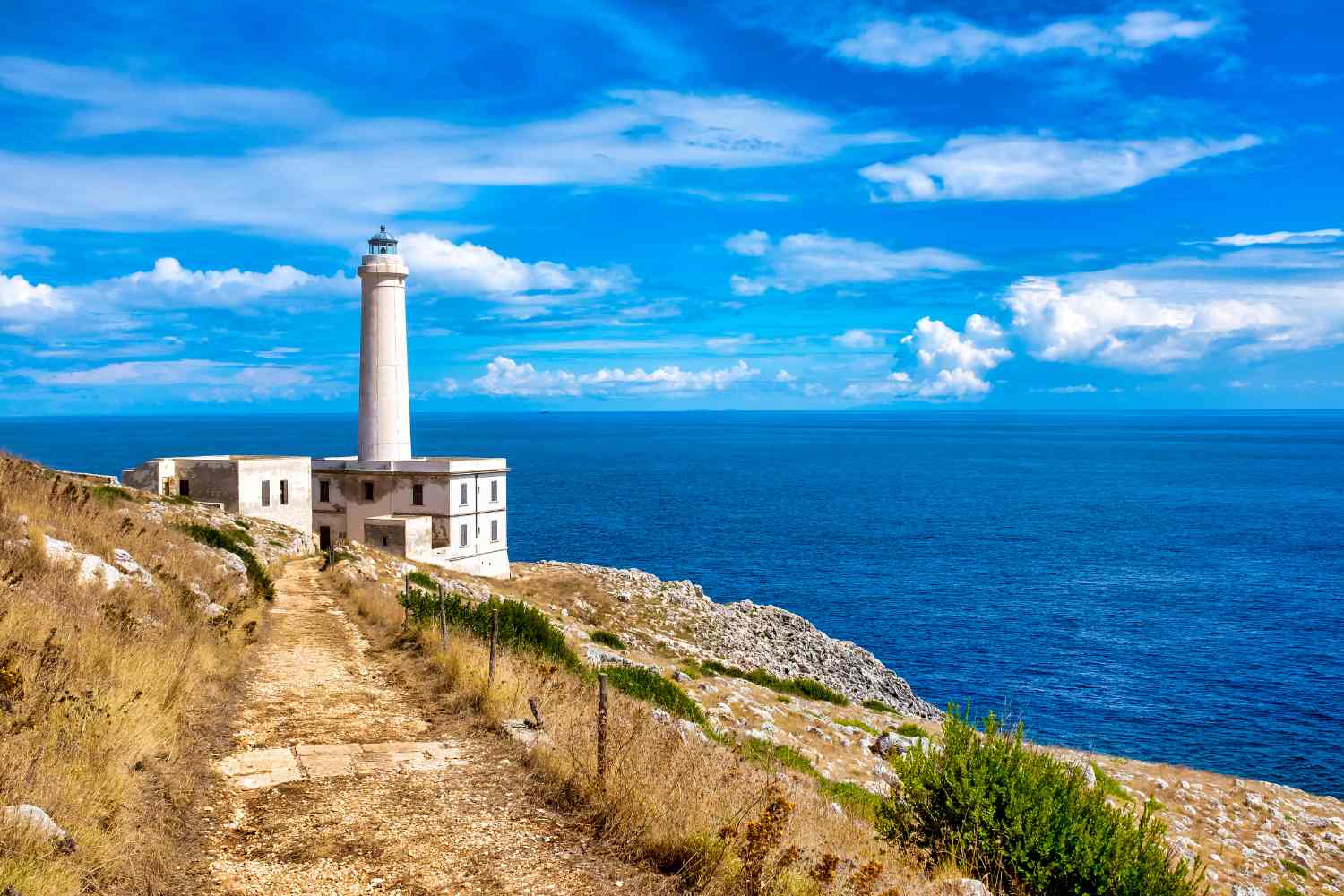
The head of Capo d’Otranto is located at the most eastern point in Italy, on the cliff of Punta Palascìa. It symbolically represents the meeting between the Adriatic Sea and the Ionian Sea. Built in the nineteenth century, it was abandoned in the seventies but subsequently restored and reopened. Today it is also used as a scientific and astronomical observation center, as well as maintaining its reporting function. It is one of the five headlights recognized as a cultural heritage by the European Commission, testifying to its value not only practical but also historical and cultural.
Faro della Scoglio Mangiabarche, Sant’Antioco
Off the island of Sant’Antioco, in Sardinia, stands the lighthouse of the Mangiabarche scoglio. The name derives from the danger of the submerged rocks that have caused numerous shipwrecks over time. To prevent further accidents, the lighthouse was built in 1935, isolated in the middle of the sea. It is still one of the Sulcis symbols, not so much for its architectural grandeur as for the vital function it has carried out and continues to perform. During the winter storms, the waves are completely overwhelmed, showing the strength of the sea and the resistance of a structure that has been challenging the elements for almost a century.
Faro di Capo Sparivento, chia
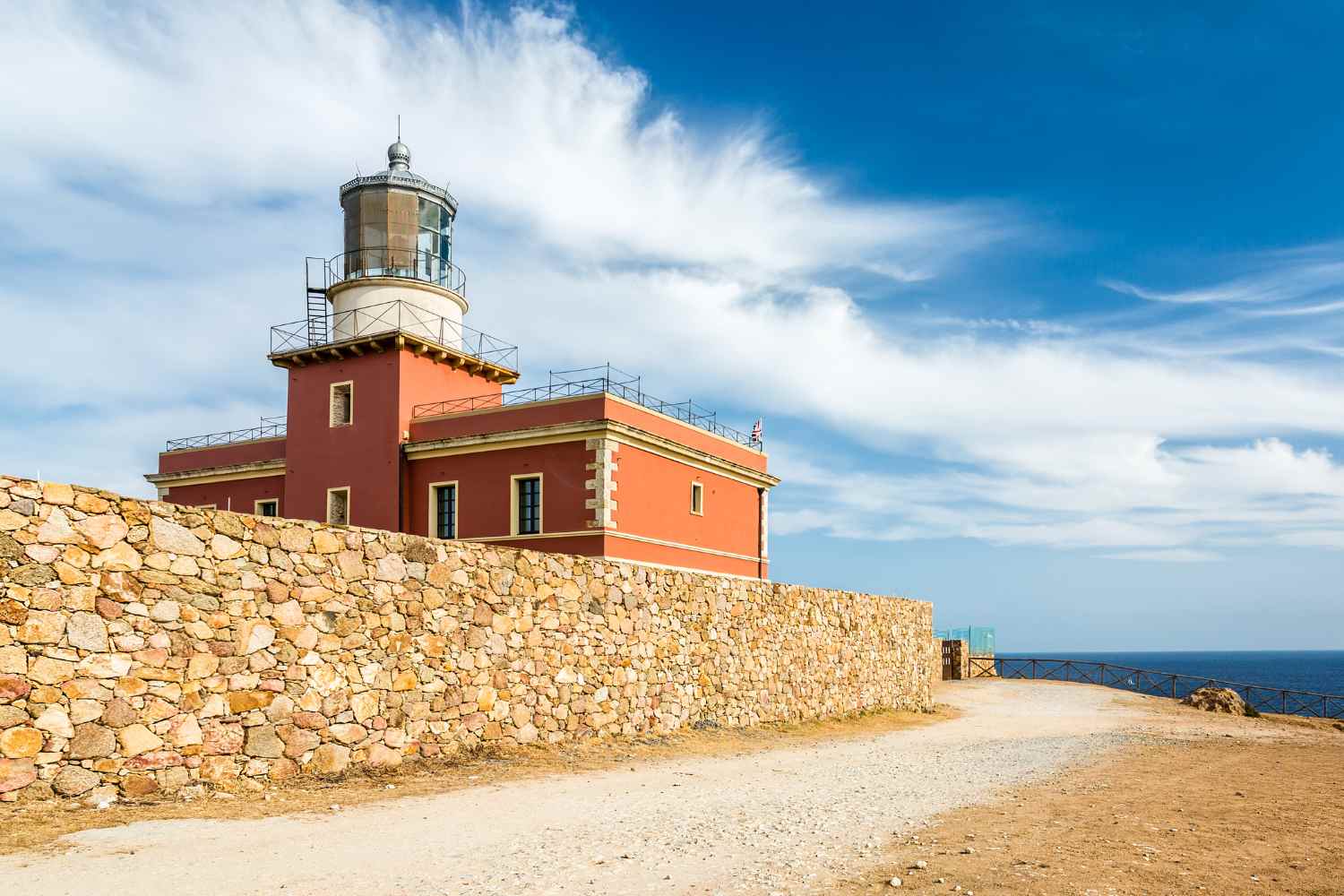
The head of Capo Sparivento, built in 1854 by the Navy, is located on a promontory facing south, a few kilometers from Chia. It is one of the oldest headlights in Sardinia and during the Second World War it was hit by the American bombings. After decades of abandonment, in 2006 it was restored and transformed into a high -level accommodation facility. The redevelopment made it usable again, while respecting its historical function and the original architecture. Today he continues to watch over the sea, with a new life that binds him to quality tourism.
Strombolicchio lighthouse, Stromboli
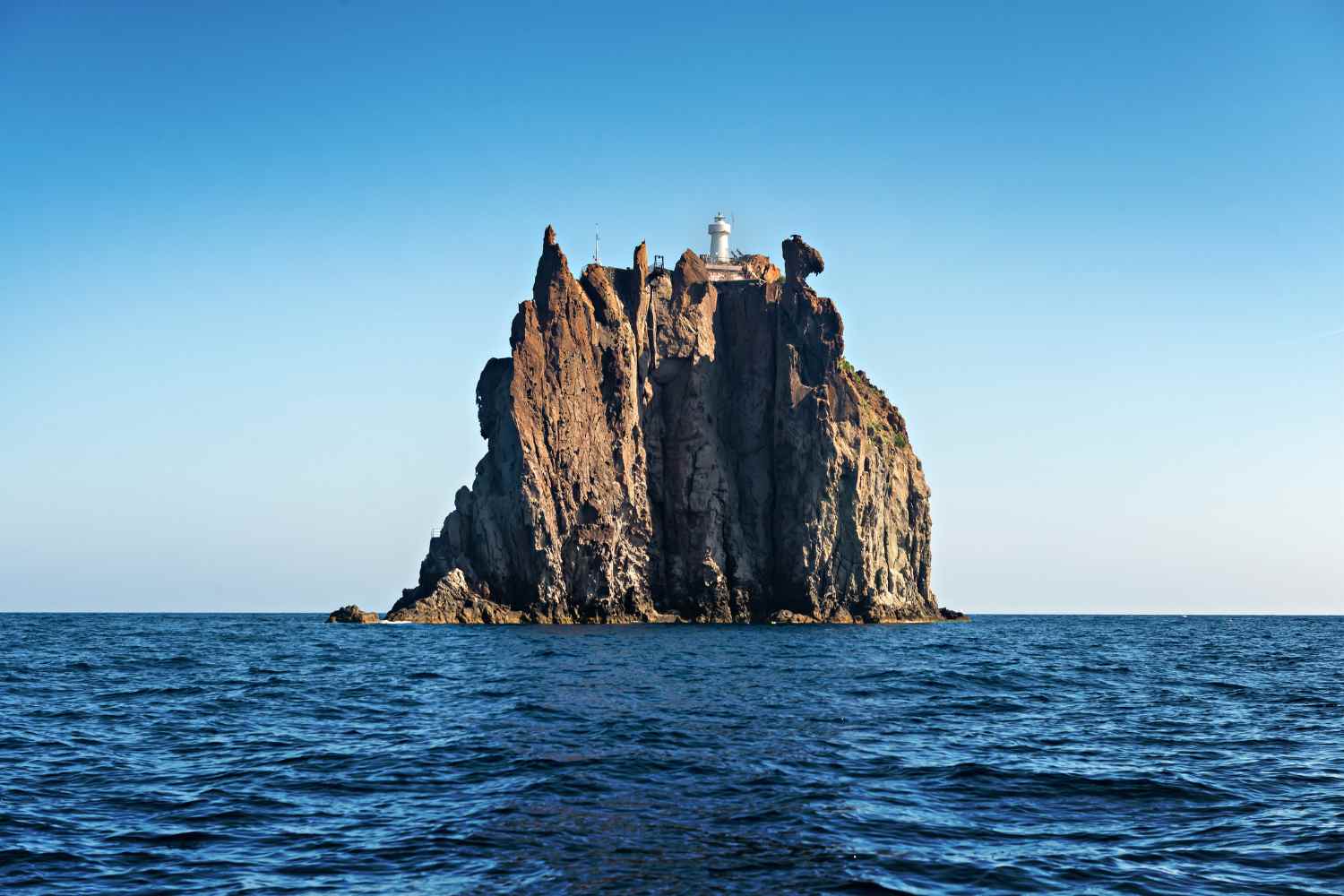
On the islet of Strombolicchio, off Stromboli, one of the most particular headlights in Italy stands. Its construction was not easy: to make it, steps and terraces had to be dig directly into the volcanic rock. The lighthouse is in fact located on top of a steep wall, accessible only through about 200 steps. The extreme position and the effort necessary to reach it have contributed to making it almost legendary. Its light, still today, is a point of reference for those who sail in the Aeolian, in a stretch of sea where nature retains all its strength.
Italian headlights tell stories that intertwine architecture, technique and daily life on the sea. Some have become city symbols, others have been recovered and transformed into places of hospitality, others still resist isolated on the cliffs. In common they have the original function of guiding sailors, but also the ability to keep the memory of the coastal communities and their relationship with the sea.
Don’t you want to lose our news?
