
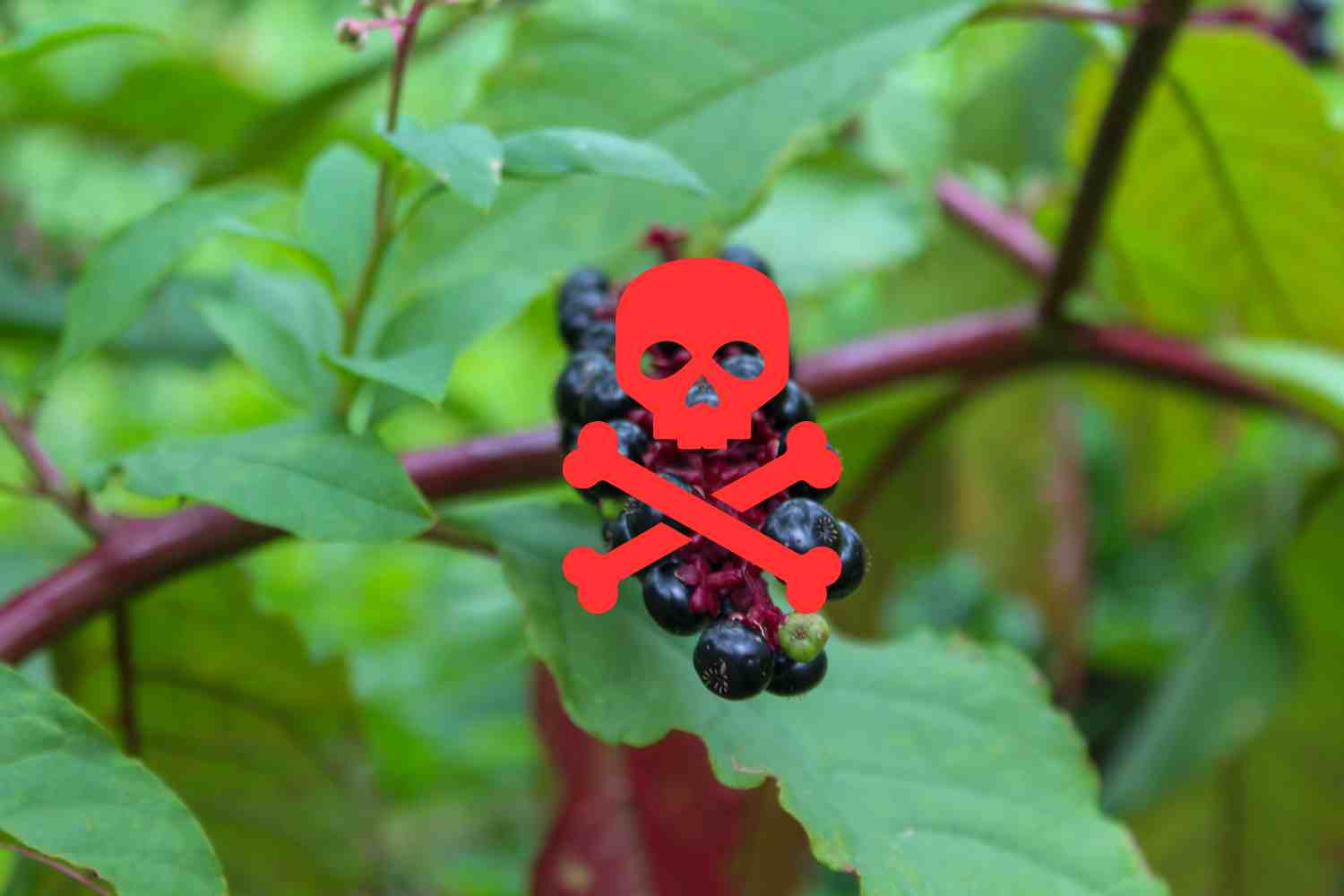
The berries have a colorful and inviting appearance, which can easily deceive and make us stretch your hand to grasp and eat them: not all of them are edible, and often they are even highly poisonous.
Among the most deceptive berries we can easily identify those resembling blueberries, which are highly appreciated and widespread due to the sweet taste and the health benefits.
But how can we distinguish edible berries from dangerous ones? And what are the risks connected to the accidental consumption of toxic berries?
The deceptive charm of the poisonous berries
The poisonous berries that resemble blueberries are widespread in different parts of the world, especially in temperate climates. These fruits may appear very similar to traditional blueberries, in color, shape and size, which makes them particularly insidious for those who are not experts. Some of the best known toxic berries include varieties such as black blueberry, red, blue, yellow and white, which, although they may seem inviting, contain potentially lethal substances if ingested raw.
The danger of these berries lies precisely in their likeness with edible fruits, aspect that makes it fundamental, for those who love to collect wild fruits, to know how to identify them correctly, thus avoiding useless risks.
How to recognize poisonous berries: practical guide
Recognizing a poisonous berry is not always easy, but there are some precautions that can help avoid bad surprises. Here are some suggestions to distinguish safe berries from toxic ones:
By following these suggestions, it is possible to significantly reduce the risk of accidental poisoning: remember that awareness and knowledge remain the most effective weapons in prevention.
What are the risks if poisonous berries are eaten
The poisonous berries can cause a series of symptoms, some of which are very serious. Among the most common disorders associated with the ingestion of these berries there are nausea, vomiting, diarrhea, headache, dizziness and confusion. In extreme cases, especially if ingested in large quantities, these berries can cause convulsions, coma and even death.
The toxic berries that resemble blueberries are often larger than their edible counterparts and, as already mentioned, have a sweet taste that can deceive. The most frequent colors are dark blue or black, which makes them easily confused with wild blueberries.
Another aspect to consider is the habitat in which these berries grow. Plants that produce poisonous berries tend to prefer humid and shaded environments, areas that hiking enthusiasts and collection of fruits could attend without knowing about hidden dangers.

Precautions for gardeners and nature lovers
For those who love nature and the cultivation of plants, knowing local species is fundamental. Some species of wild blueberries are edible, but others can be dangerous. Pay attention to visual signals such as the size of the leaves or the color of the berries can make the difference. In particular, the leaves of the plants that produce toxic berries tend to be larger and more dark than those of blueberry plants.
It is also important to note the smell of berries: sometimes, the poisonous ones emanate an unpleasant smell that should serve as a warning. If you meet berries that you cannot identify with certainty, the best advice is to leave them alone and not to collect them.
Poisonous berries: a warning from history
The poisonous berries similar to blueberries are not new; have been recognized and documented in different parts of the world for centuries. They are found at different continents, from Australia to New Zealand, from South Africa to South America, to some regions of Europe, including France, Spain and Italy.
One of the most common toxic substances found in these berries is the solar, an alkaloid that can cause serious disorders if ingested in significant quantities. The most common symptoms of Solanina poisoning include nausea, vomiting, diarrhea, headache, dizziness, and in more serious situations convulsions and other potentially fatal complications can occur.
The culture of food safety
Knowing and recognizing poisonous berries is essential for anyone who loves to collect wild fruits, but it is not enough: it is equally important to educate to prudence and awareness of the potential danger that these plants represent. Before venturing into the harvest of berries, it is good to inquire carefully about local species and associated risks.
If it is suspected of having ingested a poisonous berry, the first thing to do is to immediately contact a doctor or an anti -anti center, given that a quick intervention can make the difference between life and death.
Don’t you want to lose our news?
