
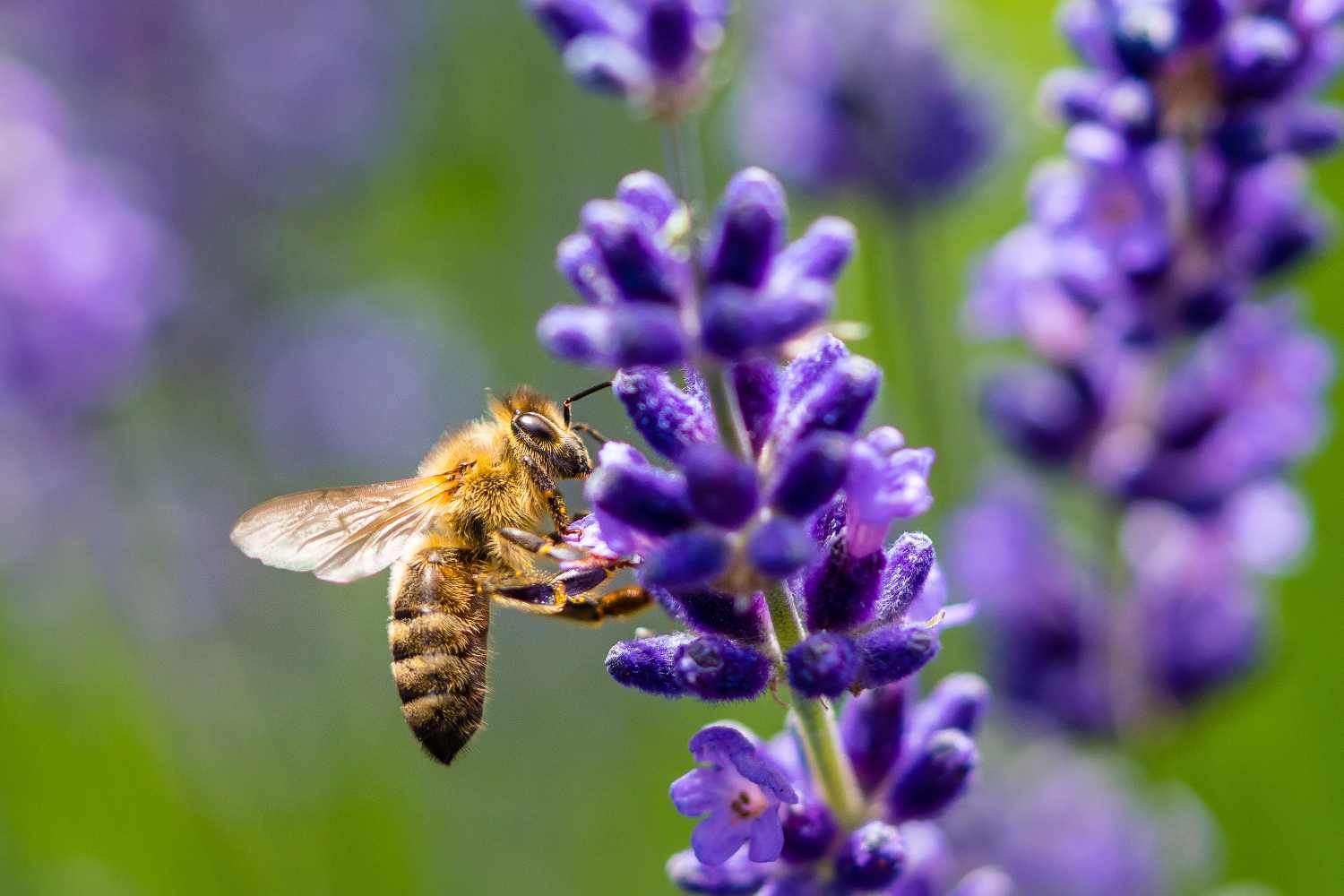
If you are planning to embellish your garden also thinking about Wellness of the beesprobably you know what immense value these small pollinating insects have and how much their future is jeopardized by several factors including deforestation, urbanization and intensive agriculture.
Cultivating net plants may seem like a gesture of little importance, but in reality it has a huge meaning. Thanks to this small contribution it is in fact possible compensate the lack of natural habitats and the reduced availability of flowers in intensive urban and agricultural areas. Food for bees can also be guaranteed all year round, but also sensitize and educate people on the importance of bees and pollinating insects.
As already anticipated, the natural habitat of the bees went to narrow more and more due to the failure to availability of green areas. To this is added the intensive use of pesticides in agricultural practices. Some pesticides, such as neonicotinoids, may have harmful effects on the nervous system of bees, compromising their ability to orient themselves and carry out vital activities.
How to create a garden for bees
The first consideration to do is that: sometimes it is precisely the “unsuspected” ones that provide them with more nourishment.
For this reason You have to choose the flowers based on the amount of nectar and pollen they are able to offer: the more they will be rich in these substances, the more useful for bees will be. Some plants will also surprise you for the advantages they have to offer you in everyday life.
It is then important to try to follow seasonality. Designing your green space in such a way that there are flowers in spring, but also in summer and autumn, it is very useful for bees, because they will thus be able to find livelihoods in the moments when they need more. Finally, it is vitally importance to avoid using chemical pesticides, especially those that harm bees most.
Which flowers choose in summer to attract bees
We therefore see which species select to attract bees and make your garden an oasis of biodiversity.
Boost
Borragine is an annual wild and medicinal plant that grows spontaneously in our areas. The blue flowers attract bees because they are rich in nectar.
Lavender
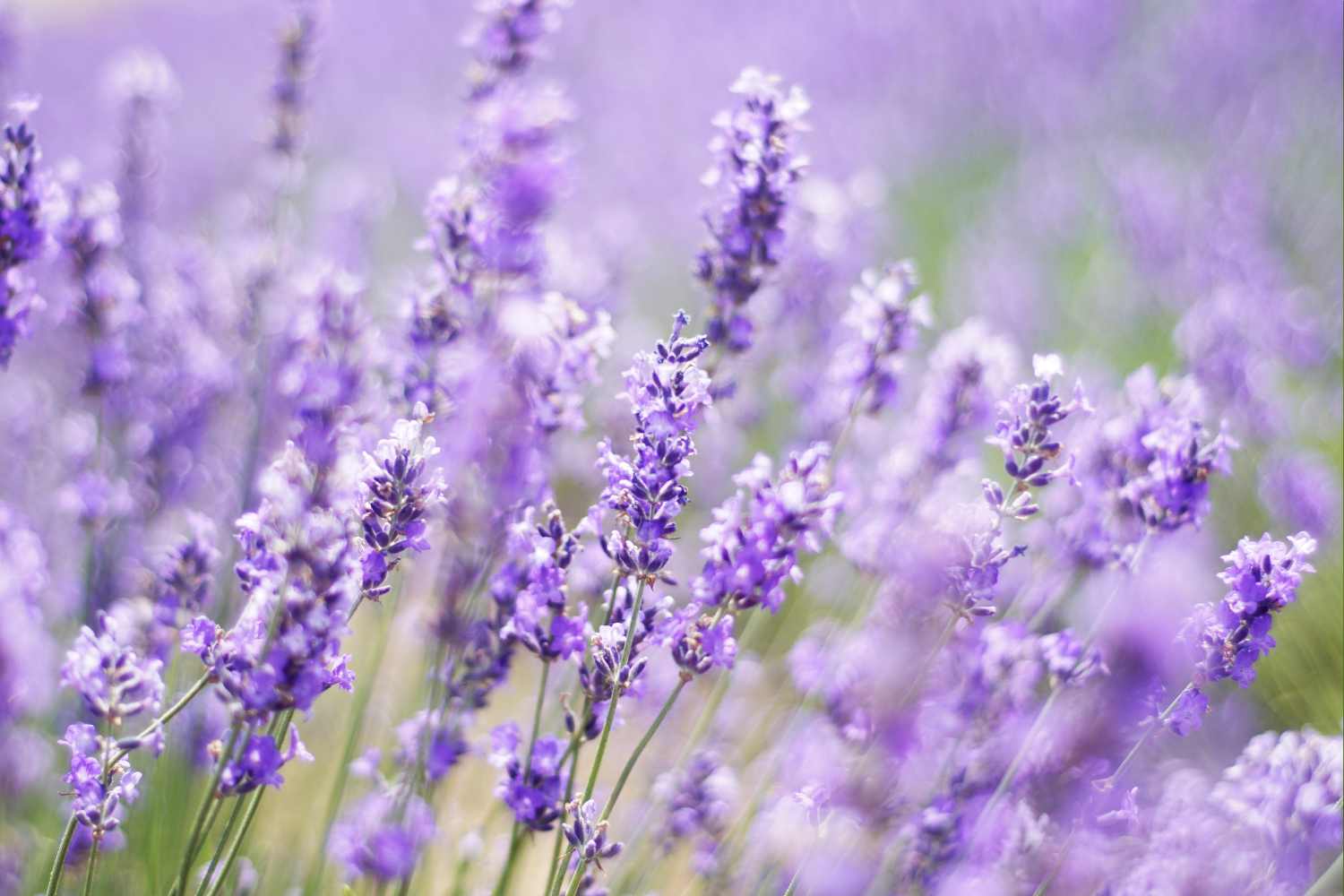
A real cure -all for bees, being at the same time a source of nectar and effective anti -sense. Lavender is also perfect for those who do not have large spaces, but do not want to give up contributing to the well -being of bees. It can be easily grown in the pot and be exposed on a sunny balcony.
Sunflower
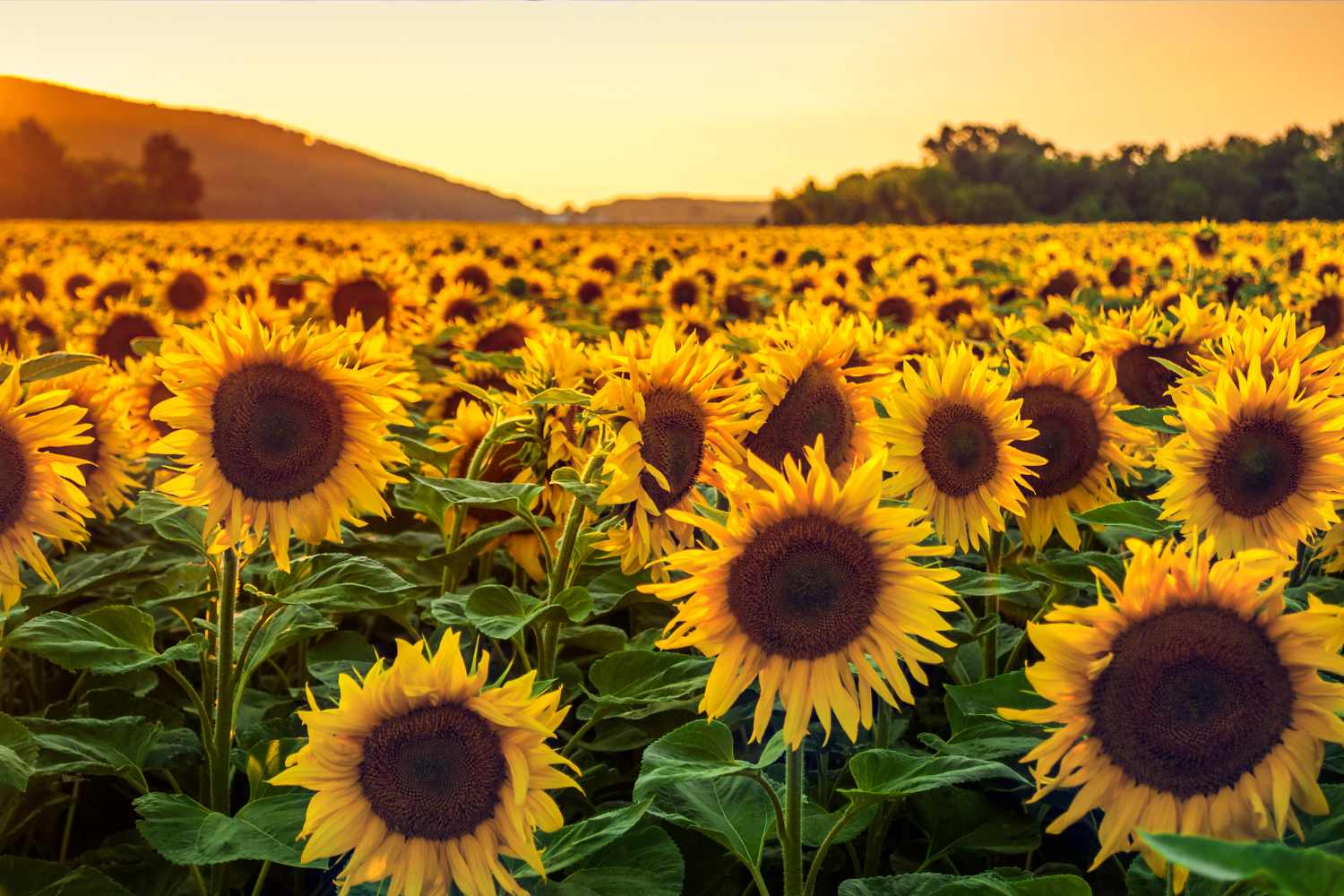
In summer the bees will never remain without food if you start cultivating a beautiful sunflower in your garden or on your balcony.
These flowers put joy, illuminate and add a touch of color both in large outdoor spaces and in small balconies of the city. Furthermore, the sunflower is not a difficult plant to manage, on the contrary, it is also perfect for those who are a beginner in the cultivation activity.
Calendula
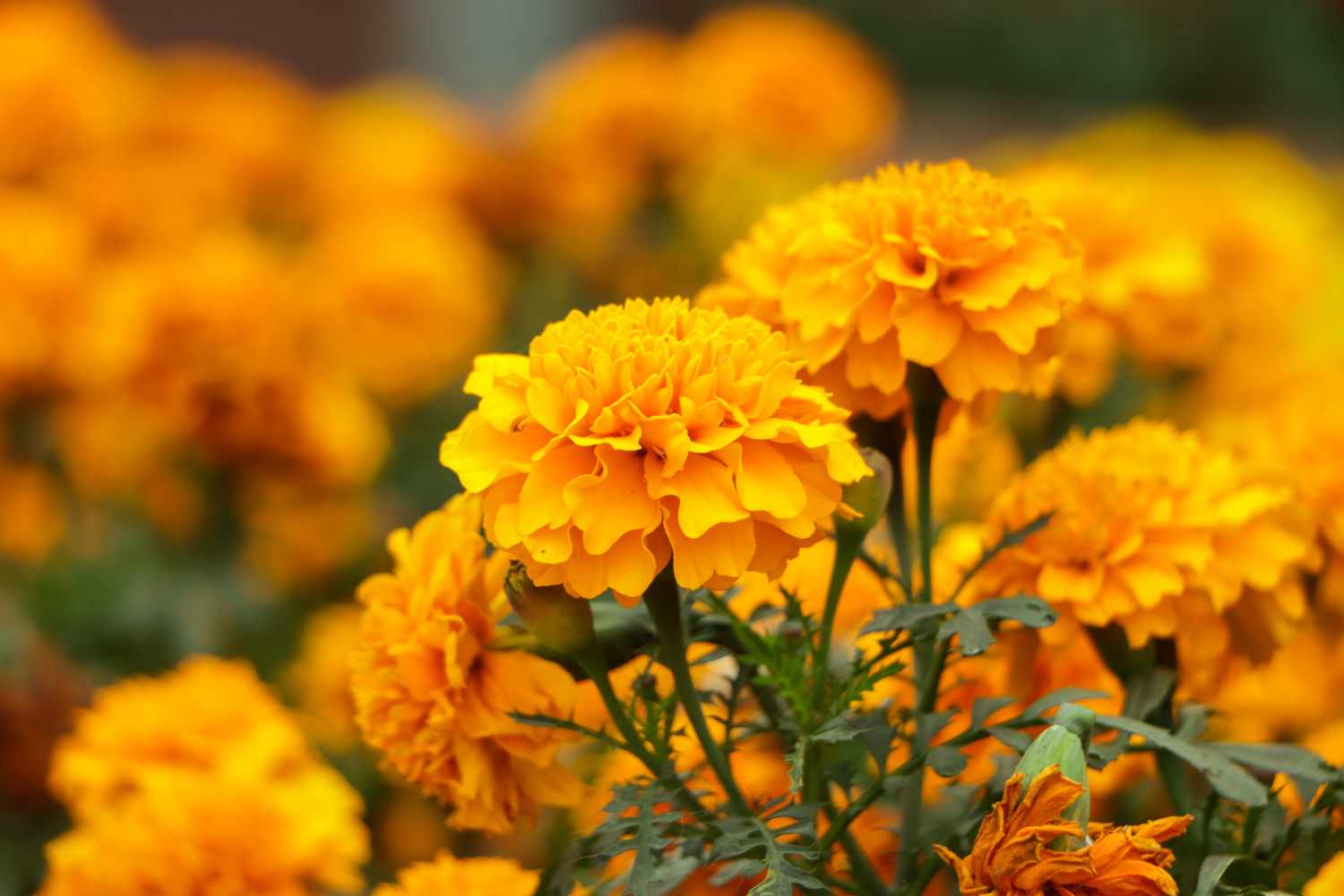
We are talking about another plant from flowers capable of illuminating and coloring every type of space. The characteristic yellow-orange flowers of the Calendula attract pollinating insects and are well known for their soothing properties.
Mauve
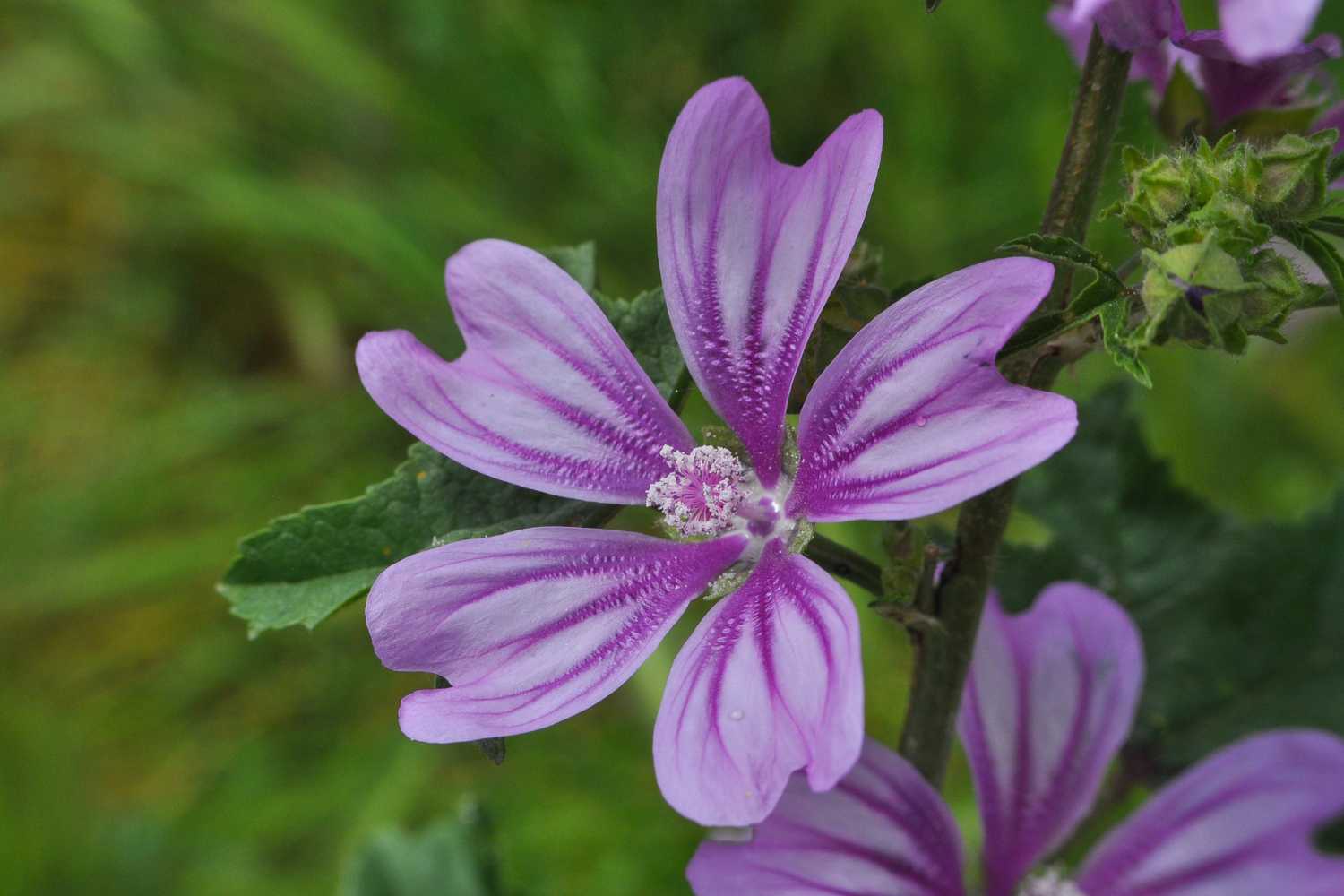
Thanks to the beauty of the flowers, with a delicate lilac color, the mallow is famous for its anti -inflammatory and emollient properties, but it is also a rich reserve of nectar for bees.
Echinacea
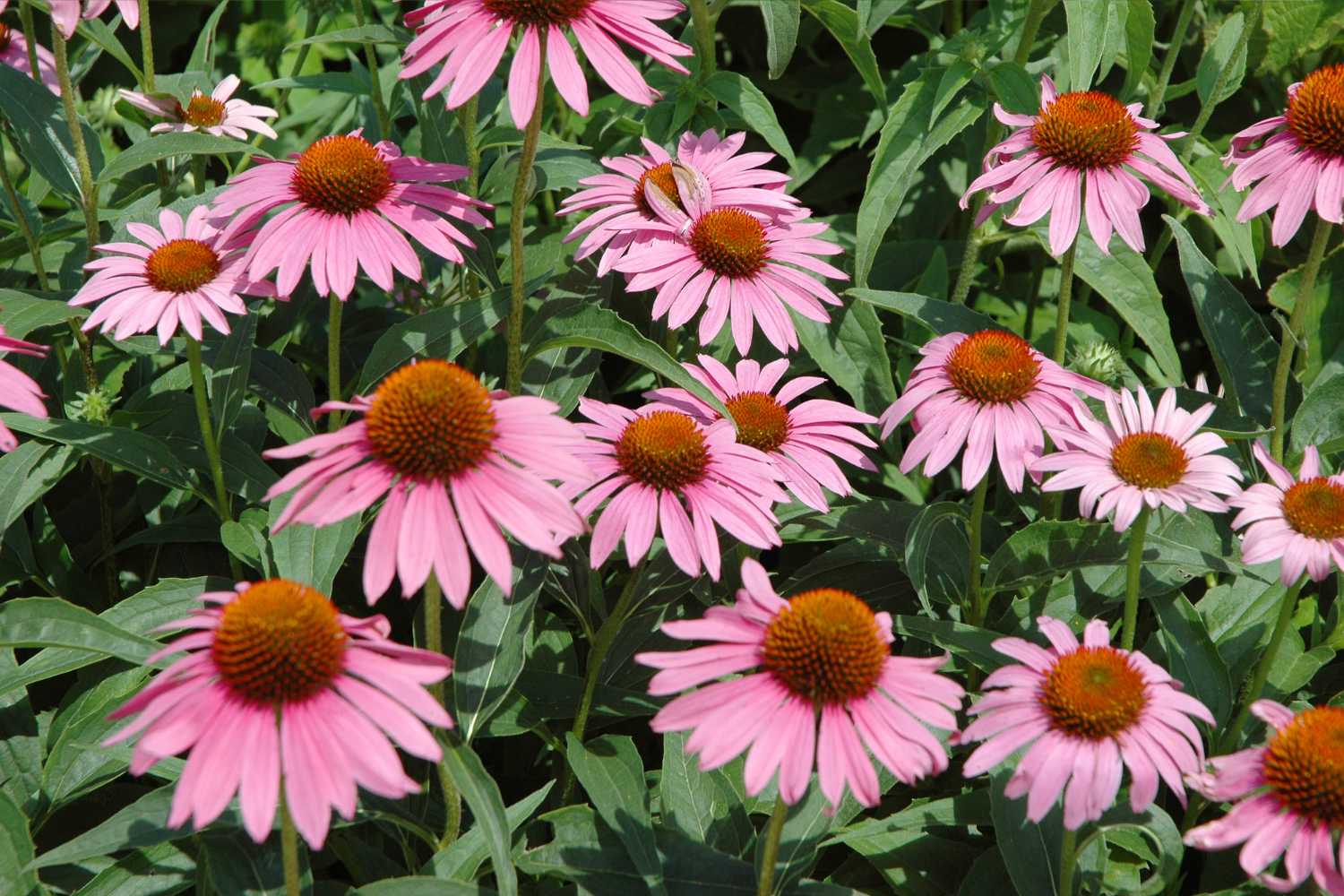
Species that bloom between June and August, Echinacea is a plant that easily adapts to various environmental conditions and also attracts bees.
Tagete
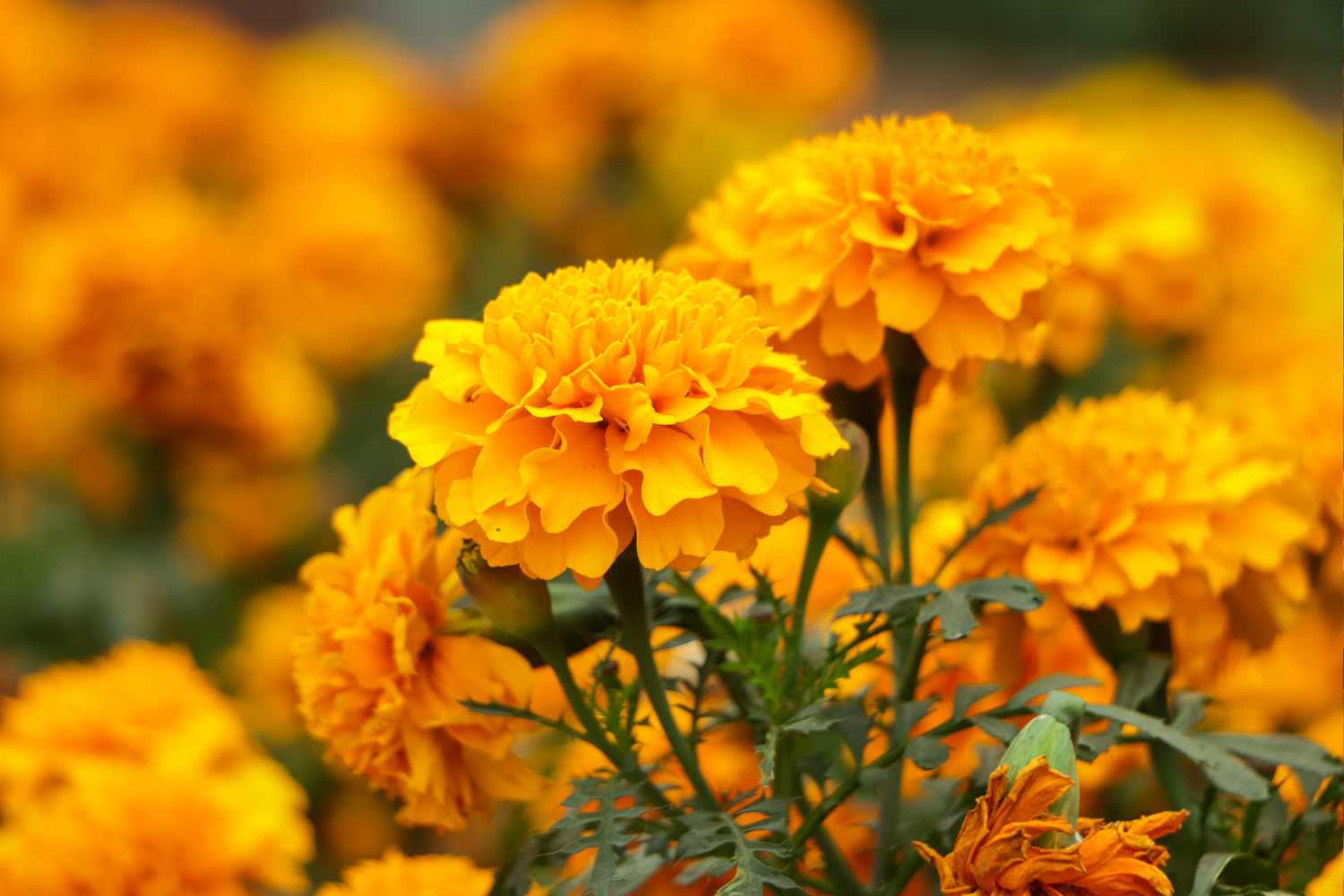
Used in different cultures for ritual purposes, Tagete flowers attract bees thanks to their net reserves.
Now you have all the right information to immerse yourself in gardening and create a radiant and eco-friendly green space!
