
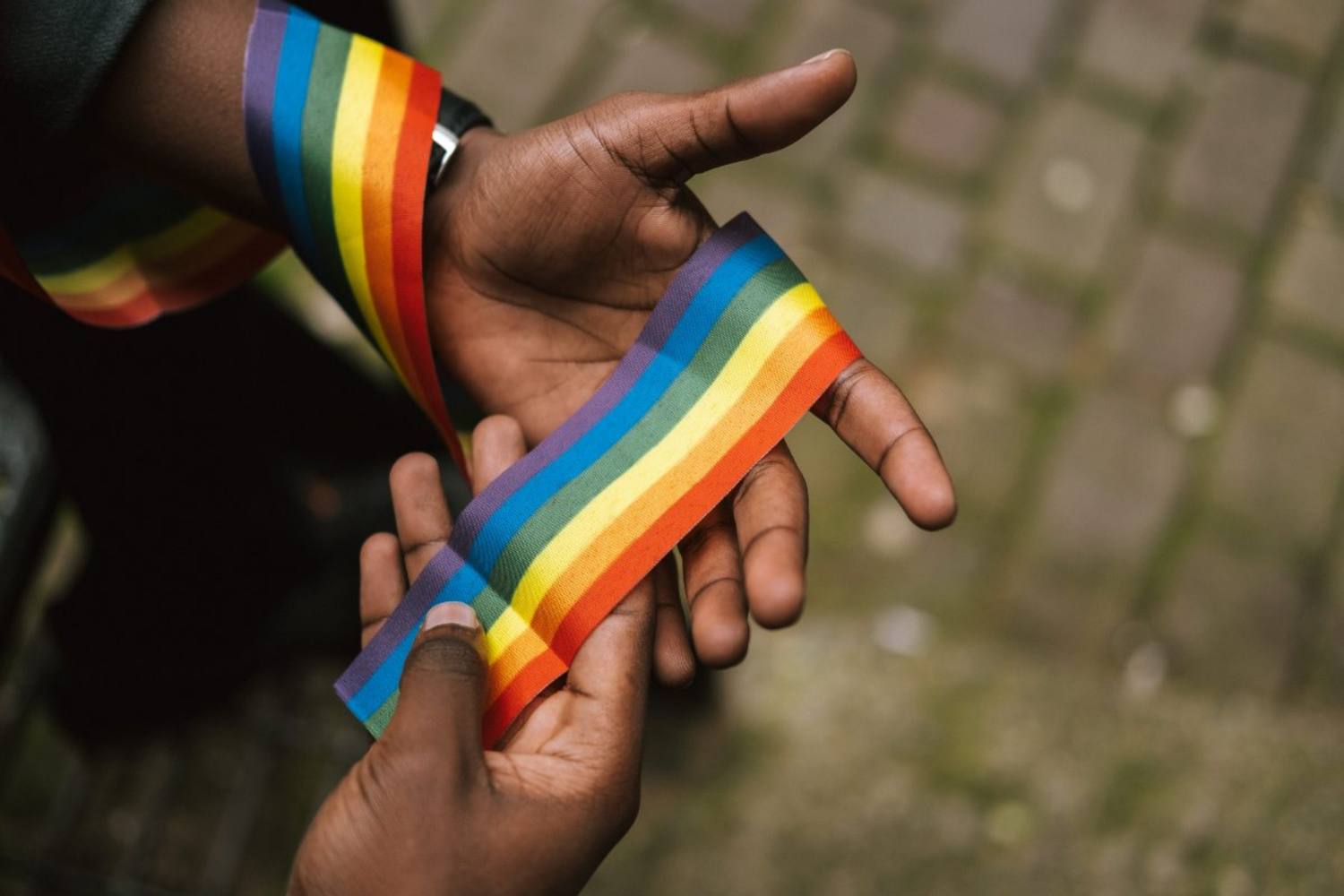
A law that toughens sanctions against same-sex relationships, doubling the maximum penalty.
It happens in Senegal, where the National Assembly has just decided with 135 votes in favor, no against and three abstentions, penalties of 5 to 10 years in prison for what the legislation defines as “acts against nature“, an expression used in the country’s penal code to indicate homosexual relations. The law must now be signed by the president Bassirou Diomaye Faye to officially come into force.
A new, serious provision that also introduces criminal sanctions for those who promote or support same-sex relationships. Those found guilty of advocating or financing initiatives related to LGBTQ+ rights instead risk 3 to 7 years in prison, while more severe financial penalties are also foreseen, with fines that can reach from 2 to 10 million CFA francs (from approximately 3,200 to 16,200 euros), much higher than the previous ones.
The maximum penalty may be applied in cases where the contested act involves minors. The text also includes a provision that punishes those who accuse someone else of homosexual relations without proof, a provision introduced to counter unfounded complaints.
An increasingly hostile climate
In recent months, there has been an increase in tensions and repression against the LGBTQ+ community in Senegal.
Dozens of men have been arrested under the country’s anti-homosexuality laws since February, according to multiple media reports. In some cases the investigations would have started from anonymous accusations or from the control of mobile phones.
The names of those arrested are often made public and some of them have also been accused of deliberately transmitting HIV, which has further fueled debate and stigma.
In recent years, the issue of LGBTQ+ rights has sparked strong controversy in the West African country, where the majority of the population is Muslim (and having homosexual relations has been a crime punishable by prison since 1966). Religious groups and conservative associations have repeatedly organized demonstrations to ask for harsher sentences, claiming that the defense of the rights of LGBTQ+ people represents an attempt by the West to impose foreign values on Senegalese society. Even the prime minister Ousmane Sonkobefore taking office in 2024, he promised to make homosexuality a more serious crime. The new law, however, formally maintains the current classification of a minor crime, a choice that has led part of the opposition to accuse the Government of not having kept the promises made.
A situation widespread in several African countries
Senegal is not the only African country to criminalize same-sex relationships. According to the data, at least 32 of Africa’s 54 countries have laws banning or punishing homosexuality.
In some states the penalties are particularly severe:
Result? Only an uncontrolled increase in discrimination, persecution and violence against LGBTQ+ people.
