
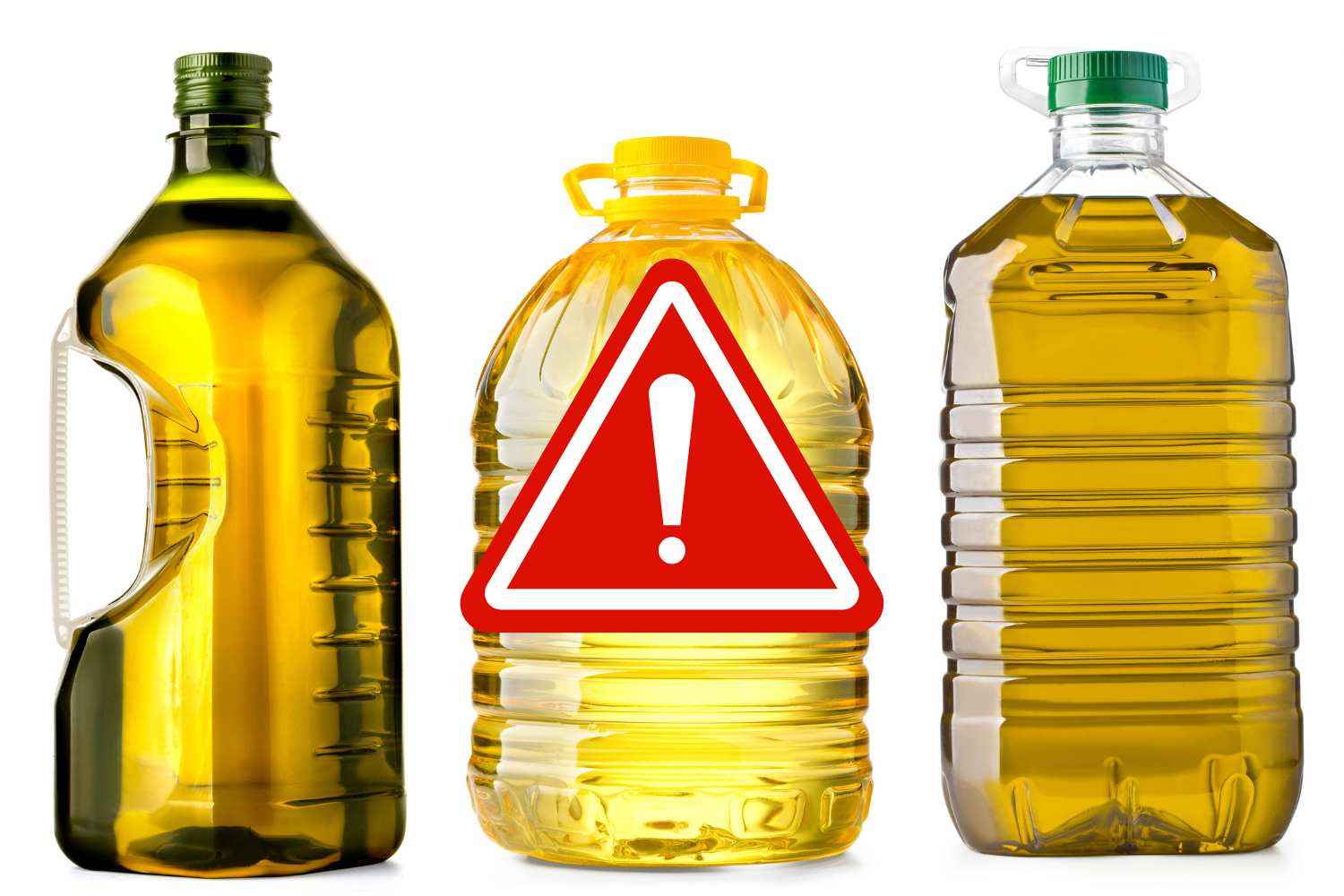
A scandal that made noise has broken out: in Puglia, in the municipalities of Leccese, it was discovered that the oil provided in the school canteens for pupils and kindergartens for the elderly was a mixture of seed oil and clear oil, passed off as organic extra virgin olive oil.
This oil, not suitable for human consumption, was used in the meals of those who have less voices – children, the elderly – exploiting a very low price to win public contracts.
The alarm does not only concern commercial fraud: there is concern for public health, food safety, transparency of contracts, and the trust that families make in the institutions that manage canteens and refectories.
Thinking oil: what is it?
Thinking oil is a precise category in the European legislation governing olive oils. It is not a colloquial or “market” vague term, but a technical identification for virgin oil that does not meet the chemical or organoleptic requirements to be sold as a “virgin” or “extra virgin”.
Among the most important parameters there is free acidity (expressed as oleic acid): the clear oil has more than 2%, while the virgin oil does not exceed it, and the extra virgin ils has a much lower limit (≤ 0.8%).
In addition to acidity, the clear oil has marked sensory defects: unpleasant smell, defective taste, no fruity, presence of negative aromas (rancid, mold, fermentation). It is not suitable for direct consumption.
What risks can involve ingesting it
There is no evidence that drinking a spoonful of clear oil causes a serious illness immediately, but the risk scenarios exist, especially if the exposure is habitual, if the product is degraded or adulterated, and if it involves vulnerable categories (children, elderly, people with weak immune defenses).
Potential risks:
Current legislation and control duties
European legislation establishes that the clear oil cannot be marketed as a virgin or extra virgin and cannot be intended for direct consumption. It must be rectified, refined, deacidified, decorated etc., to make it edible.
The chemical-physical and organoleptic parameters (acidity, peroxides index, aroma, absence of sensory defects) are controlled through laboratory analysis. National and Community authorities have the obligation to carry out periodic checks, especially in the food distribution sector, canteen contracts etc.
What to do and how to protect yourself
From the point of view of consumers, the first step is to demand transparency. Reading the label carefully, checking the presence of the wording “extra virgin olive oil”, origin, certifications and quality brands is not a detail, but an act of protection. Even the price must make you think: when a product presents itself as extra virgin at figures too low compared to the average, the suspicion is more than legitimate. In those cases, the only way is to be wary. If concrete doubts then emerge on the use of non -suitable oil, especially in school canteens or in those for the elderly, it is essential to immediately contact the competent health and control bodies.
For institutions and for those who manage the canteens, however, the responsibility is even bigger. Procurement cannot be limited to choosing the most convenient offer: in the specifications must be written in white that the oil provided will be subjected to severe checks, not only initial but repeated over time, with accurate chemical and sensory analyzes. Supplier self -certifications are not enough. Independent checks are needed, surprise samples, laboratory exams that guarantee compliance with the legislation and, above all, the safety of those who consume that oil every day.
Thinking oil is a real product, well defined by the law, but often obscured – until it emerges in the chronicles – from the cases of fraud. Using it in school canteens and for the elderly is not just a commercial offense: it is an affront to the right to health, the quality of food, and collective trust.
Those who eat – and above all those who decide what they are put on the most weak dishes – have the right to know. And those who market must respect the rules: there are no excuses.
