
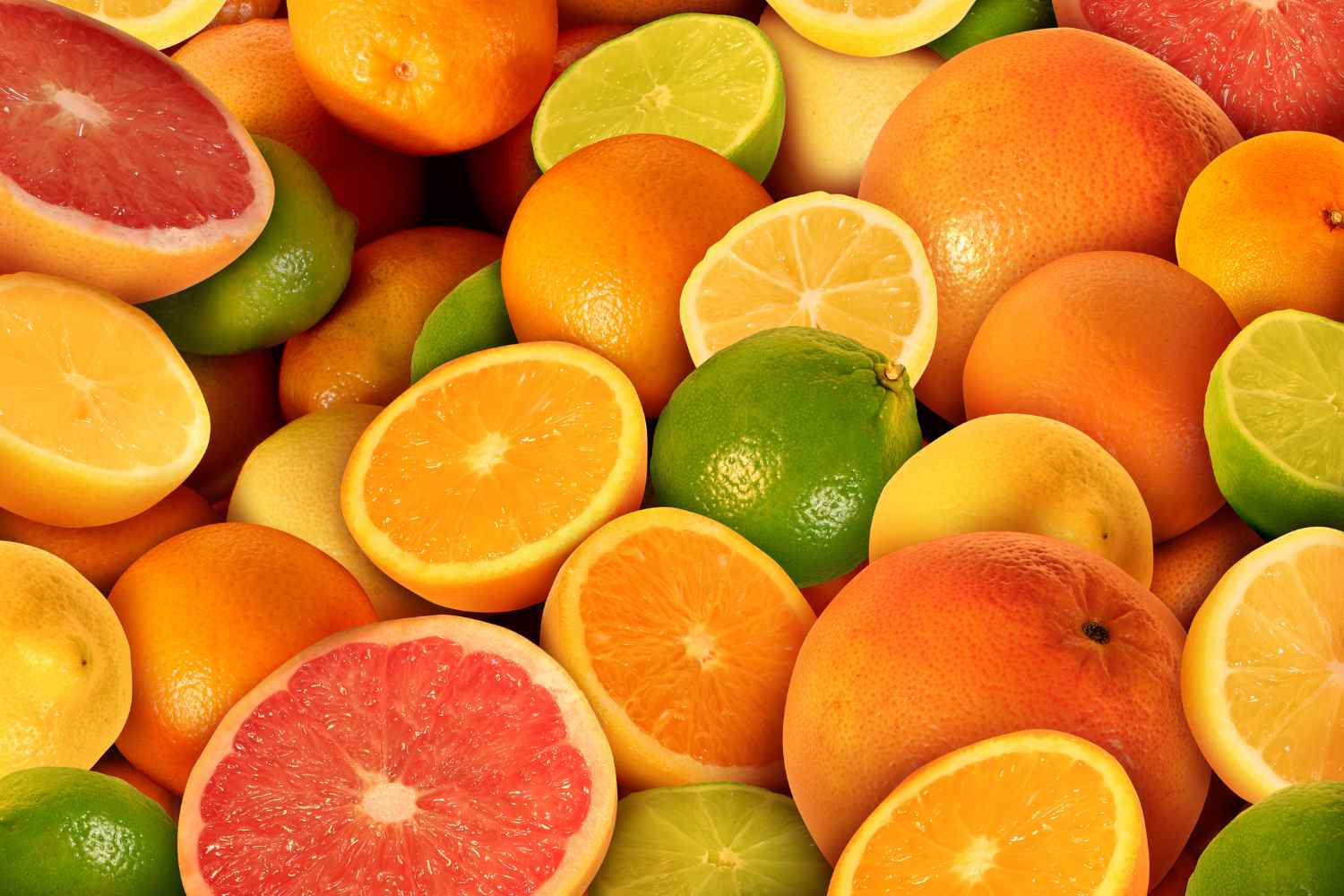
You say vitamin C and you immediately think of a beautiful, juicy orange. But this citrus fruit is not the best source of vitamin C that nature can offer us. Certainly, oranges are an excellent source of ascorbic acid, very useful – among other things – for preventing and combating seasonal ailments such as colds and flu, as it increases the defenses of our immune system.
However, the citrus fruit richest in vitamin C is clementine: this fruit, very sweet and seedless, comes from the grafting of mandarin and bitter orange, and contains 54 mg of ascorbic acid per 100 grams. We can choose to introduce them into our daily diet and consume them fresh, or use them to prepare delicious jams. And furthermore, we don’t throw away the peels: by drying them, we can transform them into very pleasant natural room scents.
(Read also: These are the unsuspected fruits and vegetables that have much more vitamin C than an orange)
7 good reasons to eat citrus fruits (not just in winter)
- They are rich in vitamins and mineral salts. In addition to vitamin C, citrus fruits are also very rich in B vitamins, but also in magnesium, phosphorus and copper – as well as over 60 varieties of flavonoids (very useful for the prevention of heart disease), carotenoids (with antioxidant power) and very fragrant essential oils.
- They are a source of fiber. Compared to other fruits and vegetables, citrus fruits are unique in that they have a higher ratio of soluble to insoluble fibre: just think that just one cup of orange segments already contains 4 grams of fibre, useful for improving the mobility of the digestive system, losing weight and preventing the onset of diabetes.
- They have few calories. Even if after eating a nice orange we feel full, in reality citrus fruits contain very few calories: it is their water and fiber content that have a strong satiating power. For example, a small clementine contains only 35 calories, a medium orange contains 62 and a lemon only 12!
- They reduce the risk of kidney stones. Kidney stones are often caused by low levels of citrate in the urine. Many fruits and vegetables, particularly citrus fruits, can increase citrate levels in the urine, reducing the risk of this problem occurring: drinking citrus juices can offer a natural alternative to potassium citrate supplements.
- They protect against cancer. Many studies have linked citrus fruits to a reduced risk of certain cancers. A study conducted a few years ago, for example, highlighted how people who ate a grapefruit or drank a portion of grapefruit juice every day had a lower risk of lung cancer. This is because citrus fruits contain a series of components with strong antioxidant power, capable of blocking the expression of some genes responsible for some degenerative diseases, including cancer.
- They improve heart health. According to a Japanese study conducted a few years ago, those who eat large quantities of citrus fruits have lower rates of heart disease and stroke. Furthermore, grapefruit would be linked to a natural decrease in blood pressure
- They protect the brain. Last, but not least, the flavonoids contained in citrus fruits can help ward off neurodegenerative diseases, such as Alzheimer’s and Parkinson’s, which result from the breakdown of cells in the nervous system: this is because these substances have anti-inflammatory capabilities that help protect against the chain of events that causes the deterioration of the nervous system.
How to store citrus fruits to preserve vitamin C
Vitamin C is a very delicate substance and degrades easily in contact with light, heat and oxygen. To best preserve the nutritional properties of citrus fruits, it is important to store them correctly. At room temperature, in a cool, dry place away from heat sources, citrus fruits keep well for about a week. If we want to prolong their freshness, we can store them in the fruit drawer of the refrigerator, where they can last up to three weeks. Once the citrus fruit has been cut or squeezed, however, vitamin C begins to degrade rapidly: a freshly squeezed juice, for example, should be consumed within 15-20 minutes of preparation so as not to lose most of its benefits. Even the peel of citrus fruits, rich in essential oils and flavonoids, should be consumed within a short time if grated.
The best time to consume citrus fruits
Contrary to what you might think, consuming citrus fruits on an empty stomach is not always the best choice, especially for those suffering from gastric acidity or reflux. The ideal is to eat them as a mid-morning or mid-afternoon snack, away from main meals, to allow our body to better absorb vitamin C without interfering with the digestion of other foods. However, there is an important exception: if we consume foods rich in iron of plant origin, such as legumes or green leafy vegetables, accompanying them with citrus fruits during the meal can triple the absorption of iron thanks to vitamin C. Combining citrus fruits with dried fruit such as almonds and walnuts also enhances their benefits, creating a perfect mix of vitamins, minerals and good fats that our body can make the best use of.
Other little-known citrus fruits rich in vitamin C
In addition to the classic oranges and clementines, there are lesser-known citrus fruits that are equally rich in vitamin C and deserve to be discovered. The kumquat, for example, is a small citrus fruit of Asian origin that is eaten with the whole peel and contains around 44 mg of vitamin C per 100 grams, as well as being rich in fiber and essential oils with an intense flavour.
Bergamot, typical of Calabria and famous for its use in perfumery, contains 60 mg of vitamin C per 100 grams and is also appreciated for its cholesterol-lowering properties.
Citron, one of the oldest citrus fruits, with its thick and fragrant peel, offers around 50 mg of vitamin C and is traditionally used to prepare candied fruit and digestive liqueurs.
Finally, the Australian finger lime, with its small caviar-like vesicles, is also conquering Italian tables thanks to its fresh flavor and its vitamin C content which exceeds that of oranges.
Is vitamin C lost during cooking?
Vitamin C is particularly sensitive to heat and tends to degrade during cooking processes. When we prepare jams or desserts with citrus fruits, prolonged boiling can destroy up to 50-70% of the ascorbic acid content present in fresh fruit. For this reason, the best way to benefit from all the vitamin C in citrus fruits is to consume them raw and fresh. If we really want to cook them, we can opt for short cooking at low temperatures, or add citrus juice and grated zest only at the end of cooking, when the dish has already cooled. Another intelligent strategy is to use citrus fruits in raw preparations such as salads, fish carpaccio, condiments for cold pasta or uncooked sauces, where vitamin C remains completely intact and the flavor of the citrus fruits is more lively and intense.
We also recommend:
