
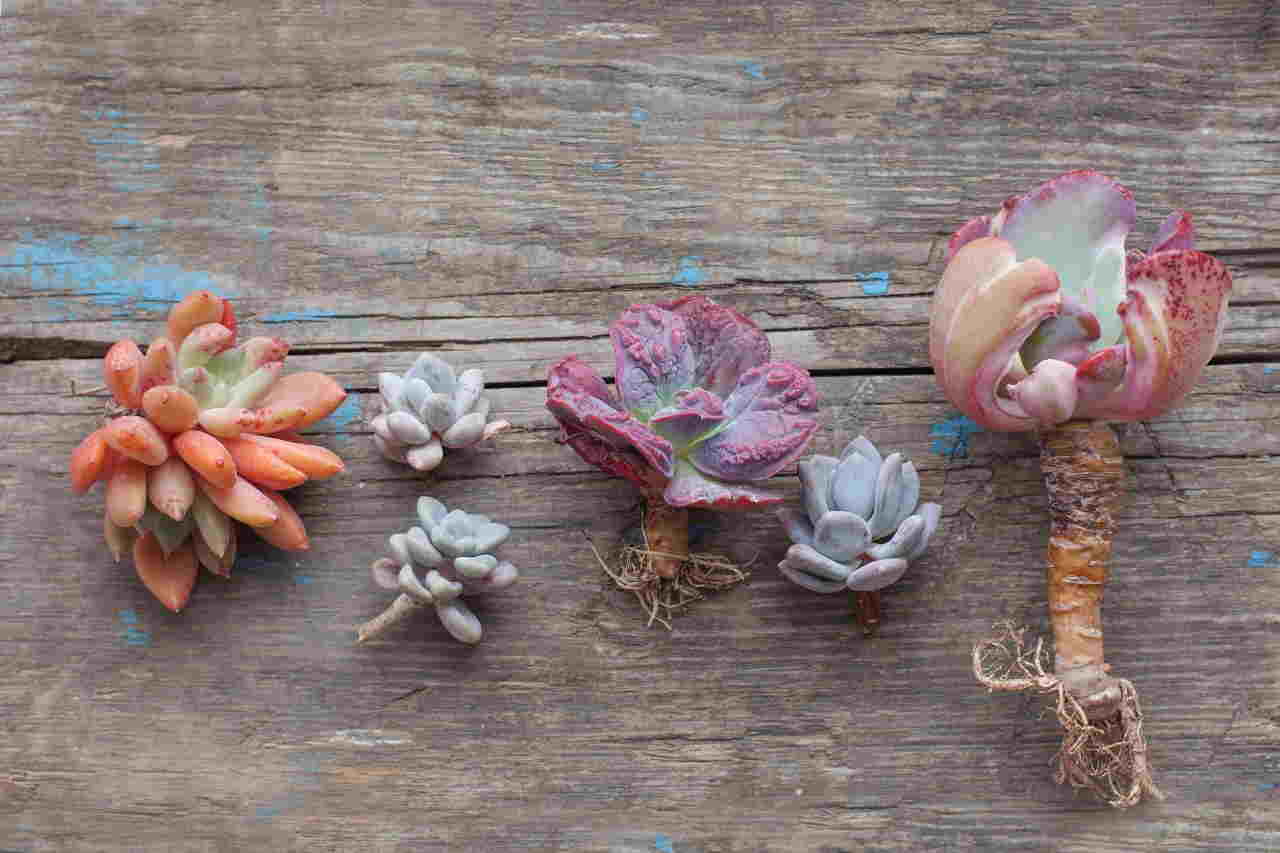
There cutting It is a widely used propagation method, as it needs a few precautions. In addition, from a single plant, even small, many cuttings can be obtained equal to the mother plant.
This technique is widely used in gardening to allow the growth of a new plant, through the removal and transplantation, in water or earth, of a part of the mother plant. How does it happen? The cutting of cutting It stimulates the regeneration of the missing parts of the plant, such as leaves and roots, up to the formation of a real clone of the mother plant.
There cutting technique It is quite simple to reproduce, it all depends on your manual skills and the type of plant you choose.
True technique: the parts to be used
The first thing to know about cutting techniqueis that various parts of the plant can be used, such as:
Obviously, if you use the talea technique it is important to transplant the removed portion by keeping the polarity; That is, always respecting the sense of growth. This technique varies according to the type of plant and, as regards the fatty plantsjust remove a sprig, as in the case of geraniums, or a small portion of stem and insert it in the water to obtain new roots over time.
Talea: how and when it is performed
For perform a cutting must take twigs from plants, Eliminate basal leaves and, In the end, Put them to root in small jars with soil; It is appropriate to place them in an enlightened place, not in direct contact with the sunlight and quite repaired.
THE chilled twigs must not be particularly long, in general 10-15 cm they are widely sufficient; It is not said that all the twigs take root, consequently To be sure of the success, the advice is to put different ones to root.
The cuttings can be performed at different times of the year, even if it is better to do it in the spring; they are, however, to be avoided summer and winteri.e. the periods of the year of maximum hot and excessive cold. It is also appropriate to pay attention to the land Which must always be sufficiently humid, but without stagnation of water otherwise you risk making the plant rot.
How to choose the mother plant
There choice of the mother plantfrom which to withdraw the twigs to multiply must be done with extreme attention; qUeast, in fact, it must be healthy and luxuriant, preferably strong and able to resist diseases and parasites.
Obviously, it should be emphasized that daughters plants will not necessarily be identical to the mother plant, as on the appearance, health and productivity of a species also affect other factors, such as the pruningthe microclimate of the place, the fertilizations and the irrigation. (Read also: 10 plants to be grown by cutting)
Plants used for the talea technique
There cutting It can be practiced for different plants, both from fruit and ornamental, but also aromatic, up to fatty plants.
Among the species aromatic We find: rosemary, sage, mint, lavender, laurel, thyme and many others; while among the ornamental There are oleandro, ivy, jasmine, rose, hydrangea, bougainvillea, and glyce etc … there are also fatty plants, such as the sanseveria And the prickly pear, on which the talea technique can be performed and obtain many other similar seedlings. (Read also: 10 plants to be cultivated by cutting)
How to water the cuttings
Water is one of the most important elements for the cuttings; In fact, the soil where new roots develop must always be maintained humidavoiding that it dry too much and, at the same time, paying attention to stagnation.
For water the cuttingsthe Council It is to vaporize them regularly, at least twice a day, especially in the periods of greatest hot. (Read also: Water the plants: 8 tips to save water and irrigate better)
Types of cuttings for fatty plants
For fatty plants, the spring and theThe beginning of autumn are the best moments to derive the cuttingsfrom which to obtain new seedlings. The reason? These need to average temperaturesand a minimum of humidity in the air. (Read also: Rose: how to cultivate them, prune them and reproduce them by cutting (from a potato)
Tale of Fusto
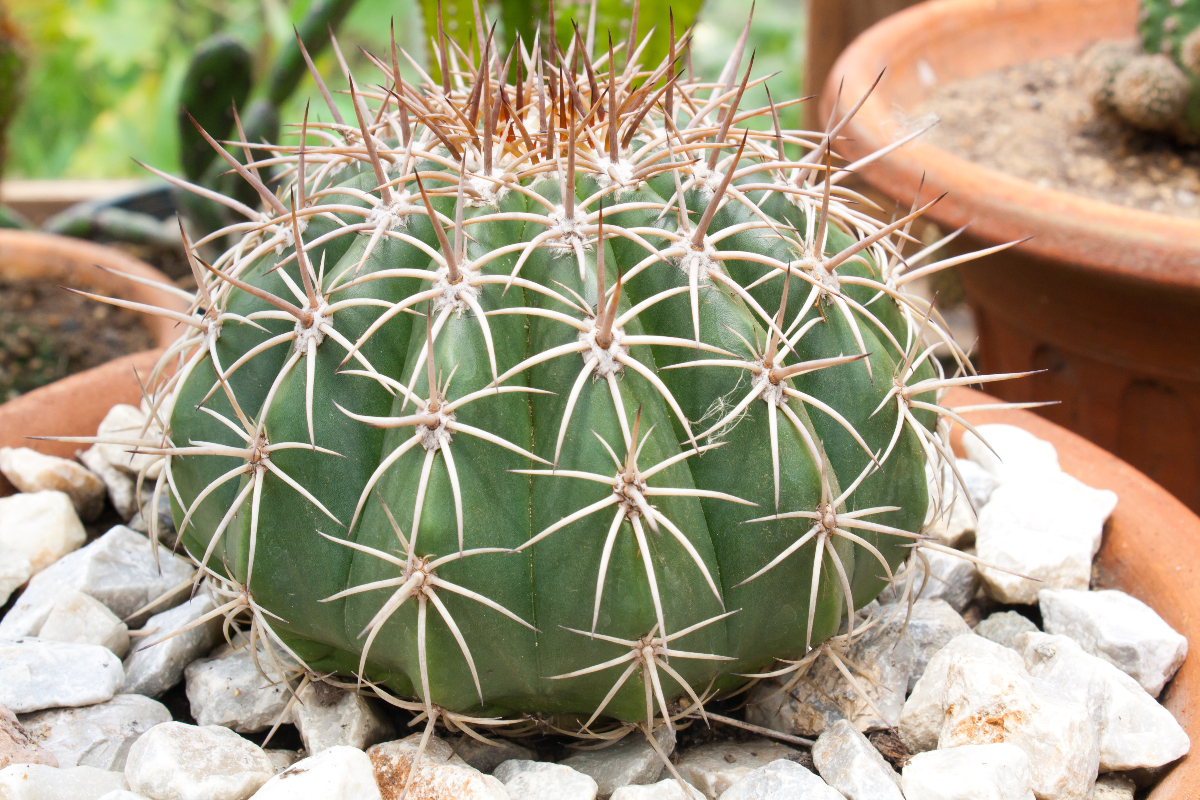
There Tale of Fusto It is carried out on fatty plants Spinose with ball or cylinderwhen they emit new stems above or on one side of the main stem. Here’s how to perform it:
We remind you that this cutting goes slightly vaporized with water at least once a week, but only for moisten the ground. In addition, the vase must be placed in a place with a lot of light and a temperature of about 25 °; Direct sunlight should be avoided.
Talea of Foglia
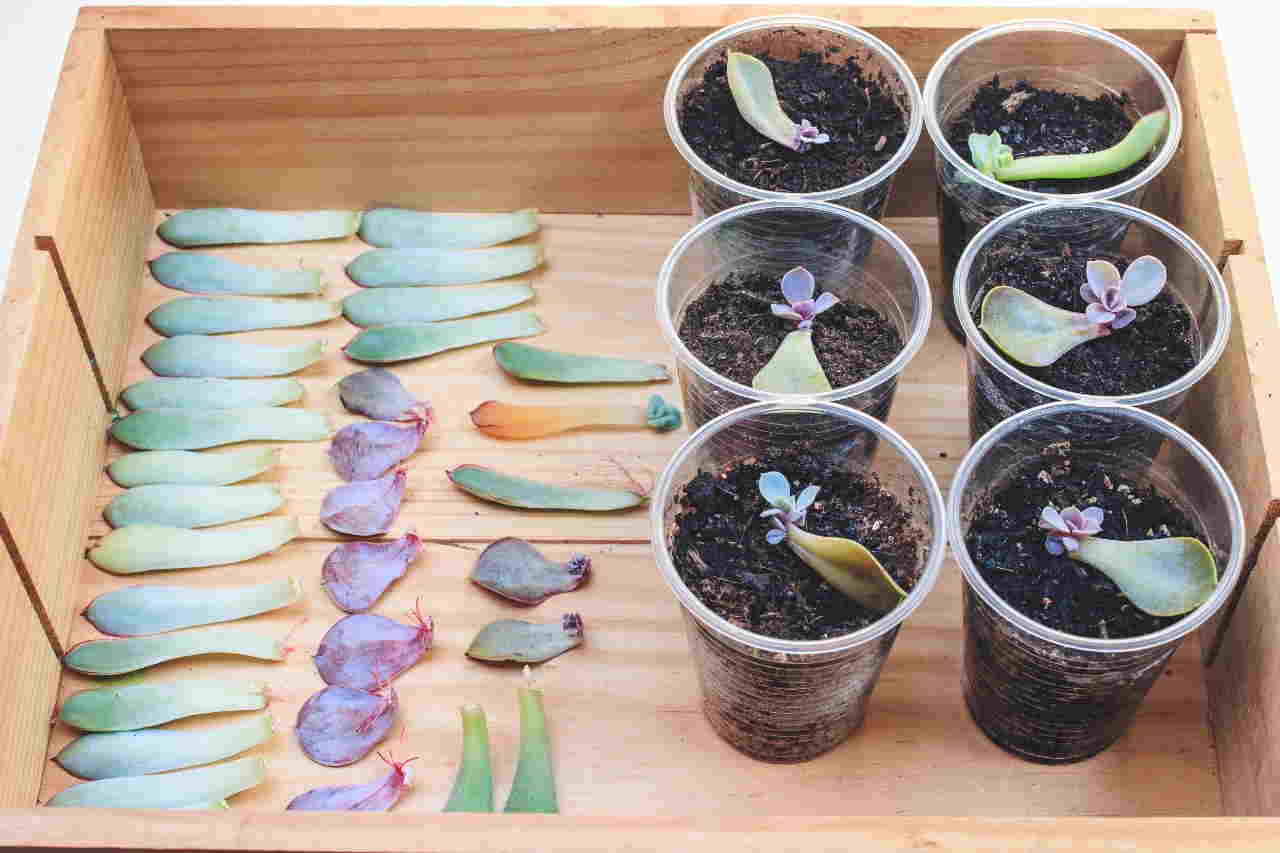
There Talea of Foglia It is useful for some fatty plants; Here’s how to perform:
It is appropriate to vaporize with a little water every 15-20 days. If everything is performed correctly, the seedlings will be Ready for the rewarding after about 60-70 days.
Pollone cutting
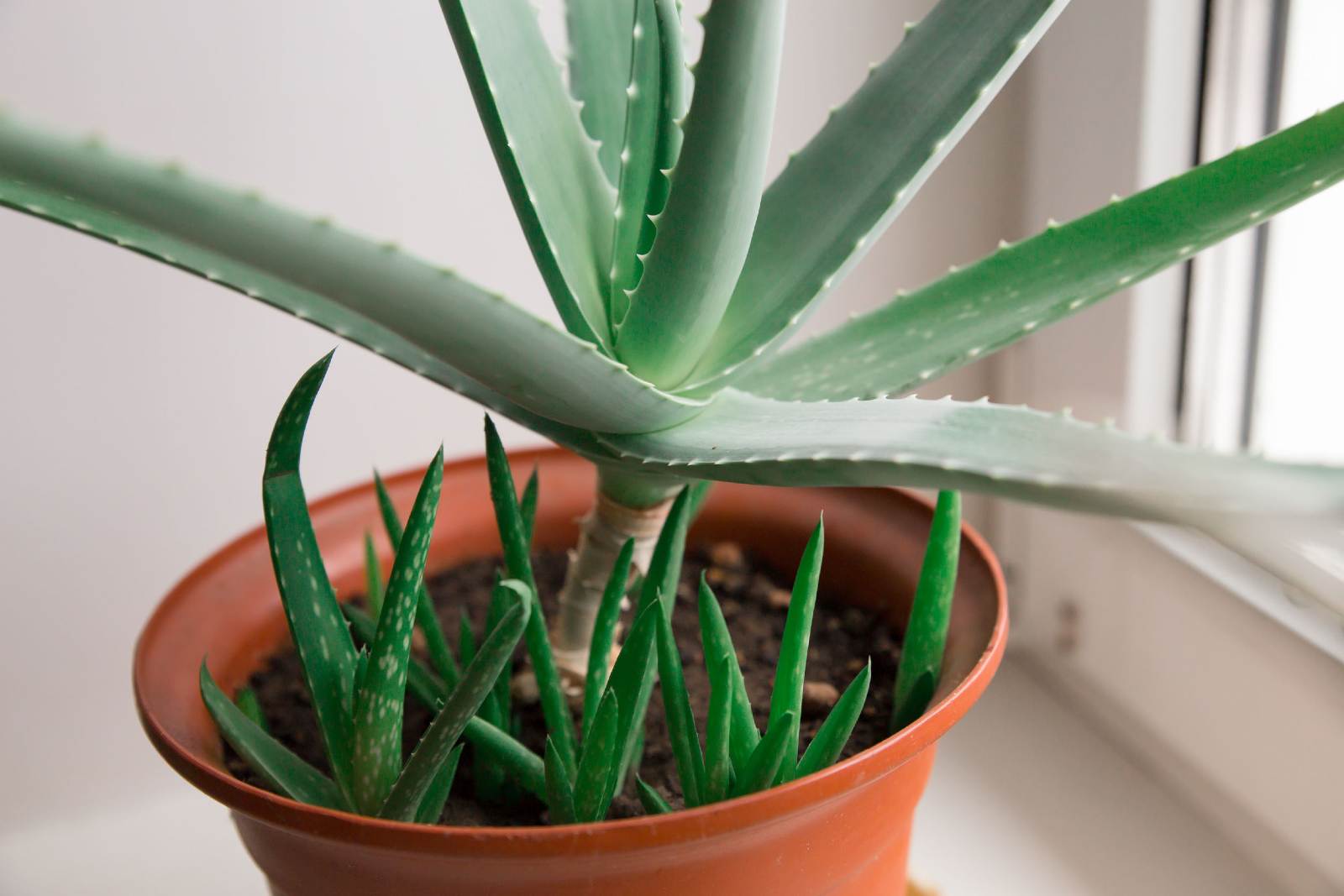
There Pollone cutting it concerns fatty plants, like aloe e Agavithat is, those for which larger vases are needed, or you need to divide the jets from the mother plant. (READ ALSO: ALOE VERA, How to cultivate it at home to have juice and gel always available)
Here’s how to proceed:
For the earth we recommend using peat and sand in a ratio of 1: 2; Place the jars in the shade, slightly vaporizing the ground every 15 days.
Natural radical hormones: how to stimulate the growth of the roots
To increase the chances of success in the propagation by cutting, you can use natural radical hormones, substances that stimulate the development of the roots in the chopped twigs. There are several ecological alternatives and easy to find:
The errors to avoid
Even if the talea technique is simple, there are some common mistakes that can compromise the success. One of the most frequent is that of Cut the cutting too close to the apex of the branchwhere the fabrics are still too young and weak to develop roots. Another recurring mistake is ignore the polarity: Each cutting must always be transplanted respecting the natural verse of growth, otherwise it will not be able to root.
Attention also to the excess of water: a soil so -called soil easily leads to marching, especially if the plant is in an unreserved environment. Finally, many pose the cuttings directly to the sun, thinking of helping them, but direct light, especially in the hottest hours, only risks stressing them further. Better to opt for a bright but sheltered place, where they can grow gradually and safely.
You may be interested in:
