

In the territory of the Sardinian village of Uproarin the province of Sassari, a few kilometers from the sea and immersed between reliefs of pink tuff, we find the Necropolis of Monte Siseria Funeral complex of 5000 years ago which represents the oldest testimony of Italian hypogeic architecturea real sanctuary of death dug in the living rock.
The necropolis consists of Four Domus de Janasthe ancient chamber tombs that the Sardinians poetically call “fairies’ houses. Among these emerges the extraordinary tomb of painted architecture, locally known as Si incantu“The enchantment”.
The name could not be more appropriate to describe such a masterpiece of prehistoric funeral artwhich has crossed fifty centuries to reach us.
A journey through time through the rock
To reach this sacred place you have to travel about ten kilometers from putifigari, following the State 127 bis And then well reported rural roads. The last stretch is faced on foot along a path of 800 meters that leads to the tuphaceous reinforcement where the ancient Sardinian populations decided to create their bridge towards the afterlife.
S’edantu presents itself as an articulated complex: a long corridor of almost seven meters, the dromos, introduces the entrance pavilion. From here you can access the angle of trapezoidal shape, with a lowered floor of one meter and a semi -cylinder step that facilitates access to the main chamber. The walls are decorated with relief architectural elements that reproduce the houses of the living: false doors that symbolize the passage in the underworld, taurine protomes that recall ancient cult cults, double pitched ceilings that imitate the Neolithic huts.
In the center of the main chamber, a ritual cup surrounded by four perfect concentric circles served as a sacred hearth. Every architectural detail speaks of a complex spiritual conception, where death was not an end but transformation, and the tomb became a eternal home modeled on the world of living.
A heritage recognized in the world
In July 2025, the Necropolis of Monte Siseri has officially entered the UNESCO World Heritage together with 16 more Domus de Janas Sarde (we talked about it in this article).
The recognition of UNESCO concerns in particular the monuments included in the serial site “Art and architecture of prehistoric Sardinia. A goal that rewards the exceptional universal value of these monuments, considered The most important manifestation of hypogea funeral architecture of the western Mediterranean.
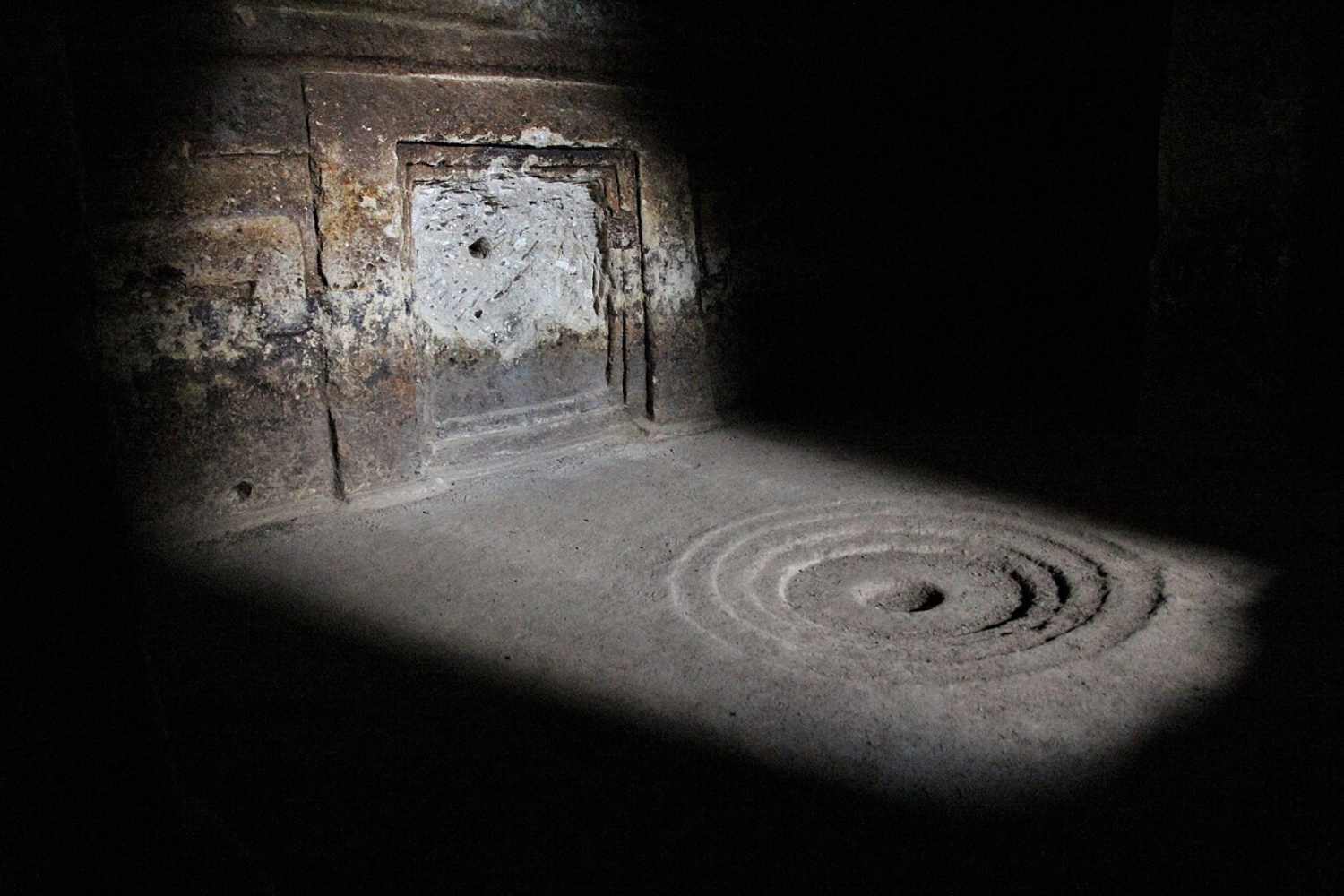
The archaeological excavations conducted in 1989 by Giovanni Maria Demartis allowed to date the complex between 3200 and 2600 BCplacing it in the transition period between the final Neolithic and Aeneolithic. The finds found testify to a continuity of millennial use: from the ceramics of Ozieri’s culture to medieval materials, a sign that these places maintained their sacred character through the eras.
Putifigari, memory custodian
The village of Uproarjust 700 inhabitants, stands on a small hill surrounded by vineyards that produce an excellent cannonau. Center of ancient agro -pastoral tradition, it preserves the traces of a story in the urban fabric which from the res judicata of Torres passes through the dominion of the Doria, the Aragonese and the Marquises Boyl.
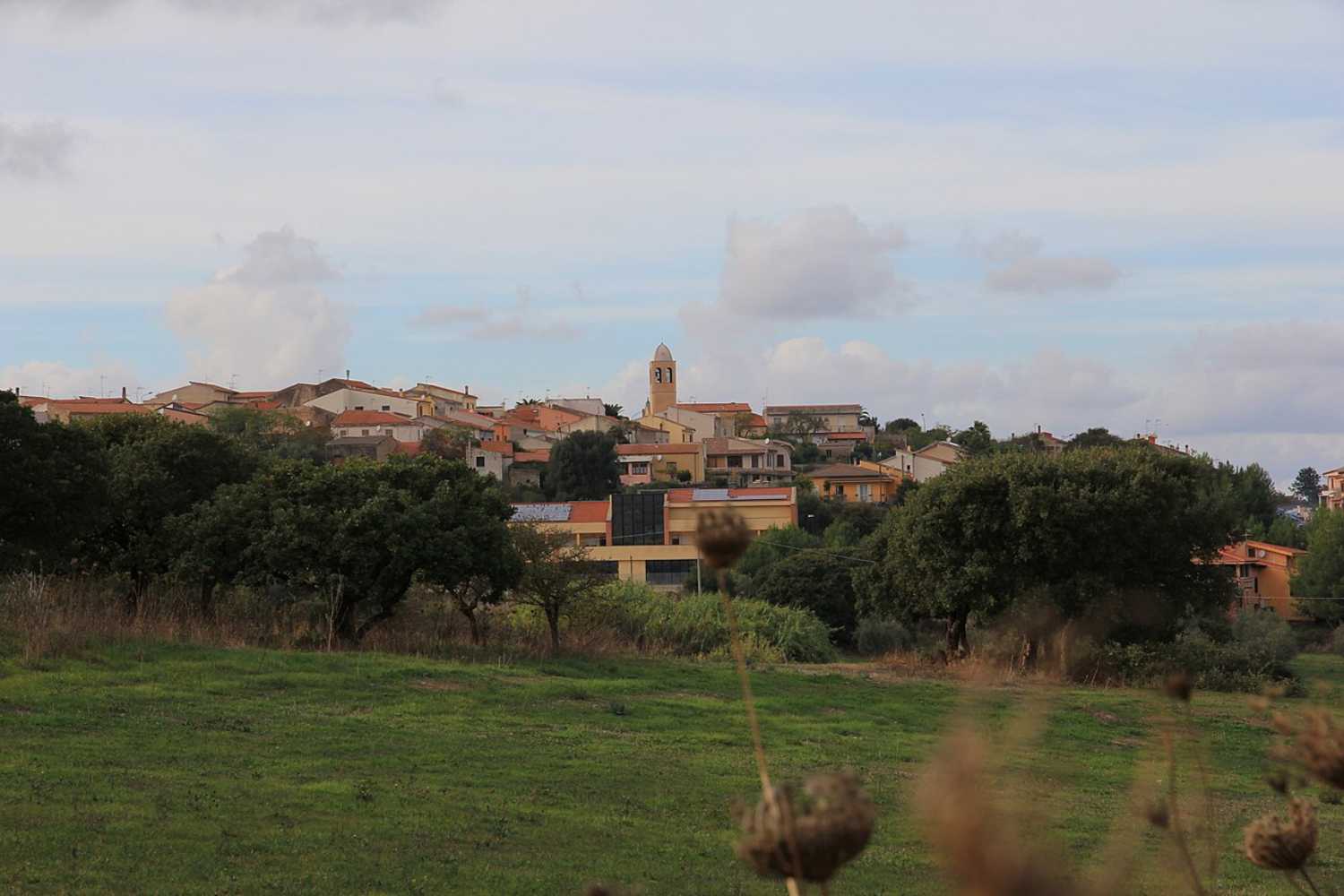
In the heart of the country, the eighteenth -century Church of Our Lady of S’ena Frisca testifies to the spiritual continuity of these places. The name of the patroness, which means “fresh water”, recalls ancient legends related to sacred sources, while traditional holidays like that of late May maintain the link between the community and the territory alive.
A future of enhancement
The Sardinia Region has allocated 15 million euros To ensure the full usability of UNESCO sites. The interventions planned aim at Improve accessibility and safetywhile preserving the integrity of these extraordinary monuments. “The Domus de Janas are an invaluable testimony of prehistoric Sardinia and must be valued at most to become a socio -economic attractor for the entire island,” said the regional councilor for Cultural Heritage Ilaria Portas.
Visiting the Necropolis of Monte Siseri means make a trip to the roots of the Mediterranean civilizationwhere art and spirituality merge into an eternal dialogue between life and death, between past and present. An experience that leaves you breathless, just as the name sifted: an enchantment carved in the rock that continues to speak after more than five thousand years.
