
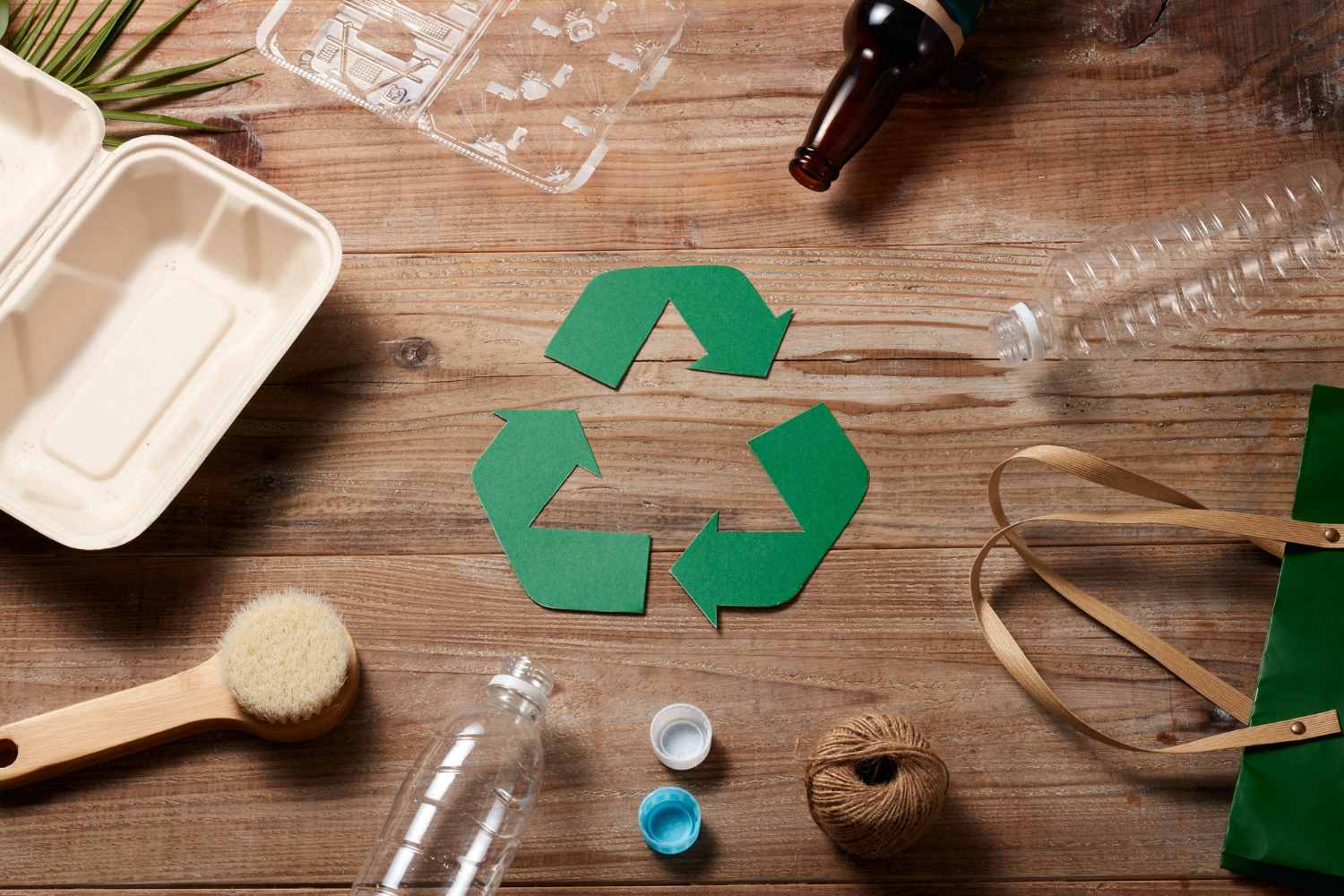
Notebooks with certified paper, recycled cardboard bags, disposable wooden tableware, toothbrushes with bamboo handles: even in low-cost shops like Flying Tiger Copenhagen, more and more products are appearing with the FSC brand, that little tree that promises responsibly managed forests. Flying Tiger claims that most of its wood and paper products are FSC certified, but when are wood and paper really a better choice? And what does that certification really guarantee?
What FSC means and why it matters
FSC (Forest Stewardship Council) is an international non-governmental organization founded in 1993 that has created a forest certification system recognized worldwide. FSC certification guarantees that wood, paper and derived products come from forests managed according to rigorous environmental, social and economic standards. There are three types of labels: FSC 100% for products entirely from certified forests, FSC Mixed for certified and recycled materials (minimum 70%), FSC Recycled for materials exclusively from recovery. The “checkmark-and-tree” brand identifies certified products, guaranteeing traceability from origin to point of sale through the Chain of Custody.
Paper and cardboard: recycling as the first rule
Recycled paper remains the most sensible choice for notepads, notebooks, boxes and bags. Producing recycled paper requires up to 60% less energy and 70% less water than virgin paper. A real advantage, even though paper and cardboard can only be recycled 5-7 times before the fibers lose quality and require the addition of new cellulose. For virgin paper, however, it is necessary to verify FSC certification, which guarantees origin from forests managed according to rigorous standards. A system that works if controls are respected along the entire production chain.
Wooden tableware and packaging: when it makes sense
Disposable wooden plates and cutlery are biodegradable and compostable, unlike their plastic equivalents. The material is durable and visually pleasing. But sustainability depends on the origin: only if the wood comes from sustainable forestry is the environmental impact lower. Furthermore, for products intended for quick use, wood may not be the optimal choice in terms of resources used. Wooden packaging such as pallets and crates, on the other hand, has a long life, good stability and resistance to temperature and humidity, easily adapts to specific needs and, if FSC certified, represents a valid alternative to plastic.
The bamboo toothbrush: lights and shadows
Toothbrushes with bamboo handles have become the symbol of domestic sustainability. Bamboo is a very fast growing plant, it does not require pesticides or artificial irrigation, and has natural antibacterial properties, without forgetting that the handle decomposes in a few years compared to 500 years for plastic. The reality, however, presents some complications, because the bristles are often made of nylon (therefore not biodegradable), the handle tends to absorb humidity, developing bad odors or mold if not dried carefully, and the cost is higher than traditional toothbrushes (from 3 to 12 euros). Additionally, most bamboo is grown in China, and intercontinental transportation increases the product’s carbon footprint.
Wooden gadgets and accessories
Sharpeners, pens, candle holders and frames made of wood or recycled cardboard are concrete alternatives for reducing plastic in everyday objects. Many companies produce accessories with FSC certified wood or recycled paper, offering functional and aesthetically pleasing products. The choice becomes sensible if it concerns objects that last over time.
FSC certified wooden toys
The FSC certified wooden toys guarantee origin from controlled forests and are free of dangerous chemicals. They are more durable than cheap plastic toys and can be passed down. FSC certification is fundamental: without it, the risk is contributing to deforestation.
Napkins and paper cups
For events and parties, napkins and cups made from FSC certified or recycled paper are preferable to disposable plastic equivalents, but they must be disposed of correctly, and if they have internal linings, they cannot be recycled with normal paper.
Cardboard packaging for food
Cardboard is the most used and recycled packaging material in Europe. It is suitable for dry products such as flour or pasta, and over 70% is recycled. Recycled cardboard boxes reduce the felling of trees and energy consumption, and even in this case those with FSC certification or those produced with waste paper should always be preferred.
Certified wood panels and furniture
Furniture and furnishing accessories in FSC certified wood or made with recycled wood represent a virtuous choice for those seeking durability and quality. Ikea, for example, has achieved the goal that over 98% of the wood used in its products is FSC certified or recycled, with a rigorous traceability system that maps the entire chain from cutting to final product.
Decorative and DIY objects
Christmas decorations, frames, photo holders and decorative objects in wood, cardboard or recycled paper ensure a warm and genuine aesthetic. Furthermore, by favoring local artisans and small producers, the impact of transport is also reduced.
Diaries, notebooks and stationery items
Notebooks with recycled cardboard covers, diaries in FSC certified paper, pens with cardboard or wooden barrels. Stationery is one of the sectors where sustainable alternatives are more accessible and functional.
The dilemma of real sustainability
Paper and wood are not automatically better than plastic, because paper production requires energy and resources, and without proper forest management it contributes to deforestation. Plastic can be recycled an unlimited number of times (although few products actually are), while paper and wood have limited recycling cycles.
The most sustainable choice? Reduce, reuse, choose durable products and always check certifications. FSC certified or recycled wood and paper represent a step forward, but only if accompanied by conscious consumption and correct end-of-life management.
