

The seasons of the past, those well outlined and easy to predict, now seem to be a distant memory. With the climate that seems to go crazy and the temperatures that escape every forecast, it is increasingly difficult to prepare for the various stages of the year. The summers become torrid and the winters freezing, but also the half seasons, once a symbol of transition, now seem to have reduced to confused and variable periods. But don’t despair! In a world where time is increasingly unpredictable, it is possible to make our garden resistant and fascinating, thanks to plants that can adapt and thrive in any type of climate.
Here are ten varieties that, with their beauty and resistance, will not only embellish your green space, but will make it even more lasting and easy to maintain.
Cipolla bamboo (pseudosasa japonica)
Cipolla bamboo, also known as Pseudosasa Japonica, is a plant from Japan who has conquered the heart of many gardeners for its beauty and resistance. Despite its exotic and fascinating aspect, this variety is not as intrusive as other types of bamboo, which makes it perfect for smaller gardens. It grows slowly, reaching the maximum two meters in height. Its thin and delicate stems give an elegant touch to any garden. This plant, which needs little maintenance, is particularly resistant to the most varied climatic conditions. In addition, it does not require too direct sun and adapts to multiple types of soil. The cost of a specimen is around 30 euros, a price that is worth such a durable bamboo.
Banano del Nord (Asimina Triloba)
The Triloba Asimina, commonly called North Banano, is a plant that is not only resistant to the cold, but also has a spectacular appearance. Its fruits, which resemble bananas but with a more creamy and fragrant pulp, are a dream for those who love exotic fruits but live in cold areas. Resistant up to -25 ° C, this plant does not fear even the hottest summers, making it perfect for extreme climates. It also grows well in partial shadow, but do not hesitate to position it in a sunny corner to obtain the best fruits. In Liguria, for example, it is cultivated without irrigation, a sign of its robustness. The cost for a specimen is around 35 euros, but the result is worth every penny.
Rosa Sanguinea (Rosa Chinensis Sanguinea)
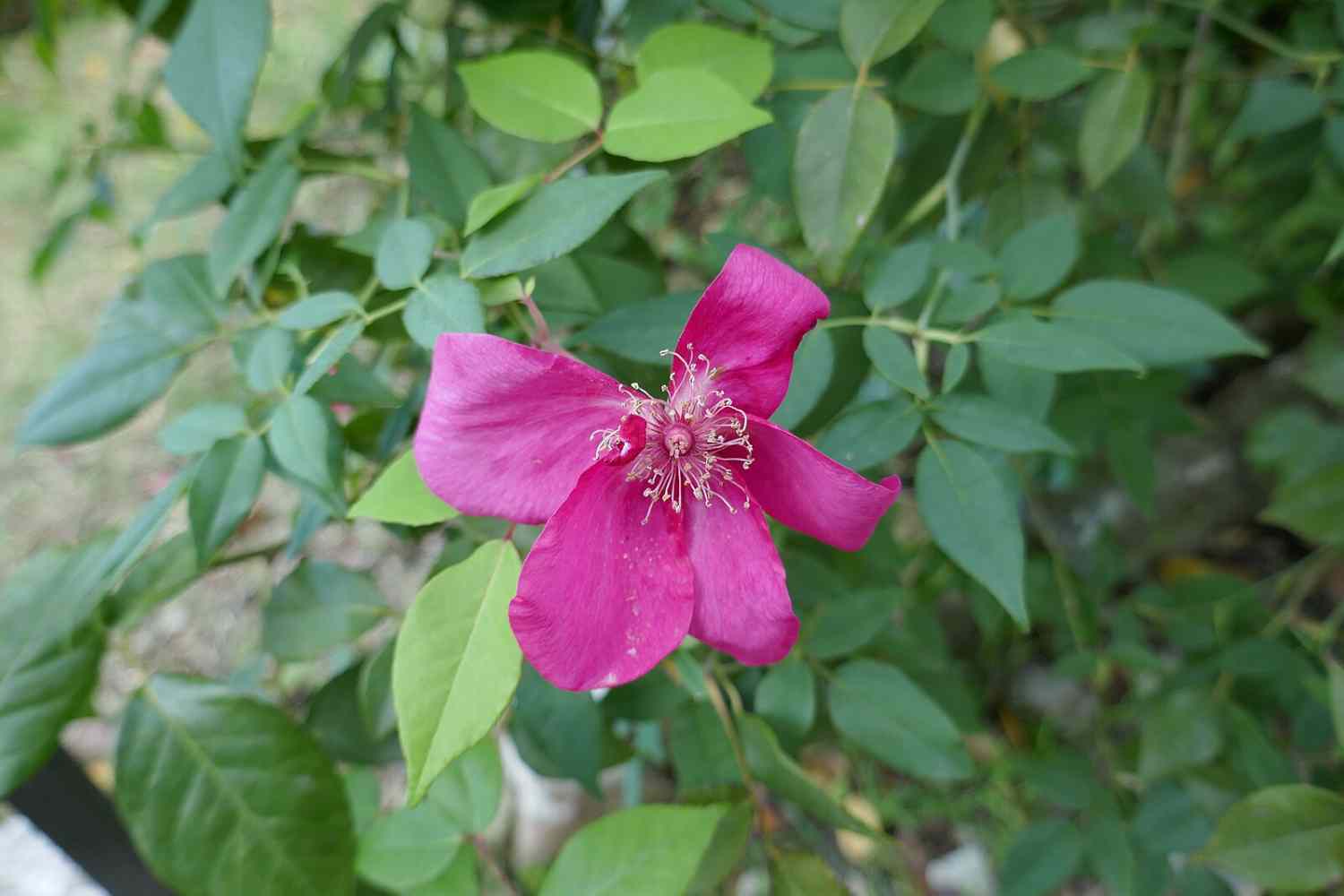
La Rosa Sanguinea, who arrived in Europe at the beginning of the twentieth century, is one of the most resistant roses to the extreme climates and the diseases that frequently affect roses plants. It is capable of blossoming for 8-10 months, giving red flowers of considerable size and with five petals, perfect for those looking for a rose that not only is beautiful, but that lasts over time without too many attention. Growing up in large bushes, it is ideal for the creation of sturdy and easy to maintain hedges, without the need for continuous pruning interventions. Its resistance and duration of flowering make it a perfect choice for those who want a spectacular and climate proof plant. The cost of a specimen is around 15 euros.
Gagliarda Allegra (Gaillardia aristate ‘Goblin’)
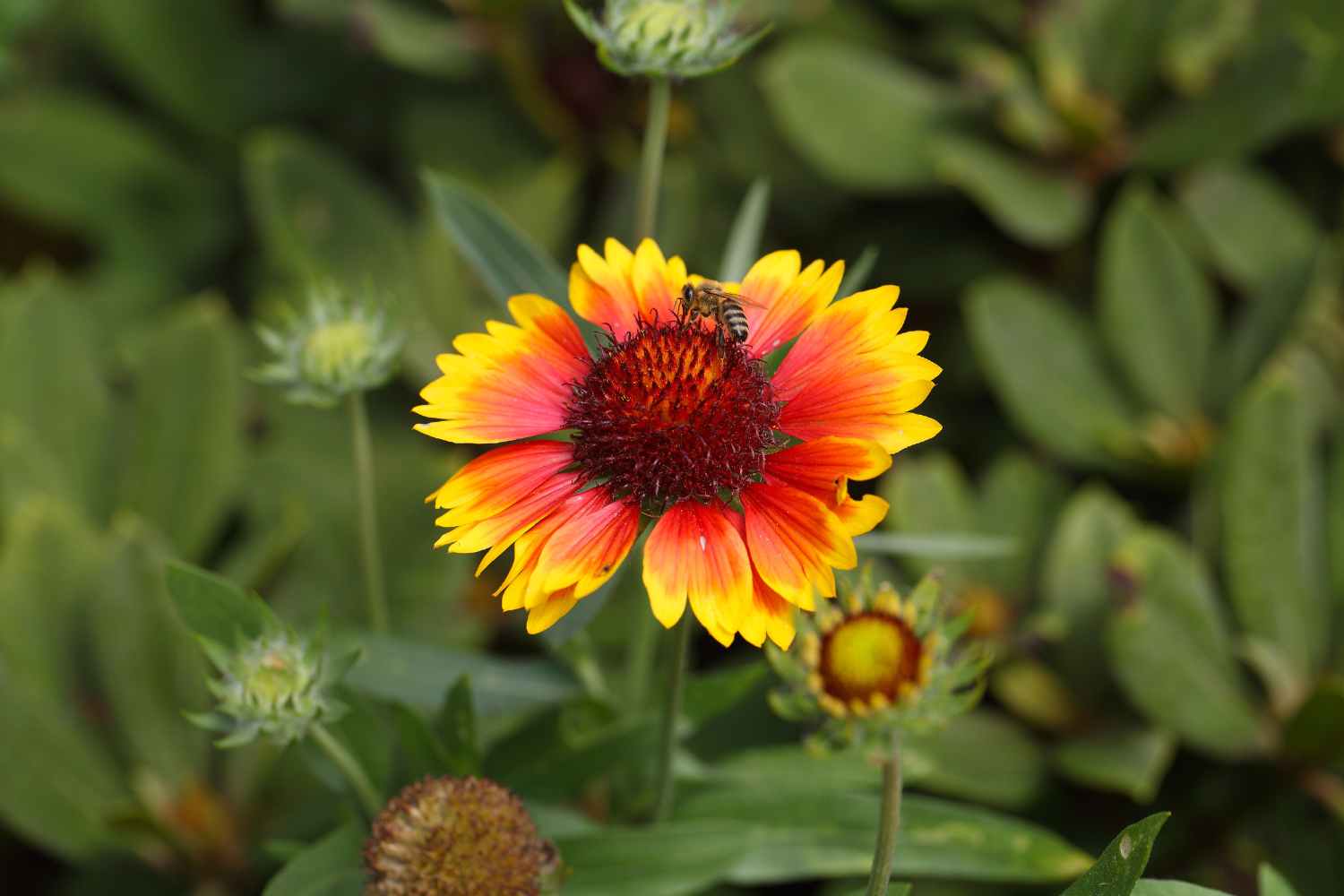
If you are looking for a plant that not only resists the cold, but that it is also a source of color in your garden, the cheerful Gagliarda is the ideal choice. With its petals with red and yellow tones and its height of about 30 cm, this Margherita does not need many attention to grow healthy and flourishing. Gagliarda blooms generously from April to September, giving a touch of liveliness even in the gray months. Resistant to intense cold, it only requires occasional irrigations and a sunny position. It is a plant that reproduces independently once germinated, making it perfect for those who want an undemanding garden. The seeds of this plant are very cheap, about 1.50 euros.
Oleandro jewel (Nerium Oleander ‘Vespuzio’)
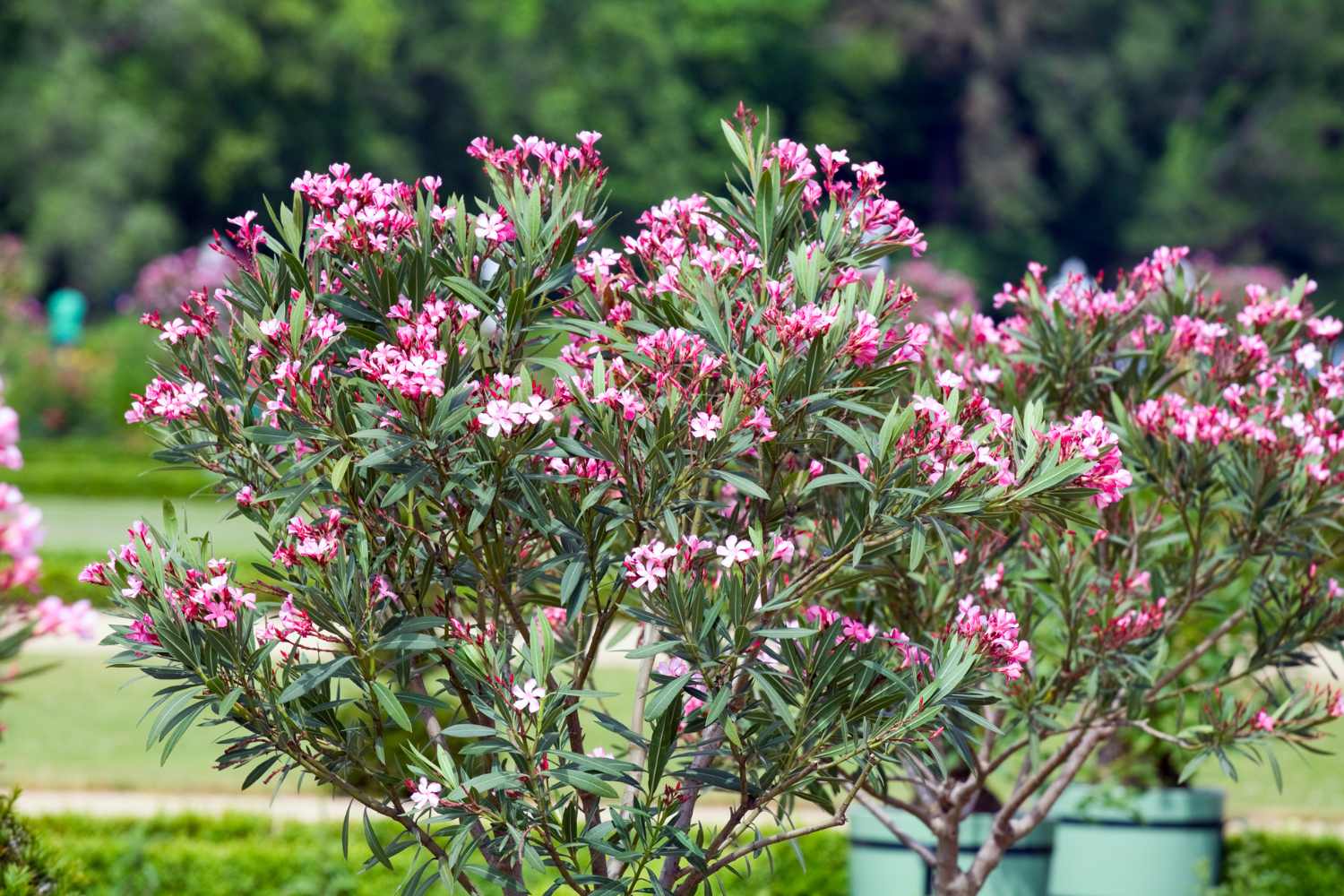
The oleandro jewel, in the “Vespuzio” dwarf variety, is a plant that manages to combine the elegance of its flowers with incredible resistance to frost and drought. Able to resist temperatures until -11 ° C, the oleandro jewel flourishes from May to October, giving splendid live red flowers. This variety is perfect for those with a reduced space, like a balcony, since its height does not exceed 20 cm if grown in the pot, but it can go up to 2 meters in the garden. It is very resistant and, if well cared for, it will continue to flourish even in the most difficult periods. The cost of a vase specimen is around 30 euros, but its beauty and resistance are really a good investment.
Giant clover (Canadense Desmodium)
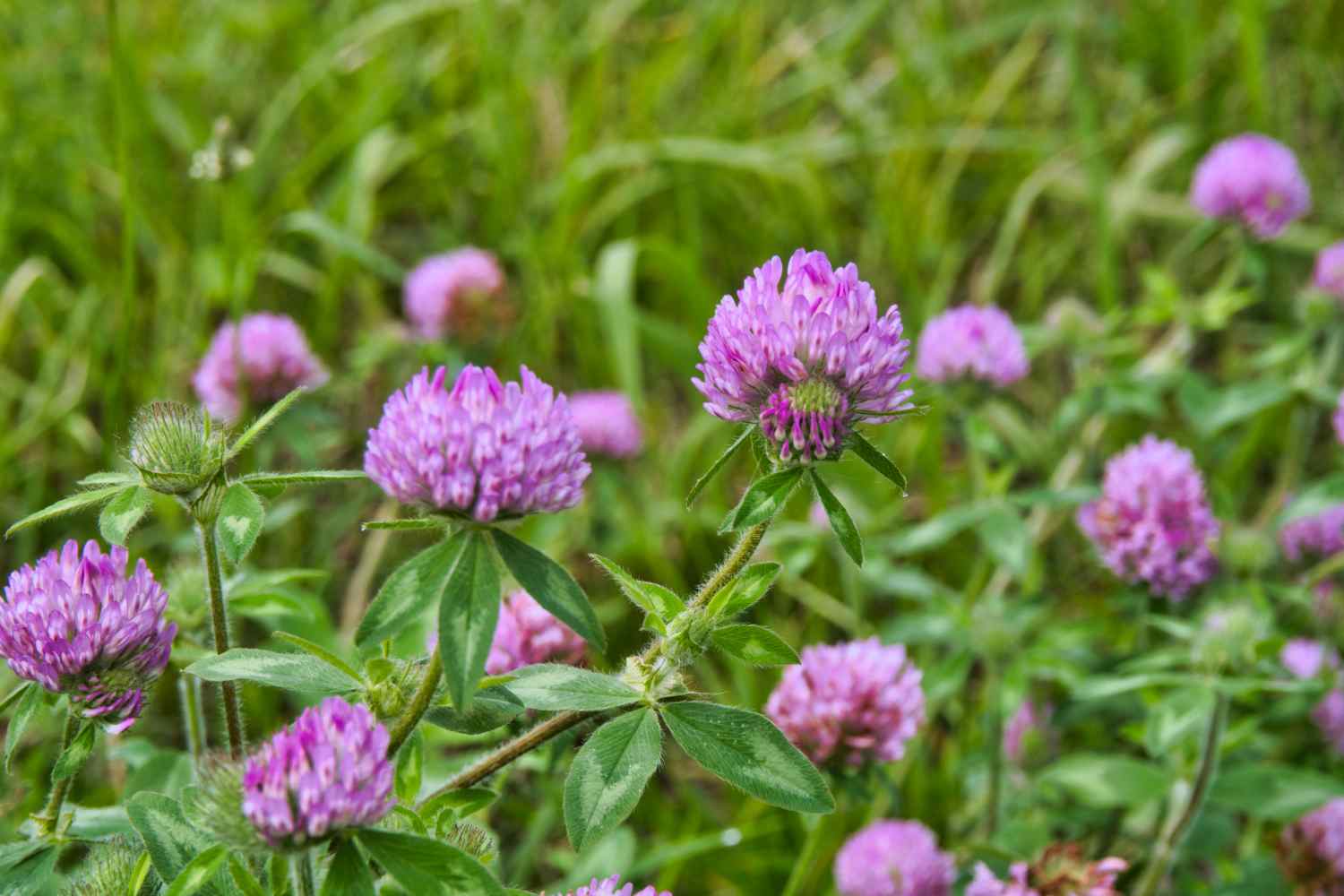
Giant clover, with its spectacular spikes of violet pink flowers, is a plant that fears neither intense cold nor drought. It grows autonomously, thanks to its ability to self -win with the help of bacteria that live on its roots. It is a very appreciated plant to attract butterflies and bombs, which are fundamental for the biodiversity of the garden. Resistant up to -20 ° C, the Canadense desmodium is ideal for natural gardens that do not require too many treatments. Its cost is really modest, about 4 euros, yet its beauty and its ability to adapt to the most extreme climates make it a precious addition for every green space.
Yucca (Yucca Rostrata)
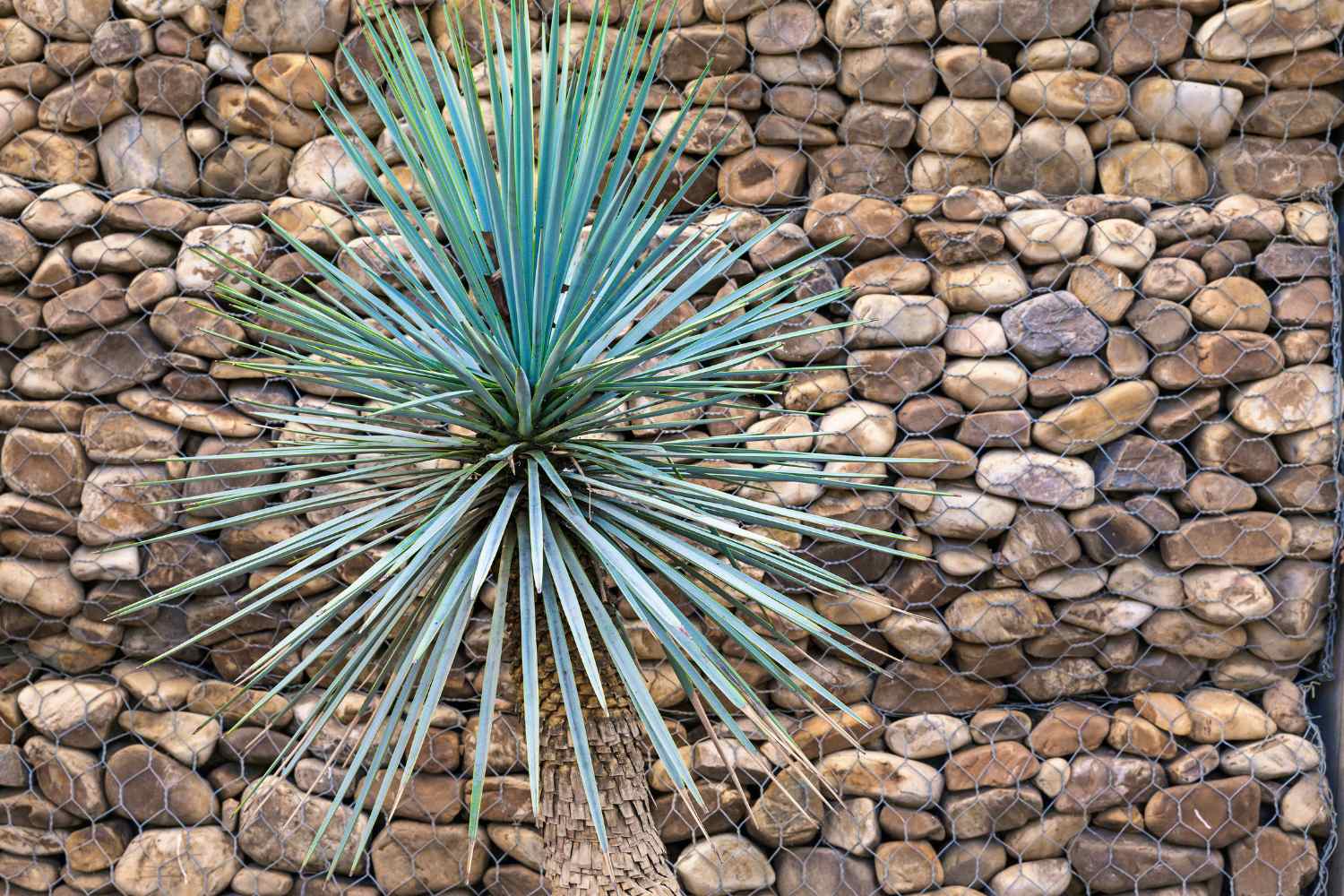
The Yucca Rostrata, nicknamed “Bella Texana”, is a plant that enchants with its scenographic form. Originally from the desert mountains between Mexico and the United States, Yucca is perfect for those looking for a plant that does not require much attention. Resistant to drought, this plant needs very little water, so much so that it is essential to avoid stagnation of water in the roots. It should be planted in the sun to get the maximum of its beauty. It grows slowly, which also makes it suitable for those with little space. With a cost that is around 60 euros, it is a plant that, if well cared for, will give great satisfaction for many years.
Puntaspilli with honey (Cephalantus Westernis)
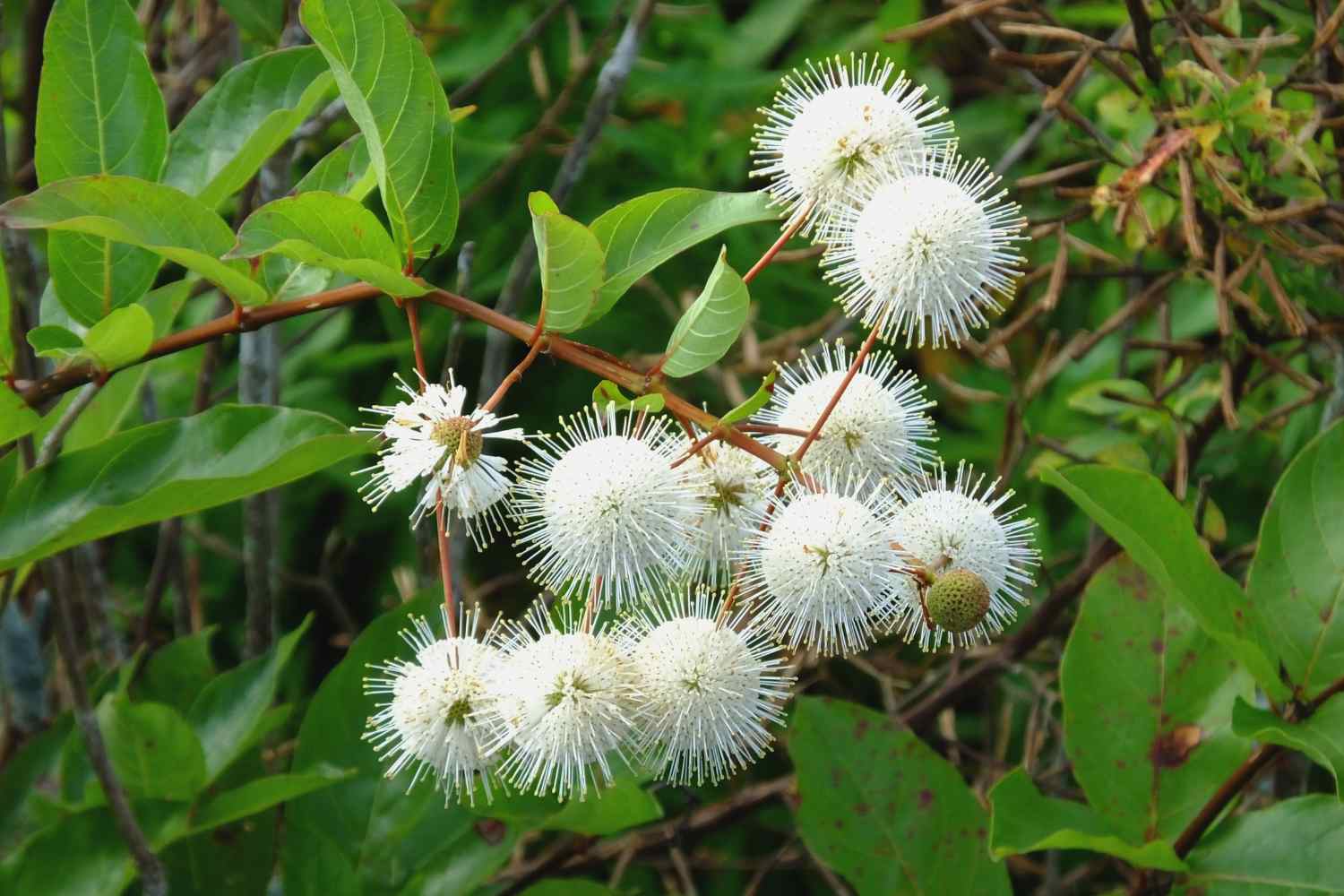
Puntaspilli with honey is a very special plant, thanks to its unique shape and flowers reminiscent of honey spheres. Resistant to drought and cold climates, it can bear temperatures up to -15 ° C, making it an ideal choice for gardens that must face both torrid summary and rigid winters. Its sweet and intense perfume attracts bees and butterflies, transforming the garden into a refuge for local fauna. In addition, the flowers of this plant, which bloom in the summer, are perfect for those looking for a plant that flourish even in the hottest months. A vase specimen has a cost of around 25 euros.
No Frost grapefruit (Citrumelo Swingle)
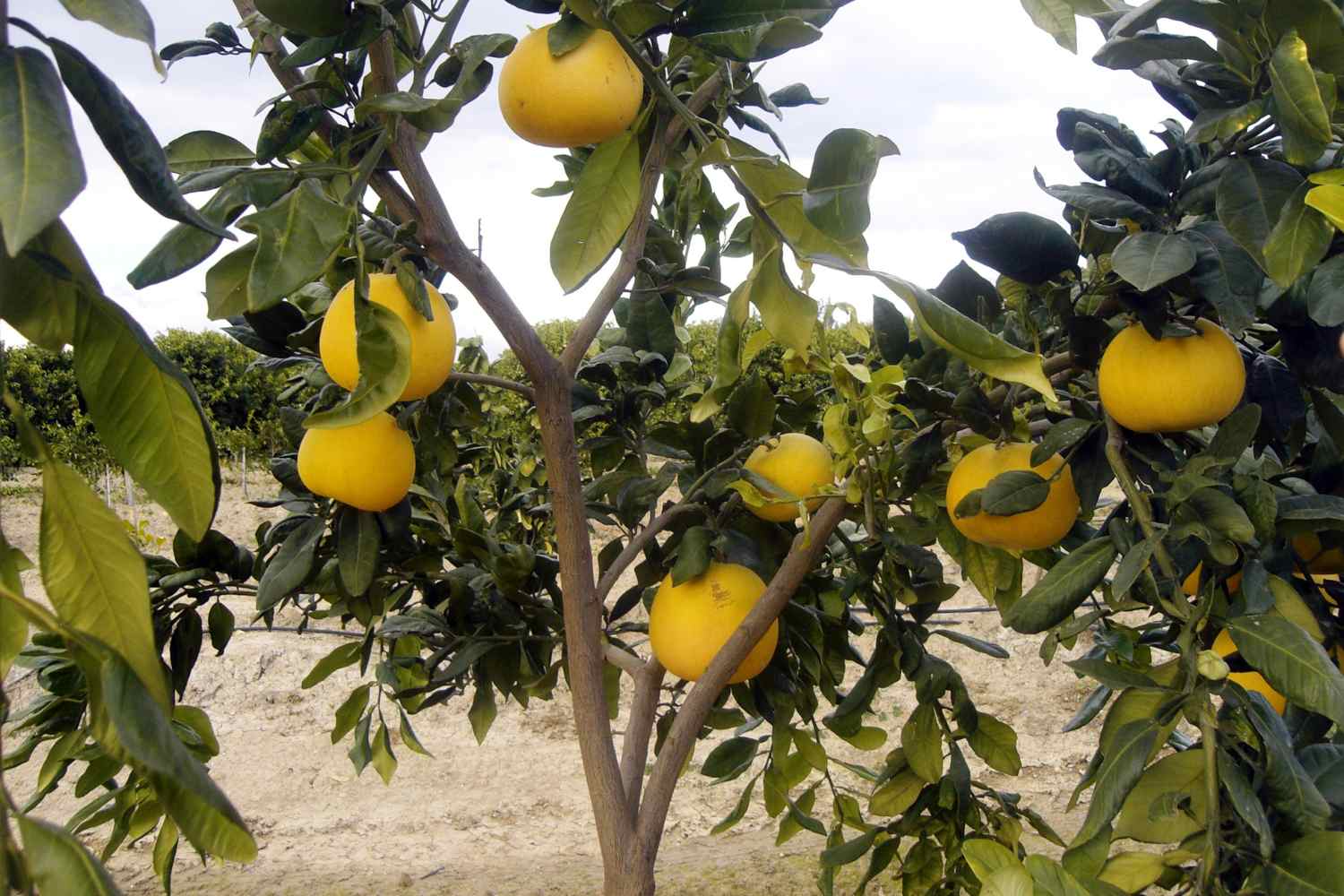
Citruumelo Swingle is an extraordinary plant for those who dream of growing a citrus in the garden without worrying about the winter cold. This cross between a grapefruit and a ponciro is frost resistant to -10 ° C, therefore it does not require protections in winter. Its fruits, which develop over time, are similar to grapefruit, with a yellow peel and an acid but edible pulp, similar to lemon. The citrumelo grows well in full sun and reaches a height of 4-5 meters after a few years. It is perfect for those who love citrus fruits but live in areas where temperatures can drop below zero. The cost of a specimen is around 30 euros.
Sedum (Sedum Acre Yellow Queen and Sedum Telephium)
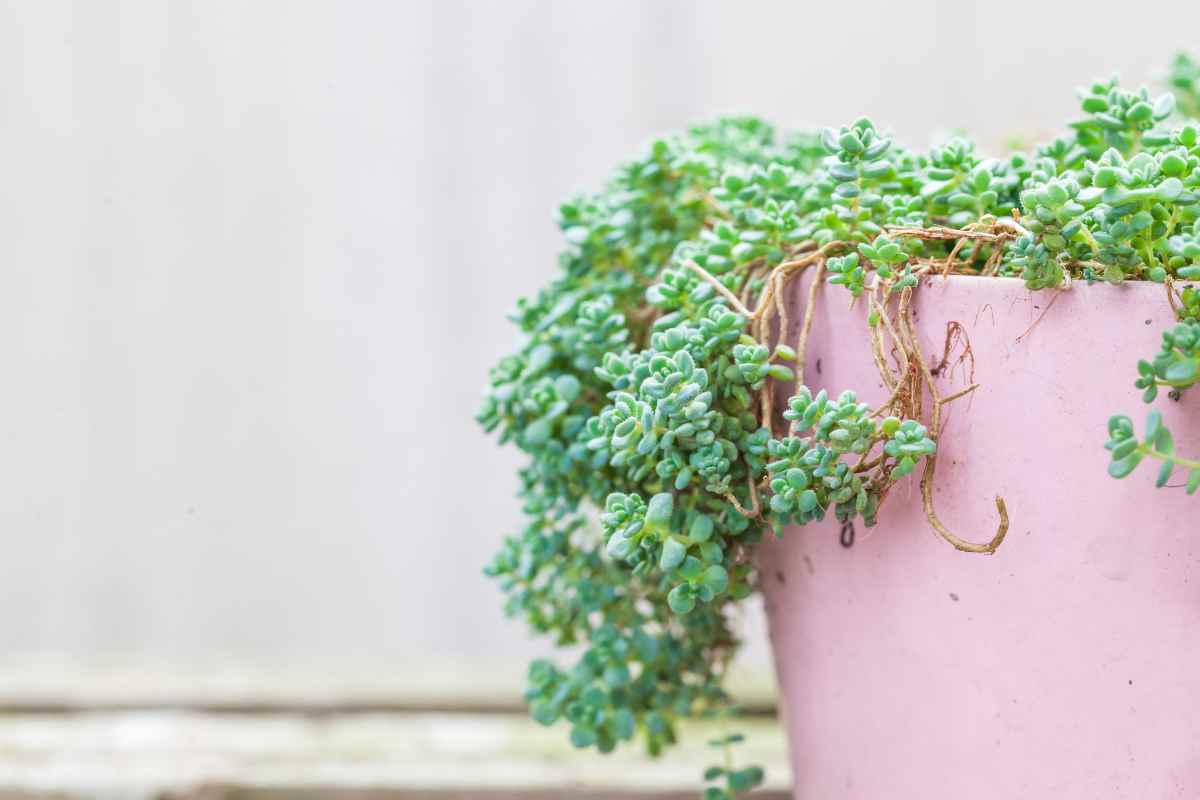
Sedum plants are among the most resistant in nature. These fatty plants can tolerate temperatures ranging from -37 ° C to 40 ° C, making them ideal for the most extreme gardens. They practically do not require any maintenance and are perfect for those who do not have much time to devote to gardening. Among the most common varieties, the Acre Yellow Queen Sedum and the Sedum Telephium are among the most beautiful and easily available, with a cost that is between 8 and 10 euros. They can be planted both on the balcony and in the flower beds, always giving optimal results without the need for particular care.
In conclusion, if you want a garden that resists the challenges of an increasingly uncertain climate, these plants are the ideal solution. Not only are they beautiful and scenographic, but they are also extremely resistant, easily adapting to extreme temperatures, with frozen snow to the torrid heat. The choice is vast, so you just have to decide which varieties are best suited to your green space and your personal taste. Good gardening!
