
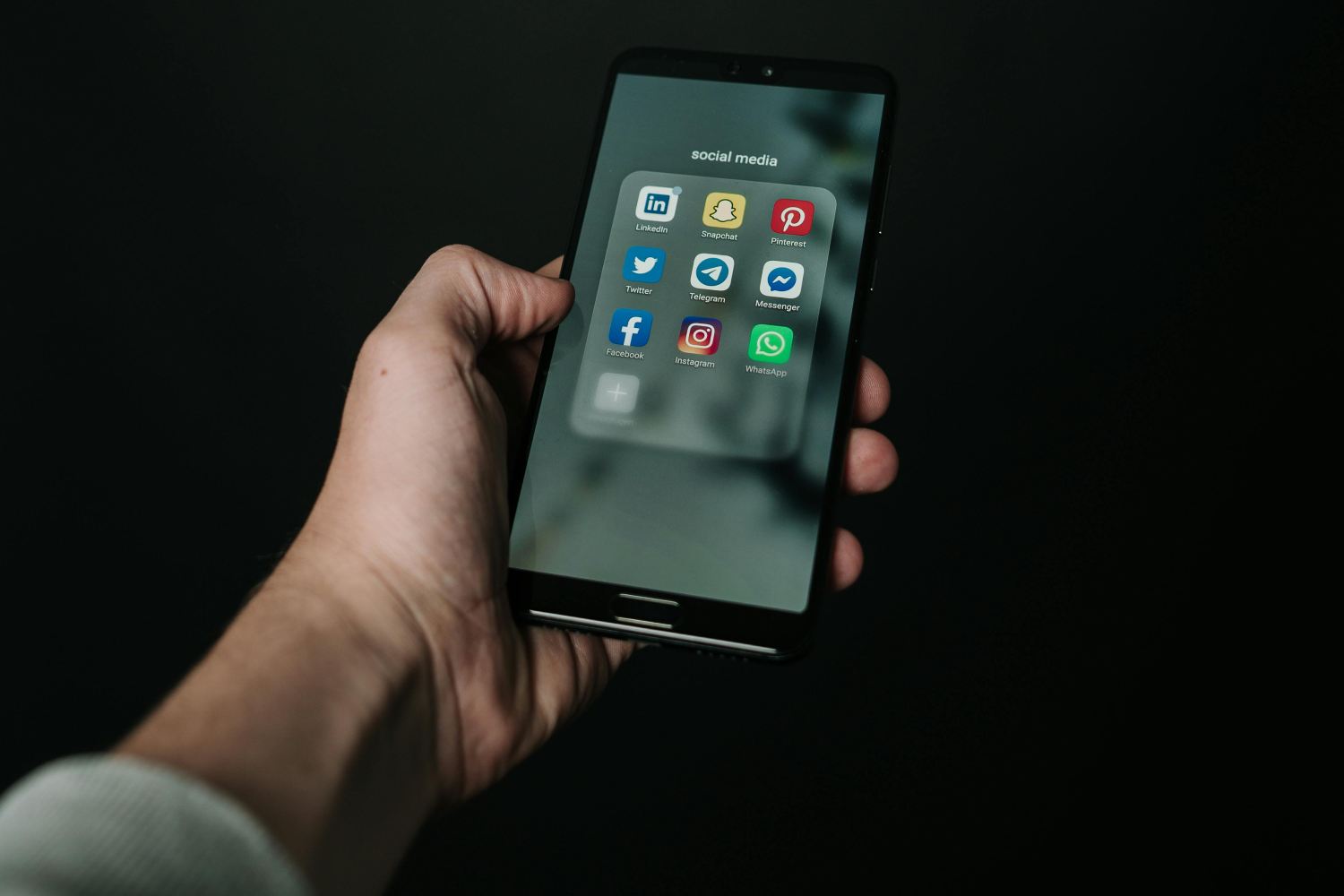
The United States is considering a significant change in entry procedures for travelers from countries participating in the Visa Waiver program. The proposal, put forward by Customs and Border Protection (CBP) together with the Department of Homeland Security (DHS), would include the obligation to provide one’s social media history for the last five years as a requirement to obtain ESTA authorization, one of the documents most used by European tourists and many other states considered allies.
What would change for those who use ESTA
Currently, ESTA requires essential biographical data, passport information and certain security declarations. From 2016 there will be an optional section dedicated to social profiles, which few travelers fill out. With the new rule, however, the delivery of social accounts used in the last five years would become mandatory, together with other additional data. This includes phone numbers for the last five years, email addresses for the last ten years, and even information about family members and personal contacts.
A measure still in the consultation phase
The proposal has been published in the Federal Register, the official body of the federal government, and will remain in public consultation until February 9th. If it passes all the required stages, it could become operational by winter 2026. However, numerous critical points remain to be clarified, including how the authorities will evaluate any omissions, errors or simple lack of presence on social media, previously considered a possible suspicious signal in other screening contexts.
The political context: Part of the Trump administration’s security strategy
This initiative is part of the broader tightening of the migration policies introduced by Donald Trump after his return to the White House. In recent months, the administration has intensified controls on both regular and irregular entries, extending the monitoring of online content to foreign students and other categories of travellers. The declared objective is to strengthen security systems, but the extremely intrusive nature of the new requirements is fueling debates and criticism at an international level.
A possible global impact
If approved, this measure would become one of the most invasive forms of screening ever applied to arrivals from countries considered safe, such as Italy, the United Kingdom, France, Japan and Australia, and could complicate tourist flows especially in view of major events expected in the USA in the coming years.
You might also be interested in:
