
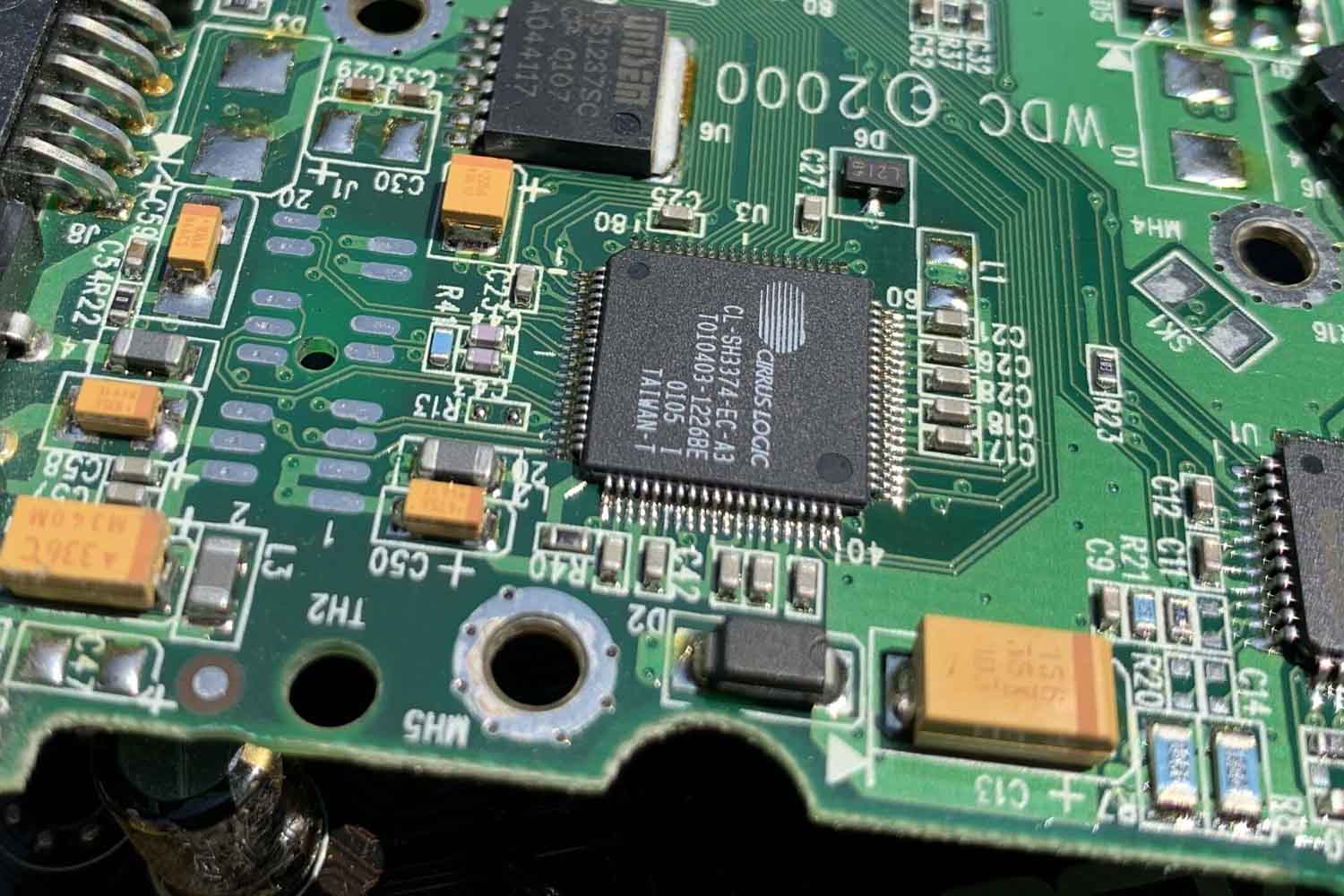
When we talk about electronic waste, we rarely dwell on the value hidden in abandoned devices. Yet components such as Tantalio, contained in condensators of telephones and laptops, represent essential and irreplaceable resources for the technological industry. Despite this, much of the tantium ends up in landfills or is exported, losing forever.
Tantalio is a rare and highly heat -resistant metal, fundamental for the creation of compact and high -performance electronic capacitors. These tiny devices are essential to manage energy in smartphones, laptops, medical equipment and aerospace tools.
About 24% of the world production of Tantalio are used in these capacitors, 80% of which have a surface assembly format, particularly widespread in high density electronic devices. Its strategic importance is therefore evident: without Tantalio, many of the current technologies would not work effectively.
However, despite its high market value – in 2024 the price reached $ 170 per kilogram, compared to only 9.50 dollars of copper – the traditional recycling methods are ineffective. This is because the extraction of the Tantalio with exhausted capacitors is an energetic process, expensive and often harmful to the environment.
The risks of ignoring the problem of e-waste and dependence on imports
In 2022, the world produced over 62 million tons of electronic waste. Most of these technological waste end up in landfills or is treated abroad with dangerous methods, such as the combustion of circuits or the use of toxic chemicals. In addition to environmental damage, this involves significant economic and strategic loss.
Tantalio is considered a “high risk” material due to its scarcity and the concentration of reserves in a few countries. The United States, for example, depend strongly on imports, especially on nations such as China. In the case of interruptions in the supply chain, crucial sectors such as consumption electronics and defense could undergo serious consequences.
An innovative microwave -based method to recover efficiently tantalus
At West Virginia University, in the mechanical engineering, materials and aerospace department, Professor Terence Musho and its team have developed a surprising solution: a recycling system based on the use of high -power microwave.
The team of scientists had settled to answer a simple question: is it possible to develop a cleaner, safe and cheap method to recycle the tantalolus from abandoned capacitors? The solution proved to be the microwave. These microwave ovens are similar to those used in the kitchen, but more powerful and controlled with precision.
The process begins with the crushing of the exhausted capacitors, the content of which is then mixed with carbon -based materials. The latter, unlike the water, quickly absorb the microwaves, concentrating the heat directly on the particles of Tantalio.
The targeted heating triggers a reaction known as “carbotermatic reduction”, which transforms the compounds of Tantalio into pure tantalium carbide, easily recoverable. The result? A material with a purity greater than 97%, as demonstrated in the study published on Scientific Reports.
This approach eliminates the use of dangerous chemicals, drastically reduces energy consumption and minimizes pollutants.
Towards a large -scale application: between sustainability and national security
Laboratory tests have confirmed the effectiveness of technology, but now the challenge is to climb the process to adapt it to the management of large quantities of electronic waste, such as smartphone mothers or equipment from data center.
The project received the first funding from Darpa, through the Recycling at the Point of Disposal (RPOD) program. This support highlights how strategic, for the United States, the autonomy in the recovery of critical materials is. An efficient tantalous recycling system could represent a crucial economic and geopolitical advantage.
The key to making tantium recycling a widespread practice lies in demonstrating economic convenience. If the recycling systems include that it is possible to obtain high value metals with economic and sustainable technologies, industrial interest will grow rapidly.
With a method that combines energy savings, environmental respect and high performance, the recovery of tantium from abandoned devices could become a pillar of the circular economy and a precious resource for the future of technology.
Don’t you want to lose our news?
You may also be interested in:
