
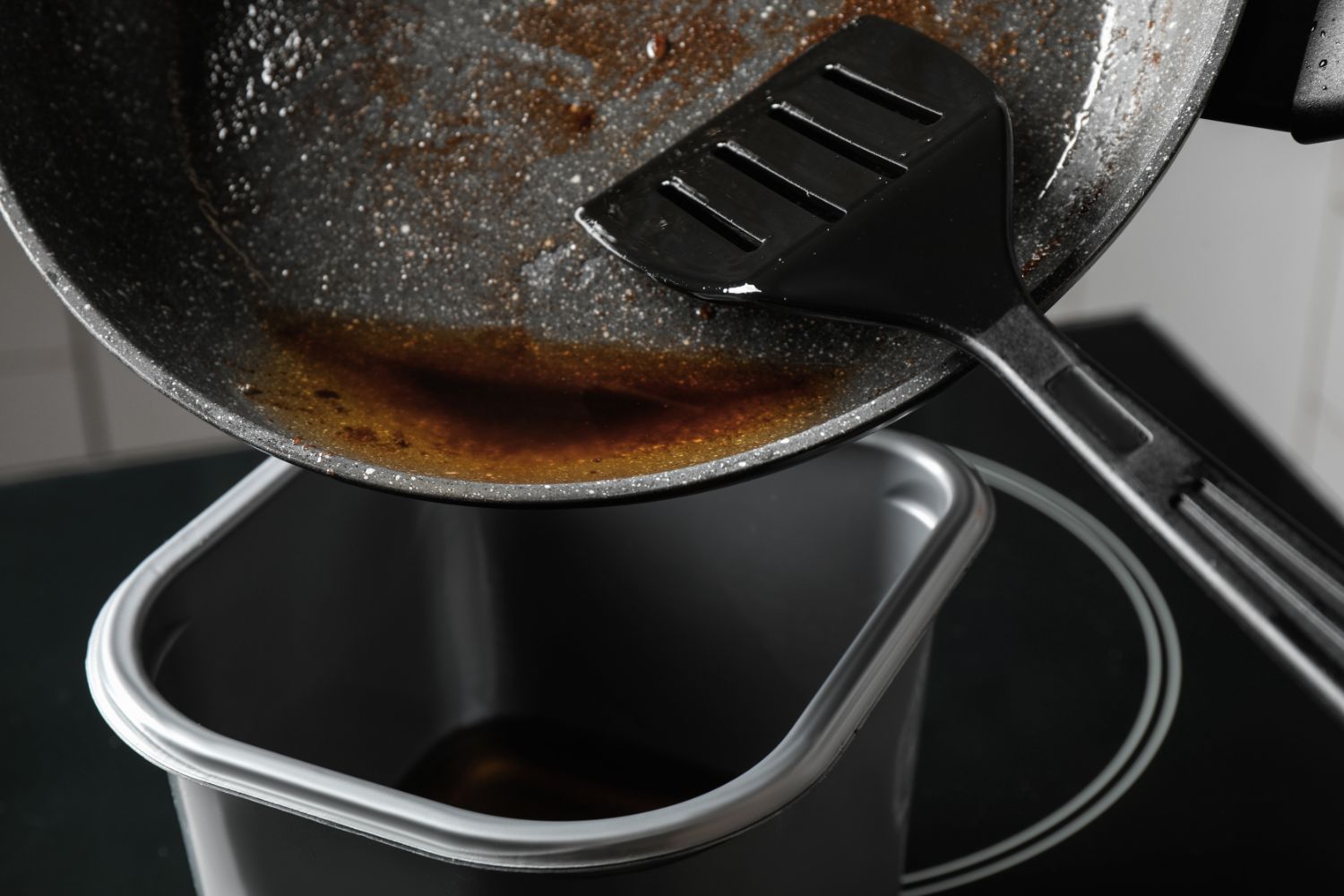
A single drop of used oil can contaminate a lot of water: a fact that, although not entirely precise, makes the idea of how daily and apparently harmless gesture may have a devastating impact on the environment.
The exhausted oil that comes from fries, condiments or preserved in tuna jars and the like is between The most polluting domestic waste. If you erroneously disposed of in the sink or to the toilet, not only does not decompose, but can contaminate the waters, obstruct the pipes and damage the purification plants.
Let’s talk about it here: because we must never throw the exhausted oil in the sink or in the toilet
However, If collected and disposed of correctly, it can be regenerated and transformed into useful resourcesbringing advantages for both the environment and the economy.
The situation in Italy
Every year in Italy approximately are produced 260 thousand Tons of exhausted food oil, of which about two thirds come from our private homes. Unfortunately, only a small part of this oil is recovered correctly, with the conoe, a national consortium collection and treatment of the oil and exhausted vegetable and animal fats, which estimates a recovery of less than 10%. The ISPRA data confirm that the national average of oil collected is just 0.24 liters per inhabitant, and in large cities such as Milan and Turin, only a minimum part ends up in the collection centers. In general, only 13% of the exhausted oil produced in Italy are managed correctly.
The situation is made even more critical by poor information and by the difficulty of accessing the collection points, as confirmed by a search by Altroconsumo, which revealed a general ignorance by citizens regarding the correct disposal of the exhausted oil, combined with the lack of clear and easily available information.
If disposed of improperly, the exhausted oil has a significant environmental impact. It can contaminate the groundwater, obstruct the pipelines and damage water purification systems. In addition, in the urban area, it can block the pipes and increase the maintenance costs of the infrastructure.
However, if collected correctly, the exhausted oil can be transformed into biodiesel, biolubrifying, soaps, cosmetics and many other industrial products, reducing the use of fossil resources and contributing to the circular economy. The conoe estimates that about 90% of the recovered food oil is transformed into biodiesel, significantly reducing CO2 emissions and saving water.
Are information and collection points for the exhausted oil are enough?
In June 2025, Altroconsumo conducted an analysis on the availability and clarity of the information regarding the disposal of the exhausted oil on the websites of the 10 most populous municipalities in Italy, in addition to the presence of the points of collection on the territory.
Most of the municipalities analyzed provides correct and easily available information on the correct disposal of the exhausted oil, with some that also offer brochures that explain environmental impacts and recycling methods. However, some municipalities need improvements, making information more accessible and clear. In many cases, the websites refer to the municipalities, but the practice of disposing of the exhausted oil remains unclear, in particular as regards the collection points.
Accessibility and number of collection points
All Municipalities indicate the multimaterial collection centers for exhausted oil, but these are often limited and difficult to reach, with reduced times. Municipalities such as Turin And Genoa They have increased the collection points, while other cities, such as Rome, Milan and Bari, have adopted innovative solutions such as collecting oil in schools, supermarkets and parishes.
Despite these positive examples, the collection network remains insufficient and could discourage citizens, leading them to dispose of the oil improperly, with serious environmental and economic damage.
To dispose of it correctly, the oil must be collected in adequate containers, such as plastic bottles, and brought to the collection centers or the municipal collection points.
Municipalities should for their part make the collection of the oil exhausted more accessible, with easily accessible and well -informed collection points. Some Italian cities, such as Turin and Genoa, have already adopted initiatives that make the collection easier and closer to citizens. However, there is still a long way to go, and coordinated intervention would be necessary at national level to standardize the collection of exhausted oil and further sensitize the population.
The incorrect behavior of disposing of the oil in the sink or toilet is often due to the lack of information or the difficulty of accessing the collection points. To solve this problem, awareness campaigns and a more widespread distribution of containers for collection are needed, as well as facilitating access to collection points, even during the holidays.
To encourage correct management of the exhausted oil, our contribution is fundamental, but it remains crucial to improve information, guarantee access to the collection points and involve more citizens, starting from schools, creating a culture of sustainability that can last over time.
