
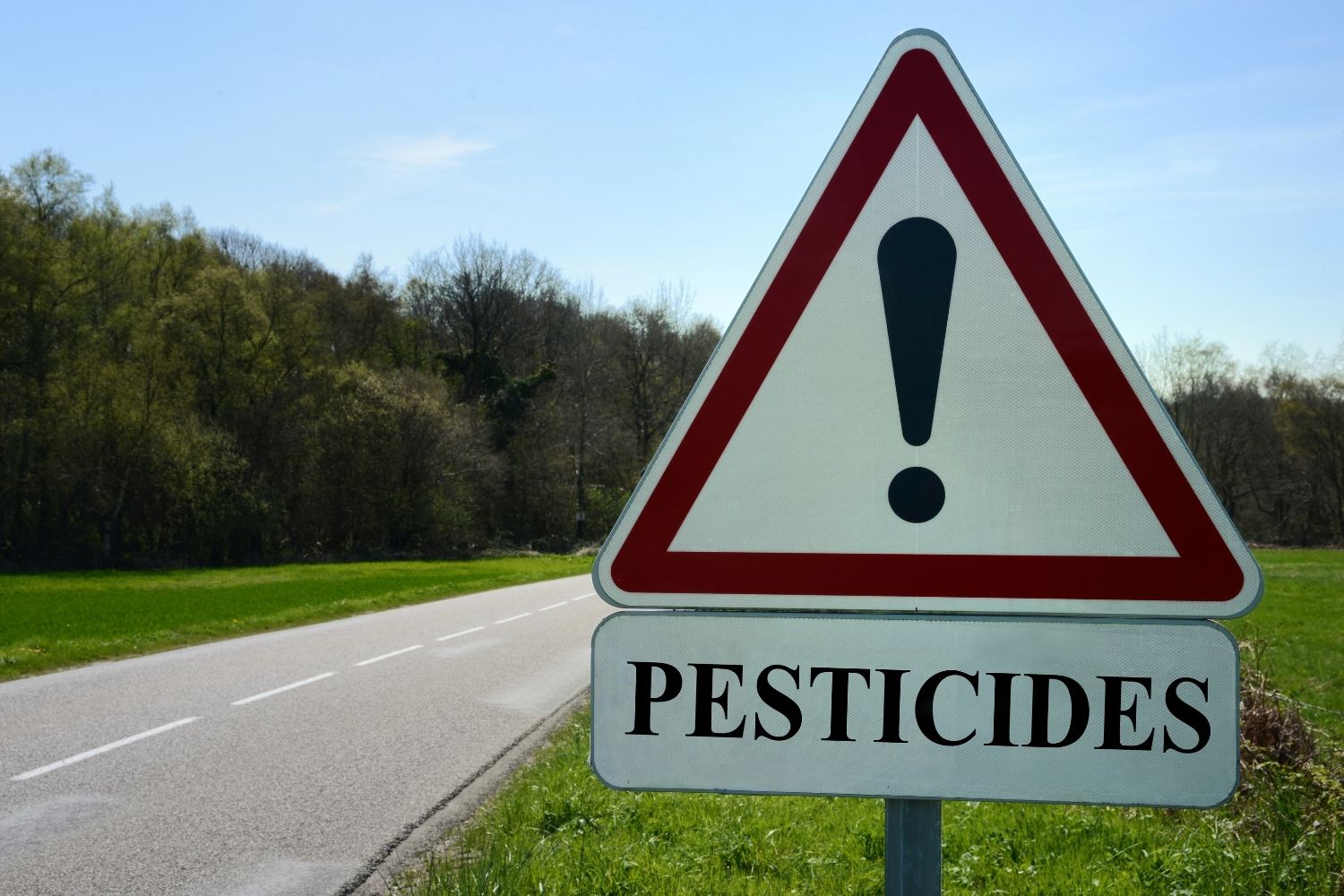
France is back on theAcetamiprid, very controversial pesticide and banned in the country since 2018. Thanks to the contested Dipplomb bill, recently approved, the pesticide will be able to return to use in derogation, with limitations: the authorization is valid for only three years and concerns specific agricultural sectors, such as the production of beets and hazelnuts. The stated goal is to reduce the competitiveness gap with other European countries, where the use of acetamiprid is allowed until 2033.
A decision that makes you discuss, also because it is founded on the principle – apparently logical – of reciprocity: if the other states can use it, why not? But the short circuit is born here.
What is acetamiprid and why it is dangerous
Acetamiprid is an insecticide belonging to the neonicotinoid family, substances that act on the nervous system of insects, paralyzing and killing them. It is effective, of course, but also dramatically not selective. To pay the price are not only the “harmful” insects, but also the “useful” ones, such as bees, bombs and butterflies, fundamental for pollination and therefore for the balance of ecosystems.
Not only that, Several scientific studies have connected exposure to acetamiprid to neurological disorders, neurodegenerative diseases and tumorsparticularly in children. It is therefore considered a substance at risk even for human health, so much so that its use had been prohibited precisely by precaution.
Yet, despite these data, it is now readmitted, due to “strong economic needs”.
A dangerous reverse
Senator Laurent Duplomb, promoter of the law, presented the reintroduction of acetamiprid as an “exceptional” measure to defend farmers from the unfair competition of those who, outside France, can still use the pesticide. But the problem is precisely this: instead of asking others to raise the standards, you choose to lower them all.
As often happens, the battle for competitiveness turns into a downward race. And to make the expenses will not be only the insects, but also the farmers themselves, who remain stuck in a system that offers toxic solutions to their structural problems: climate change, decline in soil fertility, scarcity of research on sustainable alternatives.
The request to reintroduce this neonicotineid insecticide comes above all from sugar beet producers, who claim to have no effective alternatives to protect their crops. Both the FNSEA and the rural coordination, the second most important agricultural union, denounce a “unfair competition” by European producers and fear the import of sugar or hazelnuts grown with pesticides prohibited in France.
The petition to block the readmission of the pesticide
To oppose the Duplicomb law are not just scientists and environmentalists. French civil society has reacted forcefully: An online petition against the reintroduction of acetamiprid has collected over 180,000 signatures In about a week, becoming one of the most viral in the recent history of the country.
The petition, launched by a 23 -year -old student, denounces “a scientific, ethical, environmental and health aberration“And asks for not only the repeal of the law, but also a public consultation with health, agriculture and ecology experts.
According to the president of the Economic Affairs Commission Aurélie Trouvé, the number of signatures is “incredible” e demonstrates how much public opinion is contrary to this decision. In September, it will be decided if the petition can be discussed in the classroom. If you want to sign it, you can do it here.
It is really a pity that a country like France, the only one to have the courage to ban acetamiprid to protect health and the environment, has now decided to take a step back. A worrying signal, which risks weakening the European commitment to a more sustainable and safe agriculture. Fortunately, civil society is mobilizing and is making its voice heard on such a crucial theme. We hope that from this pressure from below will be born the push to reverse the course.
