
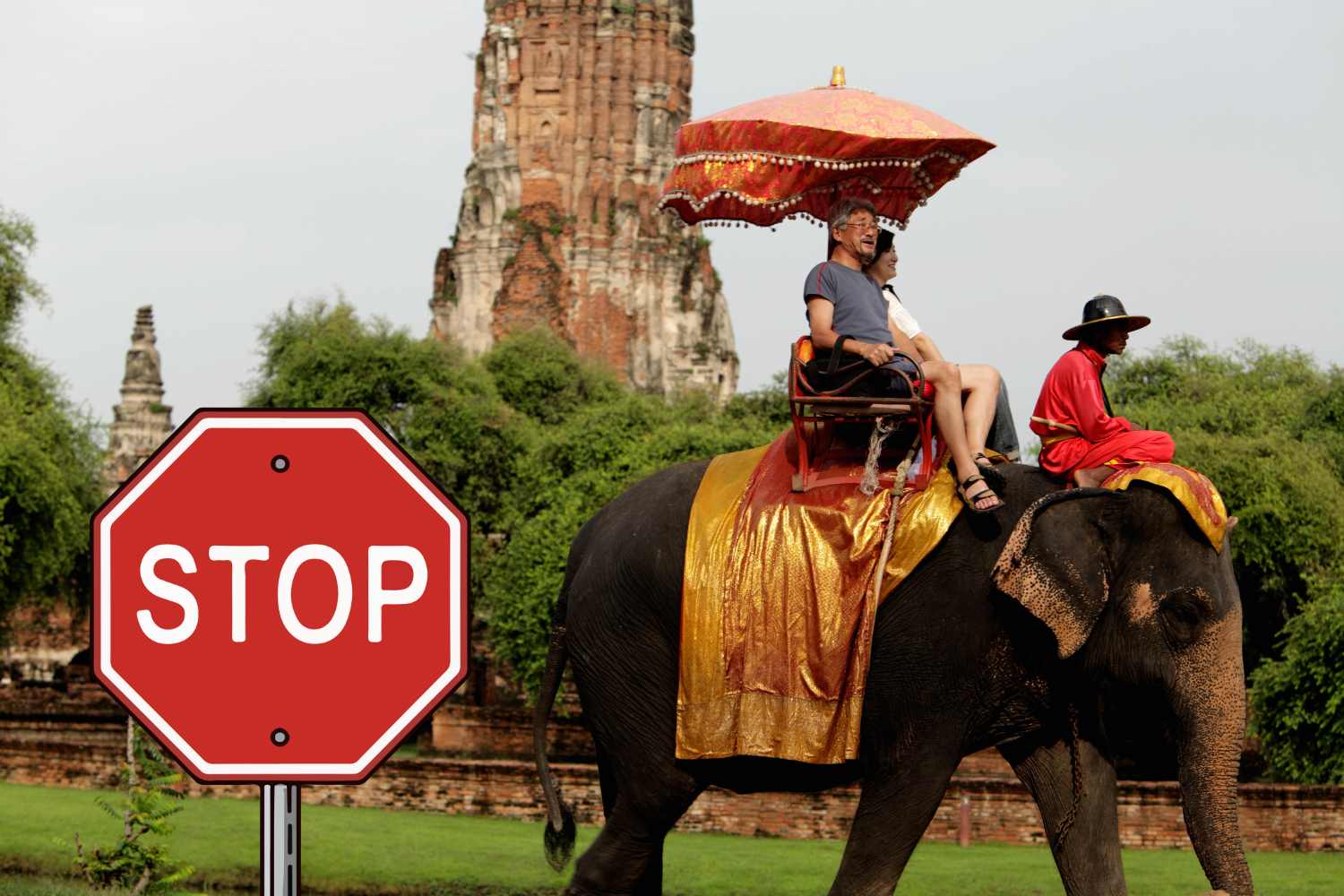
Indonesia takes a historic step in responsible tourism by becoming the first Asian country to completely ban elephant riding. The measure, which came into force this month after a decree issued in December, concerns all official tourist centers and facilities dedicated to the conservation of wildlife. A decision long awaited by animal protection organizations, which for years have been denouncing the conditions linked to this practice which has serious consequences on the psycho-physical health of pachyderms:
The confirmation came from the Indonesian Natural Resources Agency, which clarified that the veto is now operational throughout the national territory. The authorities have already reported a first violation in a private center in Bali, one of the main tourist destinations in the archipelago. The facility was sent two formal warnings, accompanied by the threat of having its license revoked if it fails to comply with the new rules.
The reactions of animal rights associations
The government’s choice was welcomed by PETA, one of the main international animal protection organisations. According to the association, tourist activities that involve the direct use of elephants almost always end up harming the animals involved. Investigations conducted over the years have highlighted practices of physical constraint, such as chains and beatings, used to make elephants docile and suitable for contact with visitors. PETA has called on other Asian countries, including Thailand, Nepal and India, to follow Indonesia’s example.
The Sumatran elephant at risk of extinction
The provision takes on an even more significant value if we consider the situation of the Sumatran elephant, a subspecies that lives exclusively in the Indonesian archipelago. Its population halved between 1985 and 2012, mainly due to poaching, deforestation and increasing human pressure on the territory. The most recent estimates speak of 2,400-2,800 specimens still alive, a number that has led the WWF to classify the species as critically endangered.
A new approach to conservation
With this ban, Indonesia sends a clear message: animal protection is not incompatible with tourism, but requires a paradigm shift. Limiting invasive activities and promoting respectful forms of observation could represent a new way to reconcile economics, conservation and environmental responsibility, reducing the human impact on one of the symbolic species of South-East Asia.
You might also be interested in:
