
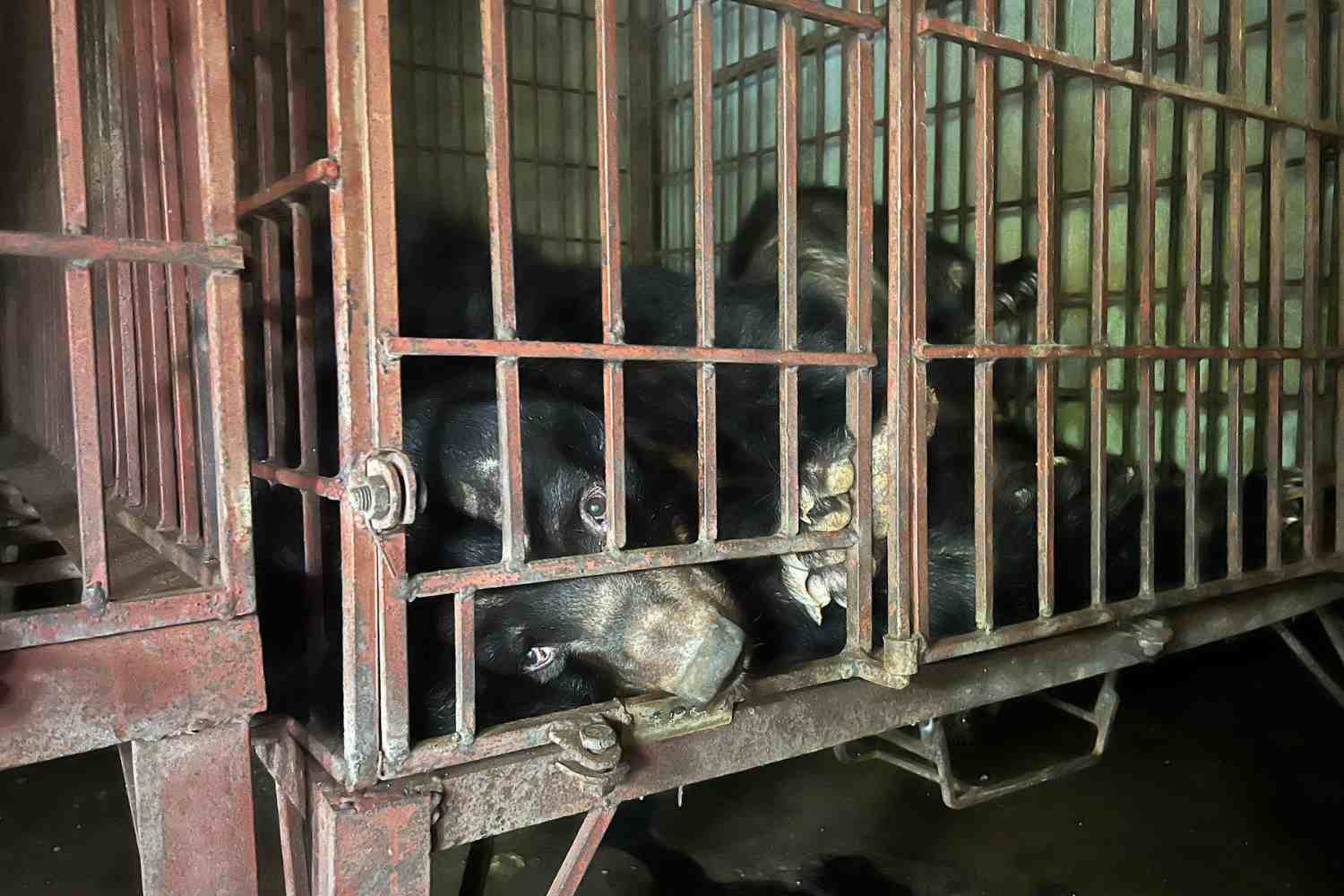
South Korea has decided to permanently put an end to bear farming for the extraction of bile, a practice that has been at the center of strong criticism for its cruelty for years. From 1 January 2026, a total ban will come into force which will make the breeding, keeping and exploitation of bears for this purpose illegal. The measure represents a historic step in the protection of animal welfare and aligns the country with the most advanced international standards on animal rights.
‘야생생물 보호 및 관리에 관한 법률’ 시행에 따라
곰 사육과 웅담 채취가 전면 금지됩니다기후부, 지자체(구례군·서천군), 농가,
그리고 시민단체가 ‘곰 사육 종식 협약’을 맺고
힘을 모았습니다현재 남아있는 199마리의 곰들,
그리고 이미 구조되어 보호받고 있는 34마리의 곰들까지.… pic.twitter.com/ycoQTDcNwH— 기후에너지환경부 (@mceekorea) December 31, 2025

What are bile “farms”.
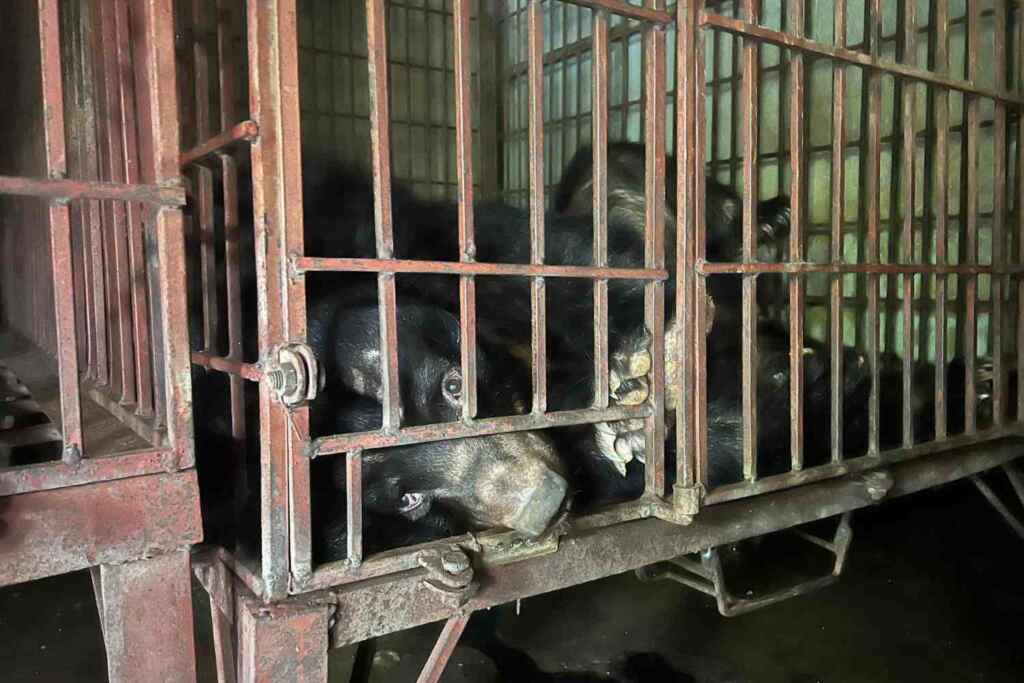
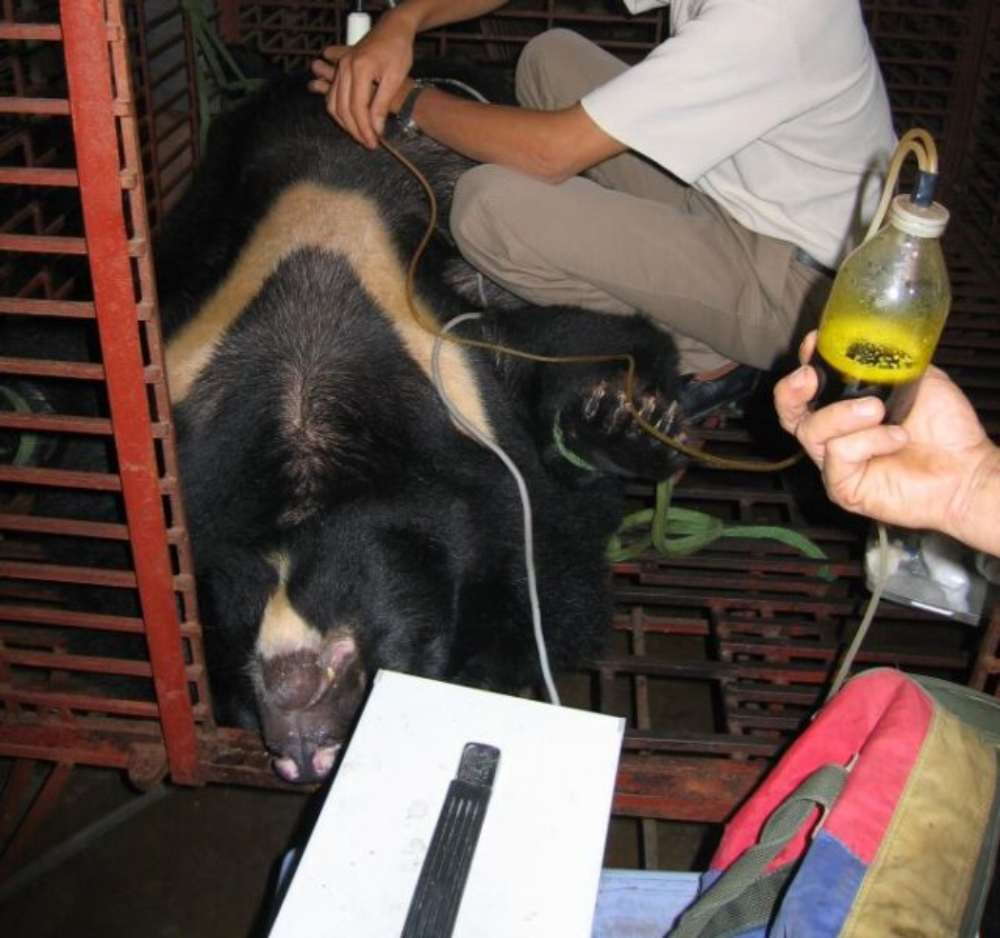
The so-called bear farms are facilities where bears, especially the Asiatic collared bear or “moon bear”, are confined for their entire lives in tiny cages. Bile, a fluid produced by the liver and stored in the gallbladder, has long been used in traditional Asian medicine for purported healing properties. However, these benefits have never been scientifically proven. Extraction occurs through invasive and painful procedures, or by killing the animal, making this industry one of the most contested globally.
View this post on Instagram
The reasons for the ban
Over the past twenty years, the demand for bear bile has decreased dramatically. Contributing factors have been the arrival of synthetic, safer and cheaper alternatives, and a growing public awareness of the suffering inflicted on animals. The ban is the result of an agreement signed in 2022 between the government, breeders and animal rights associations, which provided for the definitive closure of the sector by 2026. The new law strengthens this commitment and introduces severe sanctions, with prison sentences of up to five years for those who violate the rules.
The fate of the last bears in captivity
Despite the law, around 200 bears are still found in 11 farms across the country. Some animals have already been rescued and transferred to sanctuaries, but negotiations on financial compensation for farmers remain open. Available facilities, such as the Jeolla sanctuary, have limited capacity and cannot accommodate all of the remaining bears. Animal rights associations are therefore asking the government to speed up the creation of new centers and to also support private sanctuaries, in Korea and abroad, to guarantee animals a dignified life after years of captivity.
You might also be interested in:
