
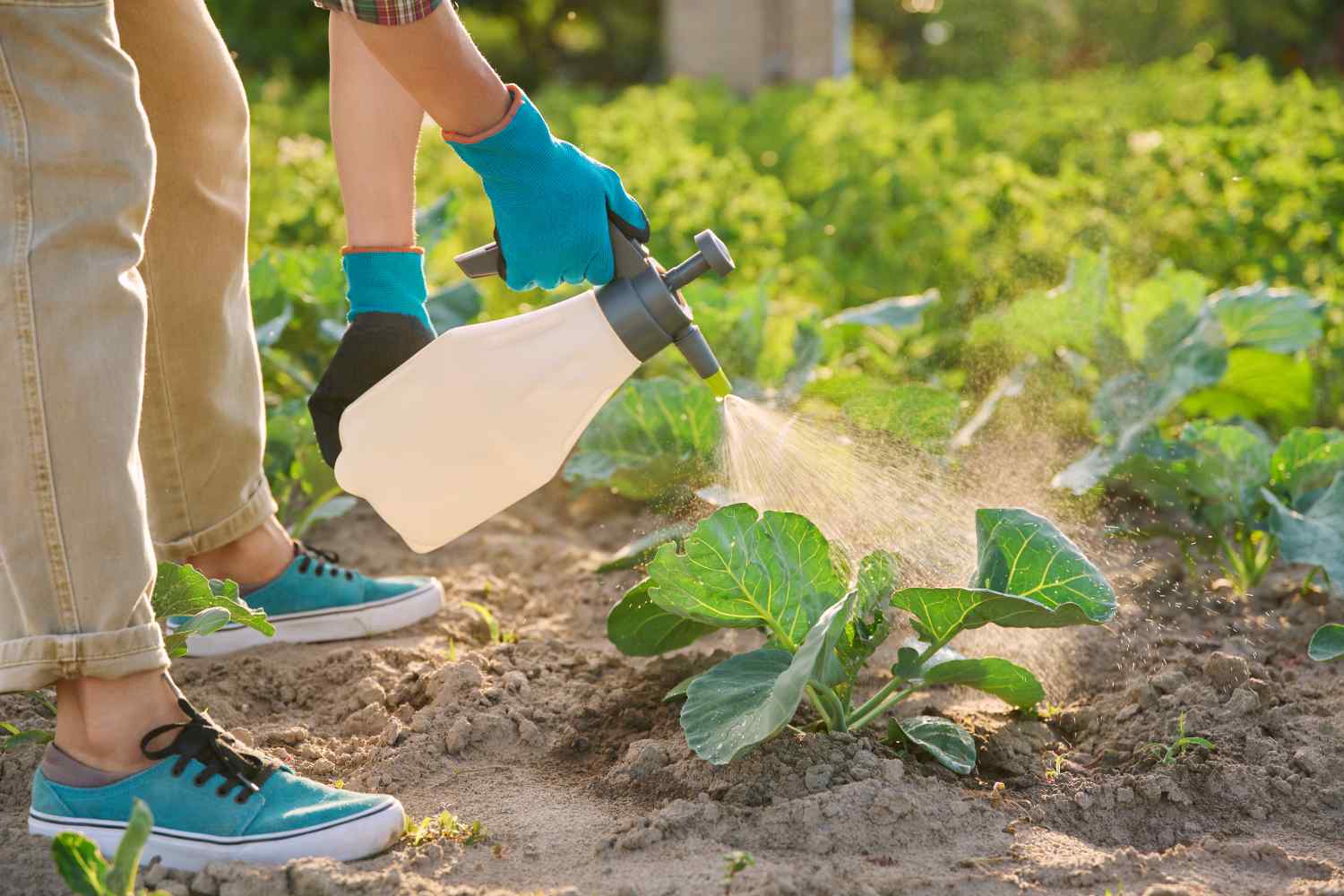
It scrolls through TikTok and Instagram feeds like it’s the discovery of the year: two ingredients you already have in your kitchen, no chemistry, no poisons, and the weeds disappear. The DIY weed killer based on vinegar and salt has become one of the most shared natural remedies of the moment, riding the growing wave of those who want a tidy garden without giving up sustainability. It’s a shame that, under the green veneer, there are some pitfalls worth talking about.
The viral recipe is simple: vinegar (preferably white or with a high concentration of acetic acid) mixed with table salt, sometimes with the addition of liquid soap as a surfactant. Vinegar is actually capable of burning plant leaves, but being volatile it tends to evaporate quickly; the salt serves precisely to prolong its action, making it penetrate the cracks in the ground or driveway.
On the surface it all seems very natural and harmless. But is it really like that?
The problem of acetic acid on soil
Vinegar contains acetic acid, a substance that does more than dry out leaves: it alters the pH of the soil, damages the soil microbiota (that precious set of bacteria, fungi and microorganisms that keep the underground ecosystem alive) and can threaten insects and other small organisms. Once it penetrates the aquifers, its molecules retain their corrosive and irritating properties, becoming a potential pollutant for aquatic ecosystems.
And the salt? It’s no different. Excess sodium in the soil is one of the silent enemies of soil fertility: it accumulates, waterproofs the soil and makes it difficult — if not impossible — for any plant in that area to grow, even the ones we wanted to protect.
Why you shouldn’t use vinegar and salt as a weed killer
And from the point of view of human health?
There is another often overlooked aspect of the online debate: toxicity. As Donatello Sandroni, agronomist and researcher in ecotoxicology, explains, acetic acid is by no means a harmless substance:
Other bad news also comes from a toxicological point of view, because the acute oral toxicity of acetic acid is double that of, for example, the much maligned glyphosate. The LD50 of acetic acid – also a chemical substance, with all due respect to those who believe not – is in fact equal to 3,310 mg/kg compared to 5,600 mg/kg of glyphosate. Basically, to have a risk of death you just need to ingest half of it.
A sobering fact, especially considering that these DIY products are often used in gardens frequented by children and pets, without the necessary precautions.
So what can really be done?
If you want to manage weeds in a truly sustainable way, alternatives exist and they are more effective than you think. Mulching with natural materials (bark, straw, dry leaves) is one of the methods most recommended by ecological gardening experts: it covers the soil, blocks light from the weeds and at the same time nourishes the soil. Even manual or mechanical weeding, if done regularly, remains one of the most respectful systems for the garden ecosystem.
For driveways and paved surfaces, where you don’t want anything to grow, boiling water is an alternative that is free of chemical residues and completely safe for the surrounding environment.
In short, the viral remedy of the two ingredients in the kitchen is one of those cases in which the intention is good, but the result can be the opposite of what was hoped for. Before sharing the next green recipe, it’s always worth asking yourself: is it really sustainable, or does it just seem to be?
We also recommend:
