
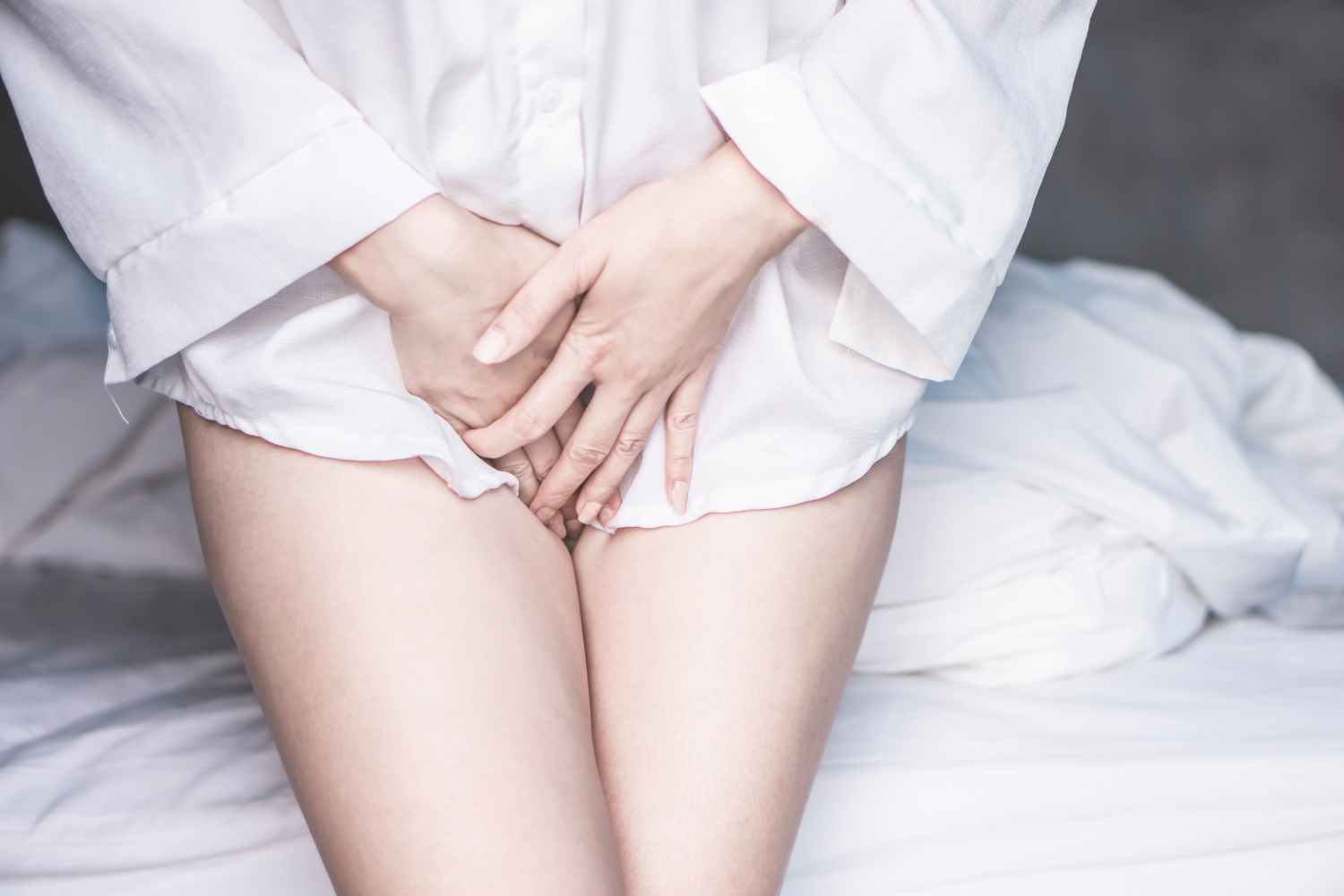
Causes pain, inconvenience and can be disabling, but until some time ago the vulvodinia It was a rather unknown disorder in our country. Only recently, thanks to the battle conducted by Giorgia Soleri to make the existence of this disease recognize in Italy and the consequent invalidity it causes, the spotlight on this terrible condition that affects approximately 15% of Italian women and girls in fertile age.
Due to delays in diagnoses and prejudices, there are many women who are condemned to silent suffering in Italy. But what are the symptoms of the disease and how to diagnose? And above all: are there any care? Let’s see everything you need to know about this annoying gynecological disorder.
What is vulvodynia and who is striking
Vulvodinia is a gynecological disorder that causes burning or persistent pain at the entrance of the vagina and in the area that surrounds it, the vulva, without a sign or a visible injury that justifies it.
This condition can affect women of all ages, from adolescence to menopause, and concerns about 12-15% of women of fertile age.
The symptoms of vulvodynia
Those who suffer from vulvodinia must deal with the following symptoms:
The causes of vulvodynia
But what causes vulvodynia? In reality, so far the origin of the vulvodynia has not yet been clarified. To trigger this disorder could be several factors. The beginning of the symptoms often follows an infection, as can be the one from Candida Albicansor physical trauma, such as an episiotomy or spontaneous laceration during a birth, or a vulvo-vaginal biopsy.
Among the possible causes of a vulvodynia we find:
Vulvodinia can be influenced by several factors that aggravate the symptoms. One of the main ones is stress: in stressful situations, the central nervous system can amplify the perception of pain, making annoyances even more intense.
Physical activity in general can help reduce stress, but not all sports are indicated. Disciplines such as horse riding and cycling exert direct pressure on the vulvar area, risking worsening symptoms.
Even the use of aggressive or fragrant intimate detergents can irritate an already sensitized skin, as well as narrow clothing or in synthetic fabrics, which limit breathing. To all this are added hormonal changes, for example those related to the use of the birth control pill, which can contribute to a worsening of the symptomatic framework.
The diagnosis of the disorder
Unfortunately, vulvodinia is often diagnosed with great delay and therefore not be treated for years, because it is underestimated and even considered by many (including doctors) a “psychosomatic” disease. The presence of this disorder can be confirmed only after excluding other causes of pain, including a vulvo-vaginal infection that is and theHerpes Genitalis.
Excluding these other disorders, we move on to the so -called swab test, Thanks to which the doctor exerts pressure/rubbing on the various quadrants of the vulva using a cotton-fioc, seeking the painable points and causing a stimulus that would normally be harmless.
What is the psychological impact of vulvodynia?
Vulvodynia has a psychological impact that is anything but negligible. Chronic and persistent pain can trigger anxiety, depression, drop in self -esteem and general compromise of emotional well -being. Many women feel isolated, misunderstood and abandoned, both in daily life and in interpersonal relationships.
One of the most exasperating aspects is the long diagnostic path. Often years are needed to receive a correct diagnosis, during which you can go from one specialist to another, trying ineffective treatments. This is largely due to the poor knowledge of the disease between healthcare professionals and confusion with other conditions (such as vaginal infections or cystitis). The uncertainty and frustration that derive from a late or wrong diagnosis further worsen the psychological state, feeding the feeling of not being believed or listened to.
How to take care of Vulvodinia
Vulvodinia is a very annoying disorder, which can compromise the life of a woman and also have repercussions on the socio-psychological level. If you suffer from this problem, it is essential first of all to try to avoid behaviors capable of triggering pain, for example using cotton intimate and large clothing and opting for delicate and emollient detergents, instead of aggressive and fragrant ones.
If you suspect to suffer from vulvodynia, you must contact your doctor or in any case to a gynecologist who will indicate the best treatment according to the individual case. Drugs are generally prescribed painkillers, anticonvulsants, o Creme with a local anesthetic action. In the event that there is, however, a spastic alteration of the perineal-vulvar musculature is recommended a few seats of physiotherapy To improve the pelvic floor, also in association with Miorilassanti.
In certain situations, physiotherapists also propose the use of Tens (transcutaneous electric electric stimulation), which provides for the provision of low -frequency electrical impulses with the aim of inhibiting the nerve endings involved in the perception of pain. In most cases, physical therapies, performed regularly, can give great relief to women with this disorder.
