
Each year Onewater, NGO of scientific communication that focuses on global issues related towaterfallindex a photo contest in collaboration with UNESCO.
“Water Towers” (water towers) was the common theme of this edition of the “Walk of Water” competition, in line with the international year of the conservation of glaciers 2025.
The photographs received from 104 different countries portray glaciers, polar landscapes, dams and tanks, ice climbers on the Alps, traditional water towers and cutting -edge solutions for water storage, both natural and artificial.
Michela Miletto, UNESCO director World Water Assessment Program, said about the photographs of the competition:
The diversity and creativity of the works demonstrate how much people in the world feel related to water. The photographs tell stories of challenges, innovations and cultural traditions: they are an alarm bell on the crucial importance of protecting glaciers and mountains, our water towers, for the future of humanity.
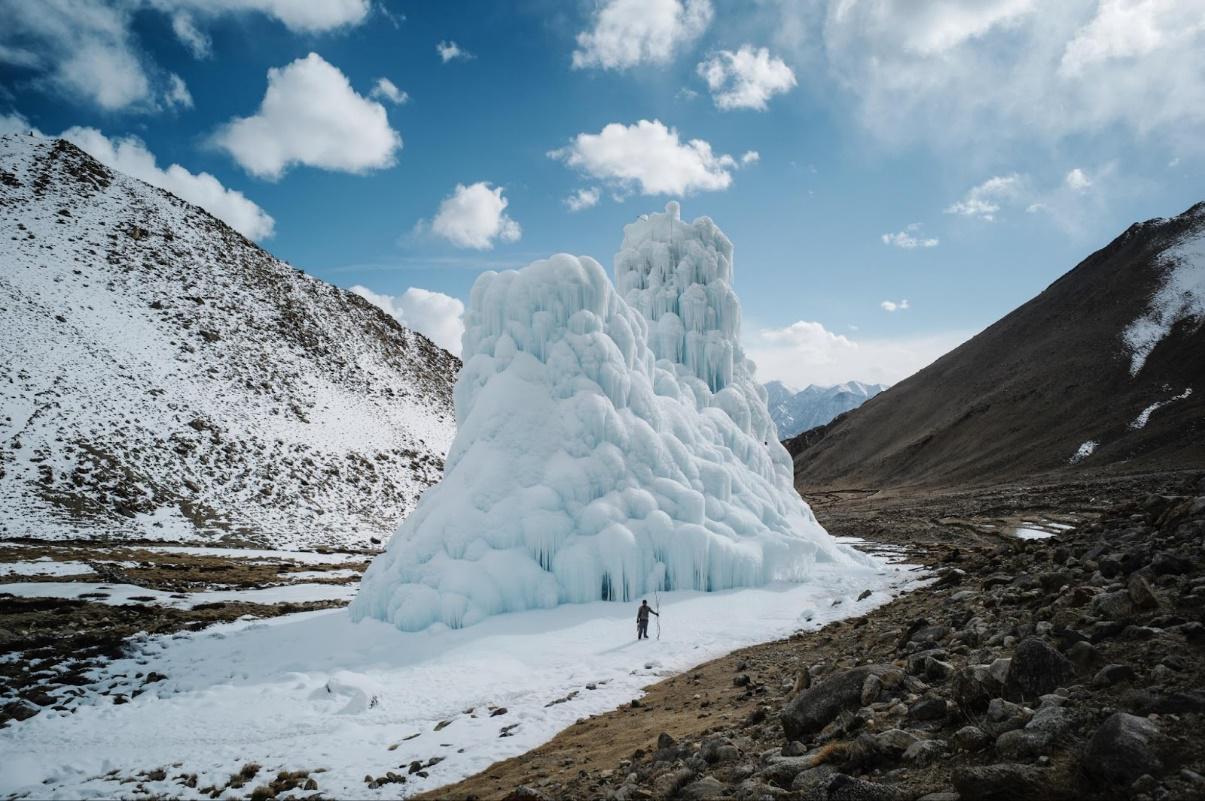
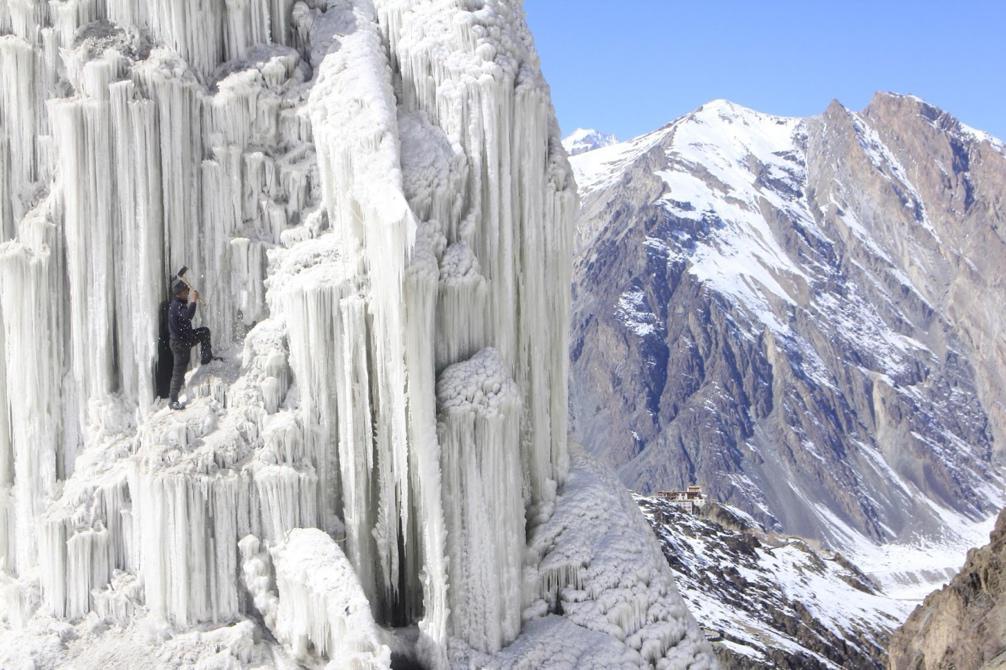
To win the first global prize It was the Slovenian photographer Ciril Jazbec With a series of shots that portray the ladakh ice stupa, artificial glaciers built to store water during the dry months. It is an innovative tool adopted by these communities to safeguard their future, while the glaciers of the Himalaya retire and the scarcity of water intensifies.
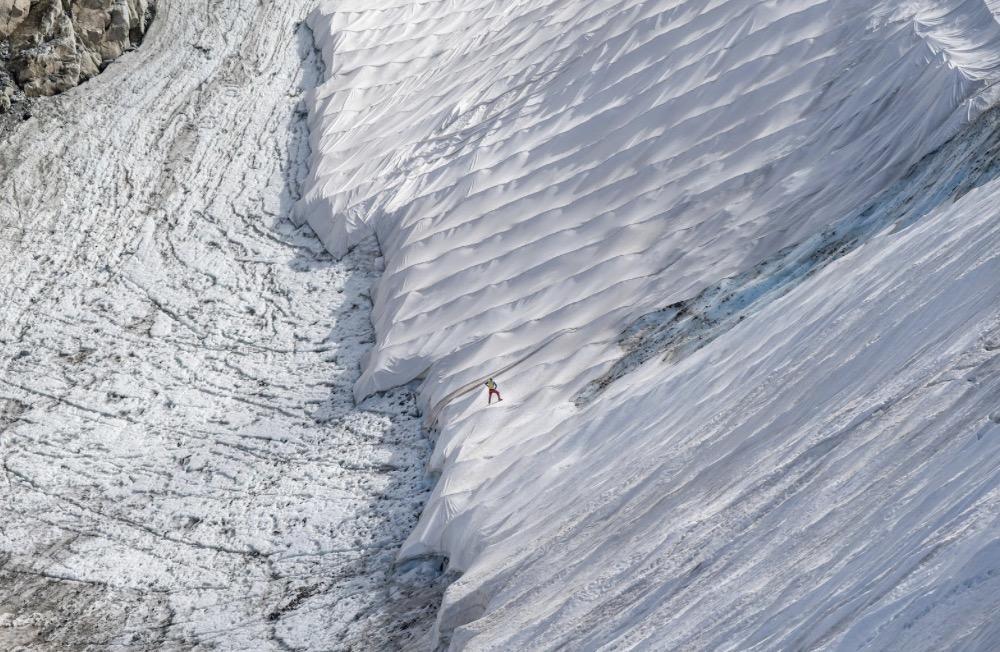
The Italian Michele Lapini won the PRegional Remio Europe for having immortalized the Italian initiative of the thermal sheets that slow down the dissolution of the Presena glacierunfortunately in rapid withdrawal.
In this photograph of Lapini – a worker removes the geotextile sheets from the Presena glacier, released them from the bottom before using a beat to transport them away. The image shows the “step” between the covered and discoveries sections, representing the snow and ice preserved by the sheets. Each autumn, about 10 workers and two baptists take about two weeks to complete this removal process. –
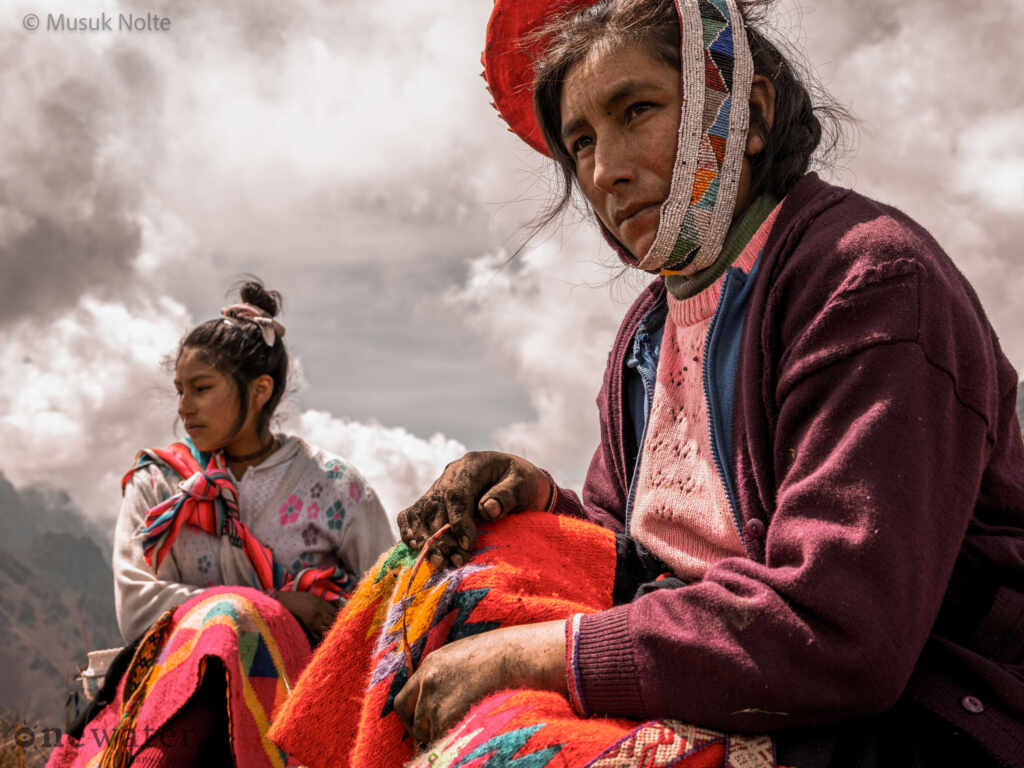
Returning to global prizeal second place we find Musuk Nolte With a series of photographs taken on the Peruvian Andes, including the image of some women from the community of Abra Malaga intent on resting on top of a mountain, after completing the reforestation works of the area. They too during Quelñual Raymi, or the Quelñual Festival, contribute to planting the Queñual shrub, which plays a vital role in holding the water in mountain areas.
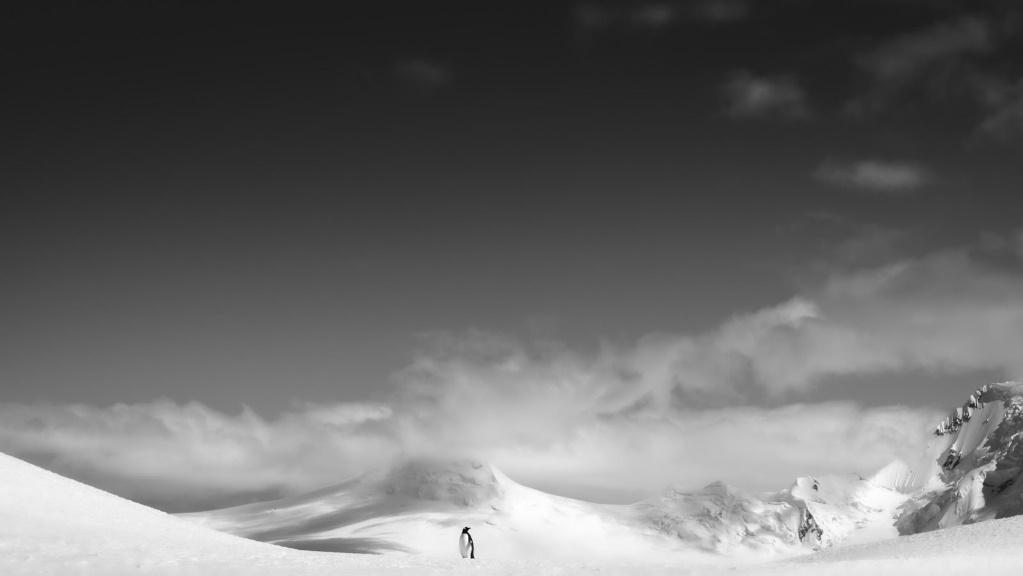
Al Third place of the global prize we find Wilfred Berthelsen With his Exodus project, inspired by the solitude of polar landscapes.
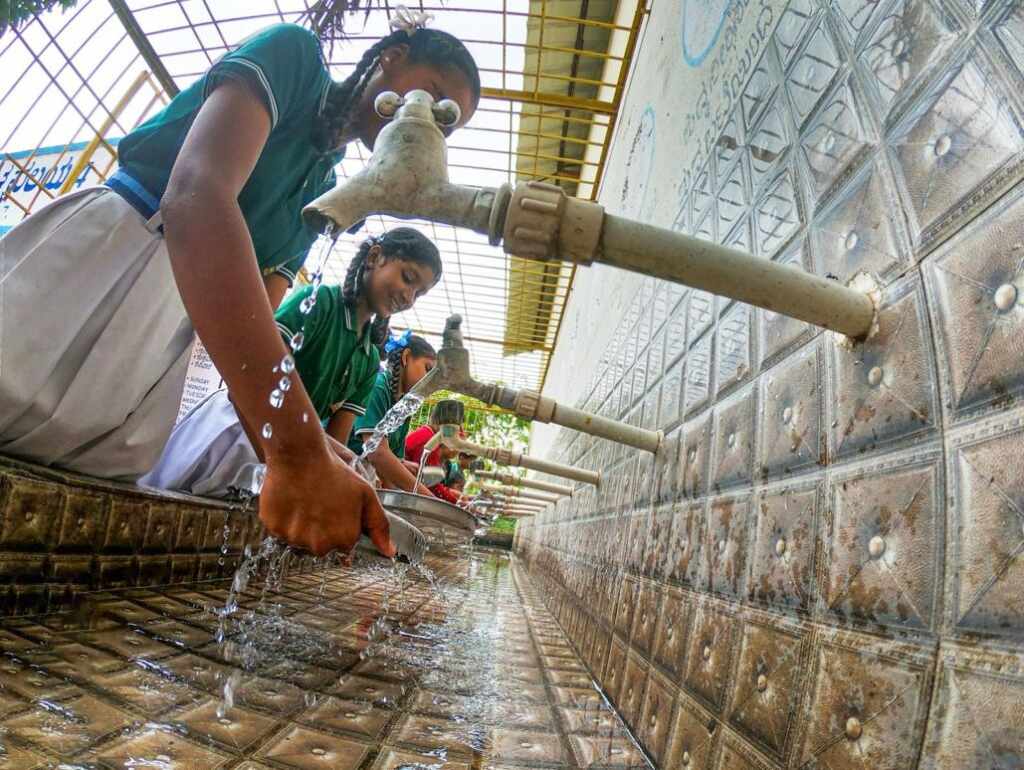
With Mohamed Rafi we pass in Bangalore, India, where each school has its own water tower. And it is precisely with the rainwater collected by one of them that the girls of the SonnappanaHalli school were washing the dishes before lunch.
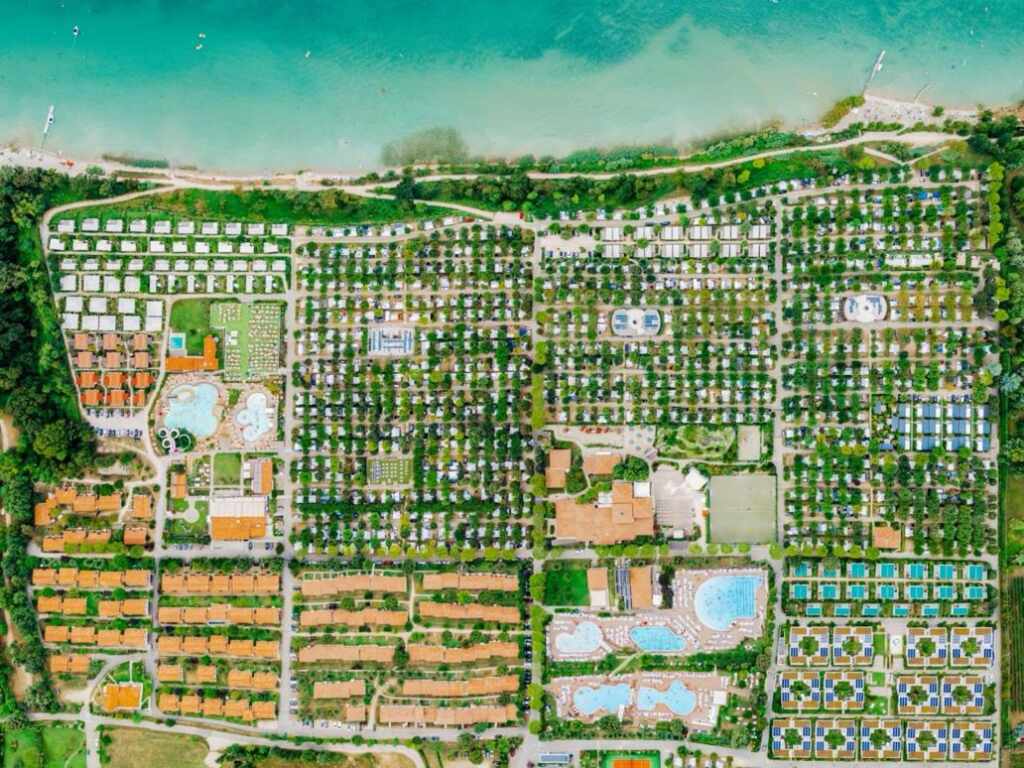
Let’s go back to Italy for a moment, in that of Lazise, where Marco Ferrario took a panoramic image of a large campsite located near this municipality. Lazise is located on the east shore of Lake Garda, whose economy depends a lot on tourism, as this photo well testifies.
It must not be easy to work on an ice stupa of the Ladakh in the middle of winter, but the man immortalized by Francesco Clerici seems perfectly at ease.
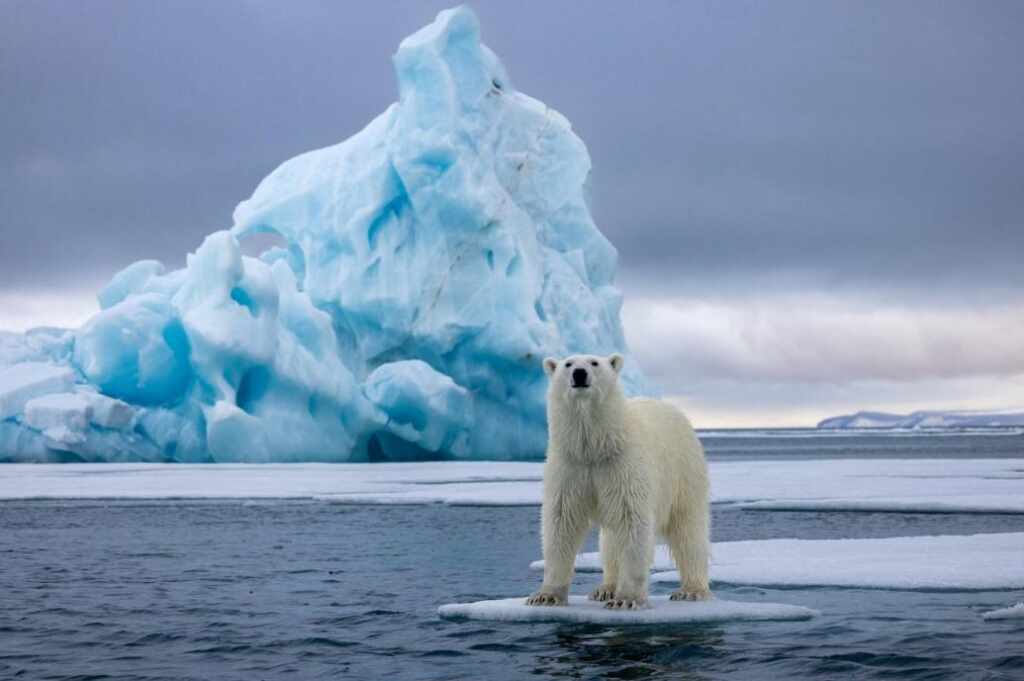
The snap of Piet Van Den Bemd is also beautiful, which portrays a polar bear of the Svalbard, Norway, on an ice slab, framed by an intense blue iceberg.
Beyond the aesthetic perfection of this image, the photographer’s intent is to highlight the need to keep the polar habitat, preserving these precious ecosystems for the future.
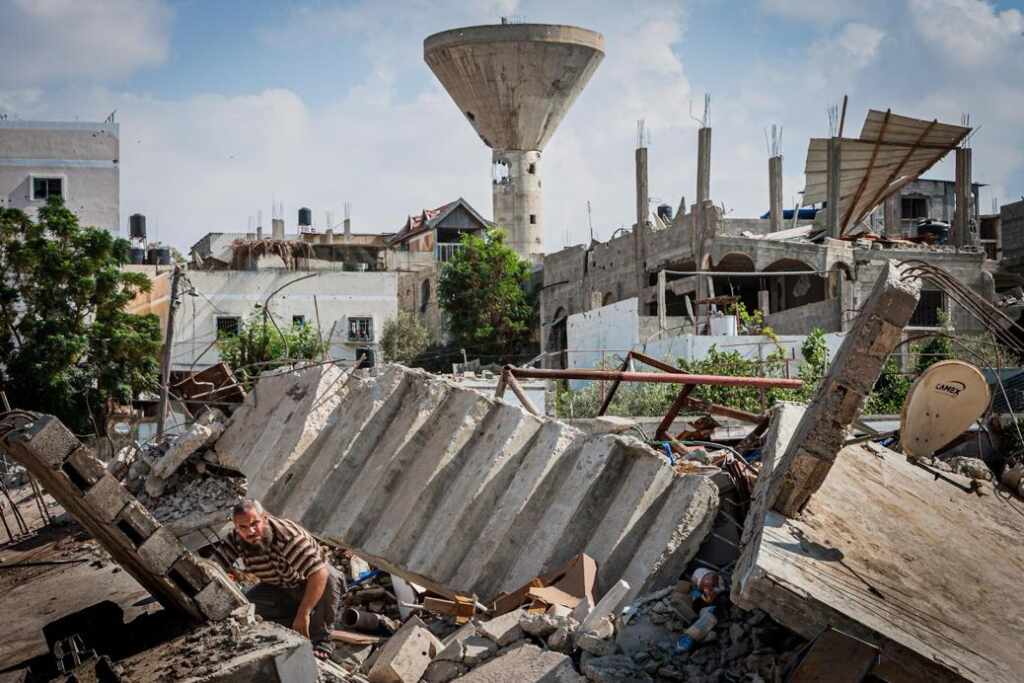
Here we are catapulted to Beit Hanoun, in the north of the Gaza Strip, where a man seeks his personal effects in his destroyed house. Against the background of the photo taken by Celestino Arce, the city tower of the city stands out, damaged during the conflict, but still integrated.
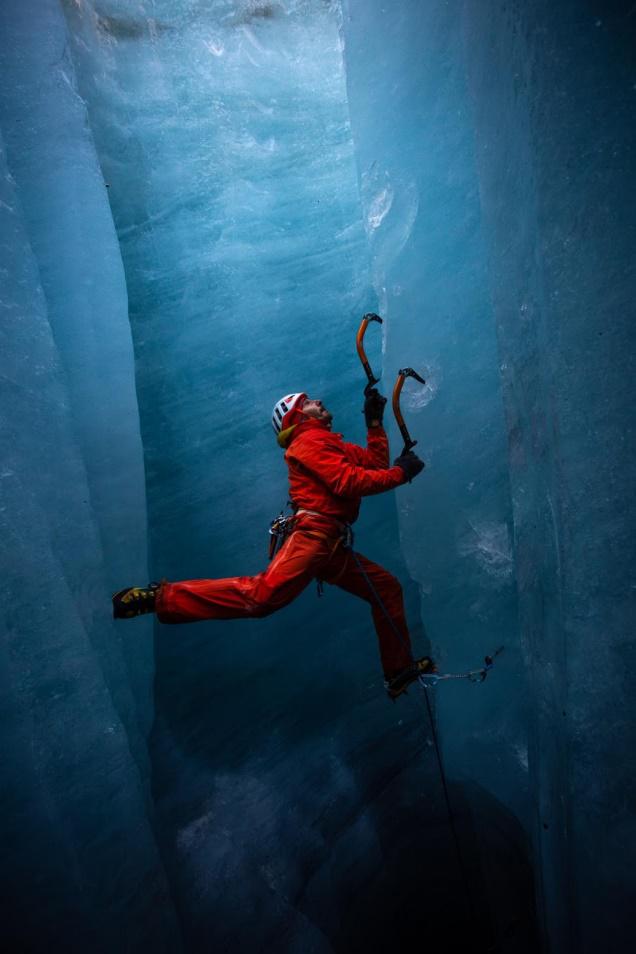
Let’s go back to Europe, and to be exact in France, where Julia Roger-Weyer photographed a Moulin of the Mer de Glace, the largest glacier in the country, winning itself The second place of the PRegional Remio Europe. The so -called Moulins are enormous cavities dug by dissolution water during the summer, which in this season can reach depth above 80 meters.
Sources: Onewater/Press release
