
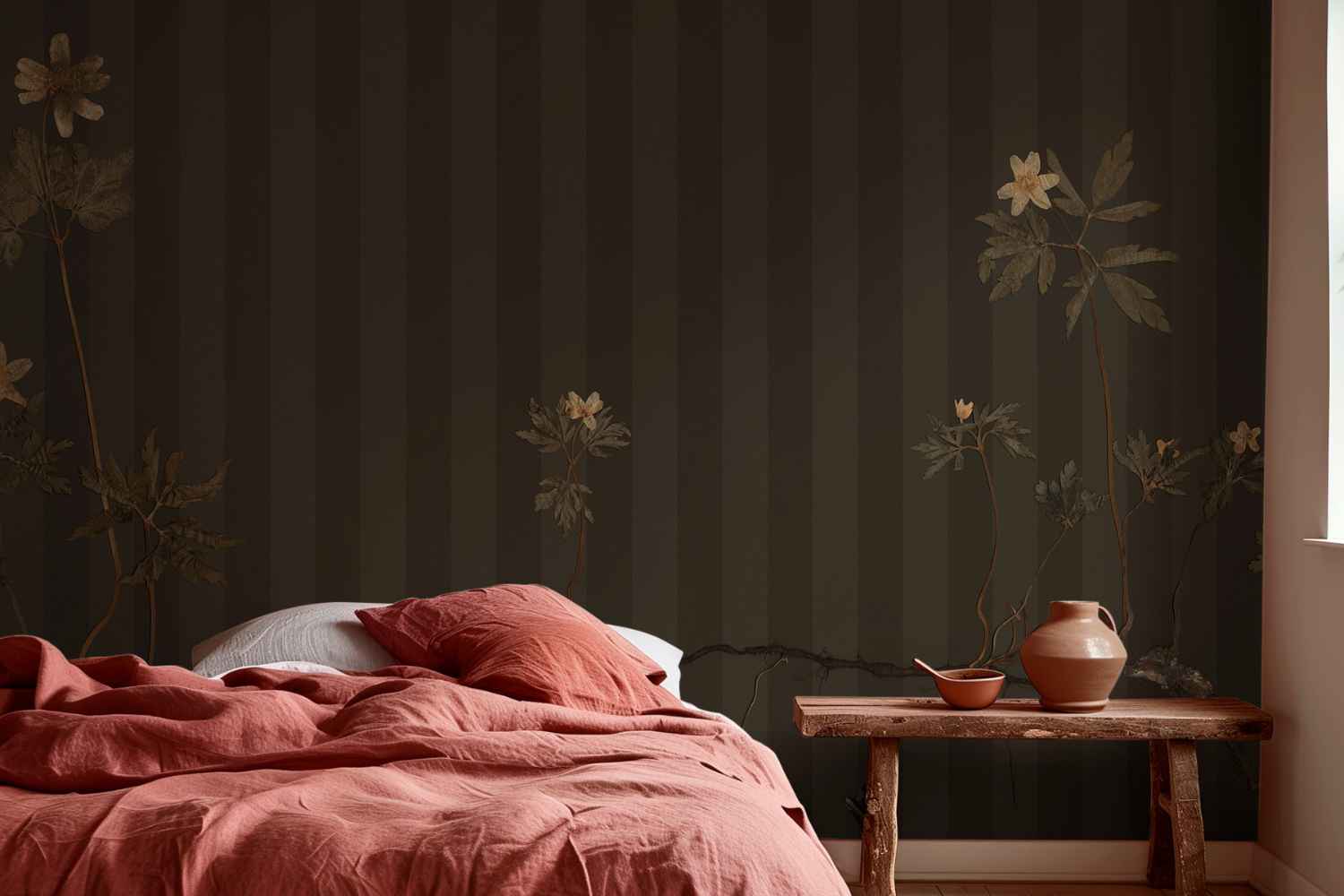
Today, interior designers are concerned with finding solutions that are beautiful and also respectful towards the environment. More and more companies try to make aware choices and who want to reduce the impact on the planet. The wallpaper is also following this trend! The best quality wallpaper is produced through sustainable production cycles and is an excellent solution for those who want to adopt an ecological approach.
Why to orient themselves on an eco-friendly wallpaper
Sustainability has become a priority in all sectors, including that of interior decoration. The buildings, in fact, are responsible for about 39% of the global emissions of CO₂, and a significant part of these emissions comes from the materials used for the finishes and the internal decorations. Choosing eco-friendly wallpaper means not only reducing the use of materials harmful to the environment, such as PVC, but also paying attention to volatile organic compounds (VOC), which can pollute the air inside the houses. And it is not just an ecological question: the quality of the air in our homes, which is sometimes more polluted than the external one, improves by choosing materials that do not release formaldehyde, phthalates or other harmful chemical agents. The result? A healthier environment, which is good for those who live the house.
Traceable raw materials and certifications that count
The quality of the eco-friendly wallpaper starts already from the choice of raw materials. Many of these come from sustainable sources, such as cellulose from certified FSC® or PEFC forestswhich guarantee responsible management of natural resources. Sometimes, cellulose are added materials such as linen, hemp or bamboo, which require less water and pesticides than other crops and which, thanks to their long fibers, make the fabric resistant but soft to the touch. In addition, the dyes used for printing are based on water and without heavy metals, in line with the European regulations on the health of the wall coverings.
UV-LED ink jet technology
Print technology is another aspect that has taken a big step forward to eco-friendly wallpaper. Thanks to the UV-LED inkjet print, the ink is polymerized at low temperatures, with an energy saving that can go up to 65%. This process, which does not provide for the use of chemical solvents, eliminates the need for post-bearing treatments for fumes, significantly reduces harmful emissions in the environment. In addition, digital printing allows you to produce rolls on request, so as to limit warehouse waste. Personalization becomes more precise, from tropical macro-frog to geometric plots inspired by the merger of Scandinavian design and Japanese crafts, allows you to obtain unique and tailor-made results.
Functional performance: breathability, washability, duration
Choosing an eco-friendly wallpaper does not mean having to give up functionality. The materials used for the production of modern wallpapers, such as the non-woven in cellulose and recycled polyester, are designed to be breathable and resistant. These supports do not suffer from the typical dilations of vinyl cards, which tend to deform over time. In addition, eco-friendly wallpapers have been tested for solidity to light, with angry resistance that exceeds eight gray stairs. As for the washability, they are certified to resist humid rubbing. And for the most humid environments, such as kitchens or laundries, just add an opaque acrylic finish to make them suitable to resist water, without the need for permanent plasticized coatings.
Colors and textures that dialogue with domestic biophilia
The concept of sustainability is also reflected in the color palette and in the textures of eco-friendly wallpapers. The hottest and most natural tones, such as sage green, terracotta and beige of untreated wood, are highly appreciated. The grain -effect surfaces of rice or flamed canvas give visual depth, spread the light in soft shadows that create a welcoming and relaxing atmosphere. Botanical motifs, inspired by nature, are designed to transform a wall into a real indoor garden. In addition, the texture of wallpapers plays a fundamental role in creating a complete sensory experience. The 3D relief, obtained with a hot overpowering on a cellulose basis, is not only beautiful to look at, but also invites to be touched, reduces the reflection of light and improves the perception of space.
Life and end of life cycle: from chasage to recycling
Another important aspect of the eco-friendly wallpaper concerns its life cycle. The glue used for the application is based on modified starch, which does not contain formaldehyde such as some synthetic glues. Once dried, it forms a film that allows you to easily remove the upholstery without damaging the plaster. And when the time comes to remove the paper, the Rotoli without PVC can be recycled as paper or intended for composting, provided that inks and certified paints are used for biodegradability. Packaging is also designed to reduce the environmental impact: plastic is replaced by recycled Kraft paper, and the tubes are in alveolar cardboard, materials that facilitate recycling and reduce carbon imprint in transport.
