
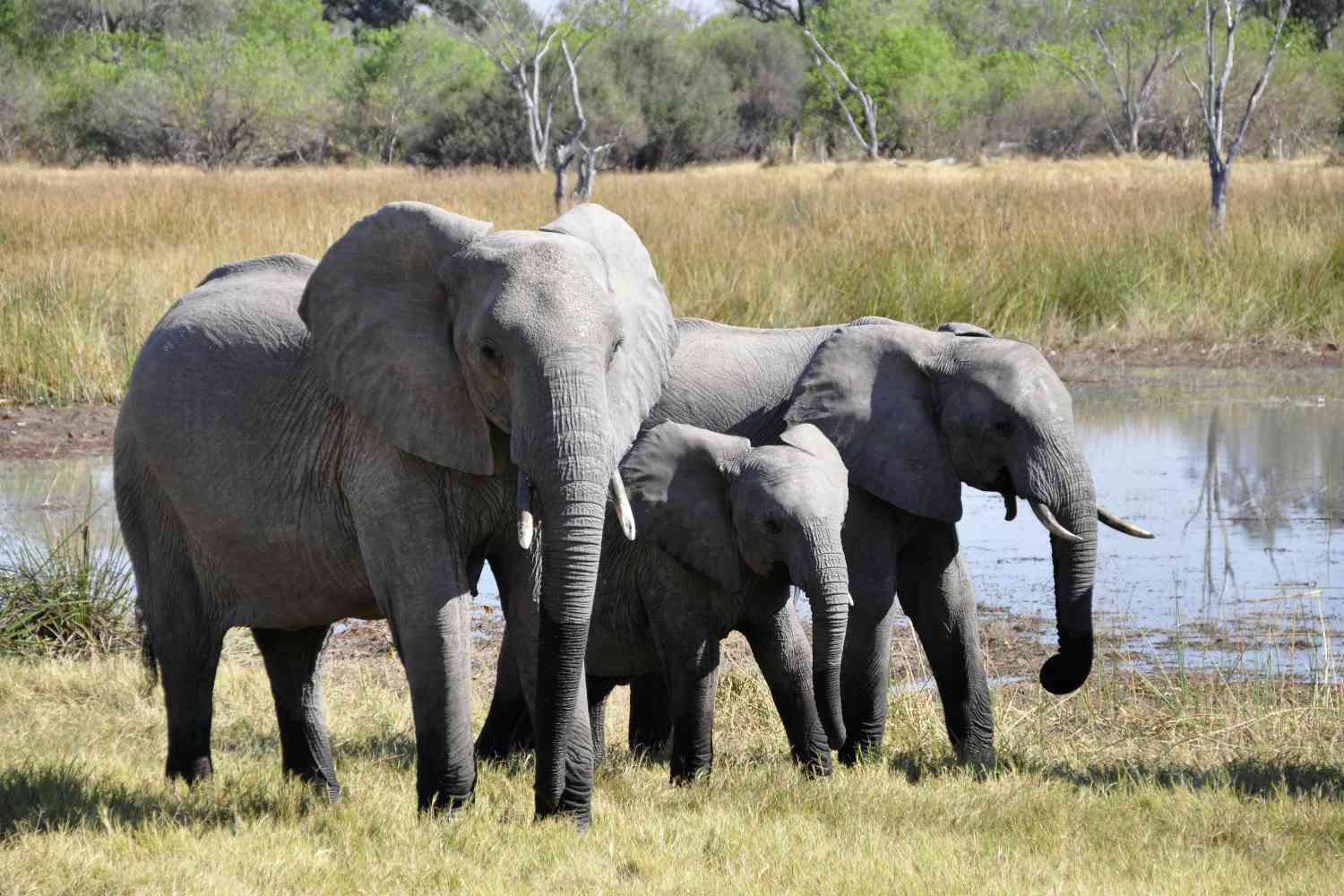
The African elephantsbelonging to the Loxodont genre, were once widespread throughout sub-Saharan Africa. In the eighteenth century it was estimated that their population was approximately 26 million specimensbut with the beginning of the twentieth century the number he had already reduced to 10 million.
The decline continued at alarming rhythm, and in 1989after the approval of the African Elephant Conservation Act in the United States, they counted just 600,000 elephants. Thanks to the global moratorium on ivory trade, in the 90s some populations stabilized, but the Pucconaggio recovery He has again threatened their survival.
Between 2010 and 2012, About 100,000 elephants were killed for ivoryand between 2011 and 2014, the poaching level has reached the historic tops recorded since 2002. Currently the total number of African elephants is estimated at 415,000. In addition to the illegal hunt, the loss of habitats due to the growth of the human populationat the deforestation and to the infrastructure development It represents another great threat. Elephants often find their crops for lack of food, leading to conflicts with local communities.
Central Africa forests are among the most affected
In 2021 the international union for the conservation of nature (IUCN) recognized two distinct species: the forest elephant (Loxodonta Cyclotis), Ranked as “in critical danger” and the elephant of the savannah (African Loxodont), considered “in danger“. To counter the decline, the US Fish and Wildlife Service finances the protection, monitoring and mitigation of man-elephant conflicts in the 37 African states where elephants are present.
The Central Africa forests They are among the most affected, with a drop of 62% of the forest elephants between 2002 and 2011. The Democratic Republic of the Congo lost 80% of its elephant population since the 70s, while in Gabon the Minkébé National Park saw 80% of its elephants killed in the last decade. In West Africa the populations are fragmented and often count Less than 100 specimenswith the exception of the W-Arly-Pandjari cross-border complex, which houses over 4,000 elephants.
THE’Eastern Africa He suffered serious losses, in particular in Tanzania, where the number of elephants dropped from 110,000-165,000 in 2008 to about 43,330 in the following years. However, recent reports indicate a reduction in poaching in some areas.
Southern Africa, once considered a safe refuge, has seen the Botswana elephant population grow up to 129,000 in 2014, but but The poaching is also increasing in this region. The Zimbabwe currently hosts over 80,000 elephants, while the total of southern Africa is around 293,447 individuals. Impressive numbers that cannot fail to reflect on how much the fate of these splendid animals is hanging by a thread, ours.
