
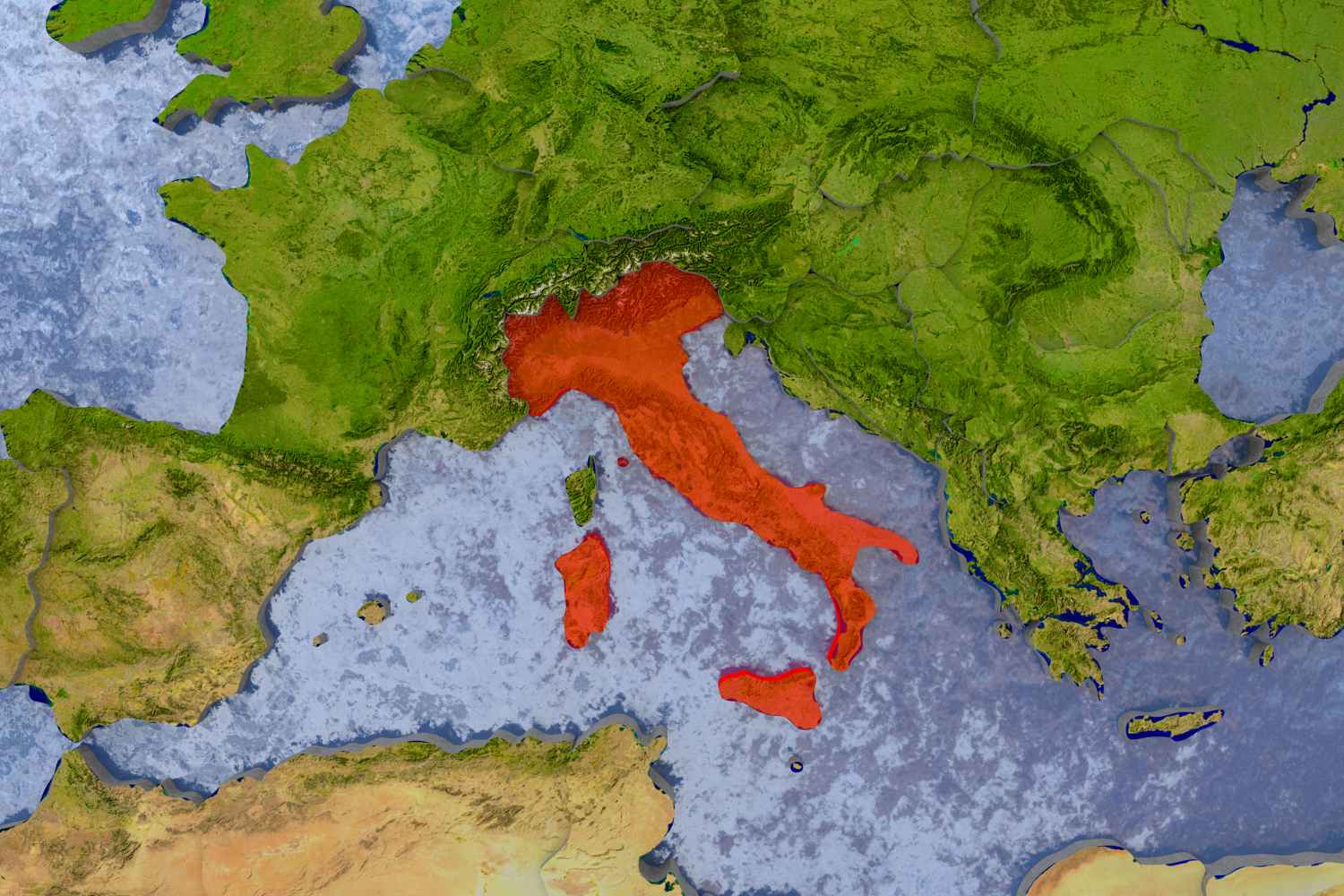
Being born in Trento or Naples makes the difference. Living in Veneto or Calabria determines profoundly different opportunities. This is certified by the twelfth Report on Fair and Sustainable Wellbeing (BES) by Istat, which through 152 indicators measures not only the economic wealth of the country, but the quality of real life of citizens: access to medical care, job opportunities, level of education, quality of the environment, efficiency of public services and more.
Analyzing the last decade, the report shows progress in some areas, but highlights territorial gaps that appear to be consolidating, with worrying fragilities in the labor market, in access to healthcare and in the protection of the territory.
The great territorial fracture
In the North and Centre, over 60% of the indicators exceed the national average, with excellent performances in the autonomous provinces of Trento and Bolzano, in Veneto and Friuli-Venezia Giulia, where more than 70% of the indicators record values above the average.
In the South the picture is reversed: in all southern regions, except Abruzzo, most indicators remain below average. In Campania and Puglia over seven out of ten indicators are worse than the Italian average.
This gap crosses the most important domains: health, education, work, environment, economic well-being and quality of services. A fracture that affects the concrete possibility of accessing care, education and job opportunities.
Work: a structural delay
The employment rate is 67.1%, 8.7 points below the EU average. For women the gap is dramatic: only 57.4% work, compared to 70.8% in Europe. Involuntary part-time affects 8.5% of workers (13.7% for women), more than double the EU average.
In the South the rate of non-participation in work is 25.5%, almost four times the North (6.9%). A quarter of the southern working-age population is out of business. 19.4% of those who have a fixed-term contract have maintained it for at least five years with the same employer, a percentage which in the South rises to 25.7%.
Health: excellence and inequalities
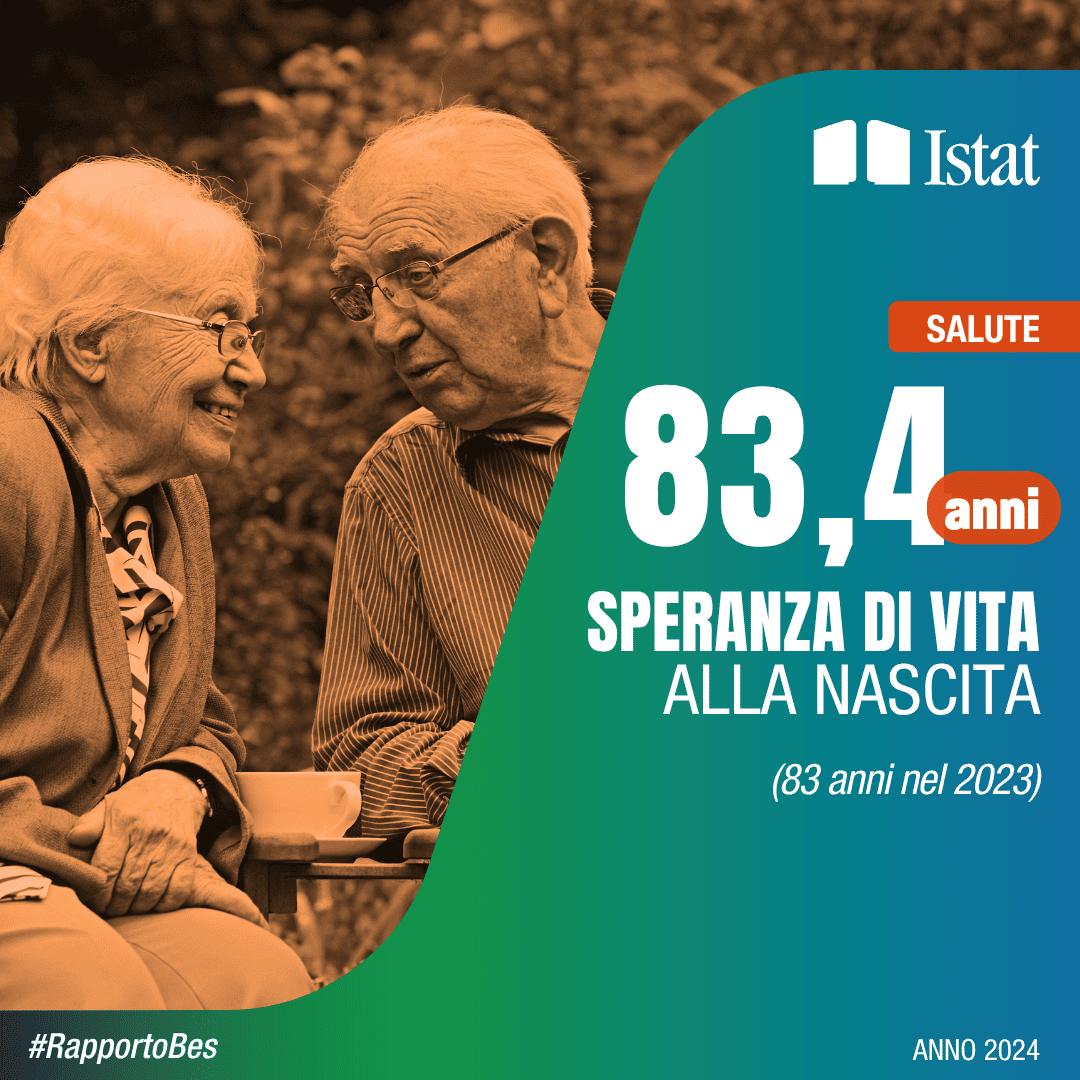
Italy boasts a life expectancy of 83.4 years, among the highest in Europe, and an avoidable mortality rate significantly lower than the EU average (17.6 versus 25.8 per 10 thousand inhabitants).
Yet, 9.9% of the population – almost six million Italians – have given up specialist visits or tests due to endless waiting lists (6.8%) and unsustainable costs (5.3%). A worsening compared to 7.6% in 2023.
Primary care is under pressure: only 6.4 GPs per 10,000 residents. In the North, 63.8% of doctors manage over 1,500 patients, well above the recommended maximum. Healthcare mobility is increasing: 477 thousand hospitalizations outside the region in 2023. In the South, 11.3% of patients are forced to migrate to hospitals in the North.
Education: insufficient skills
The frequency of nurseries has grown to 35.2%, exceeding the European target of 33%, but with enormous territorial differences: in the South it does not reach 30%.
Students’ skills are of concern. In the third year of middle school, 41.4% do not achieve sufficient skills in Italian and 44.3% in mathematics. In Sicily, 53.3% have inadequate literacy skills and 62% have insufficient mathematics skills. For foreign students not born in Italy, 75% do not achieve adequate literacy skills.
Only 31.6% of young people aged 25-34 have a degree, compared to 44.1% in Europe, a gap of 12.5 points which places Italy in the last continental positions. Positive news: NEETs fell to 15.2% and school dropouts to 9.8%, close to the EU target of 9%.
Environment: between progress and structural critical issues
Italy presents a contradictory picture with significant progress but persistent critical issues.
Campania is the most affected region, with over 80% of the territory compromised, followed by Veneto, Lazio and Molise (75-80%). Illegal construction remains significant in the South: 40.2 illegal homes for every 100 authorized.
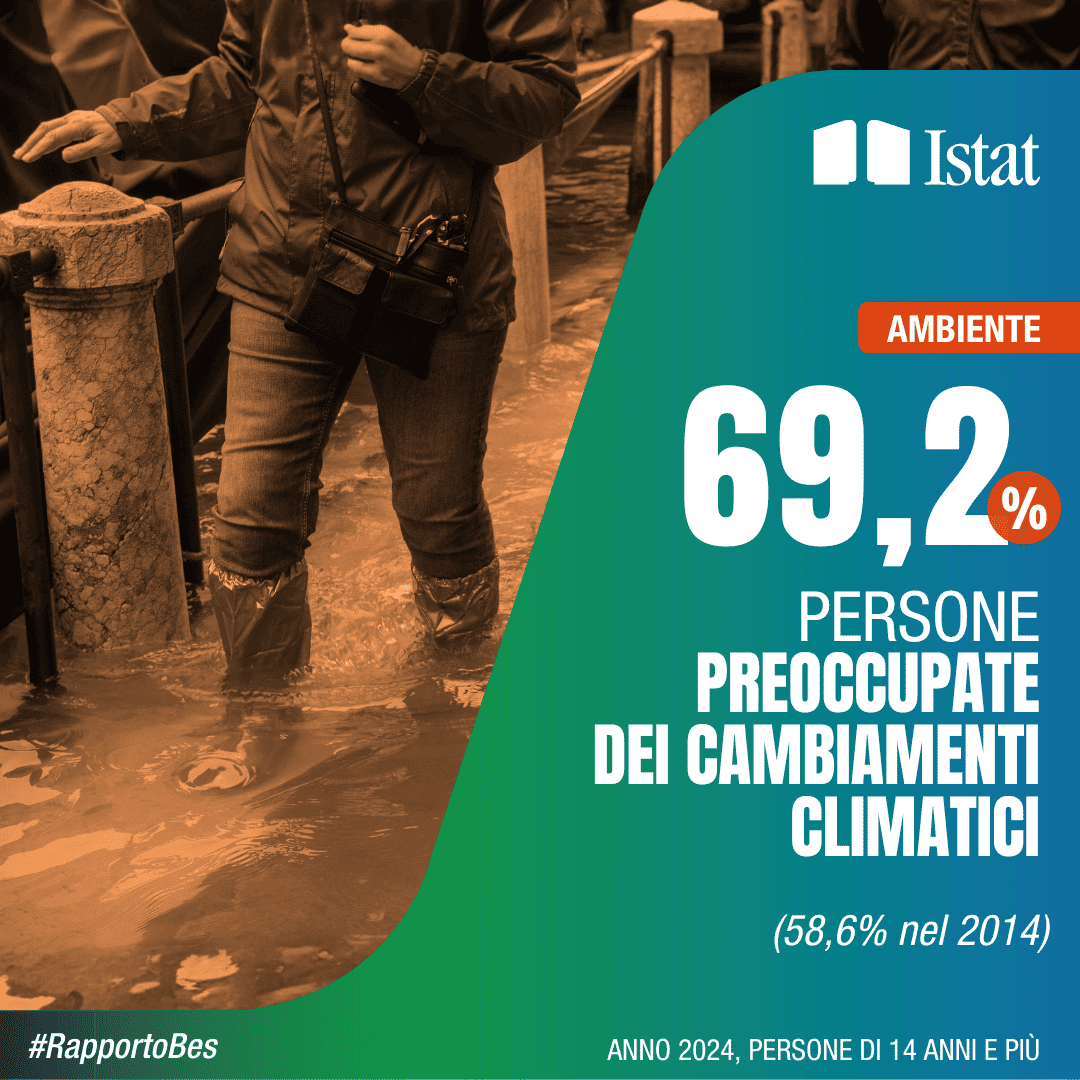
Concern about climate change has grown: 69.2% of Italians consider it a priority, compared to 58.6% in 2014, with significant increases among those over 74 and graduates (75.5%).
The paradox of subjective well-being
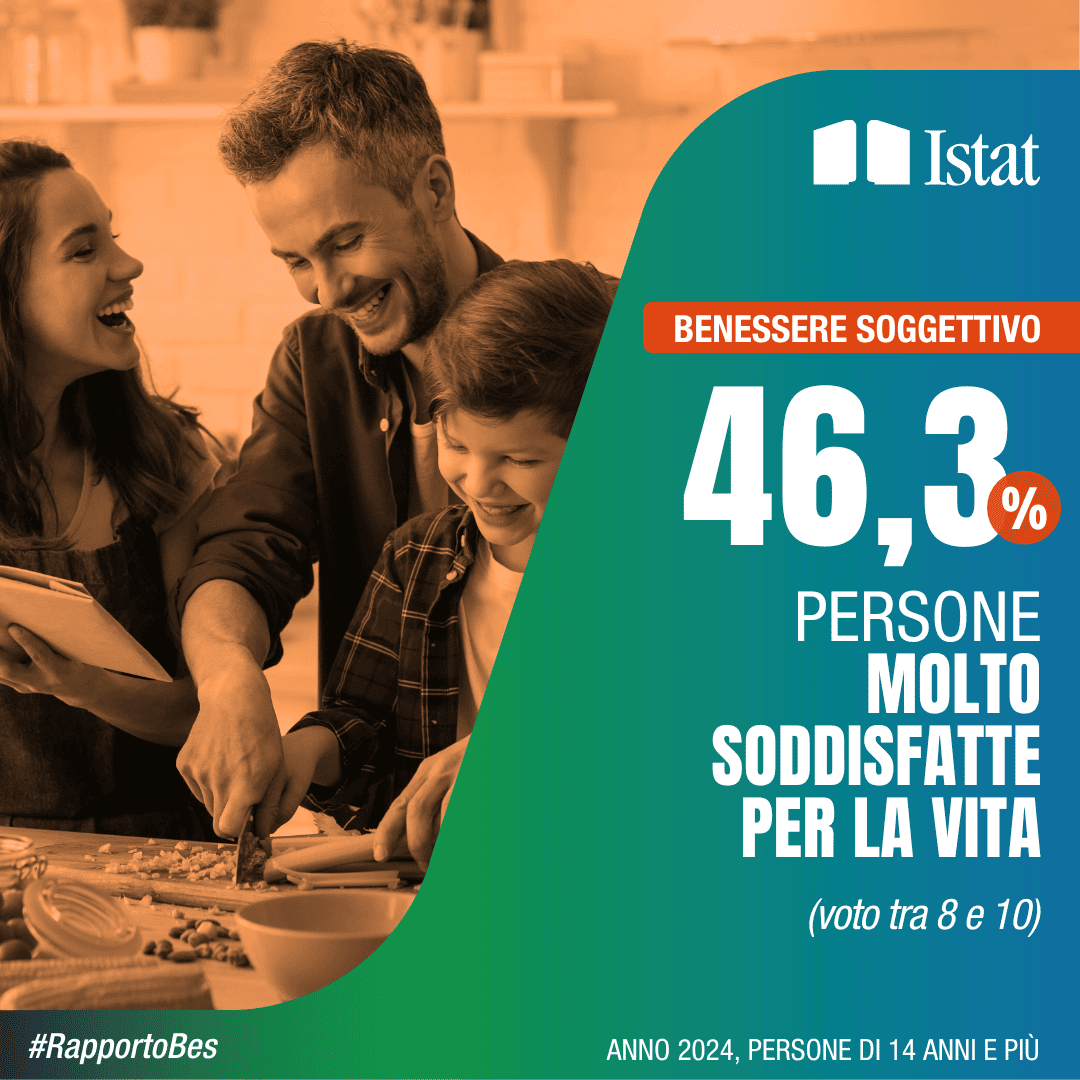
Despite the structural problems, 46.3% of Italians declare themselves very satisfied with their lives, 11 points more than in 2014. 30.9% believe that their situation will improve in the next five years.
This optimism contrasts with the collapse of social trust: only 22.5% consider people worthy of trust. Trust in institutions is very low: political parties get 3.5 out of 10, Parliament 4.7. Electoral participation in the 2024 European elections has fallen to 49.8%, below the EU average, with a drop of 23.3 points since 2004.
A look at the future
The 2024 BES Report confirms a slow improvement on some metrics, but highlights profound territorial inequalities. The fracture between North and South creates two Italys with profoundly different opportunities. The challenges are clear: closing territorial gaps, investing in education, strengthening healthcare, accelerating the ecological transition and rebuilding social capital.
