
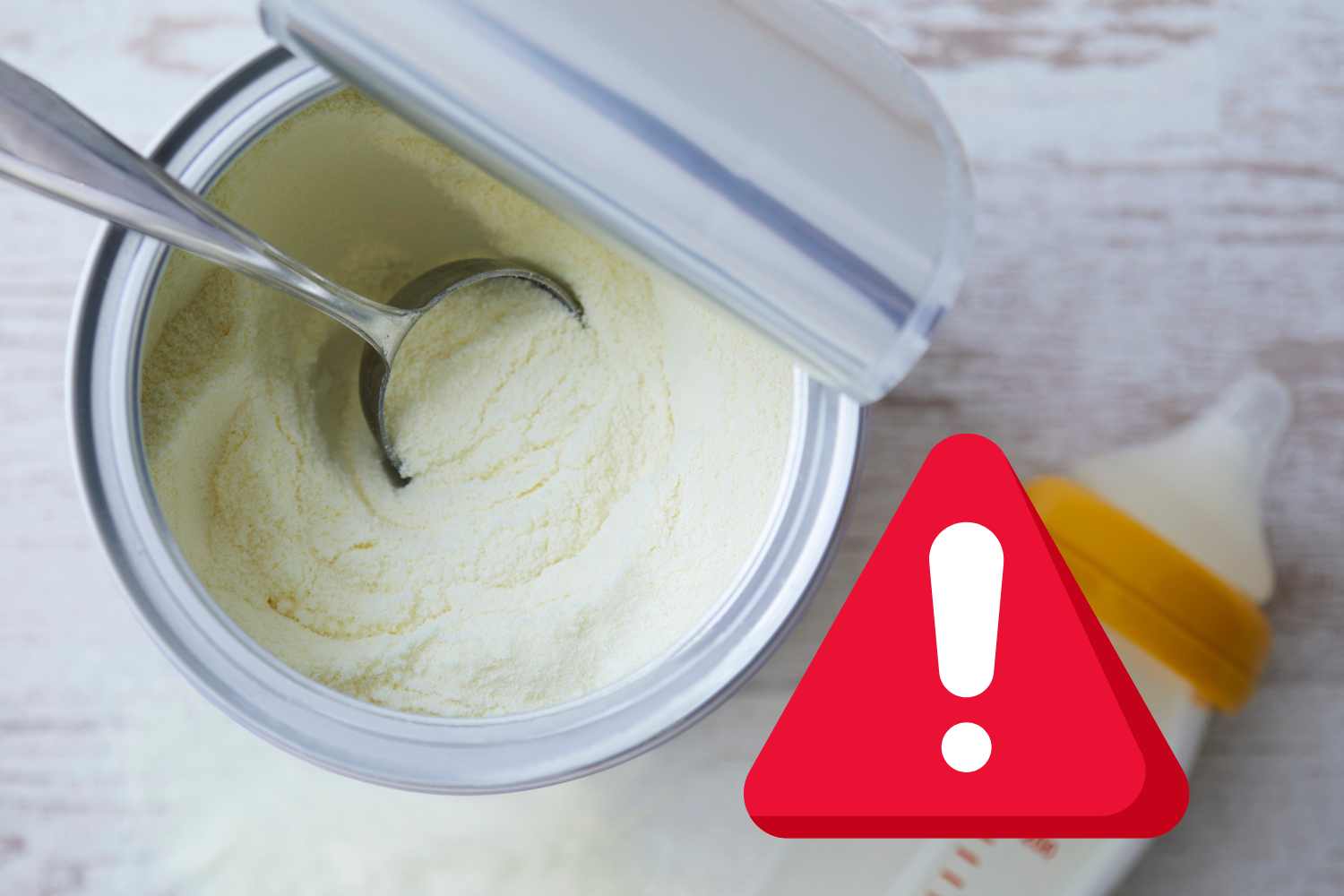
Two newborns died from contaminated infant formula produced by food giant Nestlé? Two criminal investigations were opened in France precisely to understand this, after the death of children who had consumed potentially contaminated formula milk. A case that is taking on increasingly worrying dimensions and which involves not only the Swiss giant Nestlé, but also other important producers in the sector.
The case concerns two very young children: a boy born on 25 December and died on 8 January in Pessac hospital, near Bordeaux, and a 27-day-old girl who died on 23 December in Angers. Both had experienced serious digestive disorders – vomiting, diarrhea and serious complications – after taking Guigoz brand infant formula, produced by Nestlé.
The investigators’ suspicion falls on the possible presence within the milk of cereulide, a toxin produced by the bacterium Bacillus cereus. It is a particularly insidious substance because it resists heat, in fact neither boiling water nor normal bottle preparation can eliminate it, making it difficult to neutralize the risk for newborns.
At the moment, the French authorities underline that a direct causal link between milk consumption and deaths has not yet been demonstrated. Toxicological analyzes are still underway.
The food alert on formula milk
As we had already reported in recent days, the problem has rapidly taken on international proportions. Nestlé has initiated a recall that has affected over sixty countries around the world, involving several product lines: Guigoz, Nidal, SMA, Beba, Alfamino and, in some markets, also Nan.
In Italy, some batches of the Nan, Nidina, PreNan and Alfamino lines have been recalled as a precaution. The company said it has received no reports of confirmed cases of illness linked to consumption of the products affected by the recall.
But the issue doesn’t stop at Nestlé. In recent days Lactalis has also recalled six batches of its Picot baby milk, distributed in 18 countries (Italy is not among them). Even Danone ended up in the crosshairs: a batch produced in Thailand was blocked in Singapore before it reached consumers, although the company specified that the checks revealed no irregularities.
According to reconstructions, the source of the contamination is a single Chinese supplier of ARA oil (arachidonic acid), an ingredient used in premium formulas to reproduce the lipid composition of breast milk. This explains why the problem affected several manufacturers simultaneously, all of whom were using the same component.
The vulnerability of the global ingredient supply chain emerges in all its evidence. When a single supplier supplies multiple companies around the world, a problem at the source multiplies exponentially, reaching millions of families.
Accusations of lack of transparency
The Foodwatch organization pointed the finger at Nestlé, accusing the group of having handled the crisis in a less than transparent way. According to the association, the multinational was alerted by its supplier as early as December, but the public warnings only started weeks later, with initially fragmented communications.
“Already from December 1st there were clear signs of the presence of cereulide in some baby milk packages at a European level“, declared Ingrid Kragl of Foodwatch, underlining that European law requires immediate traceability to protect consumers, especially when it comes to children’s products.
The French Ministry of Health has been aware of the risks since January 16, but in the meantime the potentially contaminated milk may have been given to thousands of children around the world.
What parents should do
Health authorities invite parents not to panic, but to carefully check the batches of products in their possession. All suspect batches have been withdrawn from the market and detailed information is available on the websites of the national health authorities and companies involved.
Anyone who has used the recalled products and notices worrying symptoms in their child – such as persistent vomiting, diarrhea or signs of discomfort – should contact their pediatrician immediately.
