

The end of summer marks a decisive moment for many wild animals. While the days are shortened and the air becomes fresher, curls, bees and bats put in place curious strategies to prepare for the cold months. Each species follows its own biological calendar, but all share the urgency of accumulating as many resources as possible and finding safe refuges before the arrival of winter.
Ricci: the race against time to gain weight
When the instinct suggests to the hedgehog that the winter is coming, the animal must prepare a lair for the hibernation that will begin indicatively in November, even if the preparation begins much earlier. During the months of September and October, these small mammals enter a frenetic power phase, since they will have to reach at least 650-700 grams of weight to survive long winter sleep.
Ricci born in September face a particular challenge. The late nature of these Settembrini parts does not allow sufficient time to reach the suitable dimensions to overcome the hibernation: if the first cold of the first colds should weigh less than 400 grams, the possibilities of survival would be practically null without human intervention. These late puppies often end up feeding on snails and snails, which expose them to dangerous parasites.
The construction of the den becomes the main activity of October. The transport of all the material is frenetic and is made with the mouth. The accumulation, which can also be half a meter large, will welcome the hedgehog in the center. The animal will look for repaired and dry places, accumulating dry leaves and twigs to create a nest that can protect it both from the cold and from dangerous temperature changes.
During the hibernation, which lasts about five or six months, the curly metabolism slows down drastically. Body temperature drops from 37 ° C to only 5 ° C, the heart rate decreases and breathing becomes almost imperceptible. During the 5-6 months of deep sleep, the small animal will lose about 15% of its autumn weight, for this reason it will have to increase its size to survive.
The bees: reorganization and preparations in the hive
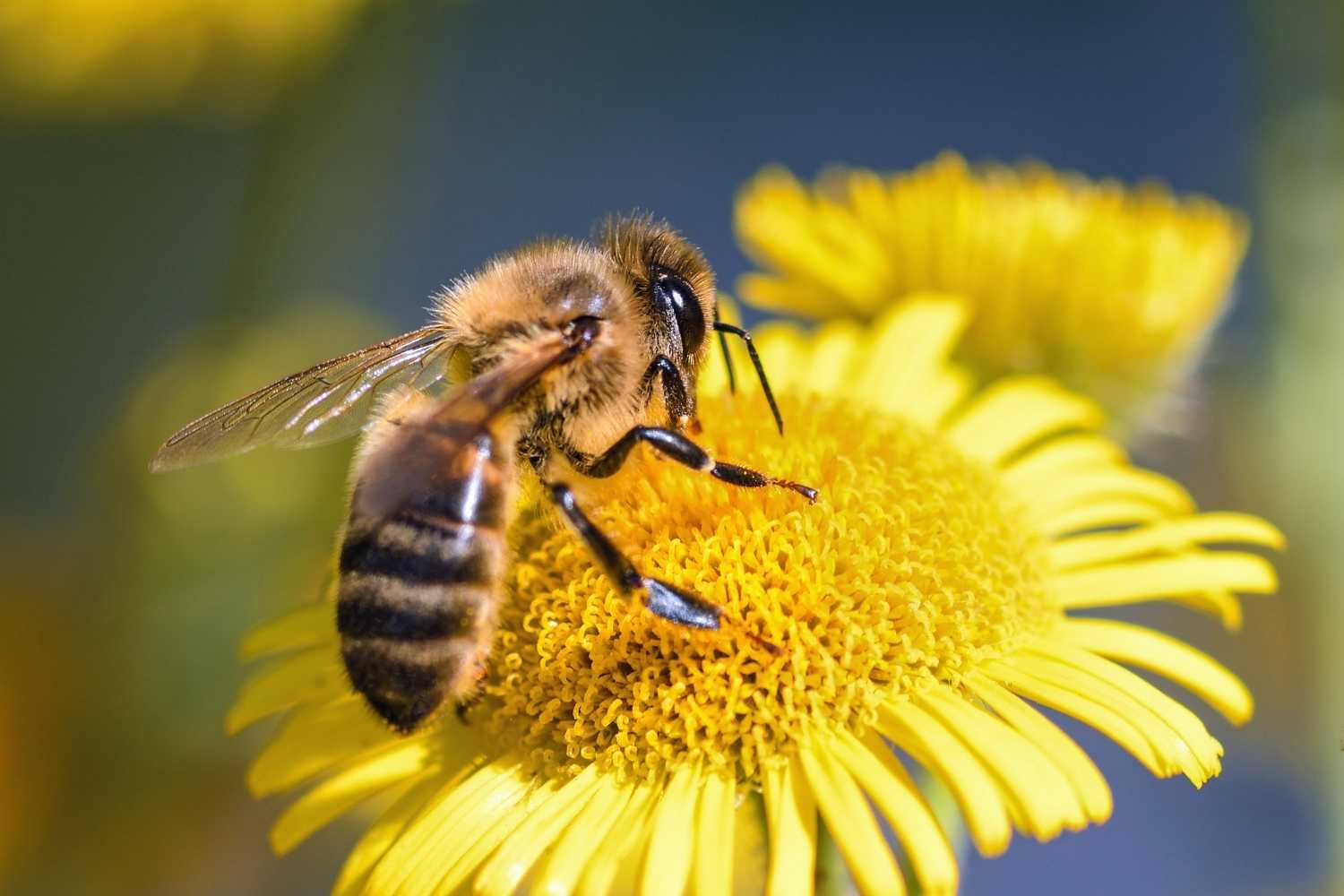
Bees face the end of summer with a completely different strategy. The most propitious moment to feed bees with artificial nutrition is from mid -August to the end of September. Expert beekeepers know that this period determines the success of the following season.
In September, the queen progressively reduces the deposition of eggs and the colony is preparing to go from tens of thousands of summer individuals to a more compact nucleus that will have to survive winter. Opera bees change behavior: those born in this period will live much longer than their summer sisters, reaching the following spring.
If our families are very populous and we have the opportunity to get us queens, you can still think of forming some new swarm in September, but this practice requires experience. The colonies must consolidate and accumulate sufficient stocks: at least ten kilograms of honey are needed for a strong family.
A very critical aspect of this period concerns the control of the Varroa Destructora parasitic mite that can decimate entire colonies. The beekeepers intervene precisely at the end of the summer, when the brood decreases, to treat bees and ensure that they arrive healthy in winter, and weak families are united to increase the possibilities of survival.
The bats: from night flight to great sleep
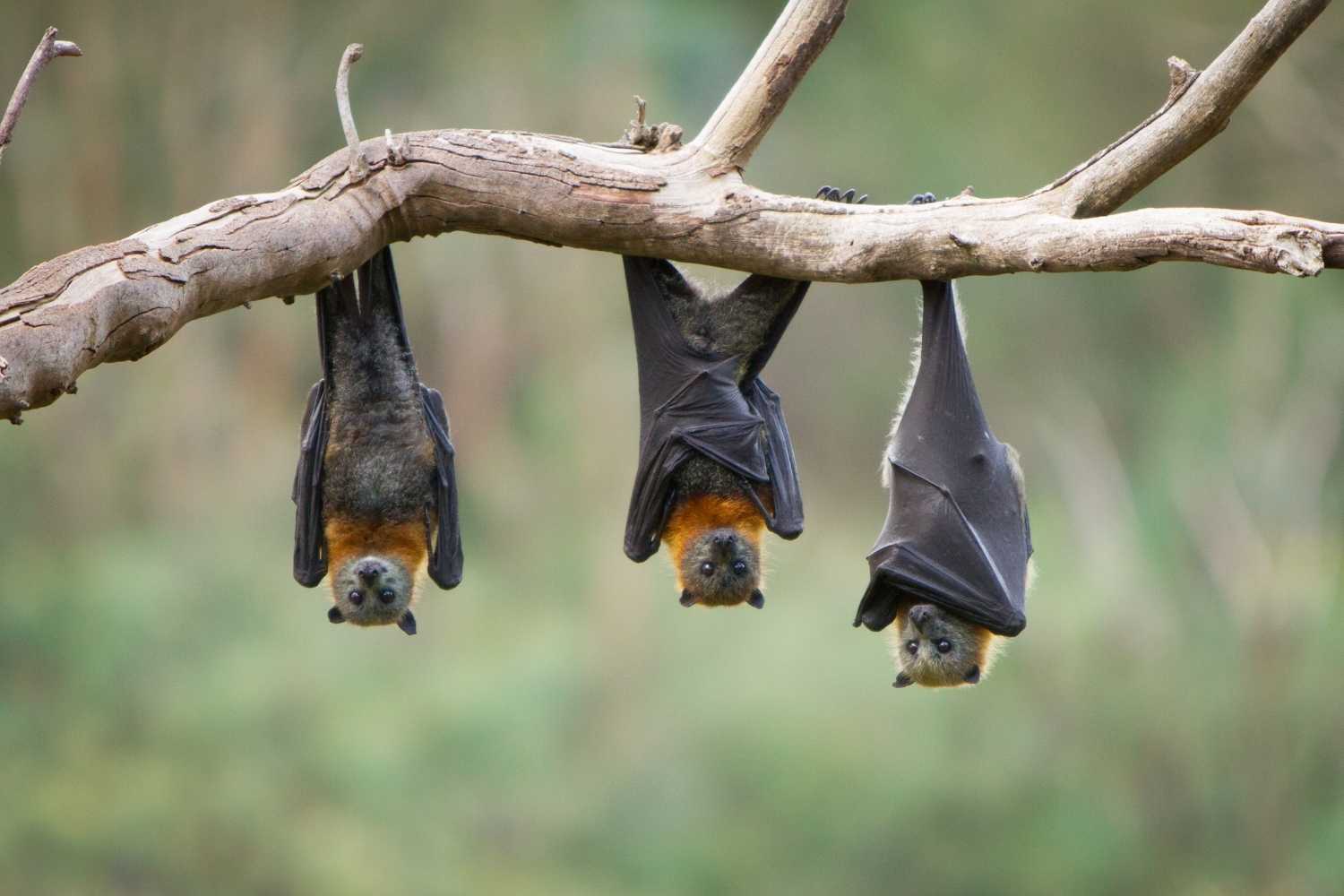
Pipistrelli follow a still different calendar. In autumn males and females meet for the couplings, while in winter the bats form mixed colonies, even of different species, to pass the winter in hibernation. The end of summer represents a period of intense activity: they must accumulate fat and find the right refuges for hibernation.
Females have a fascinating reproductive strategy. After mating, the spermatozoa are maintained vital within their body for the duration of hibernation and fertilization will only take place in the spring, in order to ensure that the little ones are born in the most favorable moment.
At the end of the summer the bats change refuge. During autumn it is possible to see them swarm overnight, while they are migrating from their summer colonies to the winter ones. They are looking for caves, abandoned mines and attic where the temperature remains constant. Some species make real migrations, traveling over 1500 kilometers to reach wintering places.
The hibernation of bats is a delicate process. The heart slows down considerably (10 beats per minute) to reduce waste, the body temperature adapts to the environmental one, but if it drops below zero, the animal awakens to look for a warmer place. Each awakening consumes precious energy reserves that could compromise survival.
How we can help them
Those who have a garden can do a lot to support these animals during the autumn transition.
For the curls, just leave a corner with leaves and twigs, with the foresight not to disturb wood -burning heaps from October to March. A bowl of fresh water and, in case of need, cats for cats can save the life of an underweight hedgehog.
For wild bees, keeping autumn flowers such as Aster and Sedum provides precious nectar. Those who have an apiary must carefully plan treatments and late season nutritions.
Pipistrelli can benefit from the Bat boxes installed in autumn. It is recommended to install the artificial nest for bats during the autumn months, well in advance of the summer. Even keeping openings in the attics and not disturbing the colonies already present makes the difference.
While we prepare ourselves at the return of the autumn routine, animals such as curls, bees and bats imply refined evolutionary strategies to survive winter. Knowing their behaviors allows us to coexist better with wildlife and to offer, when necessary, respectful and conscious help. So remember: every small gesture can make the difference to preserve the biodiversity that enriches our territories.
Don’t you want to lose our news?
