
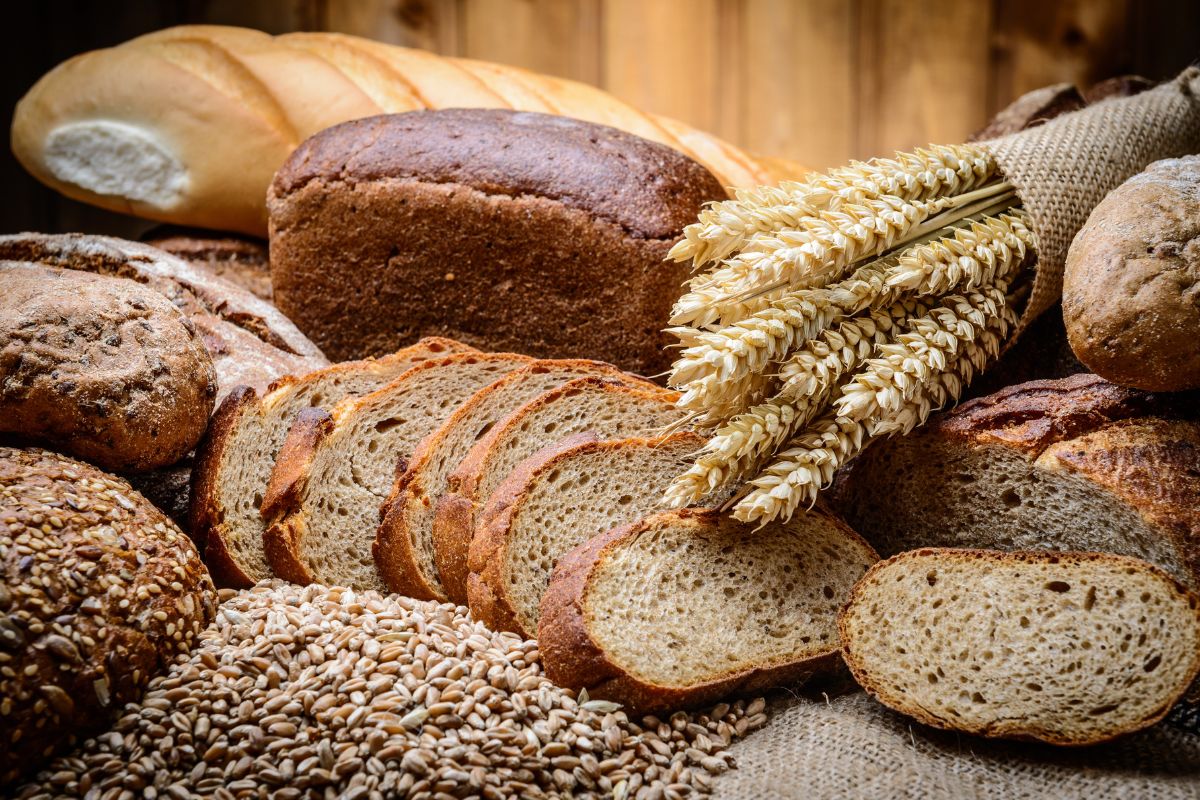
Bread transcends its nature of simple food. It represents history, culture and tradition enclosed in an essential form but rich in meaning. Present daily on our tables, this product has gone through millennia of human history, evolving and adapting to different civilizations. Despite its apparent simplicity, bread hides fascinating stories and deep symbolisms that deserve to be rediscovered.
The ancient origins of the bread
GelThe Egyptians They first discovered the fermentation of water and flour, thus creating the first real bread. This ancient people raised bakery to true art, developing leavening techniques that are still the basis of modern production today. The Egyptian ovens, found by archaeologists, testify to the importance that this food had in daily life.
THE Greek They enriched the dough with ingredients such as honey, milk, oil and olives, transforming bread from simple nourishment to gastronomic delicacy. Their innovations gave rise to numerous variations that spread throughout the Mediterranean, influencing the culinary traditions of different civilizations.
Were the Romania start the actual artisan production with the construction of large public ovens. In Rome the first professional bakeries arose, managed by specialized craftsmen who enjoyed highly social consideration. The term “cumpanaticum” (today companitic) was born to indicate any food could accompany bread, underlining the centrality of this food in the daily diet.
Roman bakery techniques spread throughout the empire, laying the foundations for the European traditions we know today.
Bread as a spiritual symbol
The value of bread far exceeds its nutritional function, in numerous cultures, this food takes on sacred and spiritual connotations that still persist today.
In Canada he blesses him before hella ritual that recalls the importance of bread as a divine gift. The Jewish tradition plans to throw a ball of dough in the oven as an offer to Godrecognizing divinity as a primary source of nourishment and abundance. This symbolic gesture recalls that, before nourishing ourselves, we must honor those who donated the food.
In Russia it is believed that those who receive bread as a gift establishes an indissoluble bond with the donor: Whoever eats that bread will never betray who donated them. This concept transforms bread into a symbol of trust and loyalty, an unwritten pact between people who share the same nourishment.
According to the Jewish custom, the bread does not cut but breaks, because the cut represents an unsuitable violent gesture to such a sacred food. This practice also finds itself in the Christian tradition, where breaking the bread recalls the last dinner of Christ with the apostles, a moment of sharing and communion.
In Poland, the brides give the guests of bread dolls With inside a coin as a wish for prosperity and abundance. This link between bread and important celebrations of life is found in many other cultures, where bread becomes a symbol of good omen and blessing.
The extraordinary Italian regional variety

Italy houses a true heritage of regional breads, each with unique characteristics related to the territory of origin and local history.
Sardinia boasts the thin and crunchy carasau breadborn from the needs of the shepherds who needed a bread that was preserved for a long time during the transhumance periods. Its particular preparation technique, which provides for a double cooking, testifies to the ingenuity of the Sardinians in adapting food to the needs of everyday life.
The Altamura bread In Puglia he enjoys the DOP protection thanks to its unique characteristics deriving from the quality of local durum wheat and traditional processing techniques. Its thick crust and porous crumb make it perfect to accompany the typical Apulian dishes.
There Tuscany prepares its characteristic silly bread without salta tradition born in ancient times when the salt was heavily taxed by the nearby Republic of Pisa. This apparently simple bread goes perfectly with the decisive flavors of Tuscan cuisine, rich in salami and tasty cheeses.
From Piedmont comes the famous breadstickoriginally created for the young Duke Vittorio Amedeo II of Savoy who suffered from digestive problems. These crunchy sticks also conquered Napoleon Bonaparte, who established a special mail service to make them regularly delivered to Turin.
Sicily stands out for the Sinuous Mafalda, a bread that takes its name from Princess Mafalda of Savoy and that reflects Arab influences in Sicilian gastronomy. This variety testifies to the cultural wealth of our country and the peculiarities of the territories.
Superstitions and popular beliefs
Numerous beliefs and superstitions have revolved around the bread that resisted the passage of time and that reveal how important this food has been in the daily life of our ancestors.
Never lay the bread upside down on the table: Bring bad luck and in ancient times Santa Brigida was invoked to be forgiven of this gesture. This belief, widespread in many Italian regions, highlights the almost sacred respect that was for bread, considered a divine gift to be treated with reverence.
In ancient Greece the ovens with demonic faces were decorated to dissuade anyone from aprify them during cooking. In fact, it was believed that interrupting the cooking process could compromise not only the quality of the bread but also bring bad luck to the family. These frightening faces had to remove the curious and guarantee perfect cooking.
In many cultures, the waste of bread is a sin or a nefarious omen. The elderly taught to kiss the breadcrumbs accidentally on the ground, as a sign of respect and to apologize that they have not treated it with due care. This practice reflects the time of famine, when bread was a precious asset that could not be wasted.
In Calabria, the tradition of modeling small loaves (called “pans”) by hand) in the shape of objects for pilgrimages or ex -vote, but also small figures of the crib, combines popular religiosity with the art of bakery, transforming bread into a vehicle of devotion and faith.
Bread in the social and political context
Bread also marked important historical moments of social and political change, becoming a symbol of justice and fundamental rights.
During famines and revolts, as in the French Revolutionthe availability of bread represented a central theme that could determine the stability of entire regimes. The famous episode in which Marie Antoinette would have pronounced “which eat brioche” (although probably apocryphal) underlines how bread was considered a fundamental right and not a privilege.
In the European Middle Agesthe quality of bread clearly marked social differences: white bread for the nobles, dark bread and often mixed with other less valuable cereals for the people. This food distinction reflected and strengthened the rigid social hierarchies of the time.
During the war periods of the twentieth century, The rationing of bread became a symbol of the deprivations imposed by the war. Annonary cards for bread represented state control over citizens’ survival and their fair distribution became a question of vital importance to maintain social peace.
Today, in an era of food abundance, bread takes on new social meanings: the rediscovery of ancient grains, artisan bakery and the return to traditional techniques represent a form of cultural resistance against the approval of flavors and the industrial production of mass.
Bread tells the story of humanity through the centuries. It is not limited to nourishing the body, but also nourishes the soul and culture of peoples. Breaking bread means participating in a ritual as ancient as man himself, a gesture that unites people of all origin in a common and fundamental experience.
The next time you taste a piece of bread, remember that you are not simply consuming a food, but you are taking part in a millennial tradition that has shaped the history of humanity, influenced religions and cultures, and continues to represent one of the most powerful symbols of sharing and community.
We also recommend you:
