
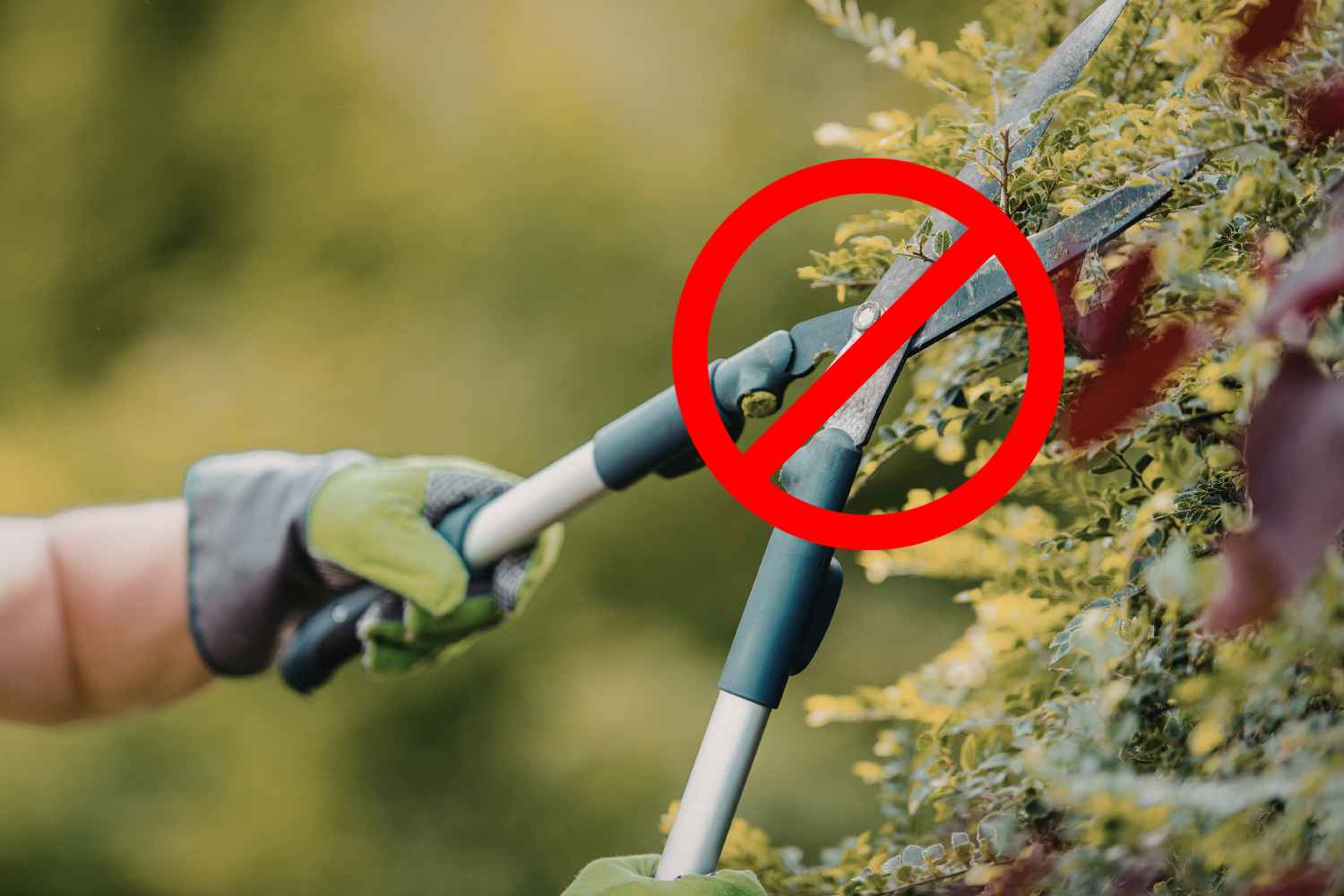
Pruning stimulates new growth and flowering, but it must be done at the right time. The most important factor in determining whether it is appropriate to prune a woody plant in February is knowing two things.
First of all, does it flower in spring? Second, does it flower on last year’s growth?
If the answers are “yes,” then it is a bad time to prune, because doing so will remove most of the flower buds. Let’s find out which trees, shrubs and vines should not be pruned in February.
Read also: Which plants, fruit trees and shrubs should be pruned in February (and which absolutely not)?
Trees
As for trees, several species should be left intact until their spring flowering is complete. Among these we find the catalpa and the common camellia, together with flowering ornamentals such as the crabapple, the Japanese cherry and the flowering dogwood. The flowering versions of peach, pear and plum also need respect for their bud stage, as do the golden chain tree, hawthorn and horse chestnut. Japanese magnolia, red buckeye, silver bell and mountain laurel complete the group.
Here are some trees that should not be pruned until they have finished blooming this spring.
Shrubs
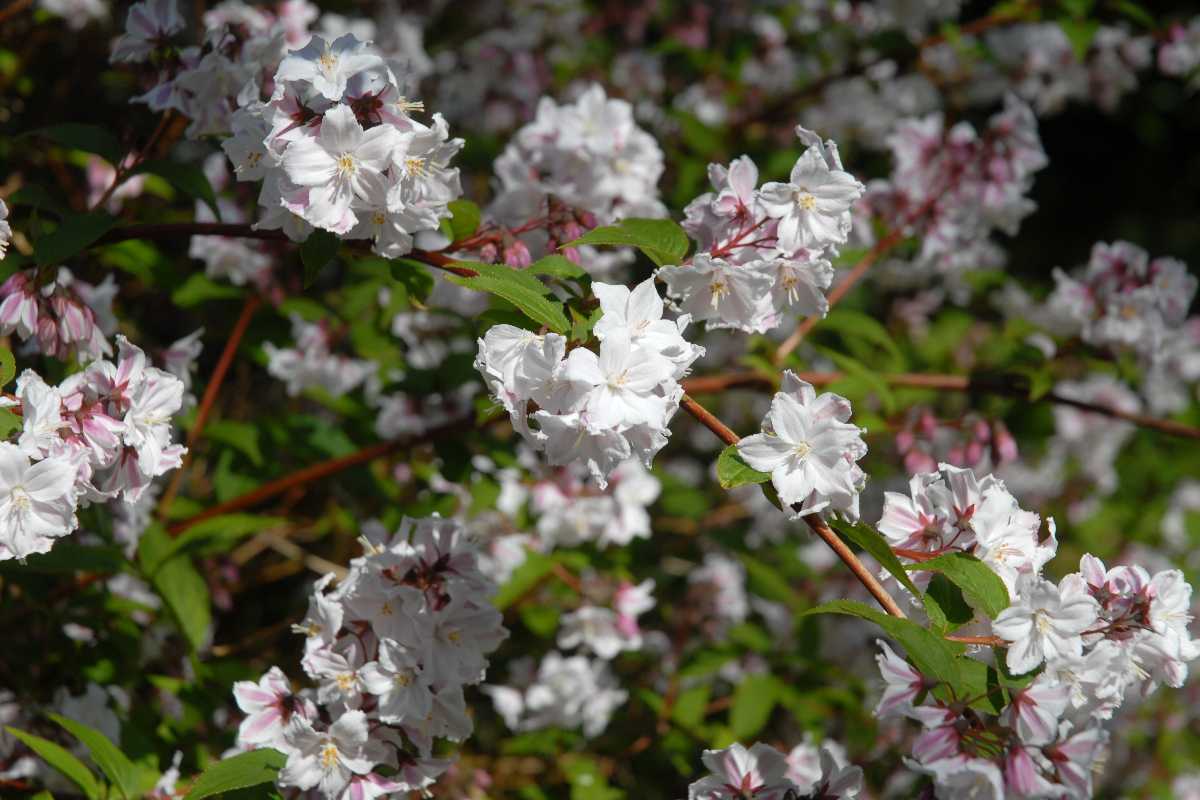
Shrubs have an equally rich list of species sensitive to winter pruning. Azaleas and rhododendrons risk seriously compromising their flowering if pruned during this period, similarly to banana shrubs and climbing roses. Daphne, deutzia and flowering almond deserve the same attention, along with flowering quince and forsythia. Particular caution should be reserved for French hydrangea, except for the ever-blooming varieties which tolerate intervention better. Other shrubs worth preserving include Indian hawthorn, Japanese andromeda, oleander, common hydrangea and spirea.
Here is a list of shrubs that could perish following winter pruning, such as:
Vines and climbers
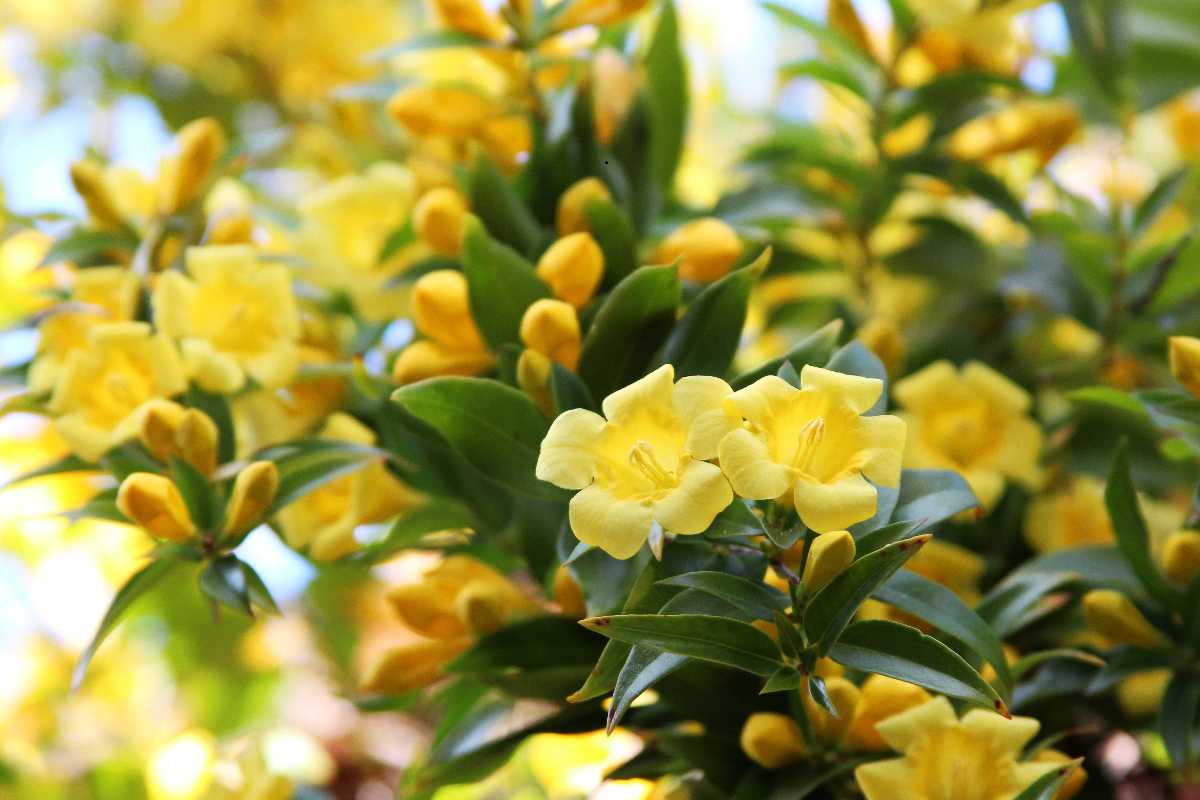
Even in the world of climbers there are important distinctions. While the common vine can safely be pruned in February during vegetative rest, other species require greater caution. Clematis armandii, an evergreen variety of clematis, does not tolerate winter cutting, as does Carolina jessamine, a perennial climber typical of the American continent. Climbing hydrangea, cross vine and trumpet or coral honeysuckle complete the list of species to respect this month.
Here is a list of some species that should absolutely not be pruned or cut.
You might be interested in:
