
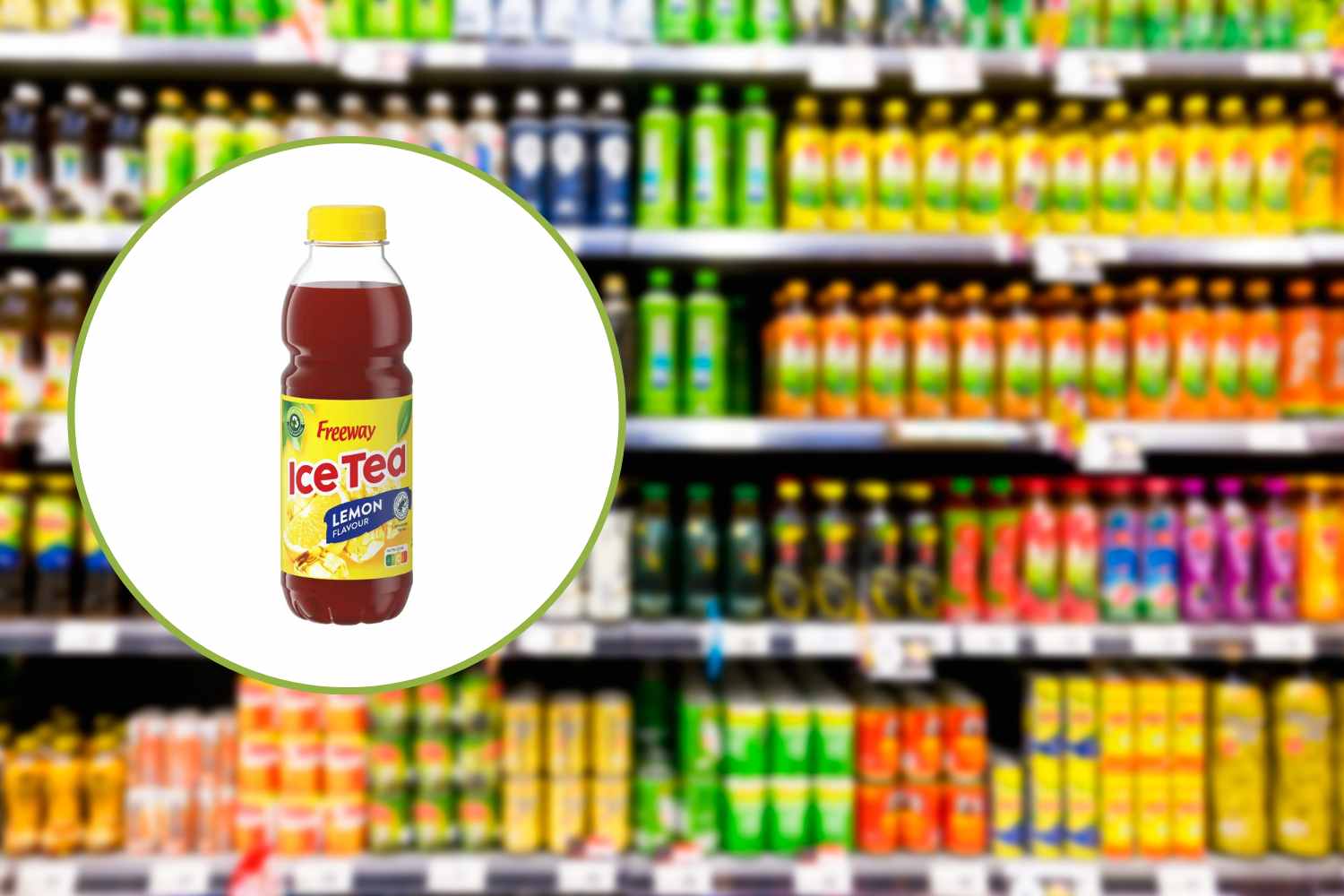
Summer brings with it the desire for fresh and thirst -quenching drinks, and among these cold tea occupies a special place on supermarket shelves. But a discovery made by a Tiktok user triggered a debate that goes well beyond taste preferences: Lidl’s cold freeway cold tea and the famous ecstatic man are produced in the same factory. But what does this revelation really mean?
The discovery that the web went around
It all started with a video of @Giovannicrado70 on Tiktok, which became viral in a few hours. The Creator compared the labels of two apparently different products: the cold freeway brand tea sold by Lidl and the iconic ecstaté of Ferrero. The result? Both report the same production address: locality Colle Faccini, Sulmona (AQ).
A coincidence that has left many perplexed consumers and has rekindled the debate on the distributor brand products, increasingly widespread in the Italian large -scale distribution.
@giovannicorrado70 #Marmittapotuto #tammurriat #barbaciano #focedisarno #camionista
♬ Son Original – Electro Anthology – Electro Anthology
Same factory, different products?
The question that everyone poses is legitimate: if they are produced in the same place, are they identical? The answer is not as simple as it might seem.
In the food sector, it is common practice that large manufacturers work for third parties, using their production lines to make products with different recipes and specifications. This is the case of Ristora, a company that often produces for Lidl, and of many other industrial realities.
The substantial differences are hidden in detail:
The business behind shared production
This strategy is widespread in the food industry: from snacks to yogurt, from fruit juices to biscuits, many branded products of the distributor are born in the same plants as the most famous brands.
The paradox of the modern consumer
Revelation divided public opinion online. On the one hand, those who claim not to perceive significant differences between the two products, on the other the supporters of the originality of the Ferrero brand. This reflects a change in purchasing habits: more and more consumers read the labels carefully and compare the production codes.
The phenomenon highlights a contradiction of the contemporary market: while awareness of consumers is growing regarding the origin and quality of the products, the interest in cheaper alternatives that maintain acceptable standards also increases.
Transparency and aware choices
This story raises important issues on transparency in the food sector. Consumers have the right to know what they buy and where it is produced, information that often find themselves only by carefully reading the labels.
The price difference between the two products (Lidl tea costs about half of the Actaté) is not only due to the ingredients, but represents completely different commercial strategies: investments in marketing, positioning of the brand and target audience.
Conclusions: question of choices
The discovery that Estheté and cold tea Lidl are produced in the same plant does not necessarily mean that they are identical.
Food companies are able to manage different recipes on the same production line, maintaining the qualitative standards required by each brand.
The choice between the two products therefore remains a personal question that depends on the priorities of each consumer: those who privilege the quality-price ratio will opt for the Lidl alternative, those who prefer the safety of the consolidated brand will continue to choose ecstalé, those who want to do better instead can prepare cold tea at home alone, here is the recipe.
One thing is certain: episodes like this make consumers more aware and attentive, pushing them to get informed better about the products they buy. And this, regardless of the preferences of taste, is always good news for everyone.
Don’t you want to lose our news?
