
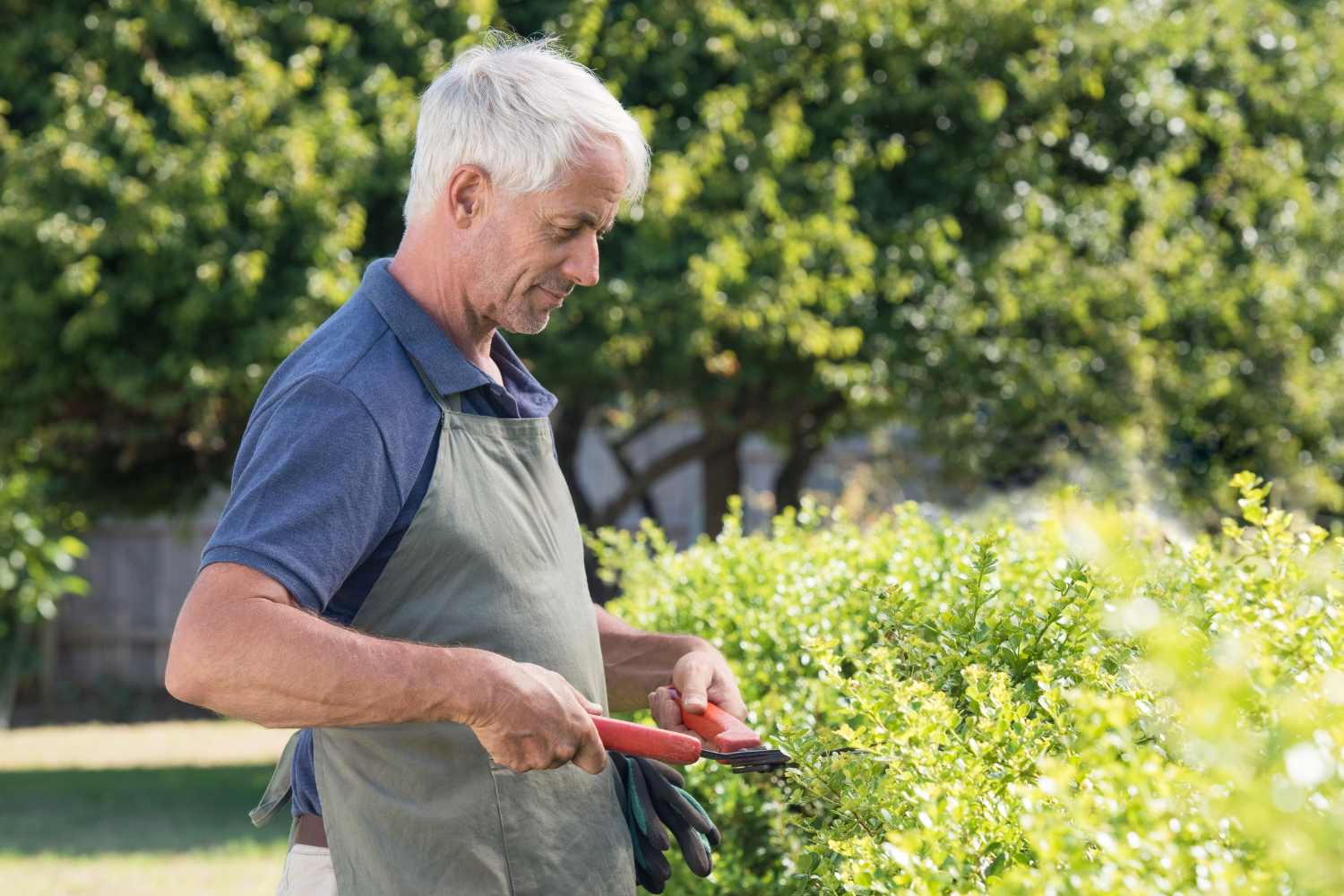
When we talk about gardening, the month of May brings with it a certain operational “haste”, because the activity of nature enters the heart and there are many things to do. The garden explodes green, the branches stretch and the hedges swell as if they want to occupy all the space possible. Order lovers, those who dream of a “fold” garden, therefore feel the urgency of intervening shears in hand, with the engine of the cutter that vibrates between the fingers, thinking of “putting in place” before it is too late. Actually It has been now that a moment should be stopped and observebecause the pruning of the hedges in May is strongly not recommended. Let’s see the reasons.
The heart of the season of life
May is the month of full reproductive season for many birds. The breasts, the Merls, the blackbirds and many other small inhabitants of the garden choose the hedges as a place where to build their nests. A row of branches offers them security, protection from the sun and predators, therefore, cutting a hedge right now means putting the brood at risk: A very decisive scissor can compromise a nest, destroy it completely, or expose the little ones to the cold and external attacks. It is a gesture that may seem harmless, but that has real and irreparable consequences.
And then there is silence. Those who have tried, even just out of curiosity, to dwell in front of a hedge in the early hours of the morning, know it: it is a small world that pulsates with life. Between the branches are hidden faunistic stories that we do not see, but that exist.
The right time to act
The ideal period for the pruning of the hedges goes from September to February. In those months, most birds finished the nesting season, the sap slows down, the plants enter a more stable phase, and the cuts do not interfere with their growth or with the needs of wildlife.
This does not mean that nothing can be done in May. Sometimes the hedges become really too intrusive, protrude on the sidewalk, cover the mailboxes, touch the car leaving the road, and in these cases one containment pruning is understandablebut it should be performed with a certain sensitivity.
Before touching a branch, it is essential inspect the hedge. A hasty look is not enough, attention is needed, because a well -hidden nest is difficult to notice. The branches must be shifted gently and scrutinize the interior, a gesture that might seem ridiculous, but which represents an act of care and respect.
The right tools, the light hand
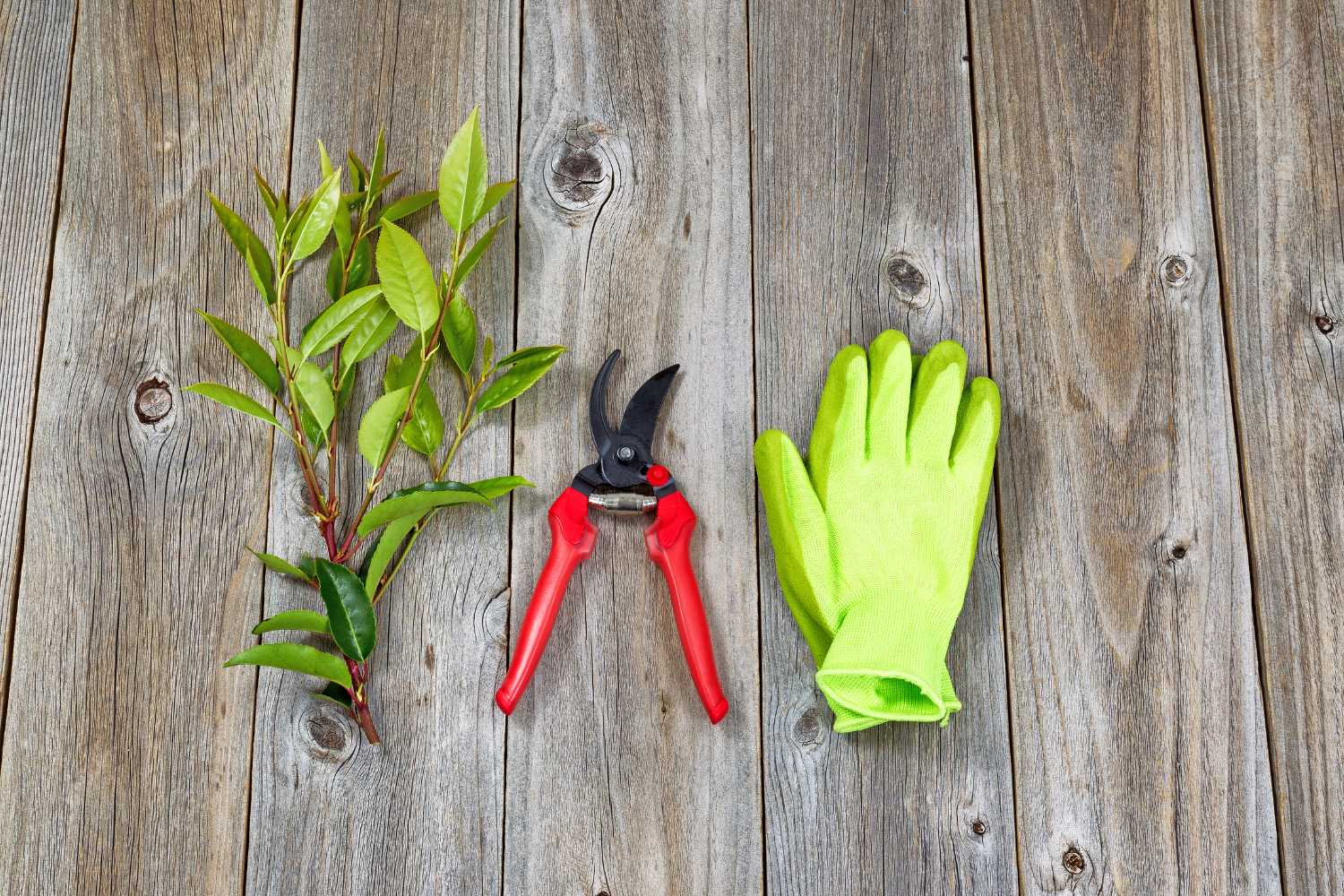
If you really have to intervene, it is good to do it in the most sustainable way possible. Translated: you have to Use suitable toolsand do not transform the garden into a construction site.
A good Garden scissor it is sufficient for the younger branches, while for the more thick ones better a Truncaramiwho instead has a long hedge can use a Electric cuttersas long as you are handled it with caution. Thick gloves, protective glasses and maybe a stable scale complete the kit. And then, as always, it careful: before each cut, remember to check, since a branch can hide a life.
A corner of freedom, by choice
There is also another way of understanding the garden. Not only as a space to tame, but as a place to share. Leave a portion of glued hedgeor a “wild” space, can make a difference and turn into a refuge for curls, as well as in a banquet for pollinating insects, or offer a safe nest for future generations of birds.
Care, not control

The idea of pruning often arises from a control instinct. We want to contain, draw and shape domestic green, even if Nature does not follow our rhythmsbecause his times are different, more slow, densers, and the pruning of the hedges goes to force these times. If instead we learned to take them seriously?
There is intrinsic beauty in letting things expand, grow and transform themselves on their own. Cure does not always mean intervening, indeed sometimes it means simply leave room for the course of naturebecause after all the garden is not ours alone, it is a varied ecosystem, a small oasis that also lives thanks to what we don’t see.
So, before turning on the cutter, before climbing the staircase, let’s try to ask us: I’m improving my garden … or are I simply making it quieter?
In summary: May is the month in which the garden explodes with life, in which hedges become fundamental shelters for biodiversity, and intervening with heavy pruning means putting this balance at risk. The good news is that you don’t need to do everything immediately, because there is time and above all the way of acting. Choosing to wait, to observe, to respect: this is also a form of love for nature, perhaps the highest available to us.
