
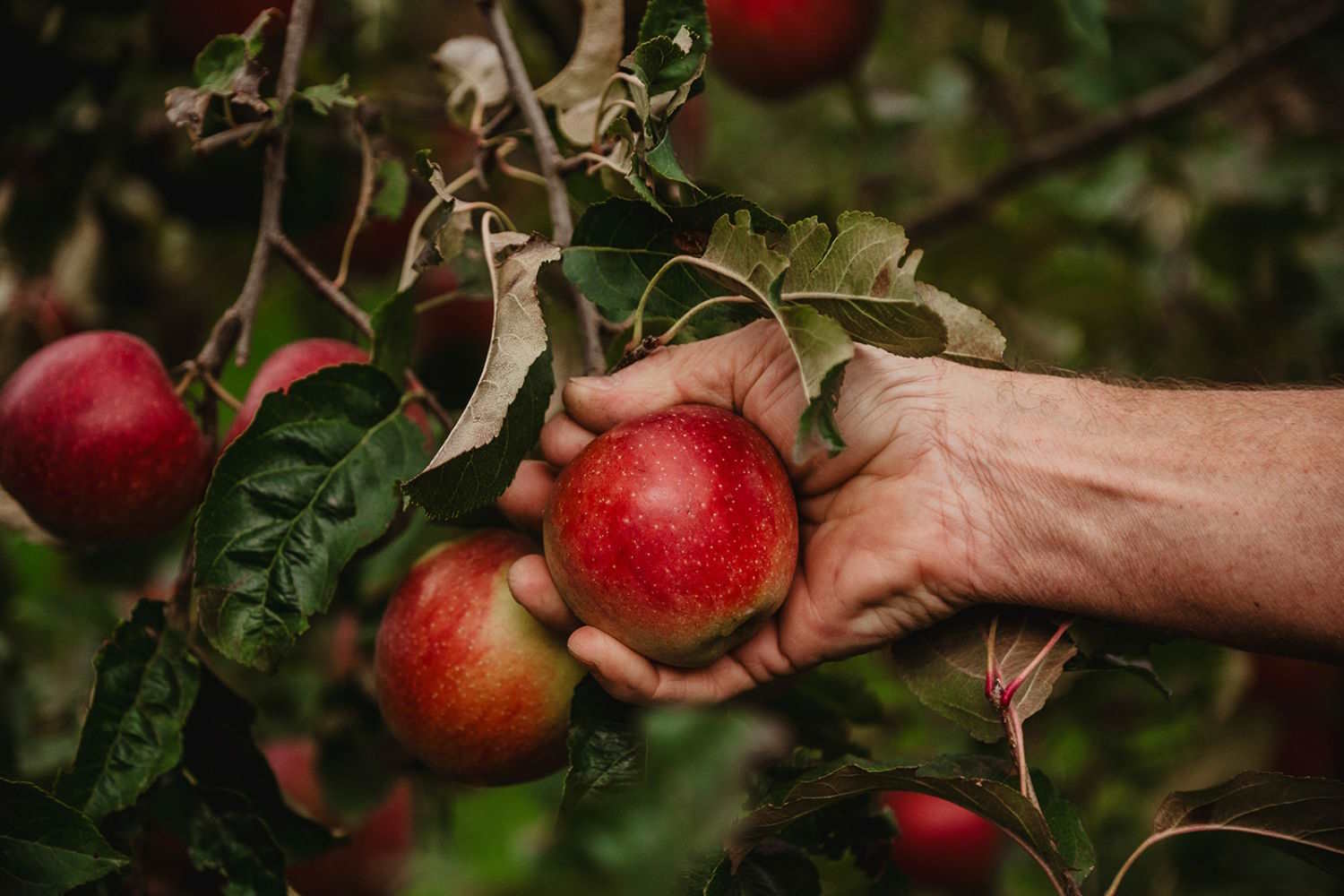
Organic apples are born from an agricultural approach that works in harmony with nature, bringing to the table fruits grown with full respect for the environment, soil and biodiversity.
Organic is not just a certification: it is a choice that puts the natural balance of the orchard at the centre, focusing on the strength of the plants and the ecosystem. Each fruit requires expertise, passion and techniques designed to enhance the natural characteristics of the plant and the territory in which it grows.
In Italy, one of the most virtuous examples comes from Val Venosta.
In Val Venosta, more and more farmers have chosen organic out of conviction, not out of fashion, and work in harmony with nature. The territory undoubtedly helps: there is little rainfall, many hours of sunshine, pure water from the valleys and glaciers and the wind which helps to naturally limit parasites.
But the favorable climate is not enough. VIP growers, in collaboration with research centers such as the Laimburg Test Center, use ingenious methods to protect the orchards. The result is that today they grow organically on an area equivalent to 870 football fields, harvesting thousands of tonnes of organic apples every year and aiming to confirm themselves as the leading European producer.
Biodiversity: when the orchard becomes a living ecosystem
An organic orchard in Val Venosta is much more than just a cultivated field. It is an ecosystem teeming with life: bees buzzing from flower to flower, ladybugs climbing the blades of grass, blackbirds hiding in the branches. This ferment of life has a precise name: biodiversity.
VIP producers are deeply aware that every living being has a fundamental role in the balance of nature. This is why they have developed a systematic approach to measure and promote biodiversity in their orchards.
In collaboration with the Alto Adige Fruit and Viticulture Consultancy Center, VIP has developed the “orchard habitat questionnaire”, a practical tool that helps producers detect and implement ecological measures in their companies. The questionnaire includes 53 specific measures divided into 9 categories, including sowing and flowering strips, nest boxes, hedges and shrubs.
The results are extraordinary. Over 250 agricultural companies, with an area of almost 1,000 hectares (almost a fifth of the total in Val Venosta), participated in the survey. Here’s what they’re actually doing:
In the Silandro area, the pilot project “Schneewinkel” (Snow Corner) carries out this mission in an even more ambitious way. On an area of 65 to 70 hectares, in collaboration with EURAC Research, the Advisory Center for Fruit Viticulture and the Laimburg Testing Center, the producers implement biodiversity measures in a planned manner, continuously evaluating and optimizing them. The goal? Understand how to protect and encourage biodiversity in agriculture in a sustainable way.
BioGraphy: Know who grew your apple
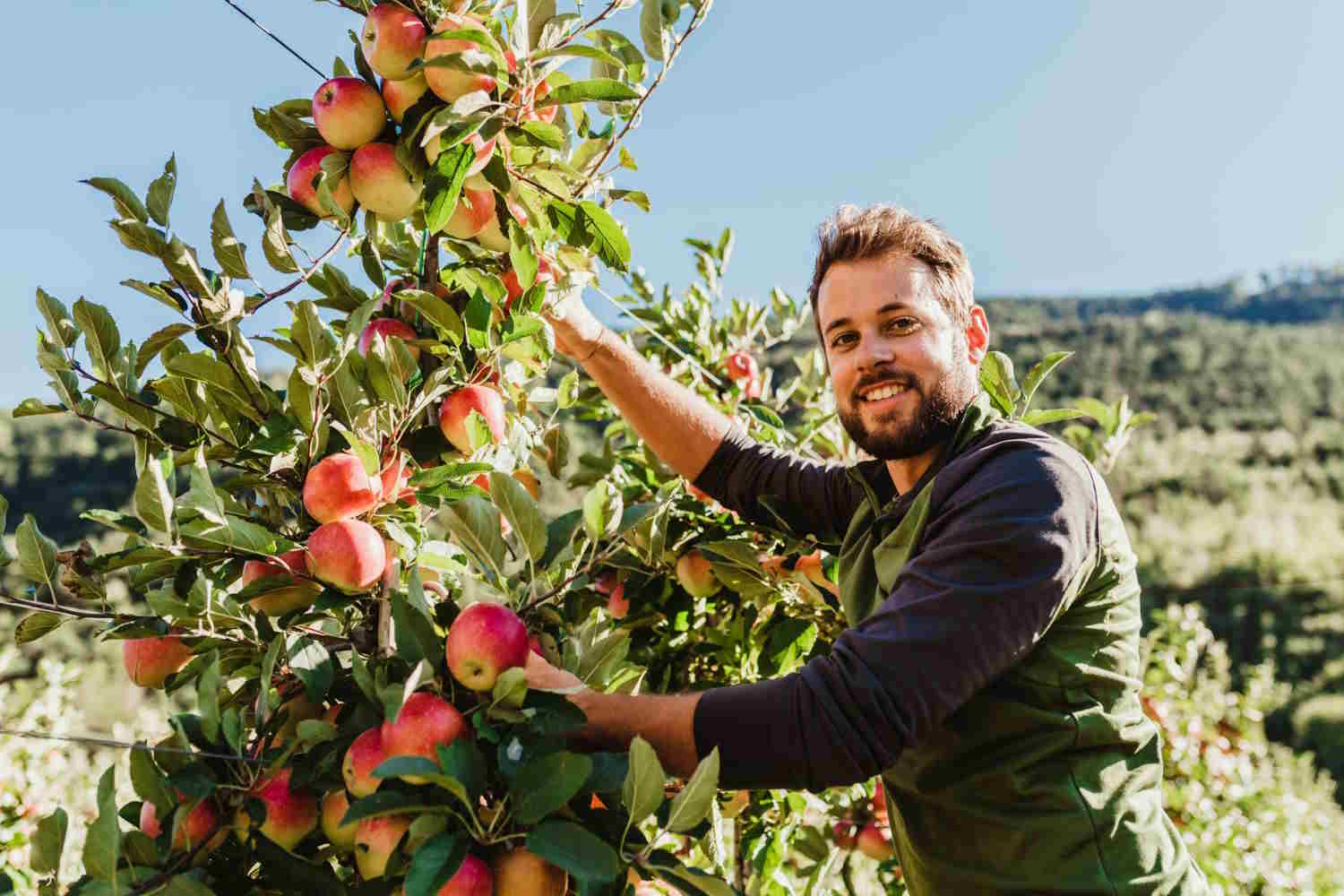
But there is one aspect that makes VIP apples truly unique: total transparency. Thanks to the “BioGraphy” project, the name of the producer who grew them can be found on the label of each pack of organic Val Venosta apples. This is no small detail: VIP is the only producer able to indicate on every single package the farmer who followed that fruit from the apple orchard to packaging.
How does it work? It’s very simple. Just go to the biography.vip.coop website, enter the grower’s name in the appropriate field, and suddenly that apple stops being anonymous to tell you its story.
On the site you can find out who produced it, read his personal story and understand why he chose organic. Through a photo gallery you can get an idea of his daily work in the apple orchards. And thanks to an interactive map, you can see exactly where the orchard your apple comes from is located.
Let’s take for example Leonhard Wellenzohn, one of the organic pioneers in Val Venosta. His farm, the Huterhof just outside Silandro, has been in his family for 150 years. In 1994, when organic was still uncommon, Leonhard converted his apple orchards to organic production. “Converting to organic farming is probably the most important challenge I have overcome in my life“, he says. At the time there were only 15 farmers in Val Venosta who were interested in organic, without being able to draw on much experience.
“It was difficult because we achieved successes and suffered defeats“, recalls Leonhard thinking back to those early years. Today he grows not only organic apples but also organic wines, in his apple orchards grow Golden Delicious, Gala, Pinova, Red Delicious, Braeburn and Topaz.
His story, like that of over 150 organic producers in Val Venosta, is available on the BioGraphy wall. You can discover them all with a simple click.
BioGraphy also allows you to discover a lot about organic production and the area in which Val Venosta apples grow. From choosing the right time to plant an apple tree, to natural strategies to protect trees from parasites, up to curiosities such as the influence of the full moon on the harvest: every aspect is told by the producers themselves. In short videos, they share their daily work in the apple orchards, reveal little secrets and show how sustainable organic production develops throughout the year.
It is a way to recreate that bond between those who produce and those who consume, a bond that large-scale distribution had broken but which today, thanks to technology and the desire for transparency, can be rebuilt.
No wasted apples
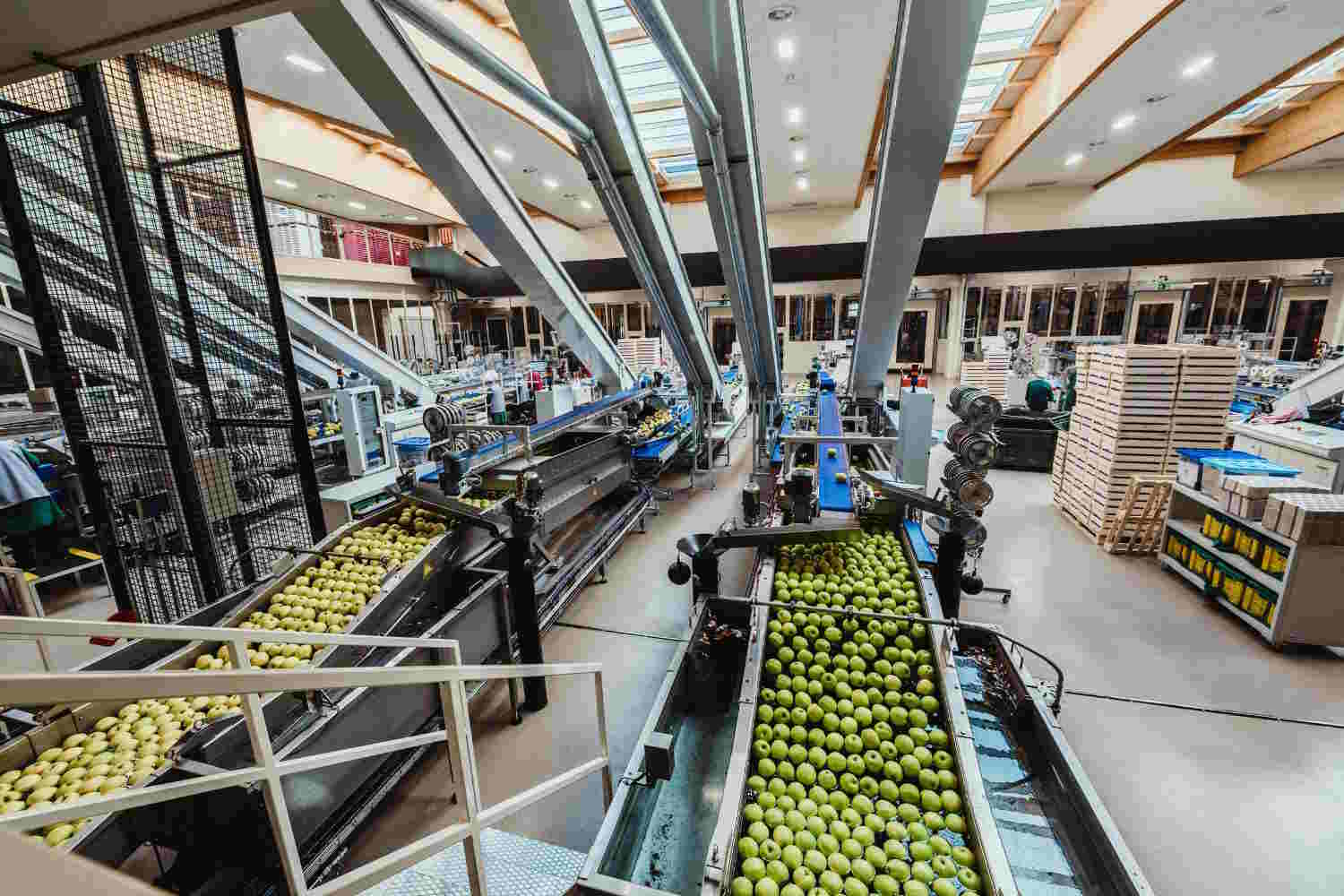
Another fundamental principle of VIP is to waste nothing. The “second choice” apples, those that do not meet the aesthetic standards required by large-scale retail trade because perhaps they are a little smaller or have some superficial imperfections, are still excellent to eat. They have the same flavor, the same nutritional properties, the same care as “perfect” apples. VIP values them, preventing them from ending up in the trash just because they don’t correspond to arbitrary aesthetic standards.
And are apples really inedible? Those too have a second life: they are used to produce energy from biomass, thus closing the circle from a circular economy perspective.
As you may have understood, every time we choose an organic Val Venosta apple, we do much more than buy a fruit. We support an agriculture model that respects the environment, protects biodiversity and enhances the work of those who cultivate with passion. And thanks to BioGraphy, we can also virtually shake hands with the farmer who made it possible to bring that apple to our table.
