
Anyone who lives in a house with dated windows knows it: the cold does not enter through the main door, but through that loop of air that slips silently between the glass and the frame. It is an uninvited guest who sits next to the sofa in winter and in summer brings with it a wave of heat capable of making the brightest hours of the day unbearable.
Changing the windows would be the definitive solution, of course, but between unreassuring estimates and interminable waiting times, it often becomes a thought of “I’ll do it later”. And it is precisely in this space of uncertainty that they fit in: insulating films for windows, one of the most accessible solutions for those who want to improve home comfort without upsetting the house (and without emptying the wallet).
How an insulating film works
The idea is so simple that it almost seems banal: the film creates an additional air chamber, a sort of secondary coating that reduces the heat exchange between inside and outside. It is a discreet, transparent protection that does not change the appearance of the window but improves its efficiency.
The most obvious effects are two: a house that retains heat better in winter and which limits overheating in summer, with an immediate benefit on the physical perception of the environments. You don’t need to be an energy efficiency expert to notice the difference: you just need to sit near the window on the coldest evenings to understand that something has changed.
Furthermore, many films filter a good percentage of UV rays, protecting curtains, fabrics and parquet from that insidious discolouration that the sun, without wanting it, gives to everything it finds in its path.
Because it is especially convenient on old windows (and when that is not enough)
Insulating films work best where the glass is weakest: single-glazed windows, 70s or 80s window frames, seals that are already past their retirement age. Here the difference can be felt because these are surfaces that disperse a lot of heat, and even a light intervention can do its part.
However, don’t expect a miracle: if the frame is deformed, if drafts come from cracks outside the glass or if the window no longer closes well, the film will only improve part of the problem. It is a useful, honest solution, but it does not solve what concerns the structure of the frame.
Yet it remains valuable: it allows us to postpone expensive interventions, slightly lowers consumption, makes environments more liveable. All this with a cost that can easily remain under 30 euros, depending on the square footage to be covered.
Which films to choose when you have a small budget
Without mentioning specific brands, today the market offers insulating films that are easily available in DIY stores, hardware stores and online stores.
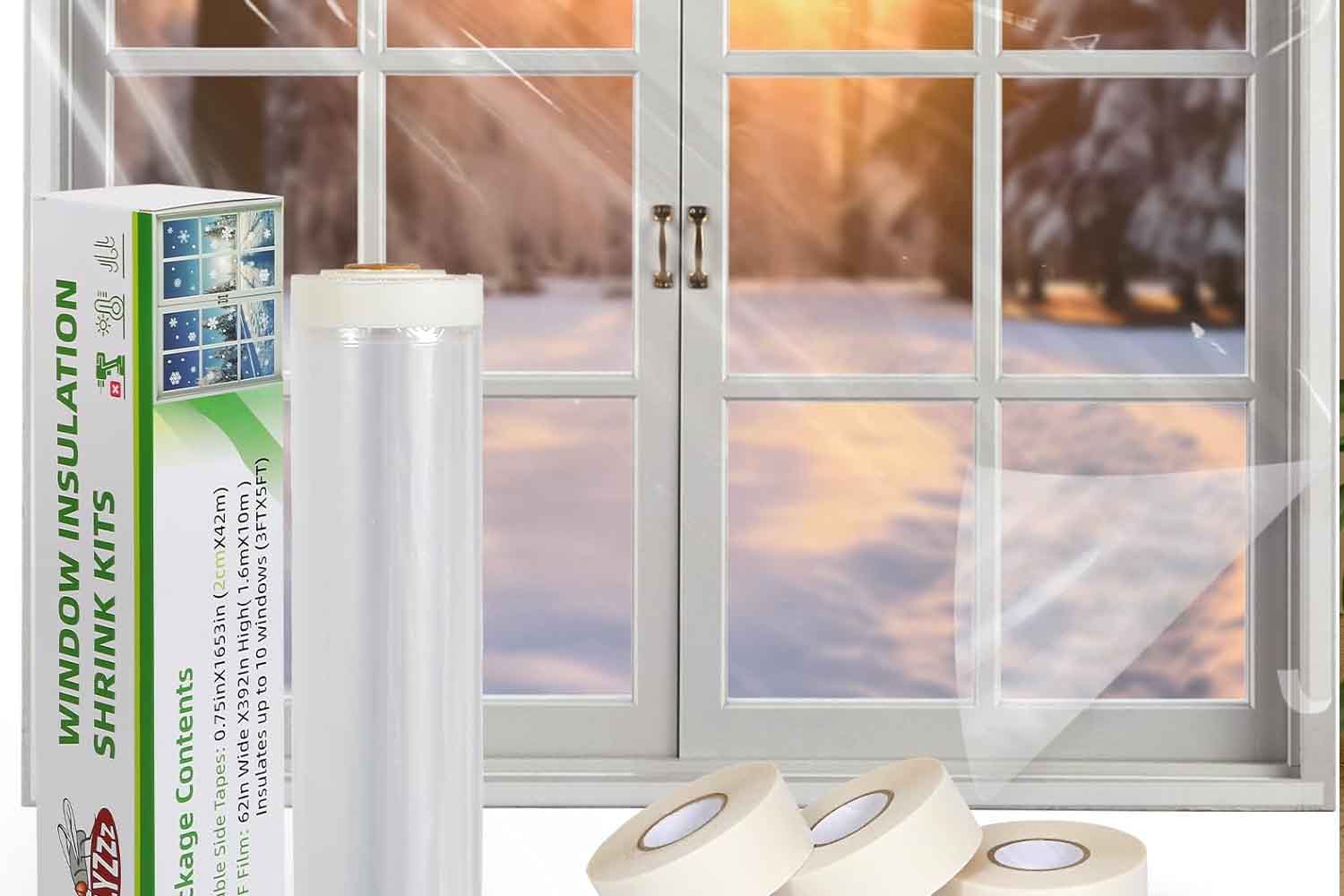
For less than 30 euros you can find enough rolls to cover one or two standard-sized windows. There are transparent thermal versions, designed to simulate a sort of “double glass”, electrostatic, which do not require glue and can be removed without leaving residues and reflectors, especially useful in summer to contain heat entry.
The real difference is the installation: a film applied carefully, without bubbles and with good tension, offers significantly better performance. A hairdryer, a soft cloth and a little patience can transform into energy saving tools.
We often think that radical interventions are needed to feel better at home. But housing efficiency also involves minimal gestures. A transparent, almost invisible film can give the window a second chance: retain heat, limit losses, make the room more welcoming.
It doesn’t replace a modern fixture, of course. But it does what it says on the tin: it reduces discomfort, improves comfort and saves you time, season after season. Sometimes change begins with a tiny detail. And for less than 30 euros.
FLYZZZ Cold Insulation Window Film, 1.6 x 10 m, Durable Thermal Window Film with Adhesive Tape for Window Draft Excluders
You might also be interested in:
