
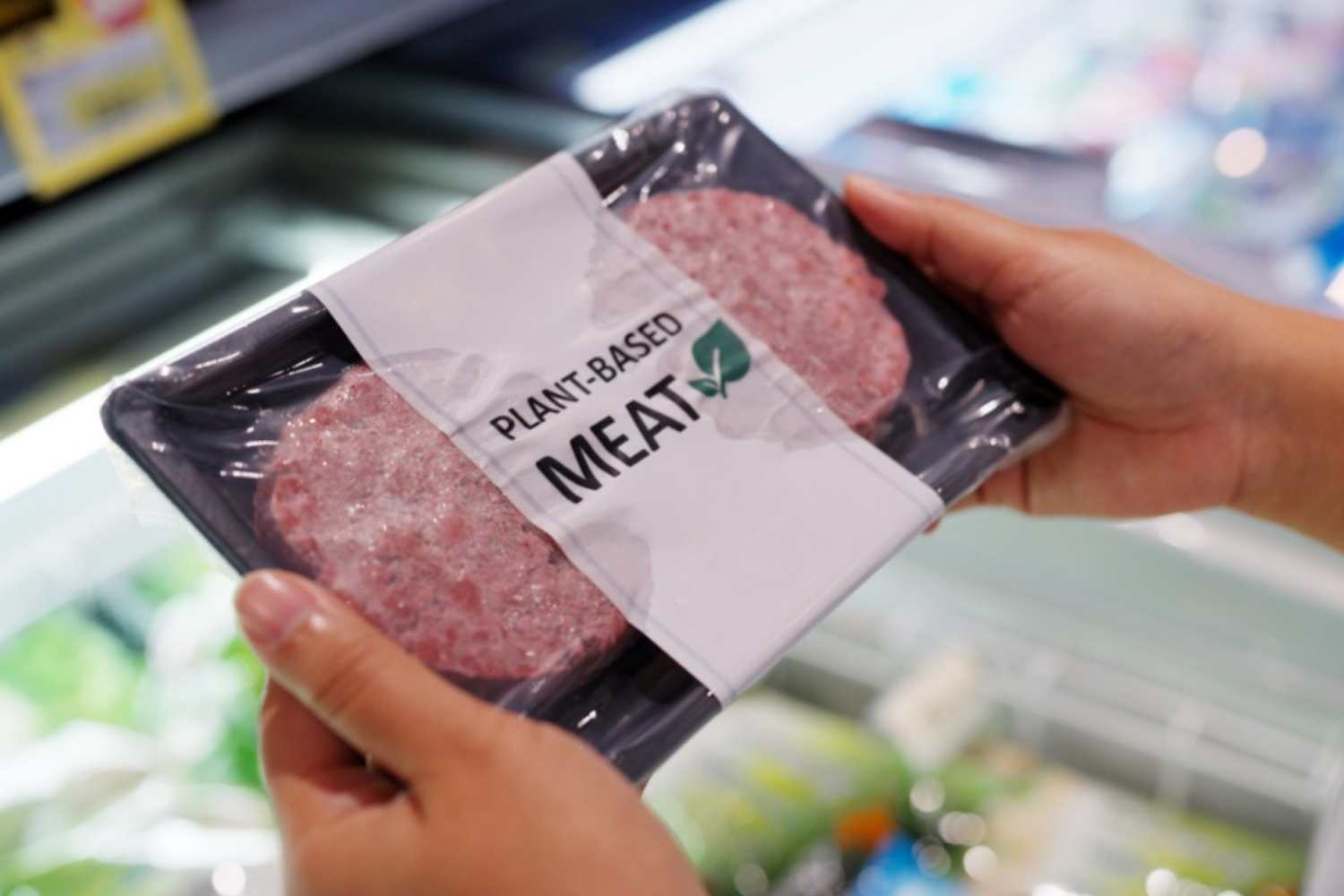
Veggie burgers may continue to be called that, but a “steak” will only remain a steak if it comes from an animal. This is what can be seen from the compromise reached between the Council of the European Union and the European Parliament on the reform of the regulation governing the Common Organization of Agricultural Markets of the European Union.
The agreement is still provisional and will have to be formally approved by the European institutions, but it introduces a principle destined to also have effects on the market of plant-based alternatives.
The legal definition of “meat” and protected terms
The heart of the agreement is the introduction of a legal definition of the term “meat”. In the Council’s official statement we read that meat is defined as “edible parts of animals”.
Based on this definition, some names closely linked to the world of butchery are reserved exclusively for products that contain meat. This means that terms such as steak or bacon cannot be used for plant products or foods obtained from cell cultures (so-called cultured meat).
The list also includes words that identify animal species or specific cuts. This is what we read in the European Council statement:
The changes to the CMO Regulation focus on several key areas to strengthen the role of farmers in the supply chain: (…) Establishing rules on the protection of the term ‘meat’ and the following meat-related names: beef, veal, pork, poultry, chicken, turkey, duck, goose, lamb, mutton, sheep, goat, leg, flake, flank fillet, flake, steak, ribs, shoulder, shank, chop, wing, breast, liver, thigh, breast, rib-eye, T-bone, rump and bacon to increase transparency in the internal market and allow well-informed choices for consumers. These terms are reserved only for meat products, so they cannot be used for products that do not contain meat, such as those in cell culture.
The declared objective is therefore to increase transparency in the market and ensure that consumers can clearly distinguish products of animal origin from those that do not contain meat.
Why veggie burgers are still allowed
However, the European agreement does not ban all the names that have become common for plant-based products in recent years. Some names will continue to be used because they have not been included among those reserved for meat.
This is the case, for example, of burgers, nuggets or vegetable sausages. In these cases the term mainly describes the form or type of preparation of the product, rather than the presence of meat.
For this reason, many products based on legumes, soya or peas will be able to continue to be sold with names now familiar to consumers, as long as the label clearly indicates that they are plant foods.
The European compromise on meat sounding
The issue of names used for plant-based alternatives – often referred to in public debate as “meat sounding” – has become one of the most discussed topics in the food sector in recent years.
On the one hand, agricultural organizations and the meat industry ask to protect traditional names to avoid possible confusion among consumers. On the other hand, manufacturers of plant-based foods argue that these names mainly serve to indicate how to cook or consume the product.
The agreement reached between the Council and Parliament represents a compromise solution: some names strictly linked to meat are protected, while others continue to be able to be used for vegetable products.
Before entering into force, however, the text will have to be formally approved by both the Council and the European Parliament. Only after the definitive green light will the new rules become operational, with a transition period to allow companies to adapt the labels.
