
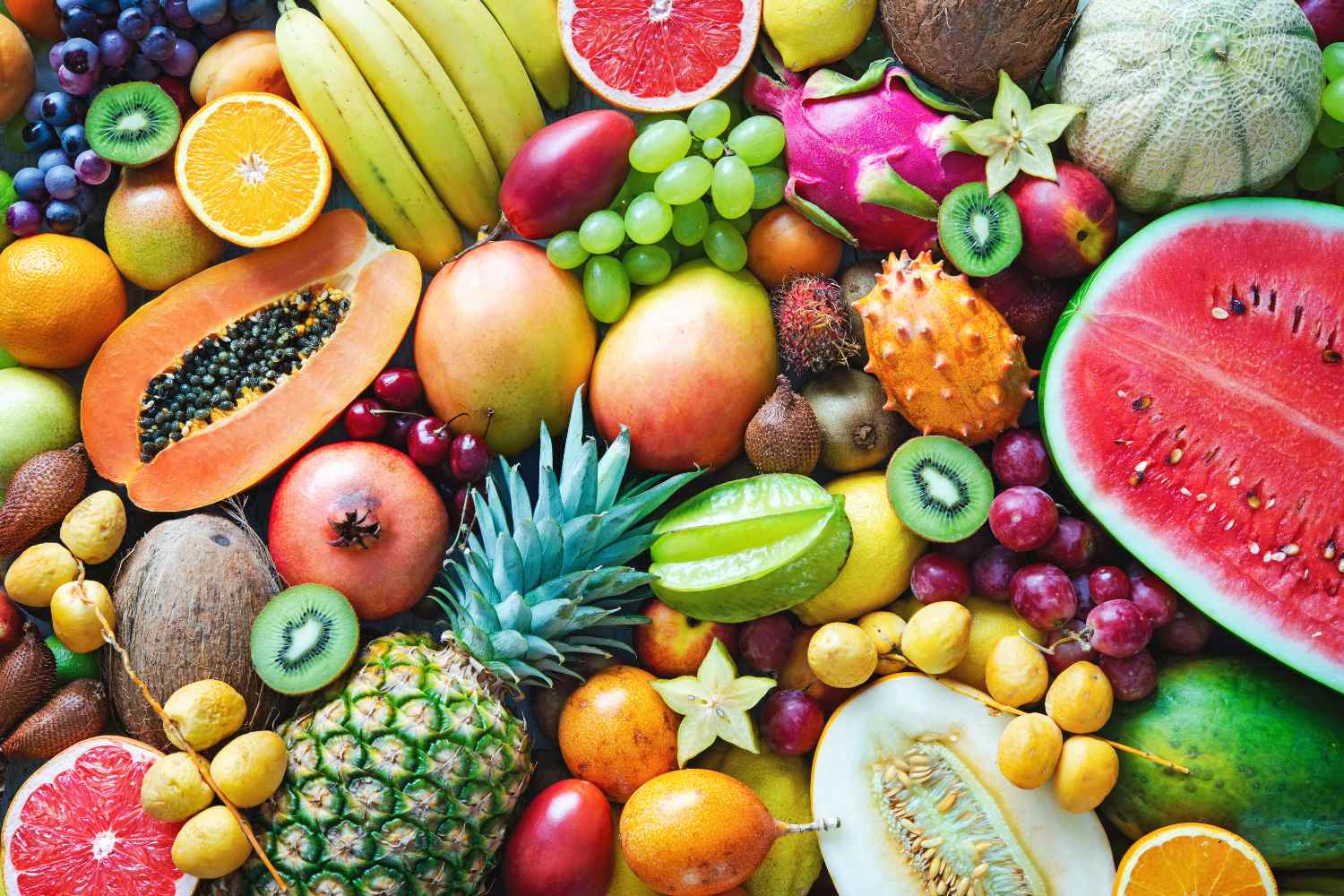
Find out which are the best fruits in the world according to taste, popularity and uniqueness. From tropical sweetness to Asian crunchiness, only one of these fruits is Italian: the others come from every corner of the planet.
Tasteatlas has published the ranking of the 10 most devoted fruits in the world according to the preferences of the public. Among the global excellence, an Italian pride also appears: the lemons of Sorrento conquer one of the best. So let’s see what are the fruits that drive fans all over the world crazy.
Rodakina naoussas peaches
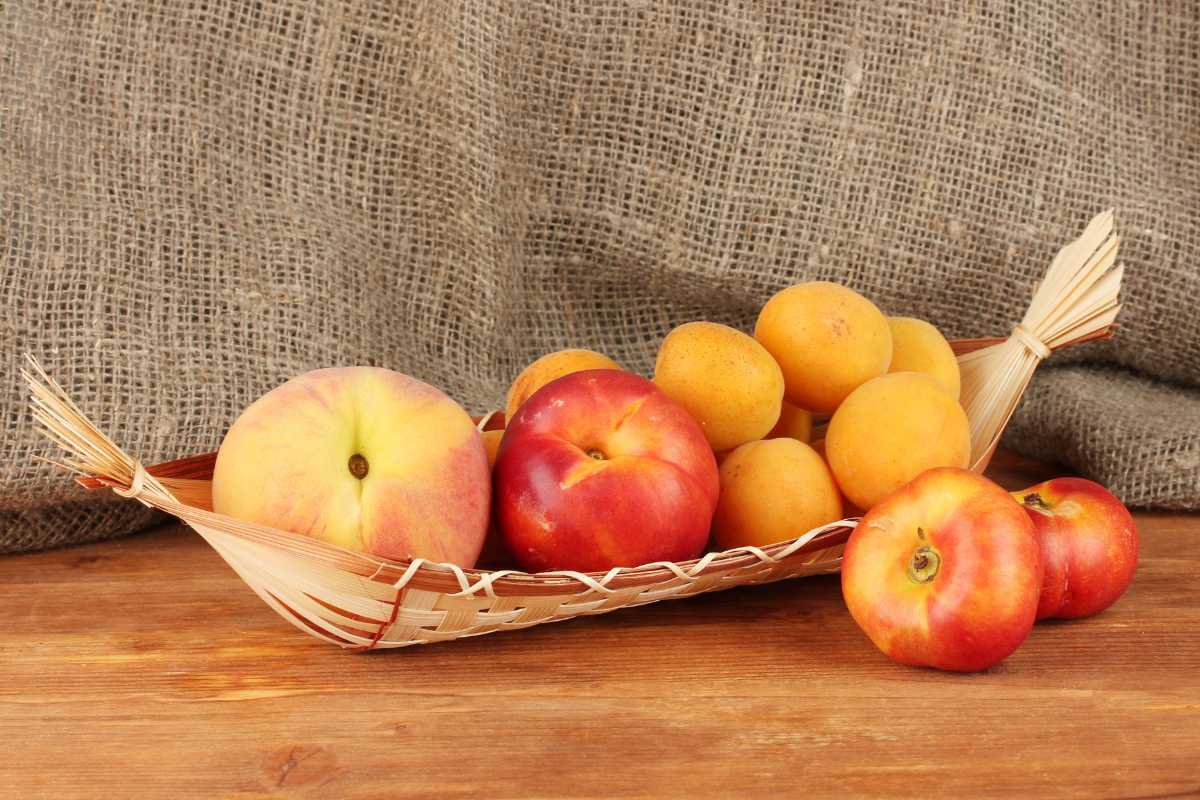
Rodakina Naoussas peaches are an excellence of the fruit of the Central Macedonia, in Greece. Cultivate in an area with an ideal climate and on particularly fertile soils, these peaches – belonging to varieties such as May Crest, Red Haven, Maria Bianca, Sun Crest and many others – have found their perfect habitat in this region.
Originally from China, they quickly adapted to the Mediterranean thanks to a careful and systematic cultivation, becoming one of the most loved fruits in Greece. They are collected at the right maturation point, immediately selected and packaged to preserve freshness and quality.
Appreciated for their intense perfume and the sweet and juicy taste, the Rodakina Naoussas are in great demand both on the internal market and abroad, in particular in Europe and in the Arab countries, where they are available from late May until October.
Truskawka Kaszubska or Cascuba strawberry
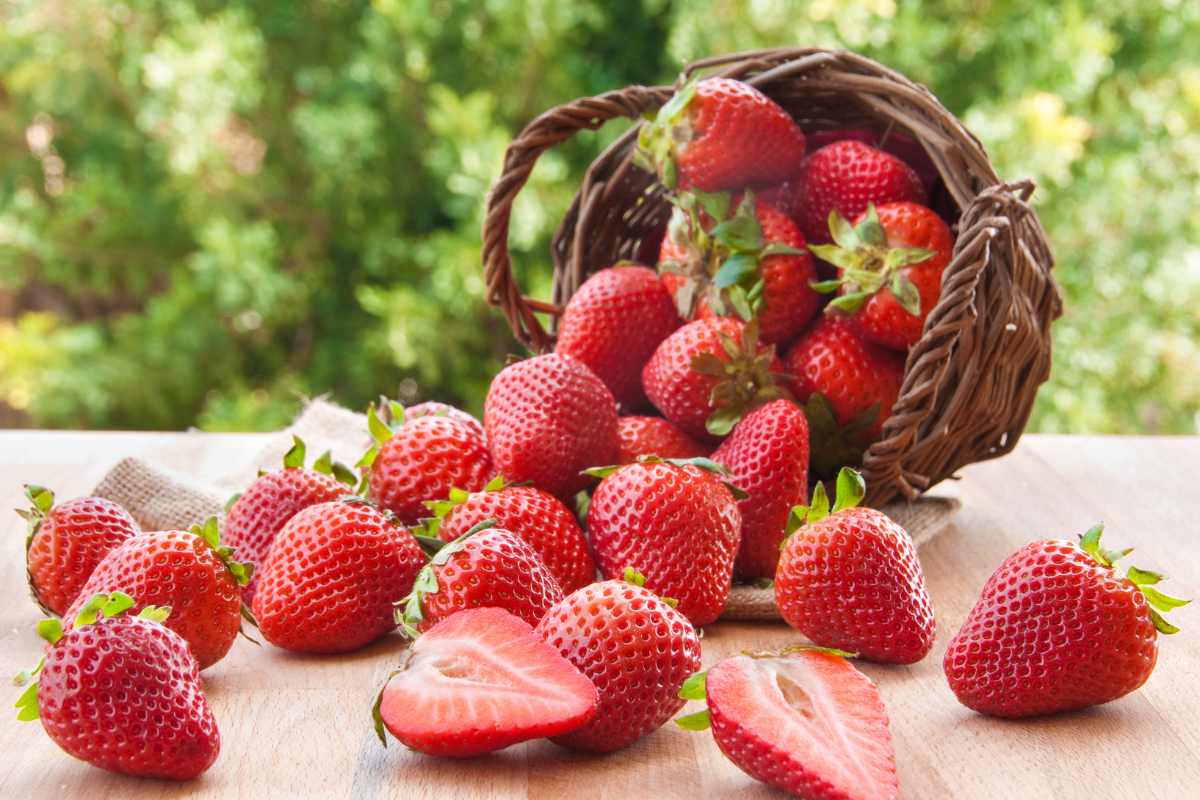
There Truskawka kaszubskaor Cascuba strawberry, is a traditional variety cultivated in the farm region in northern Poland.
Also known as Kaszëbskô Malëna are strawberries of varieties Elsanta , Honeoye And Senage Sengana cultivated in the districts of Kartuski, Kościerski and ByTowski in Poland. The Elsanta and Honeoye varieties are intended for direct consumption and are light red or intense red in color, round and small, with juicy and firm pulp. Their flavor is sweet, aromatic and well balanced, similar to that of forest strawberries. The senga sengana variety is intended for transformation, has a firm, juicy and hard pulp and presents itself in various sizes and shapes. Recognized as a product with a protected geographical indication (PGI), the Truskawka Kaszubska is a symbol of quality and local tradition, highly appreciated both fresh and transformed into jams, desserts and liqueurs.
Chiou mandarini
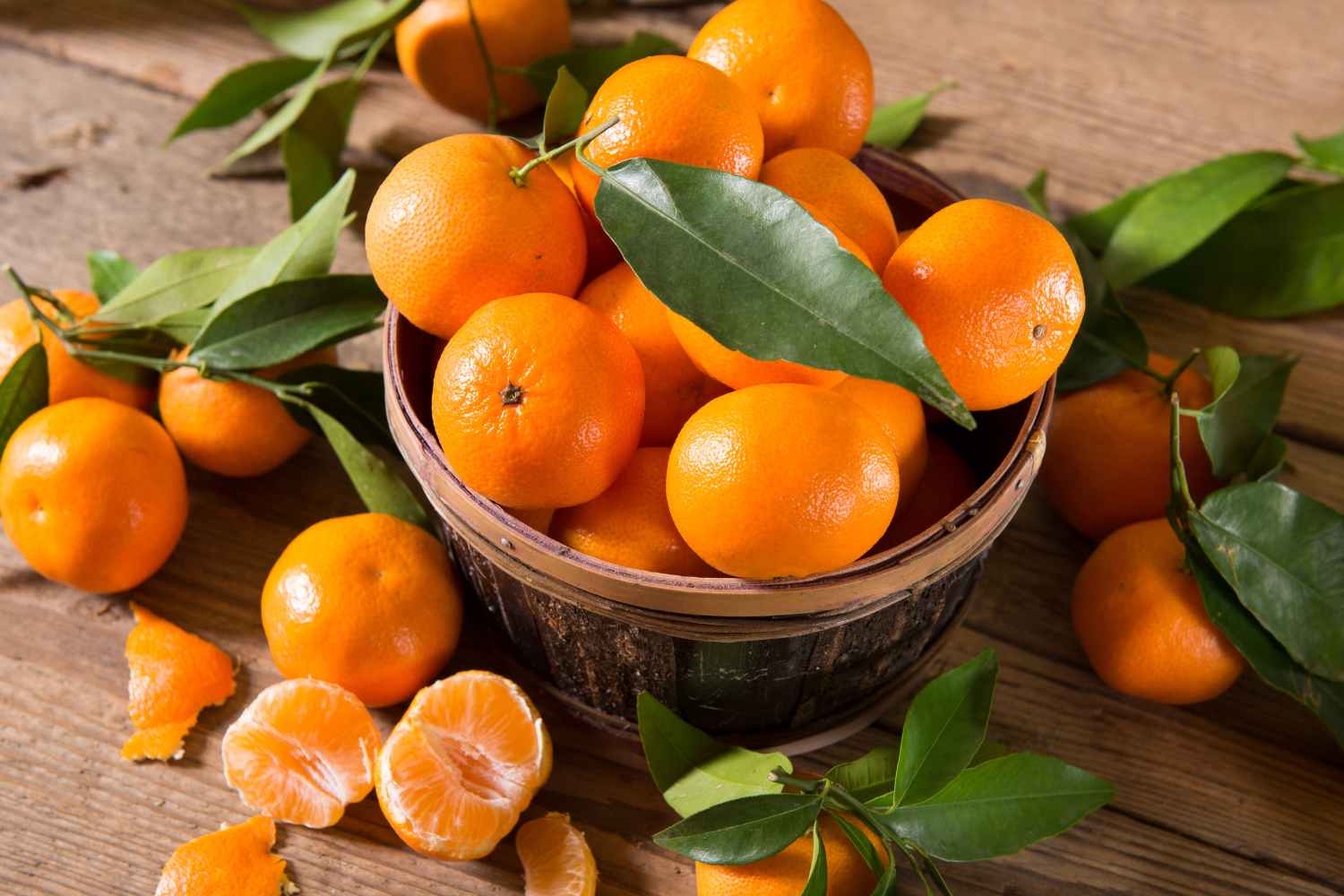
Chiou mandarins are one of the most aromatic varieties in the world, cultivated on the Greek island of Chios, nicknamed not by chance Myrovolos, or “the perfumed island”. Their intense perfume is released well beyond the citrus groves, wrapping the entire territory in an unmistakable aroma, so much so that it is perceptible even when the fruits are still unripe.
The secret of their exceptional quality lies in the favorable climate, in the strong exposure to the sun and in the unique properties of the local land. These mandarins have a tender pulp, slightly orange, juicy and rich in sugars, wrapped in a rough but thin membrane. Their flavor is so intense and persistent as to conquer you from the first bite.
Orange Portokalia Maleme Changion Kritis
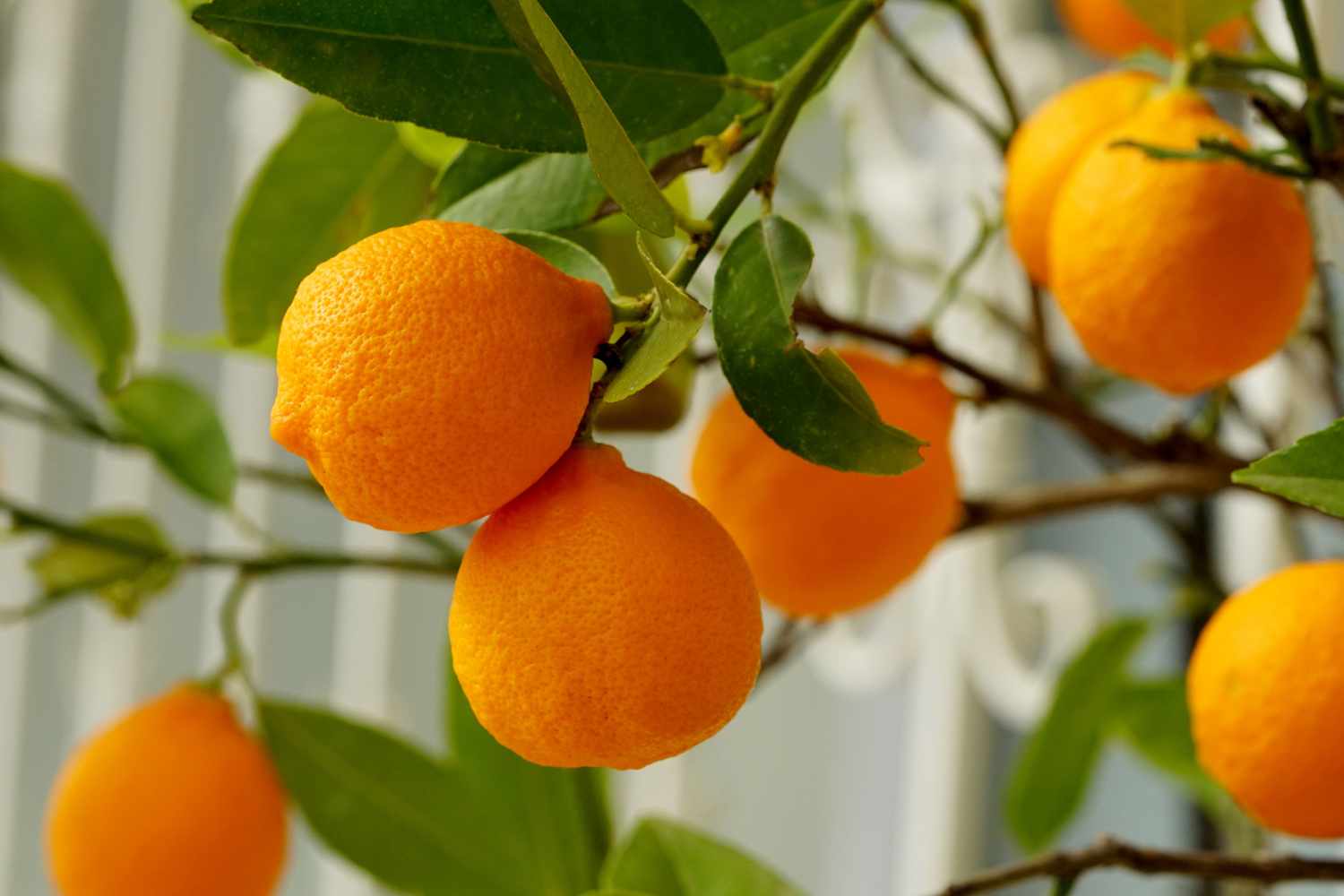
The Portokalia Maleme Chani Kritis are oranges of the Washington Navel variety cultivated in the fertile coastal areas of the Prefecture of Chania, on the island of Crete. Hand -handed from mid -December to mid -May, the balanced sweetness and the intense fragrance that makes them immediately recognizable are distinguished by the high juiciness.
Rather large dimensions, slightly elongated and with a compact peel, these oranges are ideal for transport and conservation, without losing freshness. The Cretan microclimate, with mild winters, abundant sun and rich soils, contributes to enhancing its organoleptic qualities.
Not surprisingly, Crete’s oranges are often considered among the best in the world. According to Greek mythology, these legendary fruits were kept in the gardens of the Hesperids, far from men, to symbolize something precious and forbidden.
Valencian citrus fruits
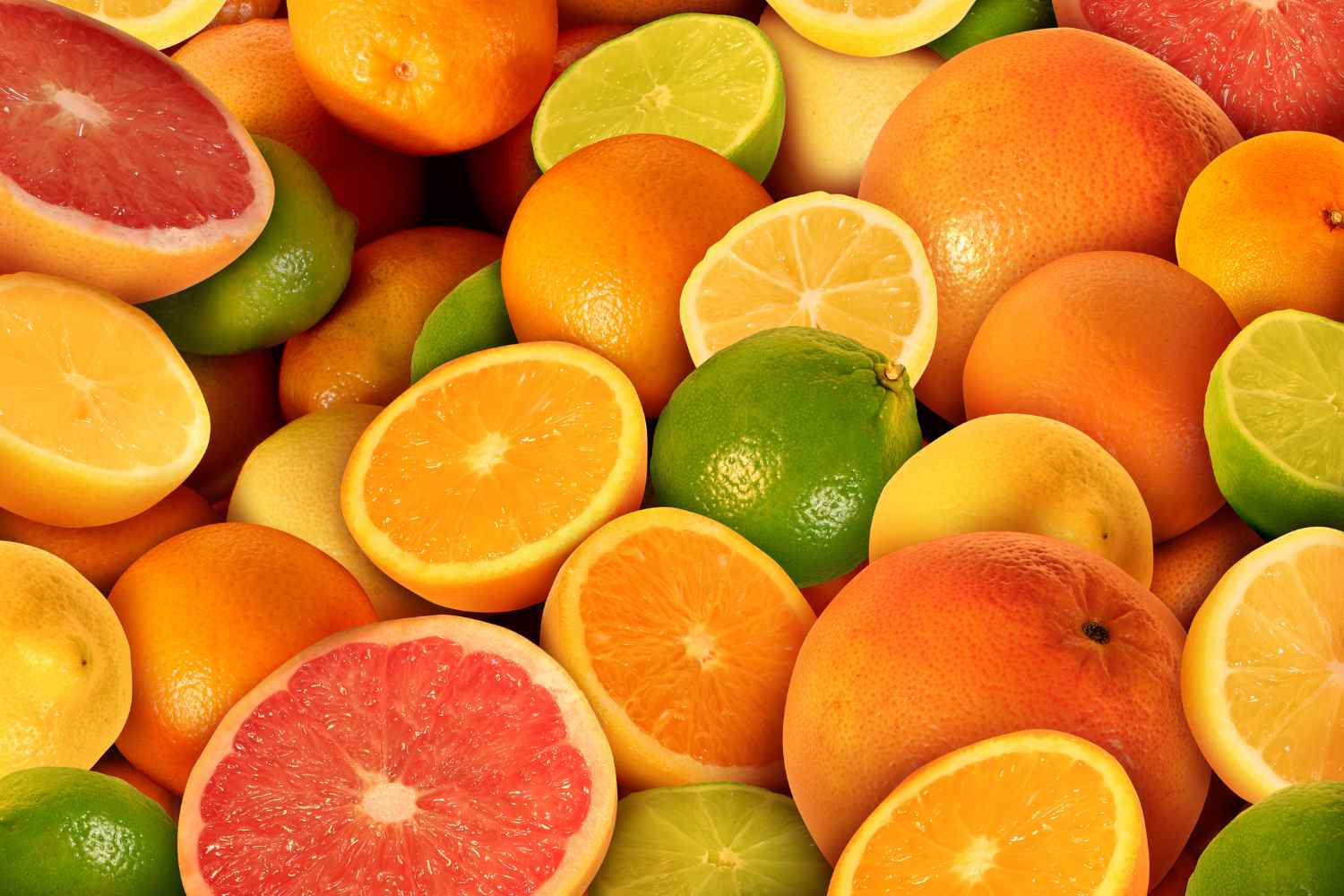
The Cítricos Valencianos include oranges, mandarins and lemons cultivated in the provinces of Castellón, Valencia and Alicante, the beating heart of the Spanish citrus production. These lands boast a centuries -old tradition in the cultivation of citrus fruits, recognized and appreciated worldwide.
The hot Mediterranean climate, with long summers and mild winters, promotes optimal development of the fruit, guaranteeing a perfect balance between acidity and sweetness. The well -drained and mineral soils, together with the great technical experience of local farmers, give life to fruits with an intense flavor, juicy pulp and with bright aromas and colors.
Each citrus is collected by hand and subjected to rigorous quality controls, which exclude even the smallest imperfections. Not surprisingly, the Cítricos Valencianos brand is synonymous with excellence, freshness and authenticity, and is one of the most representative symbols of Spanish fruit growing in the world.
Mele Mila Zagoras Pilouu
The Mila Zagoras Pilou are apples of the Starking Delicious variety cultivated in the areas of Zagora, MakriRahi and Pouriou, on the eastern side of Monte Pilio, Greece. Systematic cultivation began in the 1960s thanks to the initiative of the Zagora Agricultural Cooperative, which still takes care of its production, collection and distribution today.
These apples owe their intense red color, the crunchy pulp and the slightly acidic sweet taste to the high altitudes, under the unique microclimate in the area – characterized by abundant rains, strong thermal excursions and marine breezes – and the use of traditional agricultural techniques handed down from generations.
Collected strictly by hand only when they have reached the right degree of maturation, the apples are then selected carefully, packaged and stored in modern plants that guarantee freshness and quality. The Mila Zagoras Pilou are now recognized as a PGI product and represent a pride of Greek agriculture.
Limoni Costa d’amalfi
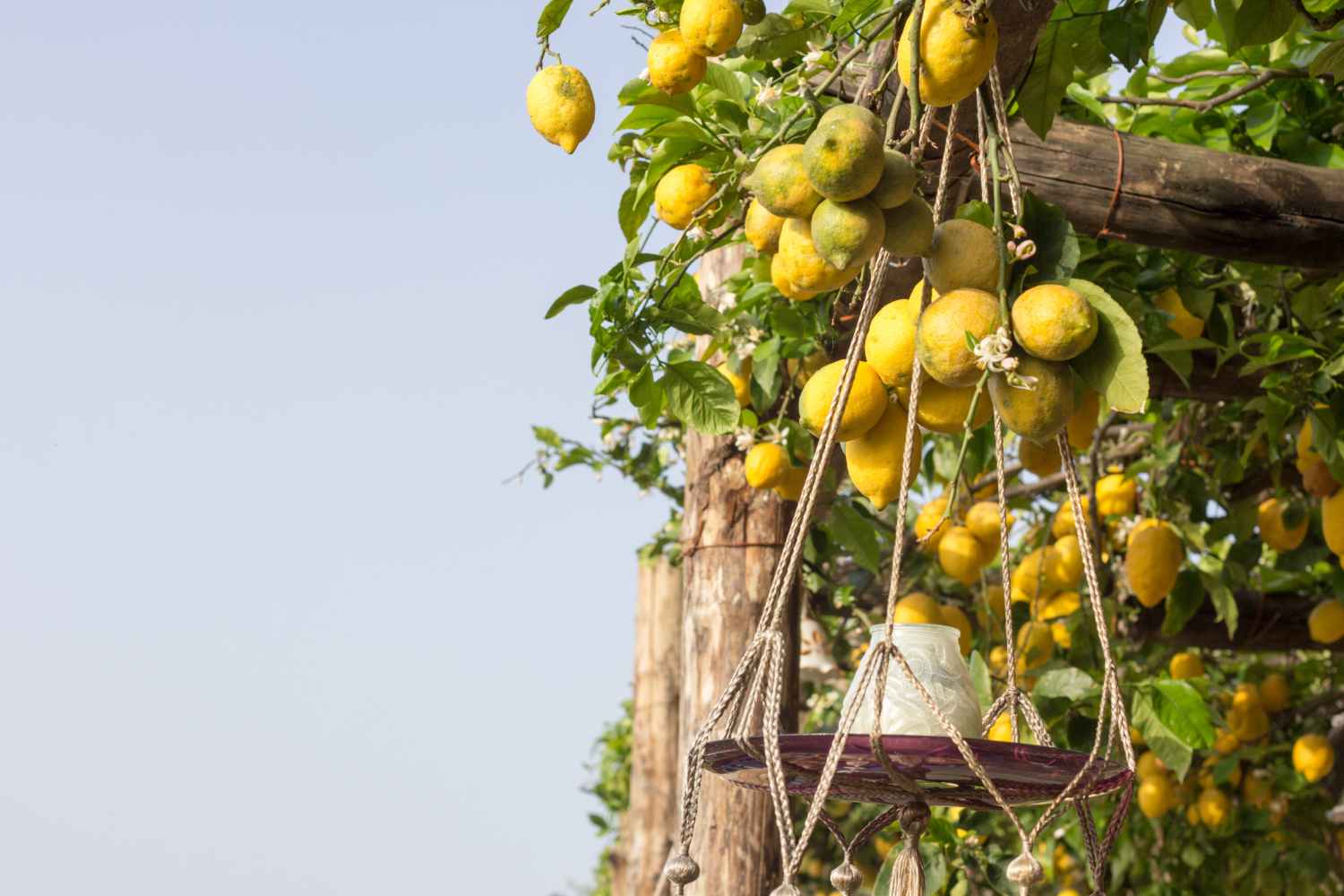
The lemons Costa d’Amalfi, also known as Sfusato Amalfitano, are a valuable variety cultivated for centuries along the terraces of the Amalfi Coast, in the province of Salerno. These citrus fruits grow on slopes overlooking the sea, in a unique landscape where the intense scent of lemon flowers mixes with the marine breeze, creating an ideal microclimate for a cultivation of the highest quality.
Characterized by the elongated shape, from the thick peel, rich in essential oils, and with a juicy pulp, these lemons are distinguished by their delicate flavor, with a low acidity that makes them incredibly sweet: so much so that they can be consumed entire, with the peel. In addition to being enjoyed fresh in traditional preparations, they are used in the production of jams, liqueurs (such as the famous limoncello), preserves, sorbets, sweets and even flavored honey.
Protected by the IGP brand, the lemons of the Amalfi coast are a symbol of the agricultural and cultural heritage of southern Italy, celebrated all over the world for their perfume and their versatility.
Mangostan
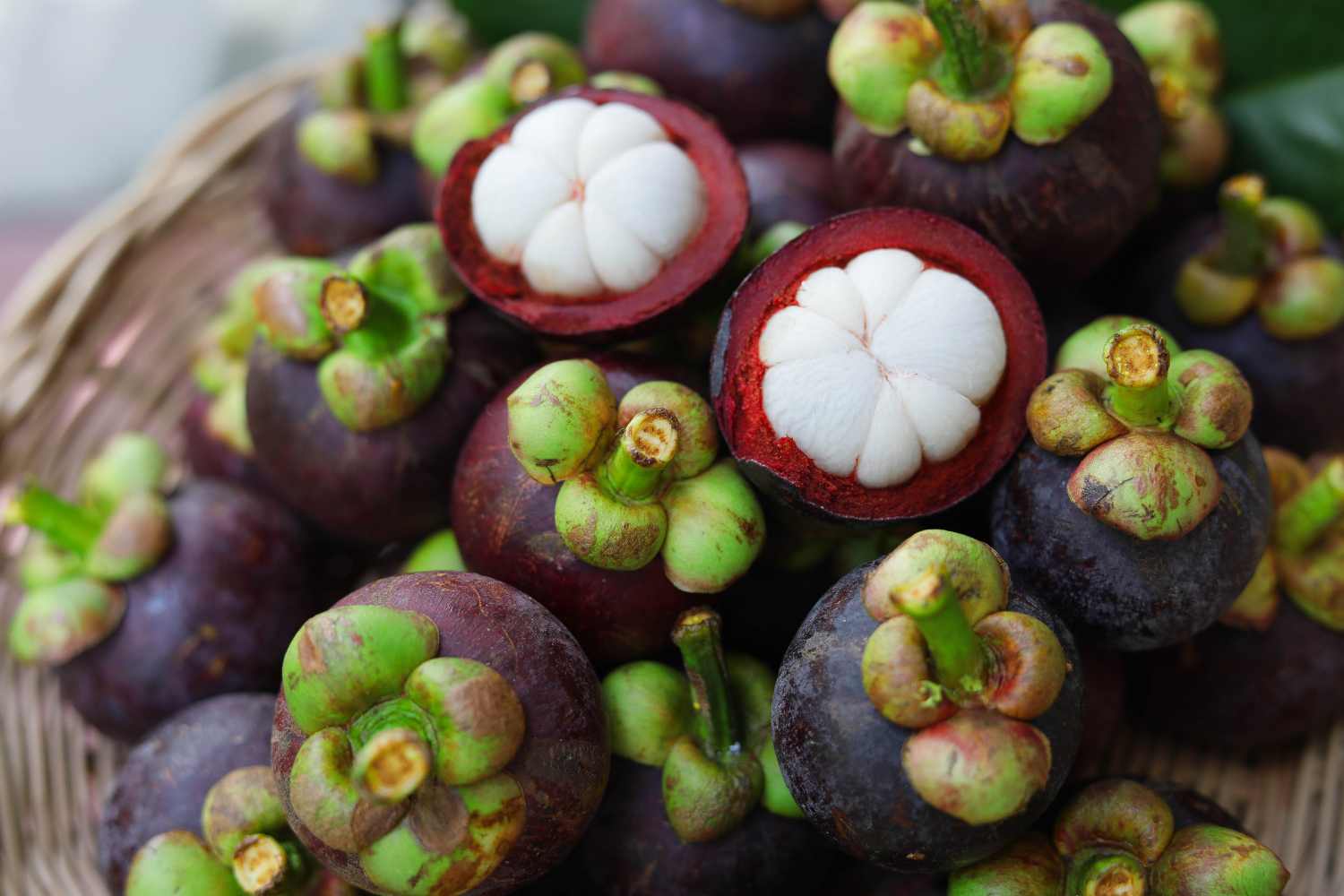
The mangostan, also known as the Viola mangostan, is a precious tropical fruit originally from the probe islands – today part of Indonesia, Malaysia, Brunes and East Timor considered by many the “king of the fruits” for its unmistakable taste, is widely appreciated throughout Asia and is gaining popularity even in the West.
The fruit is presented with a characteristic often and leathery dark purple peak, which contains a white pulp divided into wedges, similar in appearance to an garlic, but with a tender and juicy consistency. The flavor is sweet, with floral notes and a slight acidic tip, perfectly balanced.
The mangostan is often consumed naturally, but its versatility also makes it suitable for desserts, smoothies, ice cream, fruit salads, creams and drinks such as tea or tropical cocktails. In addition to the taste, it is also appreciated for its antioxidant and refreshing properties, which make it not only delicious, but also a nourishing and healthy fruit.
Primitive grape variety
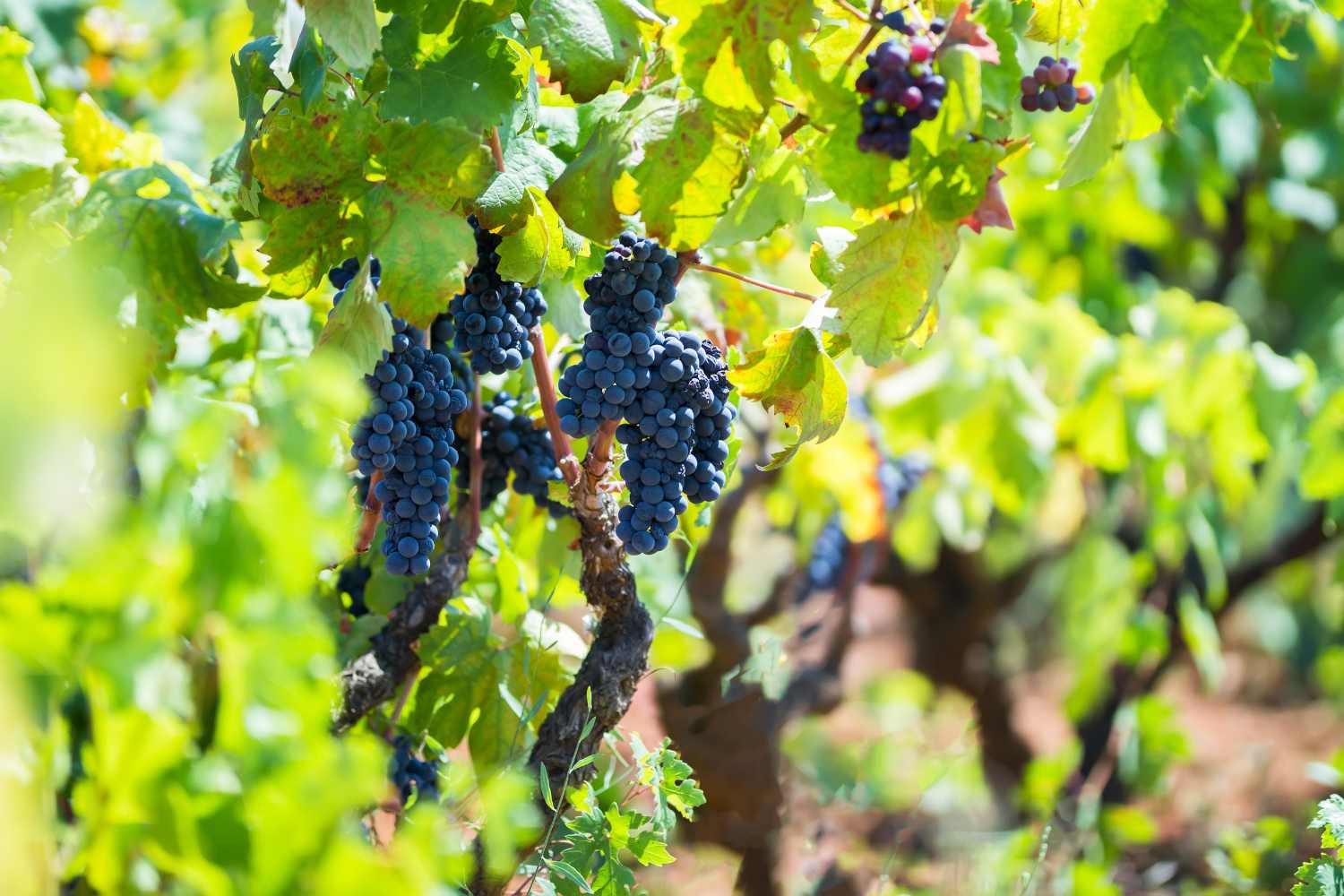
The primitive is a fascinating Italian grape variety, with an intertwined story between continents. Although today it is one of the wine symbols of Puglia, 1994 genetic studies have revealed that it is genetically identical to the Californian zinfandel. But going even further back, it was discovered that both derive from an ancient Croatian grapes: the Crljenak Kaštelanski.
Despite the same origin, the Italian primitive has developed a unique identity thanks to the Apulian terroir, which gives it unmistakable characteristics. The wine produced by these grapes is dark, full -bodied, intense, with notes of ripe red fruits, spices and sometimes hints of licorice or cocoa. The tannins, initially decided, soften with aging, giving wine an elegant structure.
The best known denomination is the primitive of Manduria, which best represents the power and richness of this grape variety, considered by many to be a pride of southern Italy, capable of conquering even the most demanding palates.
Jabuticaba
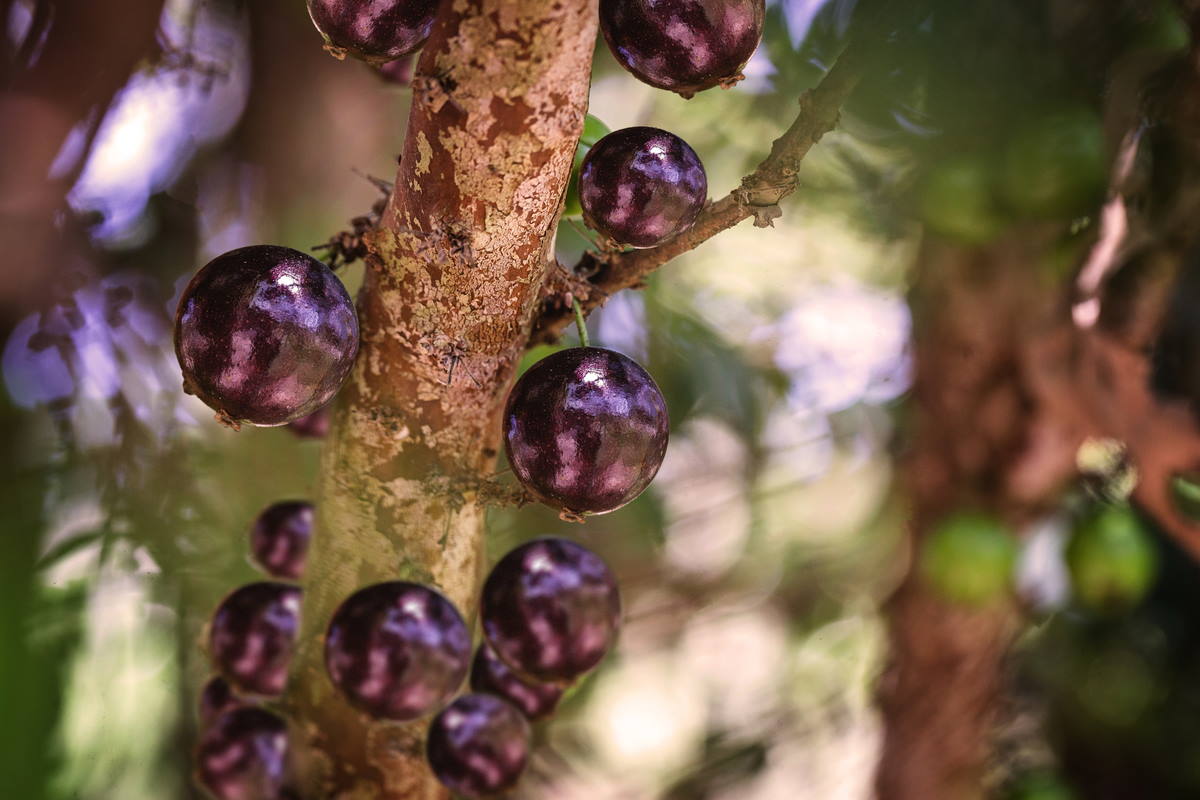
The Jabuticaba are traditional Brazilian berries, originally from the States of Minas Gerais, Goiás and São Paolo, and represent one of the most fascinating botanical curiosities in Brazil. At first glance they strike for their appearance: small dark purple spheres that grow directly on the trunk and on the branches of the tree, creating a unique visual show.
The peel is thick, while the internal pulp is clear, juicy and fragrant, with a flavor that combines sweet and acidule notes. Jabuticaba has a very short conservation duration, starting to ferment just 3-4 days after collection. In addition, the tree takes from 6 to 8 years to start fruiting, making these berries even more rare and precious.
Very rich in antioxidants, calcium, potassium, iron, phosphorus and vitamins C and and, they are appreciated not only for taste, but also for nutritional properties. In Brazil they are often eaten fresh, directly from the plant, but they are also transformed into jellies, jams, wines, liqueurs and juices with an intense and original taste.
