
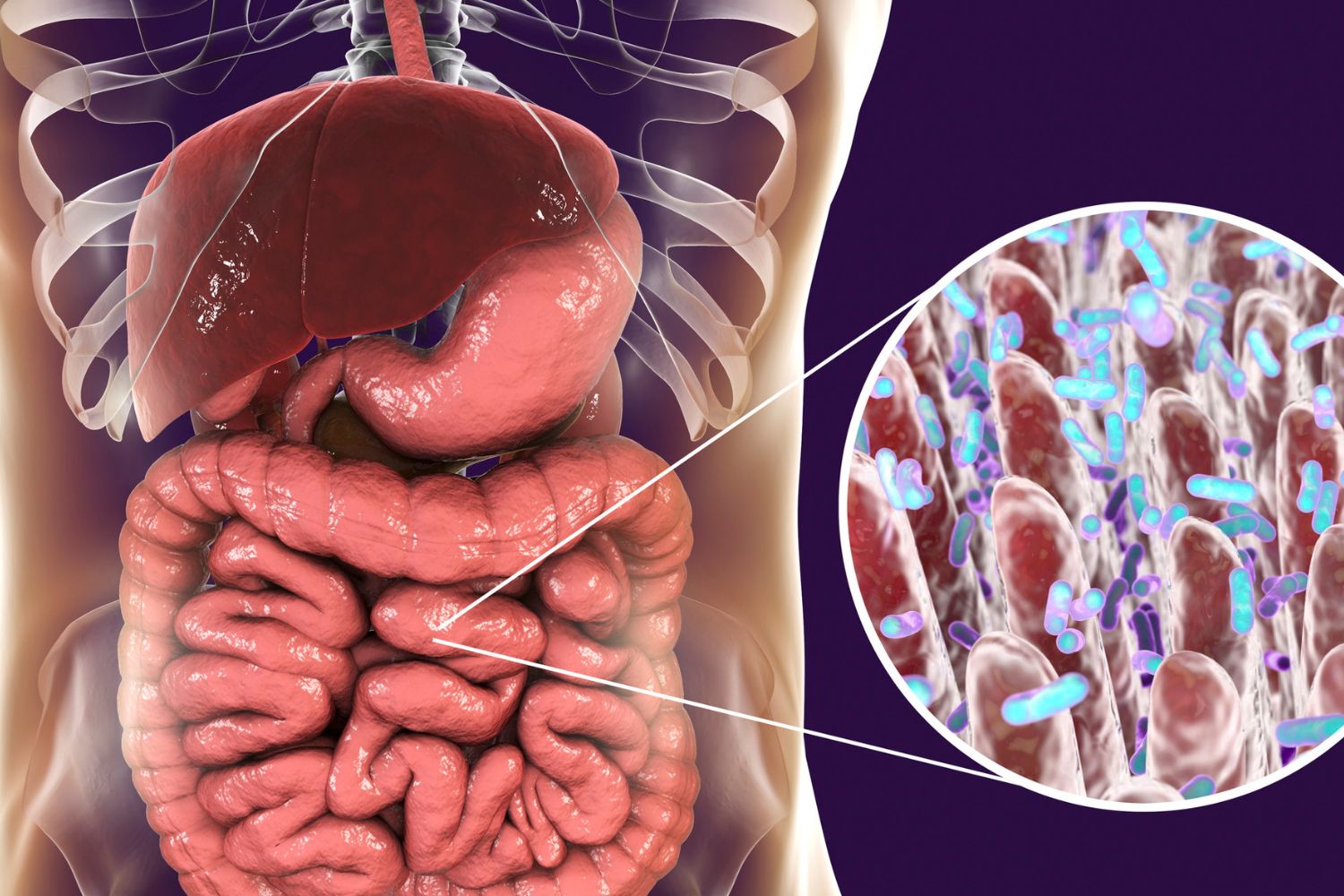
That intestine and brain were somehow connected was known, but today we know that intestinal microbiota disorders can even cause some development neurologists of development such as the deficiency disorder of CDKL5 (CDD), rare and serious genetic disease that now, perhaps, could be treated by intervening on the intestine instead of directly on the brain. The work was coordinated by the Sant’Anna Superior School of Pisa
The intestine really speaks to the brain: that i Intestinal microbiota disorders they can even cause some Development neurologists disorders Like the deficiency disorder of CDKL5 (CDD), rare and serious genetic disease that now, perhaps, could be treated by intervening on the intestine instead of directly on the brain. The work was coordinated by Sant’Anna High School of Pisa.
Intestine according to brain
That intestine and brain were somehow connected was known, so much so that many researchers believe that the intestine is really a sort of second brain. The differences in ours microbiota were connected to everything, from the duration of life to the risk of developing the diabetes.
And it has also been shown that these tiny microbes present in our gastrointestinal tract could also influence our thoughts.
A very curious but rather fitting example has recently arrived from one Study led by the University of Taipei (Taiwan)according to which defecate Before a race it can lead to better sports performance. E: to poop, in fact, “free” the mind so much that it will allow her to make faster and more effective decisions.
Intestine and neurological disorders
CDKL5 deficiency disorder (CDD)
Today we know something more: that intestinal microbiota disorders can cause some neurologists of development such as the CDKL5 deficiency disorder (CDD)rare and serious genetic disease that mainly affects girls.
As the Orphanet portal explainsthe database of rare diseases, the deficiency disorder of CDKL5 (CDD) is one rare genetic disease of neurological developmentcharacterized by epileptic crisis drug resistant and serious neurological development anomalies, with marked delay in motor development.
The pathology mainly affects girls because the transmission is dominant linked to the X chromosome, and is characterized by early debut, in childhood but also in the first months of life, in neonatal age. Precisely for this “location”, the therapies have focused mainly on the brain.
The turning point
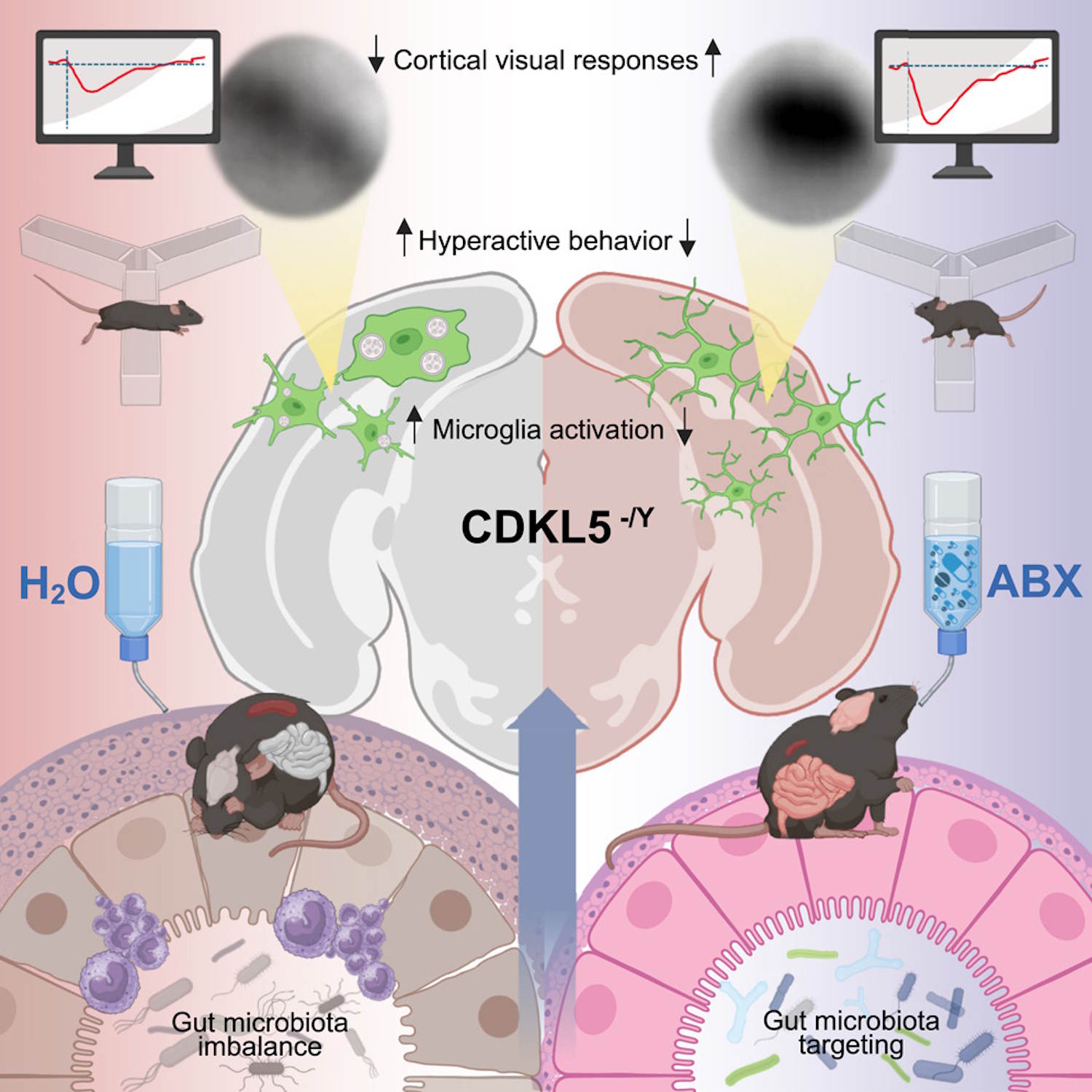
Today, for the first time, it has been demonstrated as an imbalance in the intestinal microbiota (the set of bacteria that populate our intestine) has a causal role in the development of this very serious disease.
It was surprising to discover such a narrow and causal link between the intestine and the neurological manifestations in this disease – explains Paola Tognini, coordinator of the study – Look at the intestine to understand and treat a brain disease It is no longer science fiction
The research analyzed in particular model subjects for the CDD, discovering that the composition of their intestinal microbiota was deeply different from that of healthy subjectsespecially in the youth stages of development.
In addition, by administering antibiotics against the “altered” microbiota, a clear improvement of neuronal responses and behavior in sick subjects. In addition, by transplanting the intestinal microbiota of the CDD models in healthy models, these have started to develop some of the typical symptoms of the CDD. This is the direct proof that the altered microbiota is not only a consequence of the disease, but actively influences its neurological symptoms.
Our data suggest that the alterations of the microbiota I’m not a simple side effect, but they play a active role. This offers us a completely new target: modulating the intestinal microbiota, for example with targeted probiotics, specific diets or even microbiota transplantation, we could be able to improve the quality of life of patients and enhance the effectiveness of other therapies
In other words, it is believed to be able to act on the intestine, instead of on the brain, to treat neurological disorder, offering patients an extra way and in some ways less impactful, for extend their life expectancy and above all its quality.
The work was published on Cells Reports.
Sources: Sant’Anna High School of Pisa / Cells Reports
