

Almería is not the usual stage from Andalusia tourist postcard. Here you will not find the crowd of Seville or Granada, but a corner that escapes mass tourism and shows itself with all its authenticity.
Desert sands that seem to come out of a western film, still virgin beaches bathed by the Mediterranean, and ancient Arab fortresses that tell stories of centuries ago. It is a province that does not follow the usual beaten paths, offering an alternative, raw and true and true Andalusia, to be discovered without filters. If you want to live something different, Almería is the right place, and here are 5 unique experiences to live in these places.
The fortified city: the imposing Alcazaba of Almería
The real journey into the authentic almería starts from his main city, dominated by the imposing alcazaba profile. This Moresca citadel, the largest ever built in Spain under Muslim domain, is a bulwark born in the 10th century for defense, wanted by Abderramán III. Its peculiarity? A triple wall that once protected Islamic buildings and places of worship.
In the historic center, stuck between the Alcazaba and the sea, a cathedral out of the patterns stands out: more fortress than church, with robust towers and thick walls designed to reject the attacks of the Berber pirates. The narrow streets, flanked by whitewashed houses, lead to the Nicolás Salmerón park, a walking walk from palm trees that runs along the Mediterranean.
Sitting to one of the many outdoor bars of Tenor Iribarne or Concepción Arenal, the soul of a city with character is savored, capable of giving a perfect climate all year round. Here, no fake postcard smiles, only an authentic and concrete personality, just like Almería.
The natural set: the Tabernas desert and “Mini Hollywood”
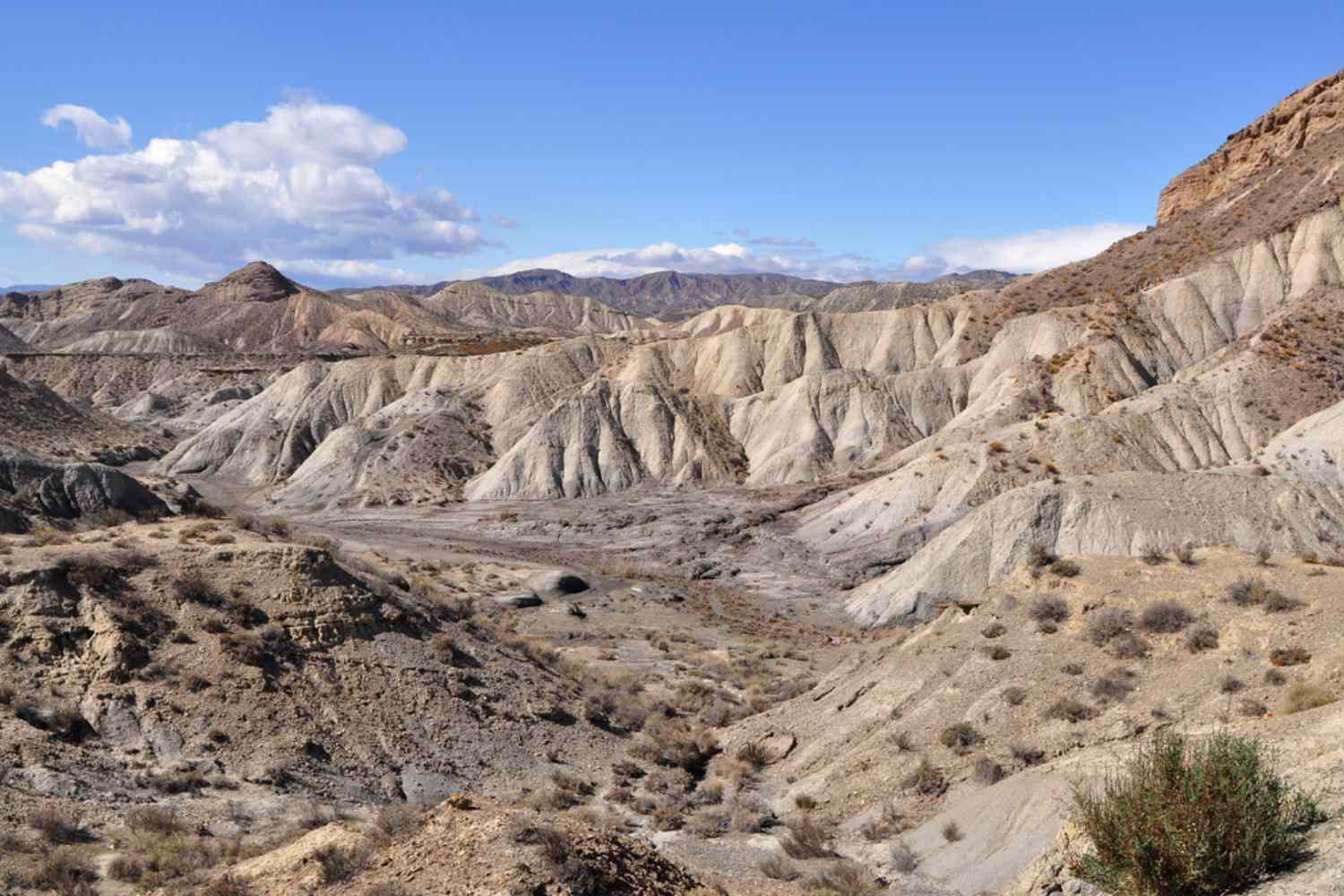
30 kilometers from the city opens one of the strangest ecosystems in Europe: the Tabernas desert. The only real desert on the continent, with its calanche, erosive formations and a flora that survives where almost nothing grows. An almost alien landscape, chosen by Hollywood and not only for hundreds of international films.
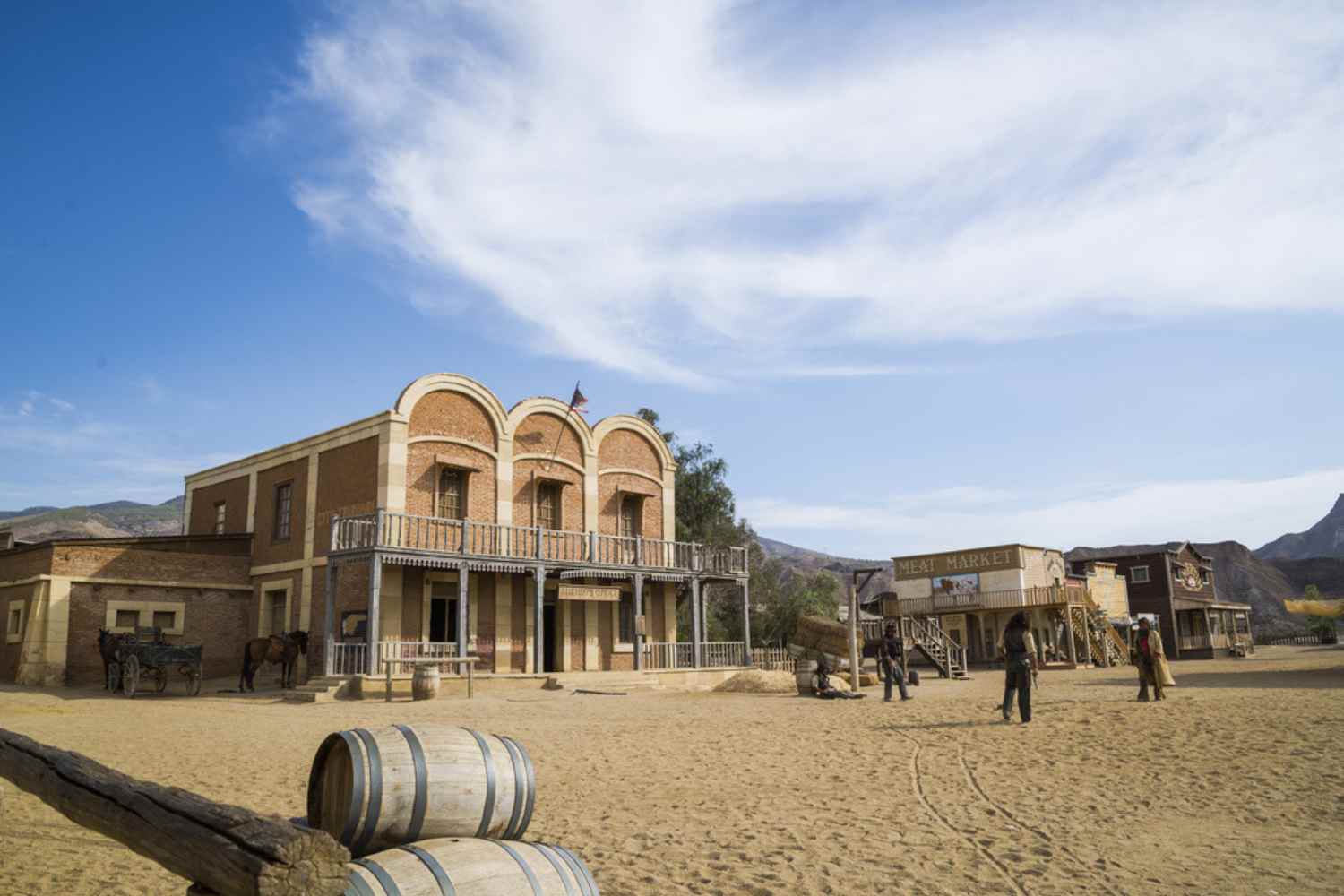
In the 60s and 70s, many masterpieces of the Western spaghetti who made great Sergio Leone and Clint Eastwood were shot here. The sets of “Mini Hollywood”, “Fort Bravo” and “Western Leone” are still there, perfectly preserved and transformed into thematic parks. Today you can witness duels to the last pistol shot and breathe the real atmosphere of the Far West reconstructed in the middle of the wildest Andalusia.
Walking through those dusty roads is like making a leap back in time and ending straight in the heart of a reinvented America, far from any cliché and more authentic than many glossy sets.
The marine oasis: the Cabo de Gata-Níjar Natural Park
The coast of Almería is one of the few angles of the Mediterranean still intact: the Cabo de Gata-Níjar Natural Park. It is the first marine-terrestrial protected space of Andalusia, with 200 kilometers of coast that retain wild beaches, imposing volcanic cliffs, backdrops full of life and small fishing villages stopped over time.
Beaches like Los Genoveses, Monsul or Las Salinas They are true naturalistic pearls, where the golden sand clashes with the deep blue of the sea and the ocher rocks. The Playa de los muertos, reachable only by going down a path from the cliff, is one of the most beautiful and spectacular beaches in all of Spain.
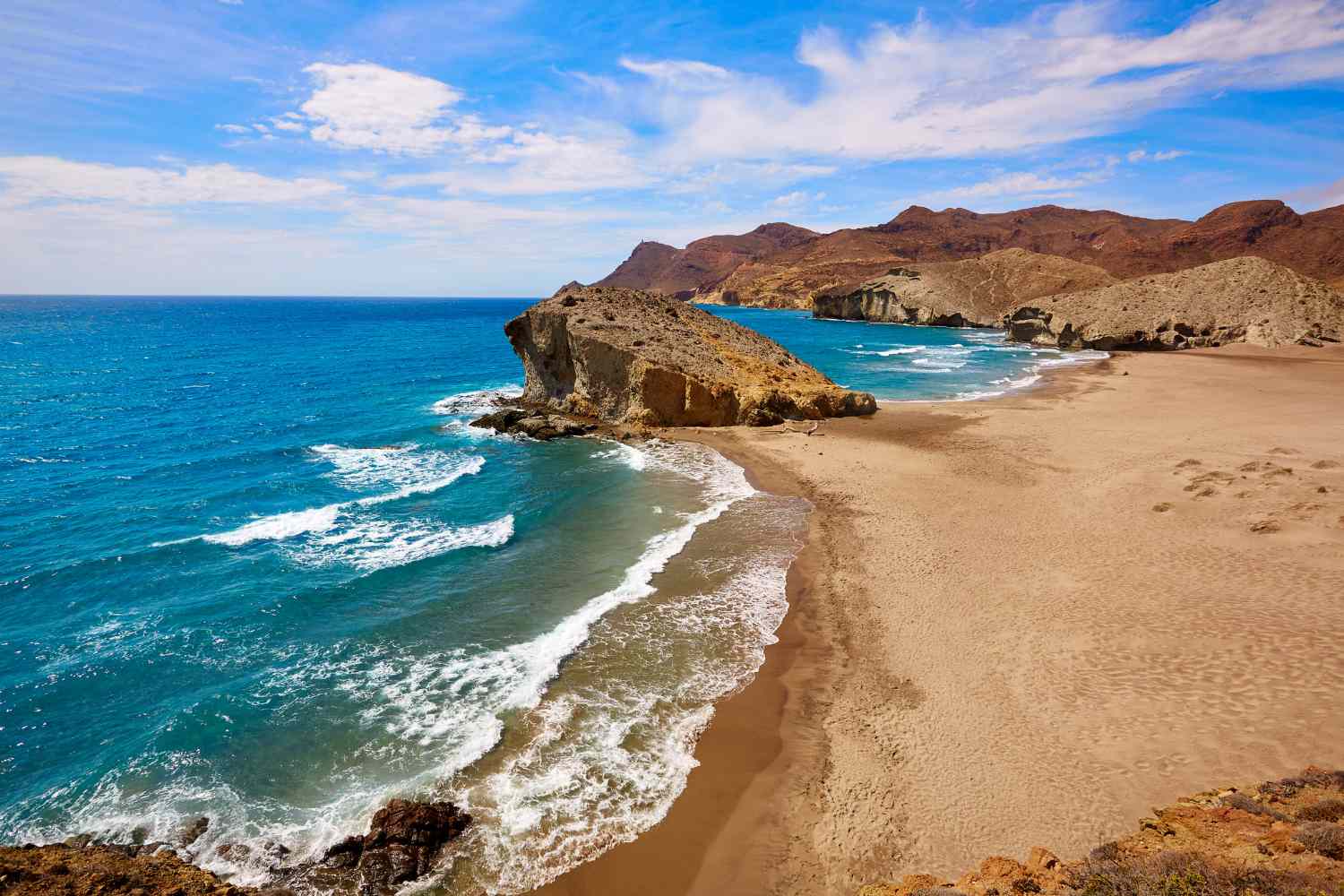
The lighthouse of Cabo de Gata, at the end of the promontory, gives a crazy view over the whole coast and on the volcanic rocks of Las Sirenas who sprout from the sea, creating an almost unreal atmosphere. Near the lighthouse, the saline are a refuge for a rich fauna, with pink flamingos that nest in the low waters. Here nature is hard, true, without compromise or tourist fictions.
The wild hinterland: the Sierra María-Los Vélez Natural Park
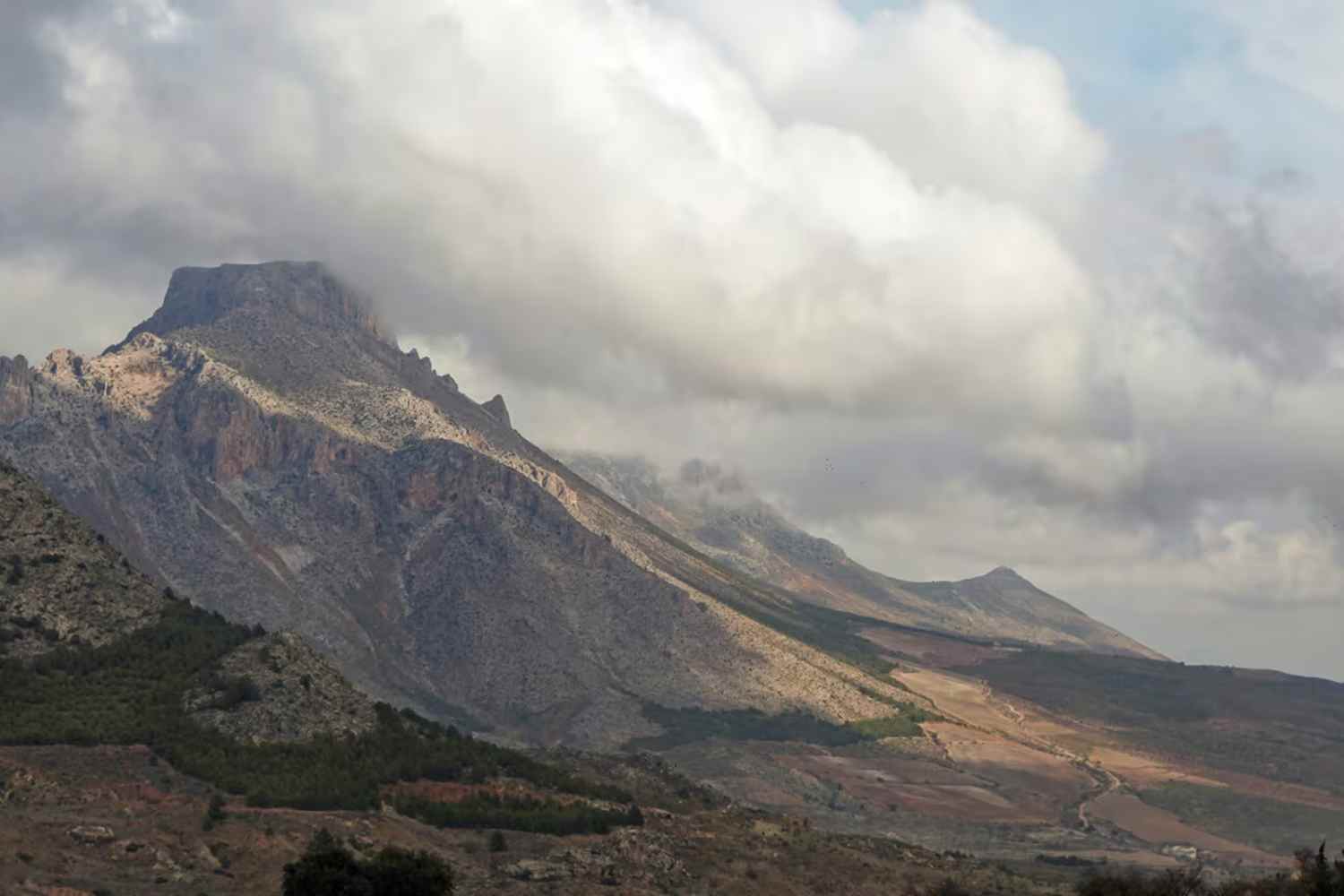
Moving in the hinterland north of the province, the landscape changes radically. The Sierra María-Los Vélez Natural Parkwith peaks over 2,000 meters, it is the dry and arid opposite of the coast: here you find dense woods of pine trees, oaks and holm oaks.
The fauna is rich and authentic, with birds of prey like the real eagle and the rare gipeto that dominate the skies. But it is not only wild nature: the castle of Vélez Blanco, Renaissance jewel, gets on one of the “Pueblos Blancos” typical of the area, giving a historical look that you do not expect.
And there is more: the rock paintings of Los Vélez, recognized by UNESCO, tell a human presence that has its roots in prehistory. The Letreros caves, with their schematic figures of men and animals, are among the most important concentrations of rock art of the Iberian peninsula. Here the story reads on the stone walls, without filters or embellishments.
Santa Ana Castle in Roquetas de Mar
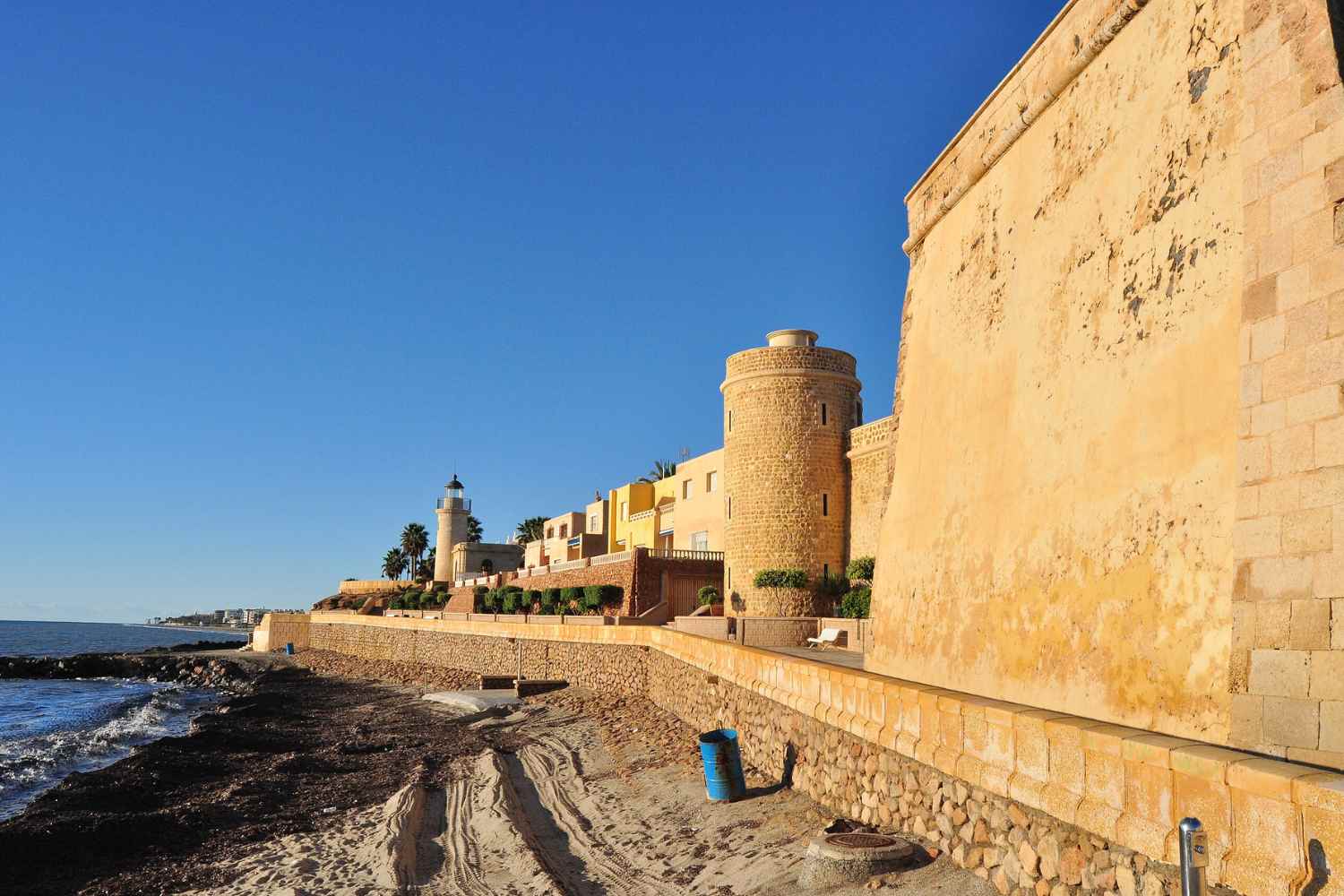
The Castle of Santa Ana is a 16th century fortress located in Roquetas de Mar, on the coast of the province of Almería, Andalusia, Spain. It is located near the beach, in a strategic position where the large rocks of the mountain extend to the sea, hence the name “Roquetas de Mar”.
The castle was built to defend the coast from pirate incursions and other military threats. Its thick walls and guard towers are still well preserved today and represent an important example of military architecture of the time.
In addition to the castle, Roquetas de Mar offers natural attractions such as the Punta Entinas – Sabinar Natural Park, a 15 km protected area along the coast with dunes, beaches, ponds and salt pins, ideal for walks and observation of nature. In the city there is also the classroom of the Mar, an educational center dedicated to the local seabed.
Roquetas de Mar is a very appreciated tourist resort for the mild climate all year round, with a few days of rain, and for its beaches suitable for families.
The Almería cuisine and the Raf tomato
And let’s not forget the food, which is a separate story: dishes such as the Ajo Colorao (with tubers, red peppers and cod), the fishing frog at Barraca, the seafood of Garrucha and the sweet dating cake tell this land with strong and authentic flavors.
To complete this gastronomic picture there is the famous Raf tomatoa local excellence that represents the agricultural soul of Almería. Born precisely in this area, the Raf takes its name from its resistance to the Fusarium, a mushroom that affects the plants, and has established itself for its unique, intense and complex flavor, with a perfect balance between natural sweetness and a slight saline note. Its firm pulp and thick peel make it ideal both to be enjoyed fresh, raw and as a protagonist ingredient of traditional dishes.
Almería is not a place that lets itself be told easily, it is a land of unexpected contrasts and beauties, where the desert meets the sea, where every corner speaks of a hard and generous nature, of stratified cultures and flavors that challenge the banality of mass tourism.
Discovering Almería means abandoning the jokes, giving up the easy postcards and immersing yourself in an authentic experience that pulsates real life, without filters. It is an invitation to those who have the courage to look beyond, to listen to the silence of the desert and the sound of the waves, to savor a tomato that tastes of earth, sun and effort.
In a world that continually seeks the packaged novelty, Almería resists with his rough voice and his cruel charm, ready to surprise those who know how to waste time and open his eyes. Here, Andalusia has never been so true.
