
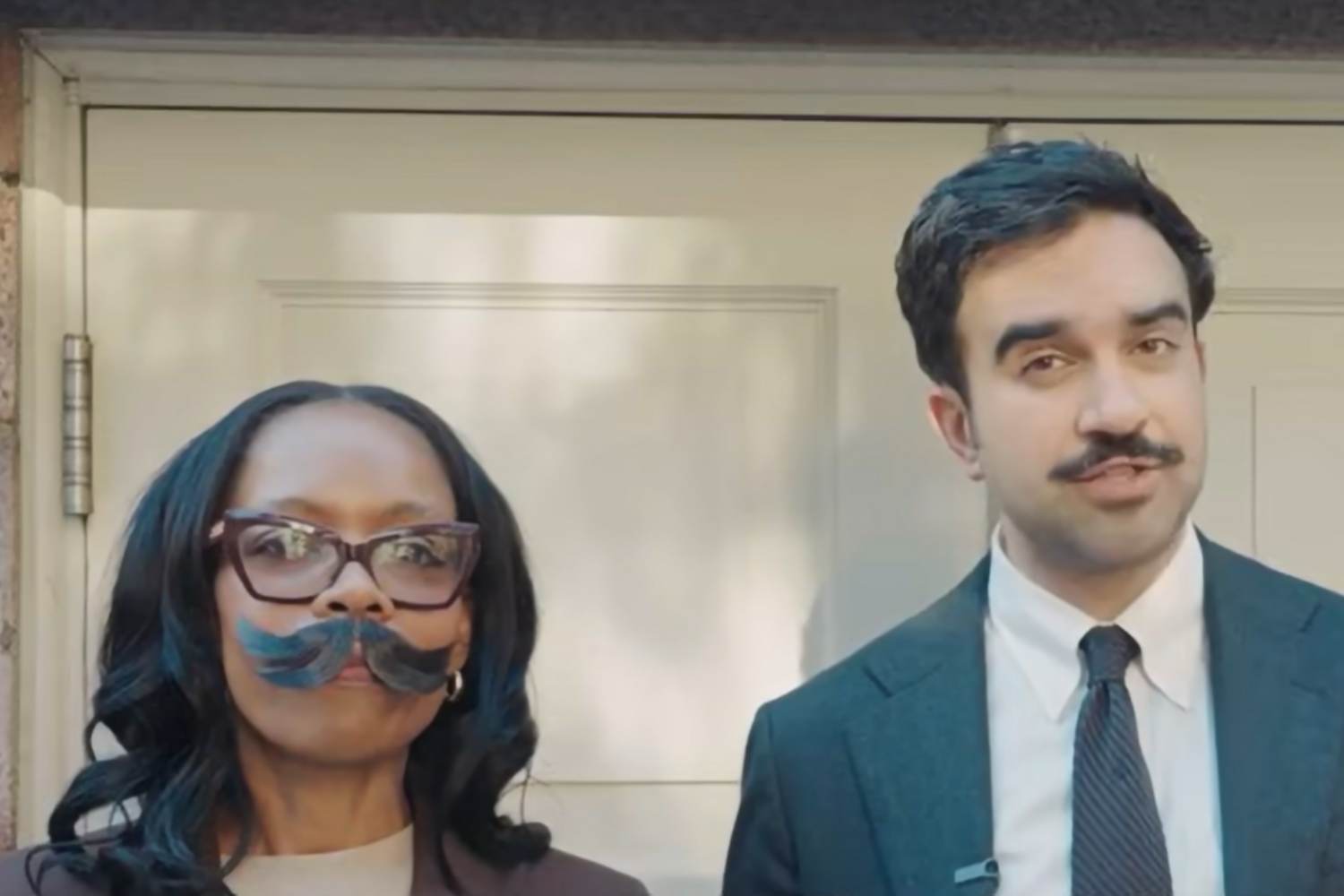
In the first weekend of November, coinciding with the Halloween celebrations and the famous New York Marathon, Mayor Zohran Mamdani surprised everyone by appearing in public without his iconic beard, an aesthetic attribute that no New York mayor had sported since William Jay Gaynor in 1913. In its place, the mayor’s face appeared adorned with a pair of pronounced mustaches, sparking immediate ironic comparisons on the web with Super Mario but revealing soon much more than a simple aesthetic quirk. Mamdani has in fact joined Movember, the famous global campaign that every year combines the words mustache and November to transform the mustache into a strong visual symbol, capable of breaking taboos and turning the spotlight on men’s health.
View this post on Instagram
The origins of Movember and the concrete commitment between prevention and investments
Born in 2003 in a pub in Melbourne, Australia from an intuition of Travis Garone and Luke Slattery, the Movember movement has grown exponentially to involve over 6 million participants worldwide, funding more than 1,300 targeted health projects. The initiative aims to combat the cultural resistance that often pushes men to postpone medical checks out of embarrassment or reluctance.
Aware of the media resonance of his gesture, Mayor Zohran Mamdani wanted to give substance to the cause by announcing an extraordinary allocation of 4 million dollars for the creation of a new oncology center specialized in the treatment of prostate cancer at the Kings County Hospital in Brooklyn, thus offering fundamental support to the most vulnerable sections of the population excluded from private prevention programs.
From Mo Farah to Liam Payne: the famous people who supported the campaign
But Mamdani is not the only one who has chosen to support Movember. Over the years, in fact, numerous famous people have helped bring attention to men’s health. Among these are the actors Will Ferrell and John C. Reilly, protagonists in 2018 of an ironic video to encourage donations, and Stephen Fry, who in 2019 took part in a campaign together with Bear Grylls, Nicole Scherzinger and other faces of entertainment.
In 2020 it was the turn of singer Liam Payne, former footballer Peter Crouch and Olympic champion Mo Farah. In 2023 the actor Will Poulter lent his face to the campaign for the twentieth anniversary of the movement, while in 2024 the Olympic gymnast Max Whitlock and the actor Ted Lasso Kola Bokinni.
View this post on Instagram
The three pillars of Movember: prostate cancer, testicular cancer and mental health
The global campaign promoted by Movember focuses attention on three crucial health emergencies: prostate cancer, which in Italy represents the most diagnosed neoplasm in the male population with around 40,000 new cases every year; testicular cancer, which mainly affects adolescents and young adults but boasts high cure rates if caught early; and mental health, with a focus on suicide prevention.
Epidemiological data from the World Health Organization highlight how the suicide mortality rate among men is markedly higher than among women, a gap aggravated by the cultural difficulty in communicating psychological distress. Through the involvement of health institutions, targeted checks and initiatives such as the LILT Blue Ribbon campaign, Movember reminds us that prevention remains the most powerful weapon for extending life in full psychophysical efficiency, transforming a simple pair of mustaches into an opportunity to save human lives.
View this post on Instagram
Real change starts from the freedom to say “I can’t do it” without fear of being judged
The global mobilization of Movember and symbolic gestures such as the mustache sported by Zohran Mamdani remind us that true prevention begins long before a medical visit: it begins the exact moment we stop telling ourselves that we have to do it alone or that we must not cry and we decide to lower our defenses, to no longer wear invisible armor and to take care of our vulnerability.
The dramatic numbers linked to mental health and delays in diagnoses require us to turn the page, erasing once and for all the toxic idea that asking for help is an act of weakness and that silence is true strength. Say “I am fine” when it is not true it is not an act of courage, but a silent condemnation: opening up to others and making space for our suffering simply means reminding ourselves that men are afraid too, they feel alone and they have every right to say so. Not just in November, but all year round.
