

Ah, the spontaneous beauty of wild flowers! They have discreet elegance, innate resistance and a unique ability to transform even the most anonymous corner of the garden into a small natural show. The most seductive aspect? : just choose the right ones, the most suitable for summer, put them on the ground and let nature take its course, with its times and laws. You just have to observe, water when you need and enjoy the show.
If you want a garden that seems to have come out of an impressionist painting – but without resorting to the usual gladioli, lilies and agapanti – here is one Selection of spontaneous and ornamental summer flowersto be sowed immediately, for an amazing result already in a few weeks.
Red poppies
The common poppy, the red red one with the black heart, is the symbol of summer that explodes. He insinuates himself among the ears of wheat, lets himself be lulled by the wind and, in the garden, he knows how to give that country touch and at the same time sophisticated that conquers everyone. It grows well also in lean soils, loves the full sun and does not stand the stagnation of water. Sowing it directly to the dwelling, pretty, without exaggerating with the depth: a slight pressure of the ground with the palm of the hand will be enough and in a short time the green will turn into a sea dotted with red.
Cornflower
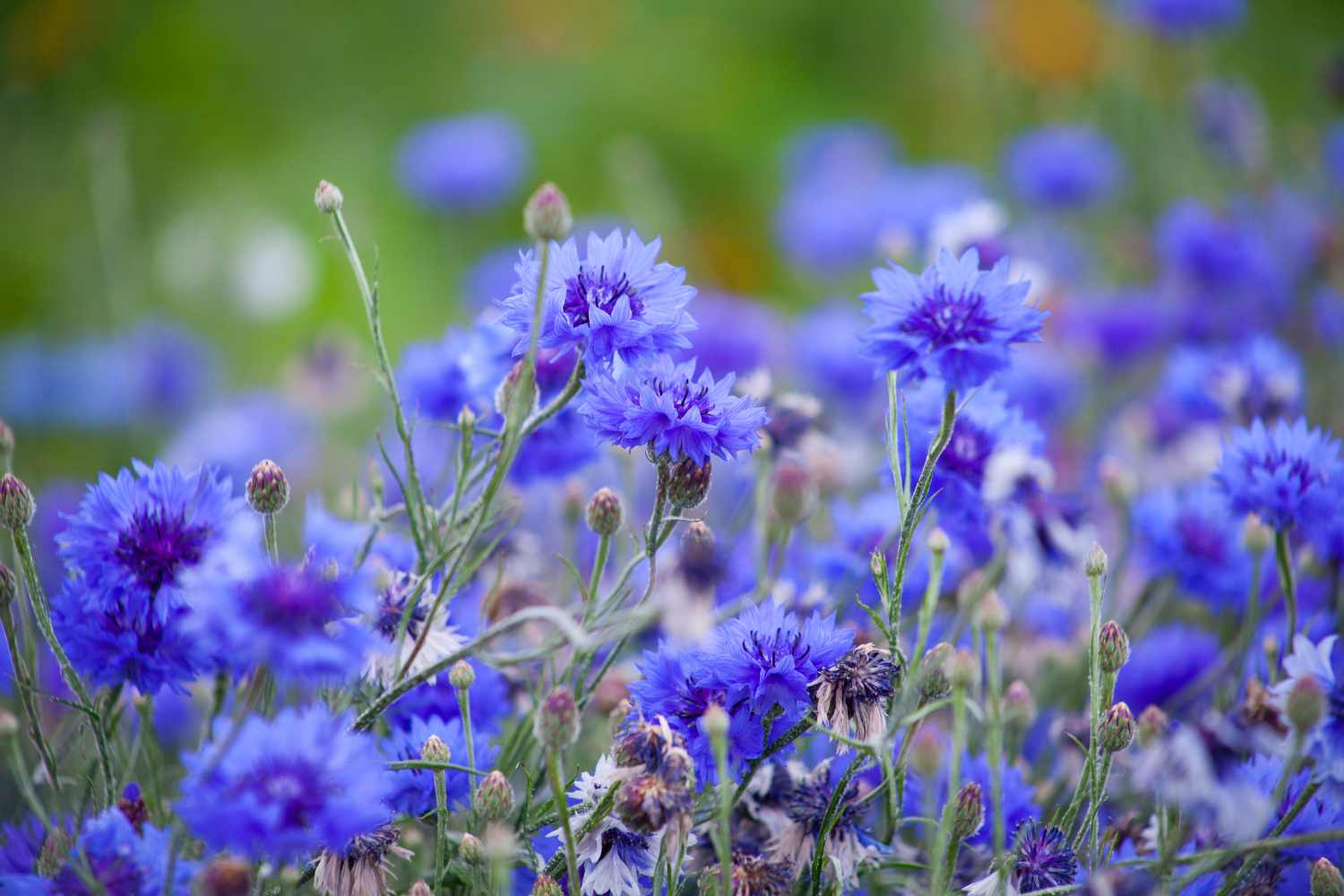
Among the flowers most loved by pollinators and photographers, the cornflowers stand out for that loaded blue, intense, which seems almost unreal. Today it is also possible to find them in pink, white and purple varieties, but classic blue keeps a charm that is difficult to replicate. They are rustic plants, suitable for hot climates, which are satisfied with little: a well -drained soil, lots of sun, and away. You can sow now to see them bloom between July and September, and if you leave some flowers to go to seed, the following year they will return by themselves.
Cosmeal
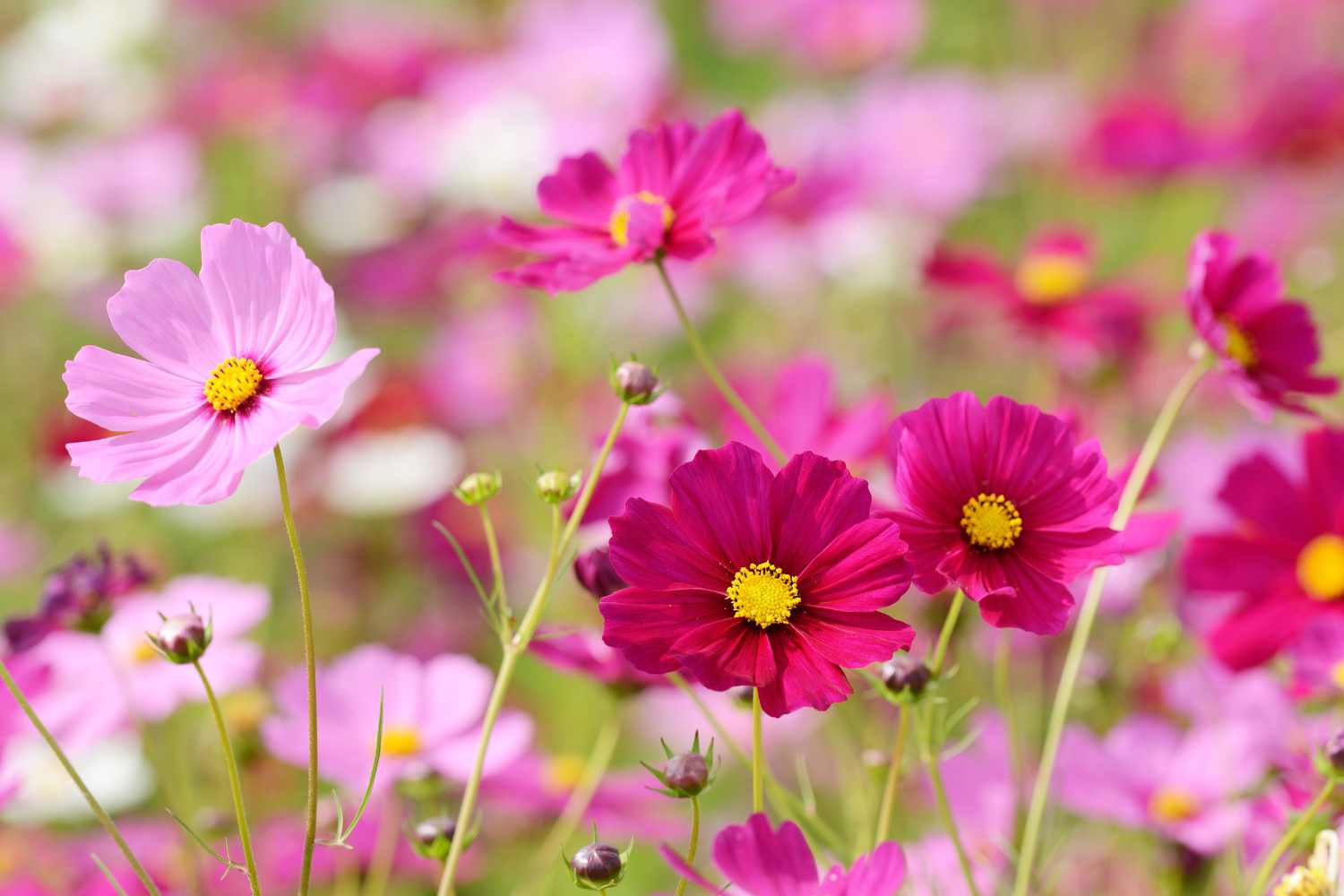
Cosmee seem to dance in the wind. They have slender drums, filiform leaves and large flowers reminiscent of the daisies, in shades ranging from white to intense pink, up to the more decisive fuchsia. They are very suitable for anyone looking for a “flowery field” effect, also possible in pots. The variety Cosmos Bipinnatus It is among the most widespread and it is also the one that gives the greatest satisfactions. Seminal now, in the ground or in large containers, and let the sun go the rest. Remember that they love warm and dry climates, and they also resist drought.
Nigella Damascena
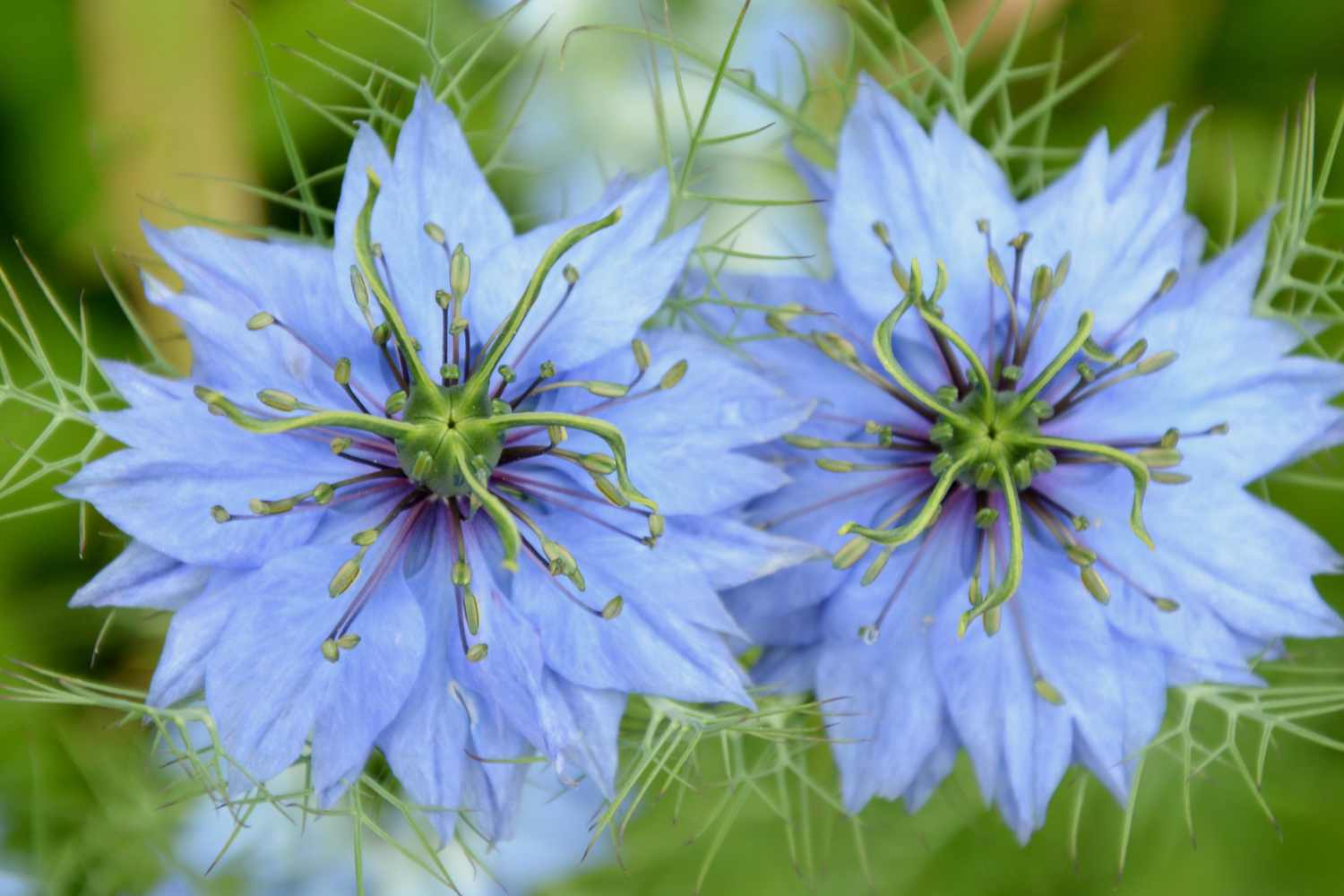
Also called “girl”, Nigella is a small botanical jewel. The flowers can be sky or white blue, and seem to float on a bed of very thin leaves. The real surprise comes when they touch: they produce decorative capsules that can also be used for the creation of dry bouquets. It is a plant that loves freedom, therefore sown in a pretty, perhaps in a slightly wild bugs where it will be able to express the best of itself. Plan it immediately: germinating quickly and already blooms in the heights, it also attracts both bees and other useful insects, for a more living and healthy garden.
Calendula Officinalis
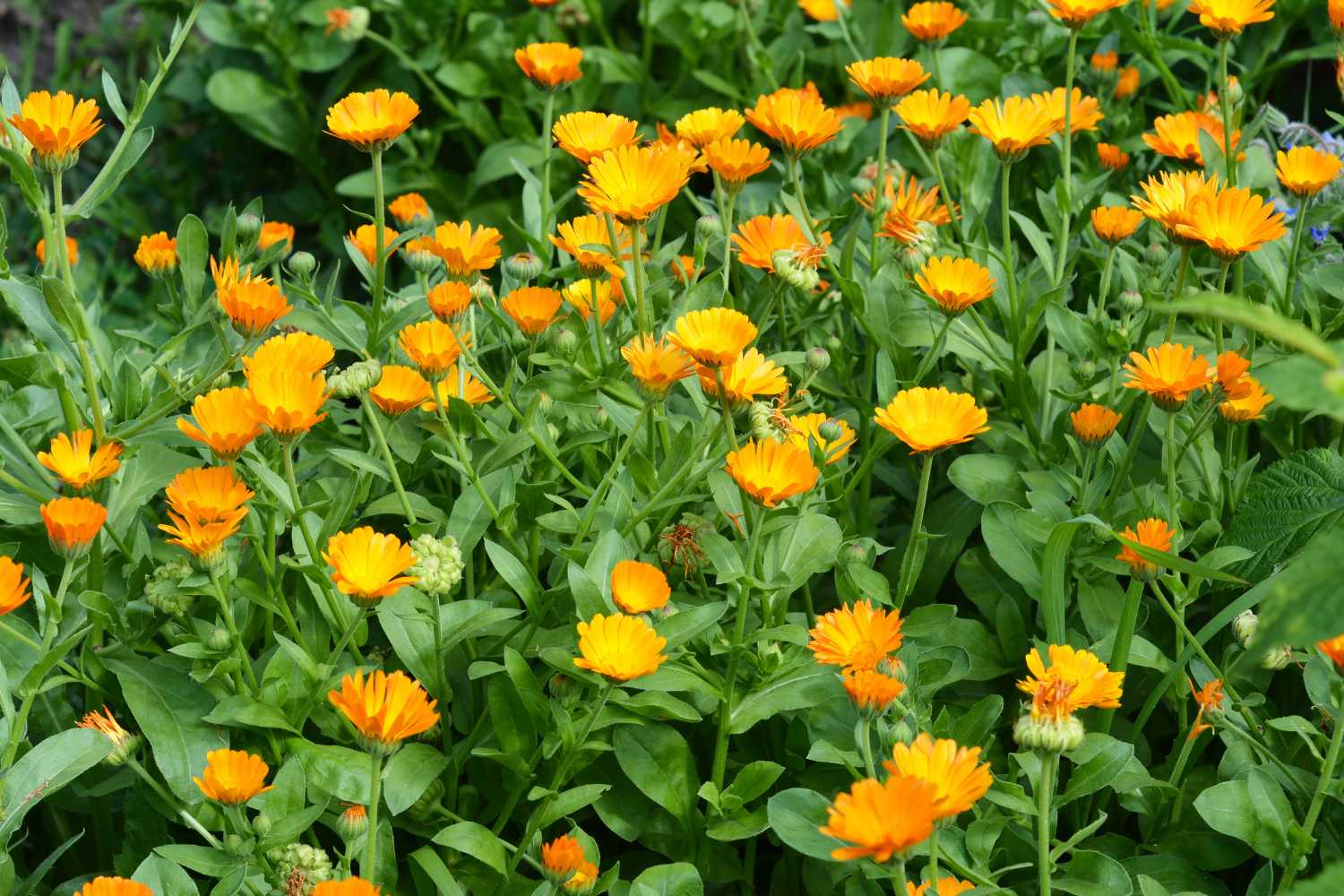
Calendula is a classic, but too often relegated to the edges of the garden. In reality, a place of honor also deserves in the ornamental gardens, given that the orange flowers on or golden yellow are real explosions of light, and they bloom continuously until autumn. Calendula grows well everywhere, even in pots, and has the advantage of being a mellipr and officinal plant: the smell keeps some parasites away, while Polline attracts both bees and butterflies. A useful and aesthetically appreciable choice, which is also good for the skin, given that the petals are used for the nourishing and soothing infusions.
Achillea Millefolium
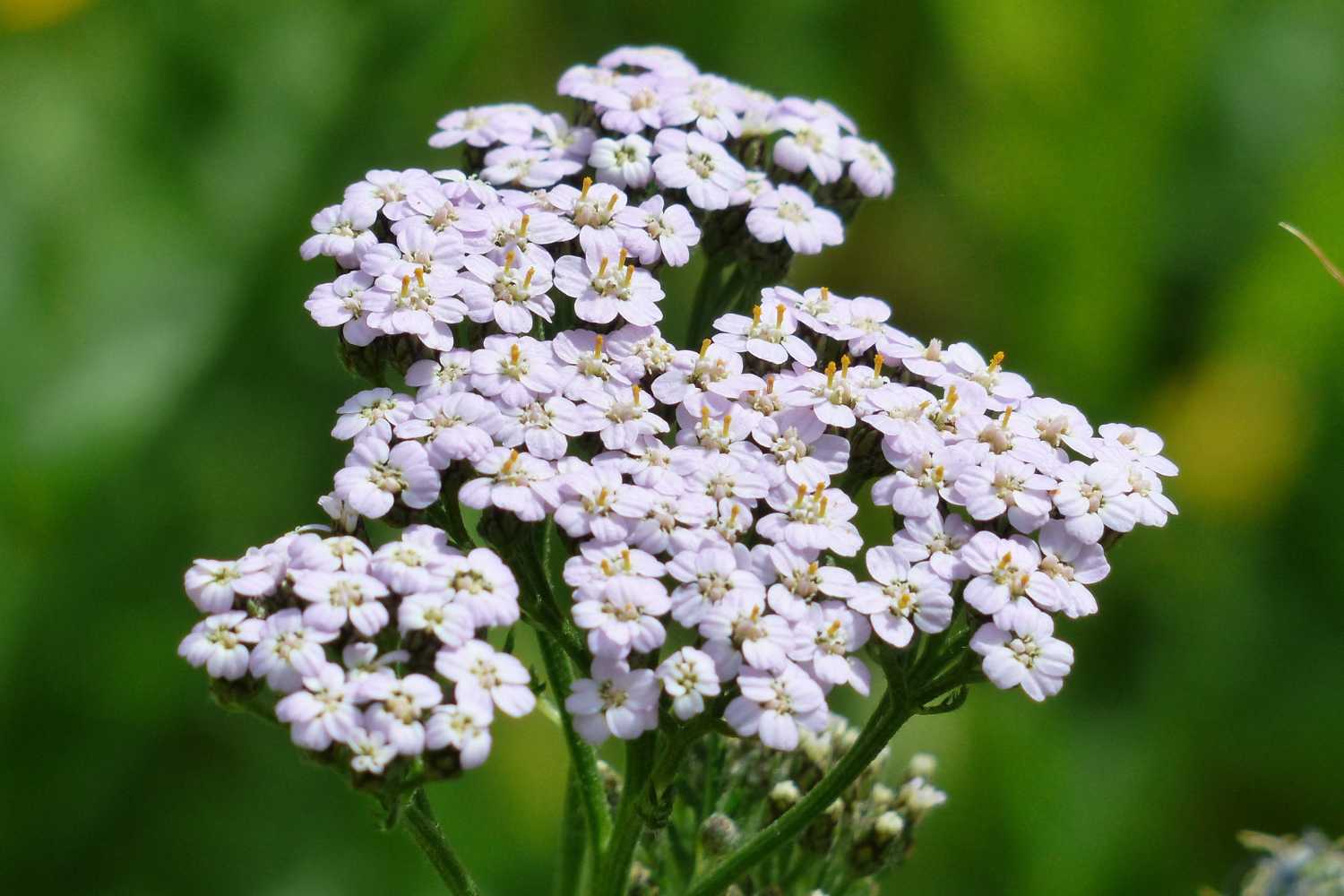
Achilles is a plant for those who love simplicity. The flowers appear as dense umbrellas, pink, white or yellow color, which sprout on high stems and rights, while the foliage, thin and aromatic, recalls a fern and forms a nice pillow at the base. It is robust, also suitable for poor soils, it adapts well to dry, in addition it resists the wind, drought, and gives color throughout the summer, without forgetting the discreet ecological value of which it is equipped: it is a friend of useful insects and enriches the ground.
Face
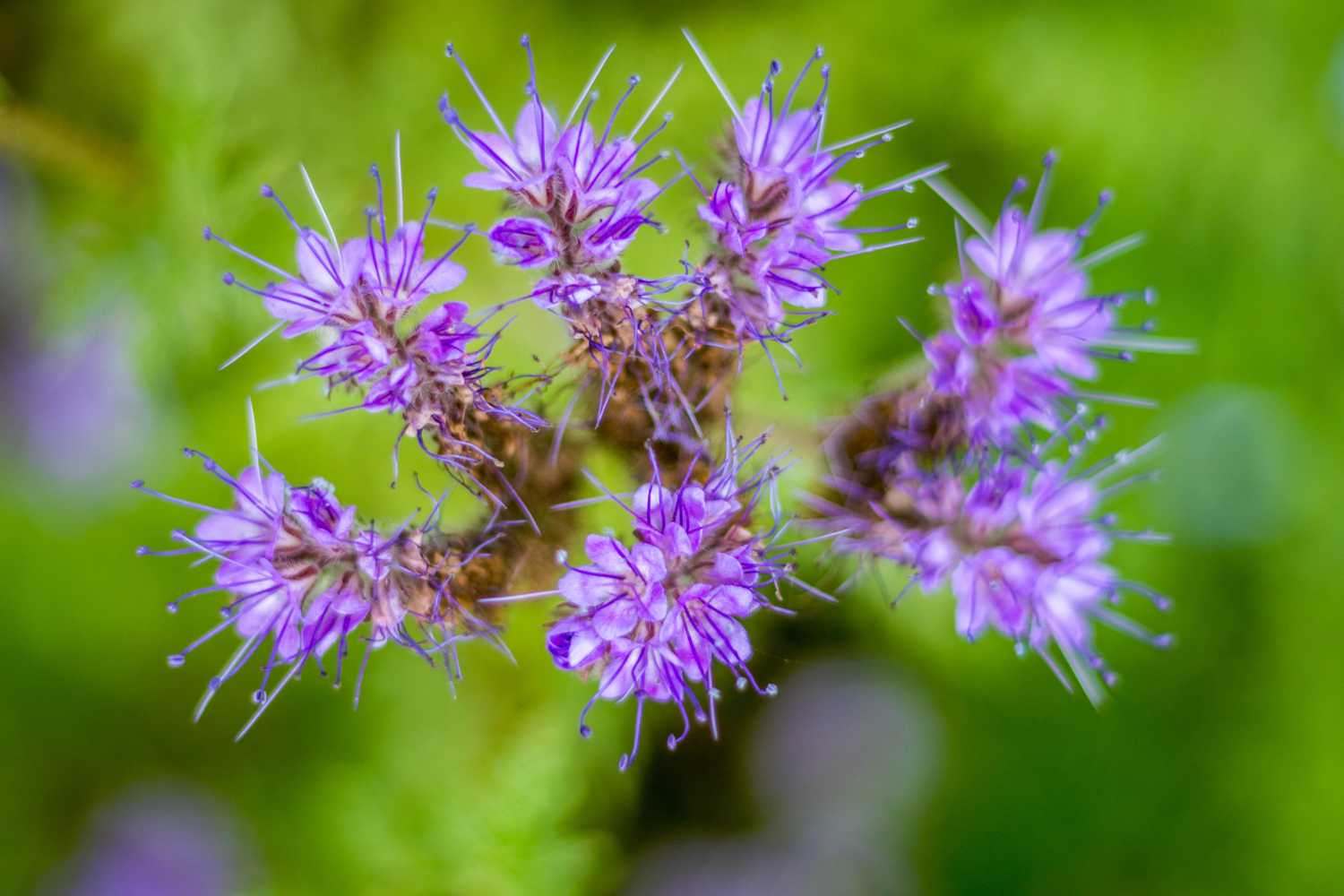
Less known but increasingly widespread among those who cultivate naturally, the Factia is a perfect plant for the hottest months, since the purple flowers, collected in soft spirals, attract bees like a magnet. It grows quickly, covers the soil and enriches the soil with organic substances, and it is certainly one of the best severted plants, and in your garden it can become a decorative and functional element. Sowed now, he will begin to bloom after a few weeks.
Good cultivation!
