

A sustainable alternative to coastal tourism
When you think of Croatia, the mind inevitably runs to its Adriatic coasts, the waters that lap islands and the beaches that every summer welcome millions of tourists. Yet this country hides a heritage often ignored by the masses: a set of rivers with pure waters and river beaches that represent a sustainable alternative to traditional coastal tourism.
In fact, the continental Croatia offers a completely different experience, where the natural refreshment of the freshwater courses is combined with preserved landscapes and a more authentic tourism and respectful of the environment.
While the Adriatic coasts suffer more and more than the summer tourist pressure, with consequent problems of overcrowding and environmental impact, the river destinations of the country represent an alternative way to discover the true Croatian essence, far from the crowd and in harmony with still intact ecosystems.
La Lika: the green heart of Croatia
The green heart of Croatia beats in the Lika region, where some of the purest rivers in Europe flow. Among these, Gacka stands out, considered one of the clearest and cleanest waterways on the continent. Its cold waters, ideal for cooling off during summer days, offer perfect conditions for kayak and to dive into the most accessible areas. Despite the rigid temperature, the river attracts fans of water sports and families looking for an authentic experience in contact with nature. Not far away, the Lika river gives its name to the entire region and has numerous bathing areas in the summer, where you can immerse yourself in a still wild natural environment.
This alternative to traditional seaside tourism does not represent only an escape with a summer heat, but a real more conscious travel philosophy. The river beaches of Croatia allow to experiment with distributed tourism, which lightens the pressure on the coasts and promotes the economic development of the internal areas, often less developed but rich in authenticity and traditions.
Slavonia and its river pearls
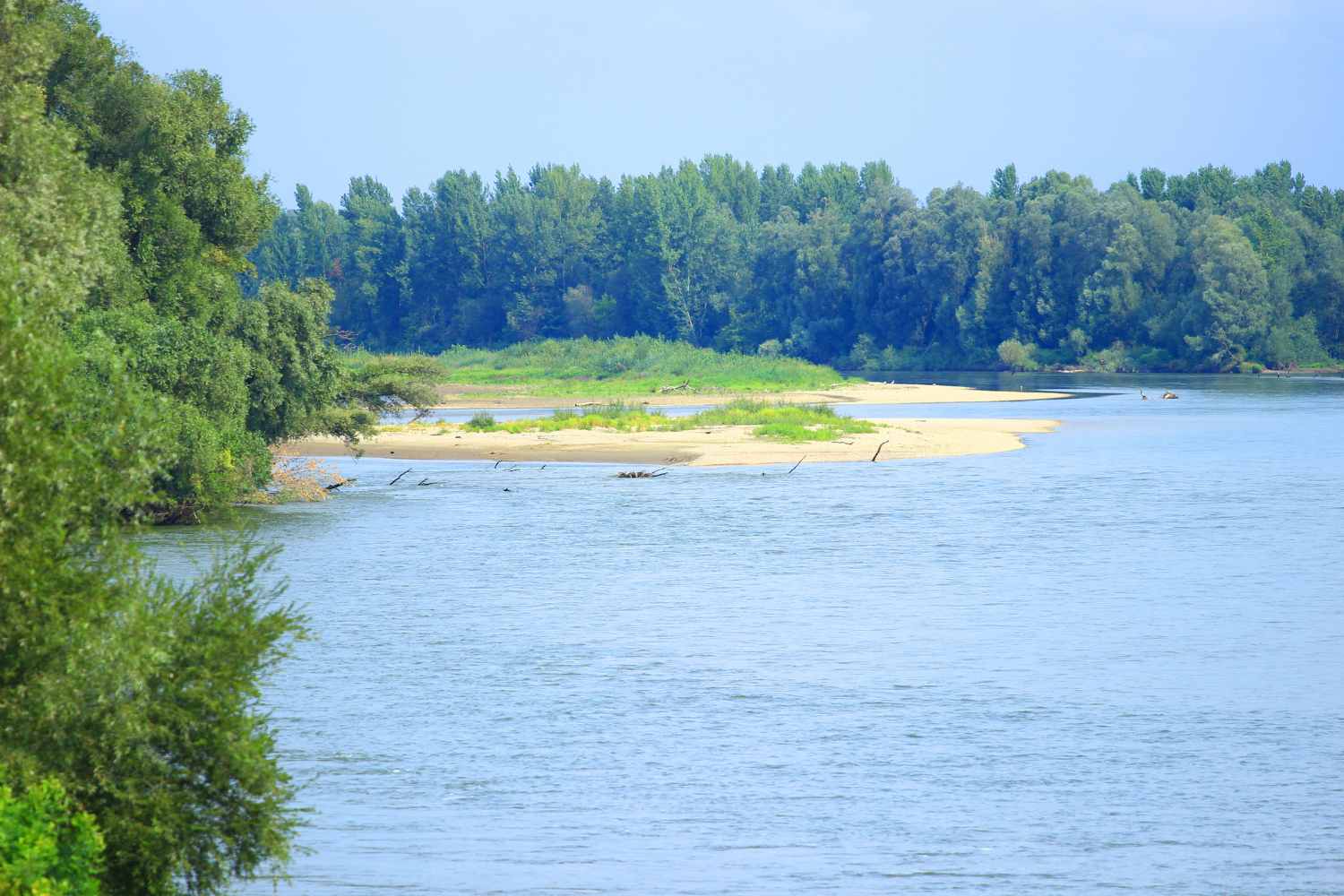
Moving towards Slavonia, the eastern region of the country, different scenarios open. Here, along the Drava river, the inhabitants of Osijek created their personal “Copacabana”, a river beach that during the summer comes alive with life and fun. The urban environment blends harmoniously with river nature, creating a particular atmosphere where you can admire the city monuments, the baroque walls and the cathedral directly from the beach. The city of Osijek also stands out for its cycle vocation, with over 40 kilometers of cycle paths that coasting the river offer a sustainable way to explore the territory.
Nearby is the Kopački Rit Natural Parknicknamed “European Amazon” for its biodiversity. This ecosystem houses over 270 species of birds during the year, representing an example of how river tourism can combine with environmental conservation and naturalistic education.
Poloj’s beachlocated along the Sava river at Slavonski Brod, deserves a particular mention to be the longest sandy beach of continental Croatia. Surrounded by woods and equipped with numerous recreational structures, this destination offers a complete experience that goes far beyond the simple river bath. Here you can witness a particular social phenomenon: the so -called “via splavarska” extends along the bank, where a hundred small boats and adapted rafts act as floating houses. The inhabitants of this road literally live on the water, using their properties as a summer cottage where to find themselves, fish and share moments of conviviality.
The Danube and the river Dalmatia
The Danube offers another interesting destination: the sandy island of Vukovarska Ada, which can be reached with just five minutes by boat from the center of Vukovar. Classified among the ten most beautiful river beaches in Croatia, this destination extends for about 32,000 square meters, with dimensions that vary according to the level of the river. The experience can be enriched by a panoramic navigation along the Danube up to Ilok, where the famous Traminer wine is produced, once served on the occasion of the coronation of Queen Elizabeth II.
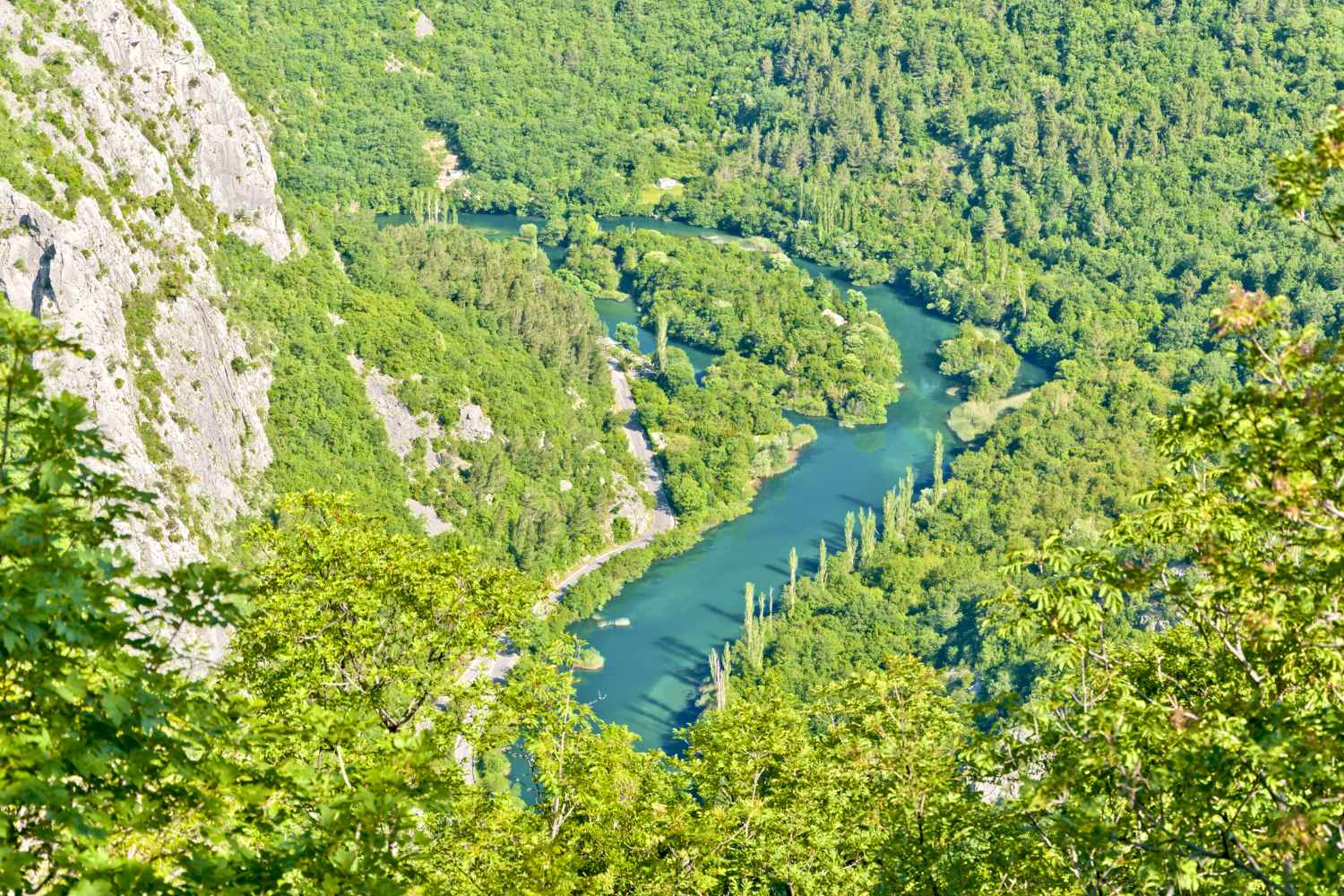
Dalmatia also contributes to this river heritage with Cetina, a river with particular characteristics. Its extremely cold waters, which do not exceed 15 degrees even in the summer, offer a natural refreshment along the entire canyon it crosses. Small pebble beaches dot the path, ideal for picnic and moments of relaxation immersed in a wild landscape.
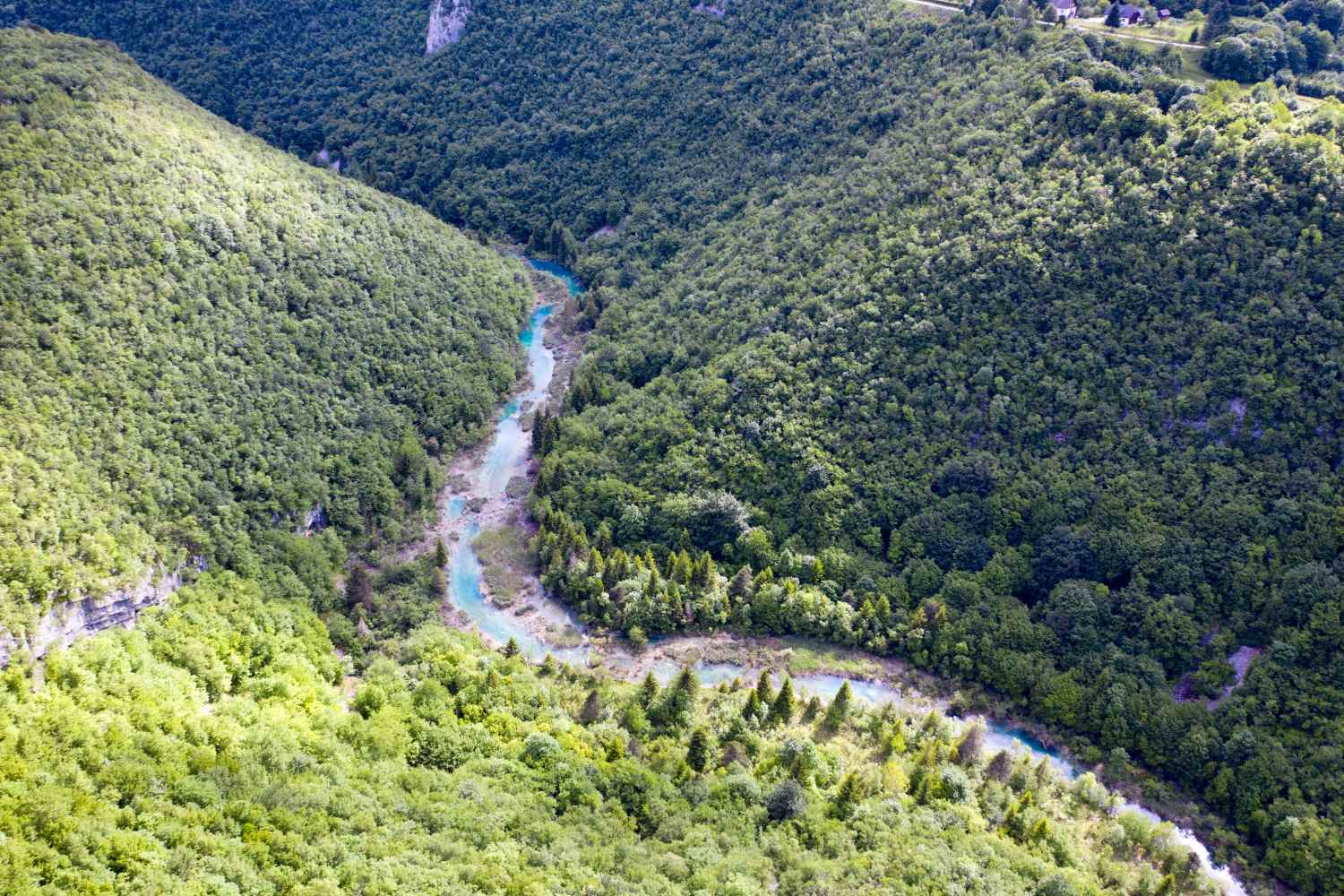
Foginovo beach on the Korana river, near Karlovac, represents a pioneering case being the first river beach officially recorded in Croatia. Here the river was born from the famous National Park of the Plitvice lakes, bringing with it the purity of one of the most important natural sites in the country. The presence of trampolines of different heights, animators and a free water park shows how it is possible to develop a respectful river tourism but also fun and accessible to the whole family.
A model of sustainable tourism
Choosing the river beaches of Croatia means embracing a more sustainable and conscious tourism model. These sweet water ecosystems represent fundamental habitats for local biodiversity, hosting often rare and protected plant and animal species. Their preservation also depends on the choices of travelers, who can contribute to a more distributed and less impactful tourism on the environment.
The best time to visit these destinations coincides with spring and the beginning of summer, when the temperatures are pleasant but not excessive and the rivers maintain their scope optimal. During these months, river tourism allows you to live authentic experiences, meeting local communities and discovering traditions that mass tourism often overwhelms.
Croatia river thus represents a concrete response to the challenges of contemporary tourism, offering an alternative that combines environmental sustainability, cultural authenticity and quality of experience. An invitation to discover a different country, where fresh water tells ancient stories and opens new perspectives for a more conscious and respectful journey.
