

There is a perfume that tells the childhood of millions of people in Argentina, Uruguay, Chile, but also in Mexico and in many other corners of the Hispanophone world: it is that of Dulce de Leche, literally “milk dessert”. A amber, dense cream, with a caramelized flavor, which spreads on the hot bread, which acts as a filling of the alphajores – typical South American sweets consisting of two biscuits with dulce de leche or jam inside, to be understood to be similar to the macarons – and which can be enjoyed by spoonfuls, as if it were a small daily luxury. What really is this food? And why does it arouse an almost universal attraction?
A story that is lost between forgotten legends and pots
Dulce de leche has uncertain origins, as often happens for foods that become so popular. According to an Argentine legend, he would be born by mistake: in the nineteenth century, a maid was preparing the milk with sugar for the “Leche Hervida”, a traditional drink, but he forgot the pot on the fire. Returning after a while he found a thick cream, with a brown color and an irresistible flavor.
Uruguay also claims its invention, as well as Chile, and even France has its own historical variant, the “confines de lait”. However, it is in Argentina that Dulce de Leche took on the status of national heritage, so much so that in 2003 the country asked for recognition as a South American cultural product at Unesco.
Simple ingredients, but long times
On a technical level, the Dulce de leche is obtained by slowly cooking milk and sugar, often with the addition of a tip of baking soda, which accentuates the brown color and prevents the crystallization of sugar. The secret is not so much in the ingredients, as in time: to obtain a perfect consistency it takes several hours of slow cooking, during which the milk evaporates, the sugars caramelize and the proteins are transformed.
The result is a smooth and silky cream, with notes reminiscent of the Mou, but with a greater aromatic depth. There are also faster variants, prepared starting from sugary condensed milk, which turns into dulce de leche by boiling in a sealed jar – a method as practical as it is controversial for its danger if you do not pay attention to pressure.
A thousand uses in the kitchen
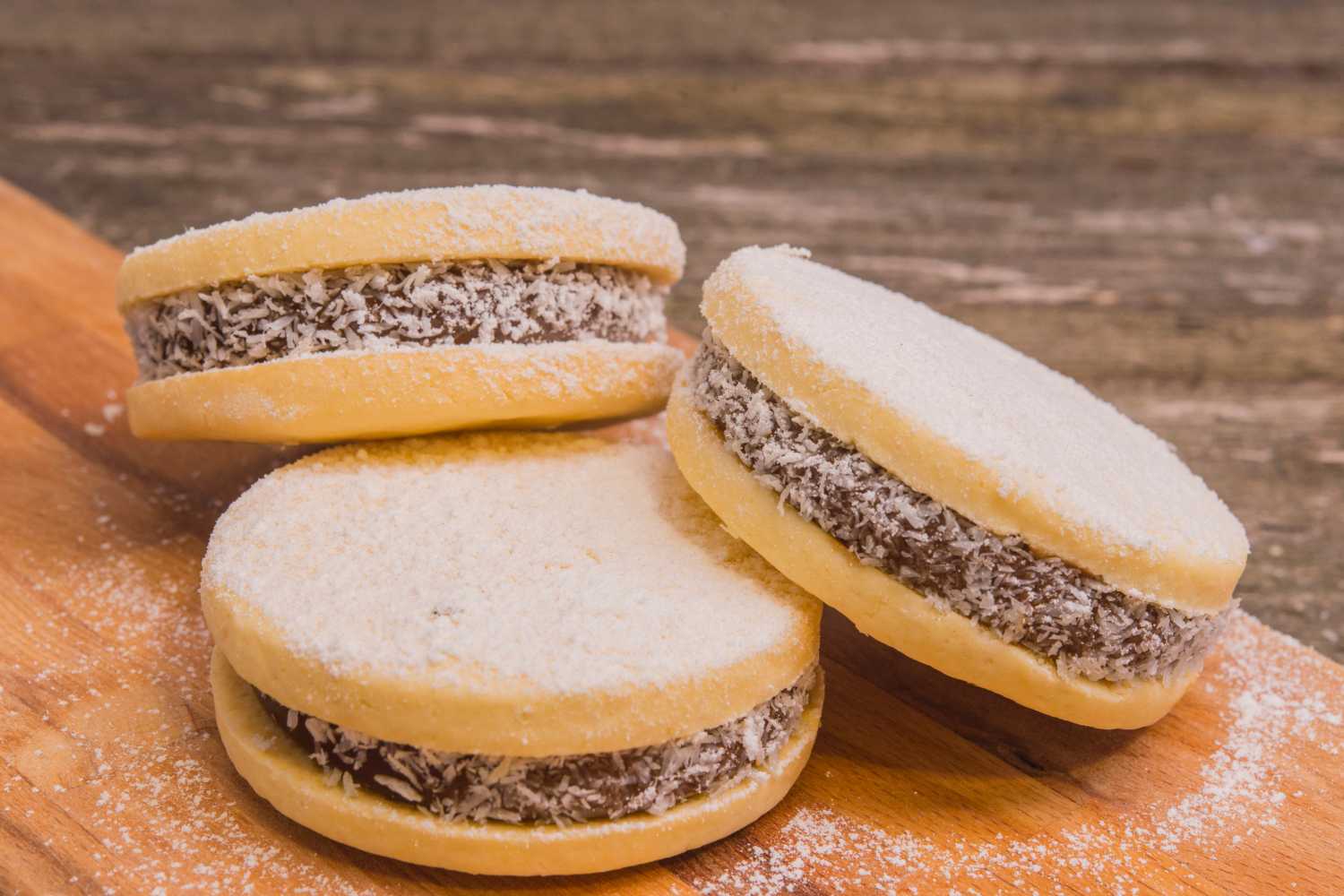
Dulce de leche is not just a spread cream. In Argentina it is a basic ingredient of the pastry: filling cakes, biscuits, croissants, crêpe, ice cream. It is at the center of the aforementioned Alfajores, the stuffed and chocolate or coconut biscuits, and is even found in the churros. In Uruguay he mixes with chocolate and cream, becoming a ganache, while in Brazil he takes the name of doce de leiteand it is often more solid, similar to a soft candy to be cut into cubes. In Mexico, depending on the regions, it can be more liquid or dense, sweeter or more lacty.
There are also those who accompany it to cheese-in a sweet-popular combination that recall certain Italian combinations between jam, honey and cheeses-and those who use it to flavor coffee, frappè and cocktails.
Between tradition and globalization
In recent years the Dulce de Leche has crossed the boundaries of Latin America, conquering the European and American pastry shops. It is not uncommon to find it in the desserts of gourmet restaurants, perhaps in the form of a foam, cream and hot sauce. Some big brands have introduced it to their lines of industrial ice cream and snack lines, while on the internet they proliferate do-it-yourself.
Despite this “export”, for many it remains a deeply identity flavor, which evokes grandmother’s cuisine, childhood snacks, country parties. A teaspoon of Dulce de leche can trigger an avalanche of memories and tell a whole culture.
Curiosity and regional variants
As already mentioned, each Latin American country has its own version. In Colombia and Venezuela, for example, we talk about areain Peru and Bolivia it is called Manjar Blanco And it is clearer and sweet, in Cuba mudin the Dominican Republic, vanilla is sometimes added to it.
There is no shortage of vegan versions, prepared with coconut and/or almond milk and integral brown sugar, excellent alternatives for anyone who wants to avoid animal derivatives without giving up the pleasure of caramel.
Why do we like it so much?
The charm of the Dulce de leche probably resides in its sensory complexity. Sweet but not cloying, velvety on the palate, with a toasted and deep aftertaste. It evokes the caramel, but it exceeds it in softness, is enveloping, and has one of the peculiar characteristics in versatility, since it can be combined with practically anything: from simple bread to whipped cream, from fruit to oven desserts.
Don’t you want to lose our news?
